

The short answer: sometimes, but the device shape is not the deciding factor. For red light therapy masks, belts, and full-size panels, FSA/HSA eligibility usually turns on documented medical purpose, the plan administrator’s rules, and sometimes a Letter of Medical Necessity, not whether the device is a mask versus a panel. You should verify the exact device’s intended use and paperwork before buying, because an FDA clearance alone does not guarantee reimbursement.
What Usually Determines Eligibility First
Start with the purpose of the purchase: is the device being used for a diagnosed medical condition, or for general wellness, skincare, or routine recovery? PubMed-aligned sources say eligibility is tied to medical intent and documentation, not marketing language or form factor.
For red light therapy devices, PubMed states that masks, belts, and full-size panels can be HSA/FSA eligible only when used for a diagnosed condition and supported by a Letter of Medical Necessity from a licensed clinician.
What To Verify Before You Buy
- The device is being used for a specific diagnosed condition, not just wellness or aesthetics.
- Your plan administrator allows the expense.
- You can get the required documentation, often including a Letter of Medical Necessity.
- The exact device matches the documented intended use.
Masks, Belts, and Panels: What’s Different, What Is Not
For reimbursement purposes, the form factor often matters less than buyers expect. Available guidance treats masks, belts, and full-size panels under the same general eligibility idea: if the device is used for a qualifying medical purpose and your plan accepts the paperwork, the shape alone does not decide eligibility.
That said, the device type can still matter in practice because the intended use and documentation may differ. A face mask may be easier to connect to a skincare-related diagnosis, while a belt may be easier to connect to a torso or body-area routine. Full-size panels are not automatically more eligible just because they cover more area. The key is the documented condition and the plan’s rules.
Comparison Table: Eligibility Logic by Device Type
Device Type |
Typical Use Case |
Eligibility Driver |
Documentation Often Needed |
Main Limitation |
Face mask |
Facial skincare or wrinkle routines |
Medical diagnosis and plan approval |
Letter of Medical Necessity, itemized receipt |
Cosmetic-only use is less likely to qualify |
Belt |
Targeted torso, back, or limb routines |
Medical diagnosis and plan approval |
Letter of Medical Necessity, itemized receipt |
Coverage depends on the condition, not the belt itself |
Full-size panel |
Larger-area home light therapy routines |
Medical diagnosis and plan approval |
Letter of Medical Necessity, itemized receipt |
Larger size does not guarantee reimbursement |
The table above reflects the practical eligibility pattern in the supplied sources: the device shape is secondary to documented medical need.
What Documentation Buyers Should Keep With the Receipt
If you want the best chance of approval, keep the required record next to the purchase. The most consistent documentation pattern in the supplied sources is a Letter of Medical Necessity, plus the receipt and any device details that match the prescription or recommendation. One source specifically says the LMN should identify the exact condition, the recommended device, and the treatment protocol, and that the documentation should be kept with receipts.
Action Checklist
- Confirm the device is intended for a diagnosed medical condition, not general wellness.
- Ask your HSA/FSA administrator whether the specific mask, belt, or panel is eligible.
- Get a Letter of Medical Necessity if your plan requires one.
- Save the itemized receipt and the device label or product page.
- Make sure the prescribed purpose matches the product you buy.
- Submit reimbursement only after checking plan-specific rules.
FDA Clearance Helps, But It Is Not the Same as FSA/HSA Approval
It is helpful to separate FDA status from reimbursement status. FDA clearance can support that a device has been reviewed for a specific intended use, but it does not automatically make the device reimbursable under FSA/HSA rules. The supplied FDA summaries repeatedly note that clearance is limited to the specific indications cleared, and that reimbursement depends on IRS rules and plan-specific requirements.
That means a mask, belt, or panel may be FDA-cleared for a limited indication and still not qualify for reimbursement if the purchase is cosmetic or lacks the right paperwork. A cosmetic wrinkle claim is not the same thing as a diagnosed medical condition for FSA/HSA purposes.
Safety and Expectation Checks Before Using the Device
Before using any home light therapy device, verify the labeling and stop if the instructions warn against your condition or medications. One FDA-cleared device summary included warnings for photosensitive individuals, mandatory eye protection, and stopping if skin irritation occurs. Another cleared device summary listed caution for photosensitivity, pregnancy, and direct eye exposure, and advised discontinuing if irritation occurs.
Because home use can carry more risk when instructions are unclear or the device is used without proper oversight, do not assume that a retail listing or an “eligible” tag is enough. PubMed reports that burns were the most common adverse event in a MAUDE-based analysis of UV phototherapy and photodynamic therapy complications, and home-based devices were more likely to be associated with adverse events than in-office treatments. That study did not evaluate red light masks, belts, or panels directly, so it is only a cautionary signal about home light therapy generally, not direct evidence for these products.
When To Stop or Escalate
- Stop using the device if the labeling says to stop for redness, pain, blistering, or irritation.
- Do not use a device over a condition that the labeling excludes.
- Escalate to a clinician if you are unsure whether your diagnosis matches the claimed use.
- Ask your plan administrator before purchase if reimbursement is important.
FAQ
Q: Are Red Light Therapy Masks Treated Differently From Full-Size Panels for FSA/HSA Eligibility?
A: Not usually. The supplied sources indicate that eligibility depends more on the medical condition, documentation, and plan rules than on whether the device is a mask, belt, or full-size panel.
Q: What Proof Is Usually Needed to Use FSA/HSA Funds for A Red Light Therapy Device?
A: A Letter of Medical Necessity is commonly required or strongly recommended, and it should identify the condition, the specific device, and the treatment protocol. Keep that letter with your receipt and any other purchase records.
Q: Does FDA Clearance Mean My Red Light Therapy Device Is Automatically HSA/FSA Eligible?
A: No. FDA clearance supports the device’s regulated intended use, but reimbursement still depends on IRS rules and your plan administrator’s requirements. A cosmetic clearance or a retail “eligible” label is not enough by itself.
Bottom Line
If you are choosing between a red light therapy mask, belt, or full-size panel for FSA/HSA use, verify the diagnosis first, then the paperwork, then the plan rules. The safest purchase path is to get the condition and protocol documented before checkout, save every receipt, and treat any eligibility label as a starting point rather than final approval.


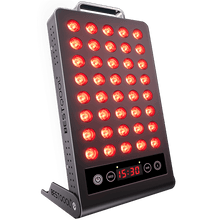
 Small
Small

 Moderate

 Moderate

 Moderate

 Full
Full

