What is red light therapy?
Discover how red light therapy can boost your health


Natural
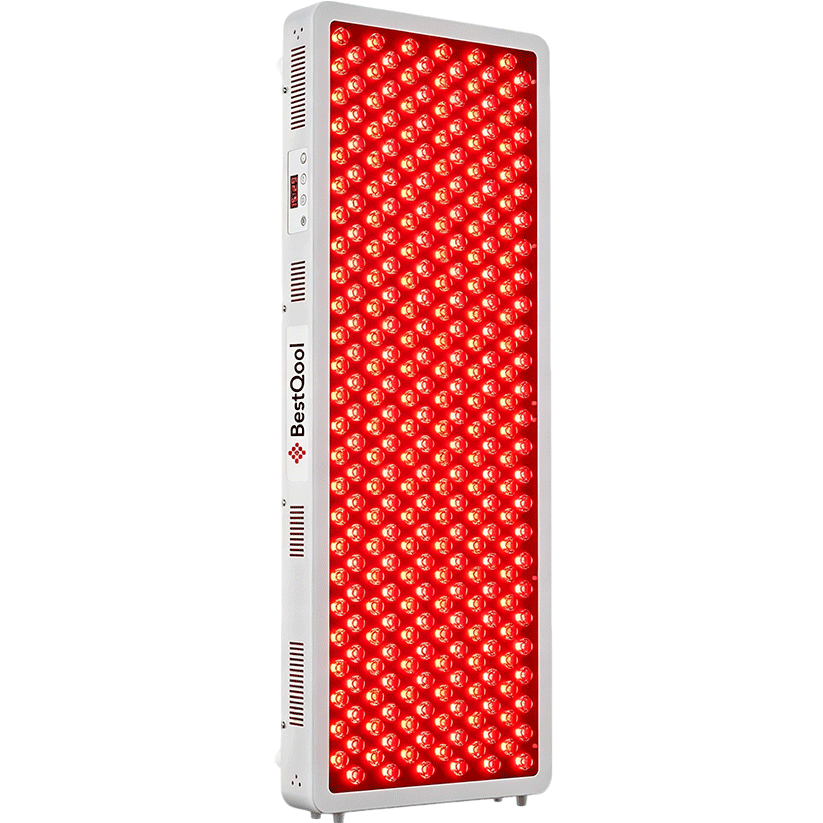
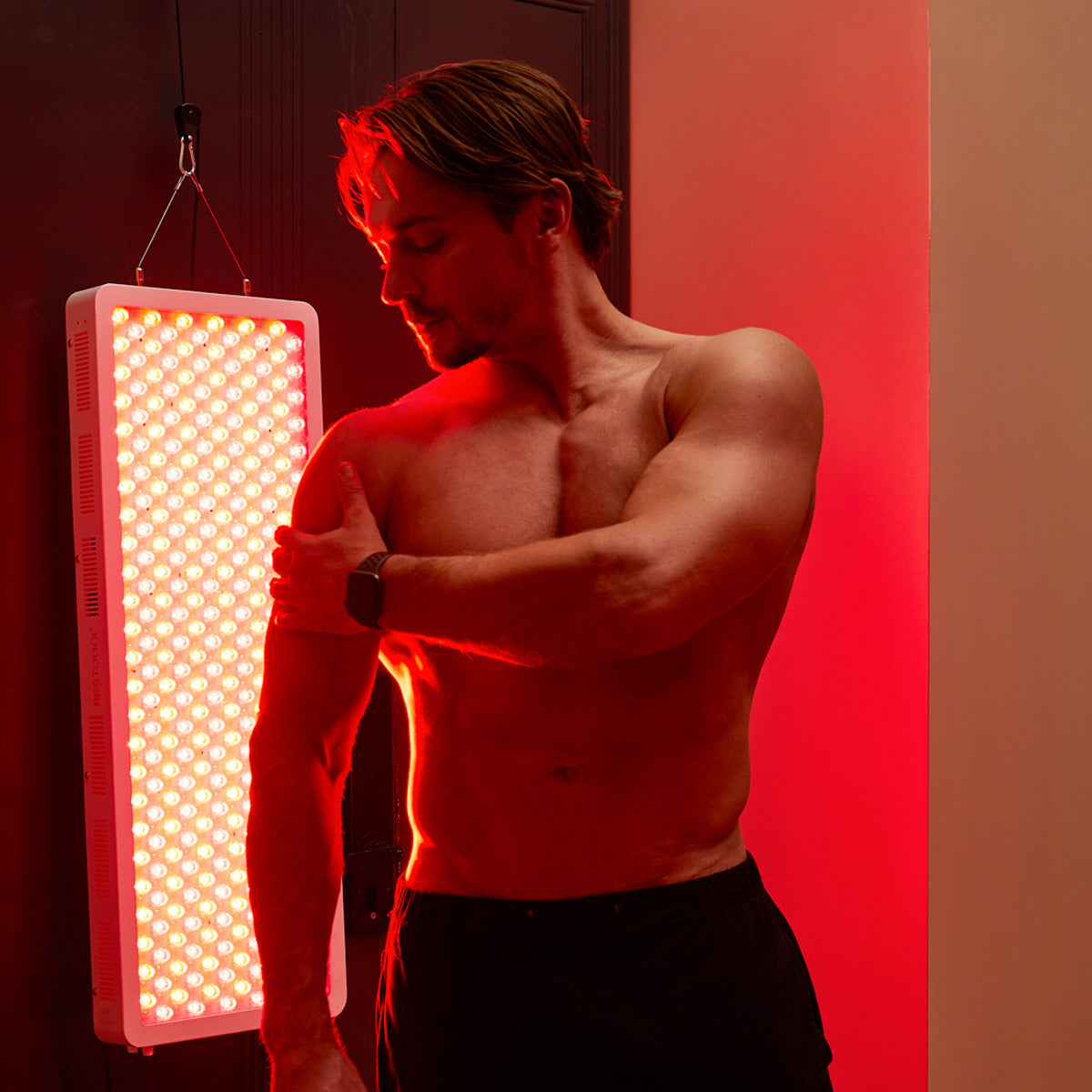
Red light therapy (aka photobiomodulation or PMB) is a natural therapeutic technique that uses red low-level wavelengths of light to treat skin issues, reduce joint pain and inflammation, and faster muscle recovery and other issues.This treatment uses in most effective wavelengths of red light, the ranges of 630-680 nm and near infrared light, the ranges of 810-940 nm treat the skin to accomplish various outcomes.


Healing
The short version for red light therapy is: drug free, non invasive and natural. Red light therapy alleviates both acute and chronic inflammation by increasing blood flow to the damaged tissues, and it’s been found in numerous clinical trials to increase the body’s antioxidant defenses as well. Studies have shown that different wavelengths affect the body in different ways.


Non-Invasive
Red light therapy is a non-invasive treatment that offers a safe, gentle, and sustainable way to enhance the skin from the inside out. This painless procedure activates the body's own healing and regeneration processes at the cellular level to promote overall health, unlike surgery or injections. Red light therapy is safe enough to utilize alone or in combination with other treatments for wellness and recovery. Before or after surgery or invasive operations, it speeds healing, reduces pain, and boosts synergy.
How does it work?
Photobiomodulation is the science of light and its impact on our biology
The red light wavelength
The red (660nm) and near-infrared (850nm) wavelengths are scientifically proven to excite the key enzyme Cytochrome (CCO) and the mitochondria of the cell.
Boost in cellular energy
Once Cytochrome is saturated with the 660nm and 850nm, the inhibitory Nitric Oxide is reduced and Oxygen is increased. This leaves space for the Mitochondria to produce more Adenosine Triphosphate (ATP), which is the energy the cells use.
Anti-inflammatory properties
The now oxygen-rich blood travels through the brain and body and reduces overall inflammation. Cellular functions are optimized, which helps the optimal functioning of our biochemistry.


What are the benefits of red light therapy?


Dosage Instruction
Dose (J/cm2) = Irradiance (mW/cm2) × Time (seconds) ÷ 1000
If a light therapy device can generate 64.61 mW/cm2 irradiance from 6 inches away and a person stands 6 inches from the therapy device for 1800 seconds (30 mins), he would receive a total dose of 116.298 Joules/cm2 after 30 mins.
For superficial tissues |
depth: 0-4 mm |
30 J/cm2 at least |
For deeper tissues |
depth: 4-100 mm |
60 J/cm2 at least |
Try the calculator below!


Maybe You're Wondering
Yes. In numerous clinical studies, red and near infrared light have been proven to be a safe, natural, non-invasive treatment. Patients experienced less pain and inflammation in injuries and medical procedures.
Most people start to notice visible results after about 3 weeks or longer of consistent use.
Red light therapy works like eating or drinking water — it needs to be done regularly and continuously to maintain its benefits.
Some users may feel positive changes in a shorter time, but for most people, it takes at least three weeks or more to experience noticeable improvements.
When used as directed, red light therapy has no known side effects. To ensure safety, it’s important to follow the guidelines, avoid overexposure, and consult a healthcare professional if you have sensitive skin, are taking photosensitizing medications, or have any underlying medical conditions.
Yes. For the best results, it’s recommended to expose your skin during red light therapy sessions. The light needs to reach your skin directly to penetrate effectively and stimulate the cells beneath the surface. However, you don’t need to expose your entire body—just the specific areas that you want to target.
Yes. Red light therapy can be used together with other treatments as a complementary option. However, it’s best to consult a healthcare professional before combining therapies.