

Higher irradiance can shorten a session, but skin tone can change how much light is absorbed at the skin surface and how warm treatment feels. In home red light therapy, the practical goal is usually to match wavelength, irradiance, distance, and time to the body area and tolerance level—not to chase the highest number on the device page.
If you’ve ever wondered whether a darker skin tone means “less effective” red light therapy, the short answer is more nuanced than that. Melanin does absorb visible light, but treatment response depends on wavelength, irradiance, total dose, and comfort at the skin level, so the setup matters more than skin color alone. This article breaks down what irradiance means, how skin tone changes exposure in real use, and how to choose a practical home routine without overcomplicating it.
What Irradiance Means in Red Light Therapy
Irradiance is the amount of light power reaching a surface per unit area, usually expressed in mW/cm². In red light therapy, that matters because the same device can deliver very different skin-level exposure depending on distance, beam spread, panel size, and body position.
A simple way to think about it is this: higher irradiance usually means more energy delivered per minute, so session time can often be shorter. But a higher number is not automatically better if it creates heat, discomfort, or an impractical setup for the body area you are trying to treat.
Device-Page Claims vs. Skin-Level Exposure
Manufacturers often list a maximum irradiance measured under ideal conditions, usually at a specific distance and angle. That number is useful, but it is not the same as what your skin actually receives once you step back, sit down, or treat a curved body area.
Skin-level exposure is affected by practical variables: distance from the panel, how much of the body area is actually facing the light, and whether the tissue is flat, curved, or partly shadowed. For home users, those variables can matter as much as the rated output on the box.
How Skin Tone Changes Light Interaction

Skin tone mainly matters because melanin changes optical absorption and scattering in the skin. Darker skin generally absorbs more visible light at the surface, which can reduce how much light travels deeper compared with lighter skin, especially at shorter wavelengths.
That does not mean red light therapy “doesn’t work” on darker skin. It means the balance between absorption, penetration, and total delivered dose may shift, so comfort and session planning may need a little more attention. The effect is more about dose delivery than skin tone as a standalone yes-or-no switch.
Melanin, Wavelength, and Penetration
Visible light is absorbed more strongly by melanin than near-infrared light, so longer wavelengths generally penetrate deeper with less surface absorption than shorter visible wavelengths. In practice, that is one reason many home devices pair red and near-infrared LEDs instead of using red alone.
For skin tone, the key point is not that darker skin needs a completely different device category. It is that visible-light-heavy setups may produce more surface absorption and warmth, while near-infrared light may be better suited when deeper delivery is the goal and tolerance is a concern.
Does Darker Skin Need a Different Irradiance?
Not automatically, but it often benefits from more conservative session planning at first. Because melanin can increase surface absorption, some users with deeper skin tones may notice more warmth or sensitivity at the same distance and irradiance setting than a lighter-skinned user.
The practical response is usually to adjust the setup variables, not to assume the device is ineffective. That often means starting farther away, keeping the first sessions shorter, and using a lower or moderate irradiance until you know how the skin responds.
Practical Setup Rule
A useful rule of thumb is: choose the lowest irradiance that still gives you enough dose in a tolerable session length. If a higher-output panel forces you to sit too close or makes the skin uncomfortably warm, the effective routine may actually be worse than a slightly lower-output setup used more consistently.
What Irradiance Range Is Practical at Home?
There is no single “best” number for everyone, but home routines commonly work best when the device, distance, and time are chosen together rather than in isolation. In many practical setups, moderate irradiance is easier to manage because it balances session length with comfort.
A simple planning formula is:
Dose = Irradiance × Time
If a panel delivers 50 mW/cm² at the skin and you treat for 10 minutes, the delivered surface dose is higher than if the same area is treated at 25 mW/cm² for the same time. But the higher setting only helps if it stays comfortable and the body area can tolerate it consistently.
Example Session Planning
- Lower-output setup: farther distance, longer session, gentler warming
- Moderate-output setup: balanced distance and time, easiest for repeat use
- High-output setup: shorter session, but more likely to feel warm at close range
For skin tone differences, the main decision is usually not “which skin color needs the strongest panel?” It is “which configuration gives enough dose without excessive heat or irritation?”
How to Adjust Distance, Time, and Power by Goal

If the goal is skincare, scar appearance support, or facial routines, comfort and precision usually matter more than raw output. If the goal is larger body-area recovery, a broader treatment area and a more powerful panel may make the routine more efficient. In both cases, skin tone should be treated as one tolerance variable, not the only variable.
Skincare and Face Routines
For facial use, especially on reactive or sensitive skin, start with shorter exposures and moderate intensity. If the device feels too hot or the skin stays red longer than expected, increase distance before increasing time.
Body-Area Recovery Routines
For larger body areas like back, legs, or shoulders, slightly higher irradiance can be practical because the treatment surface is larger and the session is less precise. That can improve convenience, but it still should not push the user into discomfort just to save a few minutes.
Comparison Table: What Changes With Skin Tone
Variable |
Lighter Skin Tone |
Deeper Skin Tone |
Practical Takeaway |
Surface absorption |
Lower |
Higher |
More visible-light absorption at the surface may occur with deeper skin tones |
Warmth at same setting |
Often lower |
Often higher |
Comfort checks matter more as intensity rises |
Distance tolerance |
Usually broad |
Often needs more caution at first |
Start farther back if warmth builds quickly |
Session planning |
Often standard |
Often more conservative initially |
Shorter first sessions can help establish tolerance |
Wavelength preference |
Red and near-infrared both used |
Near-infrared may feel easier to tolerate |
Deeper penetration with less surface absorption is often desirable |
Skin tone changes how light is handled at the skin surface, but it does not replace the usual setup logic: wavelength, irradiance, distance, and time still determine the actual delivered dose.
Common Mistakes When Matching Irradiance to Skin Tone
Mistake 1: Treating Skin Tone as the Main Preset
The biggest mistake is assuming darker skin automatically needs a much stronger or much weaker device. In reality, the better question is whether the routine is comfortable, repeatable, and matched to the goal.
Mistake 2: Chasing Maximum Output
Maximum irradiance can look impressive, but if the setup is too hot or too close, users often shorten sessions or skip treatments. That defeats the purpose of choosing a powerful panel in the first place.
Mistake 3: Ignoring Wavelength Mix
If a device is heavily weighted toward visible red light, skin tone and surface absorption may matter more than with a balanced red plus near-infrared setup. That is why many users find mixed-wavelength panels more flexible across different skin tones and goals.
Action Checklist for Safer Home Setup
- Start with a moderate distance, not the closest setting.
- Use the lowest irradiance that still fits your session time.
- Keep the first few sessions short enough to judge warmth and comfort.
- If your skin feels too hot, move the panel back before increasing time.
- For deeper skin tones, pay extra attention to visible-light-heavy devices and surface warmth.
- Prefer a red plus near-infrared mix if you want more flexibility across body areas.
- Track consistency over intensity: a tolerable routine is more useful than an aggressive one you will not repeat.
FAQ
Q: Does Darker Skin Absorb More Red Light?
A: Generally, yes at the surface level. Melanin absorbs more visible light, so darker skin can show greater surface absorption, which may affect warmth and how much light reaches deeper tissue. That is why irradiance, distance, and wavelength mix matter so much.
Q: Should Skin Tone Change My Session Time or Distance?
A: It can, but usually only modestly. A practical approach is to start farther away or shorter in duration if the skin feels warm or reactive, then adjust based on comfort and consistency rather than skin tone alone.
Q: What Irradiance Is Best for Home Red Light Therapy?
A: The best irradiance is the one that gives you enough dose in a tolerable session length for your goal. Moderate, repeatable setups are often more practical than very high-output settings that force discomfort or poor adherence.
Final Takeaway
Skin tone changes how red light is absorbed and felt at the skin surface, but it does not completely change the logic of red light therapy. The most practical setup is still the one that matches wavelength, irradiance, distance, and time to your body area and tolerance.
If you want a conservative starting point, choose a moderate irradiance, begin a little farther away, keep the first sessions short, and only increase intensity once the routine feels comfortable and repeatable.


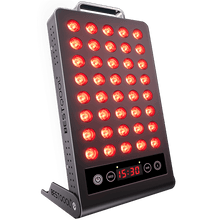
 Small
Small

 Moderate

 Moderate

 Moderate

 Full
Full

