


Introduction
A major trend in the dermatology and wellness space is red light therapy (RLT), a non-invasive treatment that utilizes light wavelengths between 630 nm and 940 nm. This therapy is highly beneficial for skin rejuvenation, faster wound healing, pain relief, and mood support. Its primary appeal is that it is drug-free, painless, generally safe, and suitable for home use.
However, RLT protocols may need adjustment if the user takes certain drugs or supplements. This interaction is known as photosensitivity. When a user takes specific medications, it can alter how their skin reacts to light. This typically occurs in two forms: phototoxicity (the tissue is damaged by drugs that react when stimulated by light) or photoallergy (the body has an immune response to the drug). If individuals taking these medications use RLT, they may experience exaggerated skin reactions, ranging from redness and burning to rashes and pigmentation changes. Drug‑induced photosensitivity is well documented in dermatology literature, such as in the classic work by Neumann & Schauder (2013). [1]
This article breaks down what you should check before starting red light therapy, focusing on common, everyday medications that can affect safety, while offering practical steps for reviewing your prescriptions.

Which Medications Can Make Skin More Sensitive to Light?
Photosensitizing drugs are not rare—many are routinely prescribed for common conditions. Here are the most important categories to watch for:
-
Antibiotics
- Tetracyclines: Doxycycline and minocycline, widely used for acne and respiratory infections.
- Fluoroquinolones: Ciprofloxacin and levofloxacin.
- Sulfonamides: Trimethoprim‑sulfamethoxazole. These are among the most frequently reported culprits.
-
NSAIDs (Painkillers)
- Naproxen and piroxicam are well known for phototoxic reactions.
- Ibuprofen is less common but has occasional reports of sensitivity.
-
Diuretics (Water Pills)
- Hydrochlorothiazide and furosemide, prescribed for hypertension and heart failure, can increase light sensitivity.
-
Cardiac Drugs
- Amiodarone, used for arrhythmias, is strongly associated with photosensitivity and pigmentation changes.
-
Psychiatric Medications
- Tricyclic antidepressants (e.g., imipramine).
- SSRIs (e.g., sertraline, fluoxetine) are occasionally reported.
- Antipsychotics like chlorpromazine.
-
Retinoids
- Isotretinoin (oral acne therapy) and acitretin (psoriasis treatment) significantly increase light sensitivity.
-
Herbal Supplements
- St. John's Wort, a popular mood enhancer, is a potent photosensitizer.
These examples demonstrate that photosensitizing medications are not exotic—they are everyday prescriptions and dietary supplements.
How to Review Your Medication List Before Starting Red Light Therapy
Before you try out new devices for red light therapy, you must review the drugs and supplements you are currently taking.
- Check prescription labels: Many drugs carry warnings like "avoid sunlight" or "may cause photosensitivity." Users should also read the RLT device manual for mentions of light interactions.
- Include OTC drugs and supplements: People often overlook daily supplements, herbal remedies like St. John's Wort, or topical agents like coal tar, all of which can cause photosensitivity with RLT devices.
- Use trusted databases: If you are confused, MedlinePlus, PubMed abstracts, and official drug information leaflets provide reliable safety profiles.
- Consult your pharmacist: Pharmacists are highly trained to identify drug interactions and can quickly flag potential risks.
Marguery (2000) emphasized that patient education and pharmacist involvement are key to preventing adverse reactions. [2]
What Skin Reactions Should Make You Pause Treatment?
The following symptoms may suggest that RLT is causing a photosensitive reaction:
- Excessive redness or burning that goes beyond mild, comfortable warmth.
- Rash, hives, or blistering.
- Delayed hyperpigmentation (dark patches appearing hours or days later).
- Persistent itching or swelling.
These are hallmark signs of drug‑induced phototoxicity or photoallergy (Di Bartolomeo L et al., 2022). Continuing therapy despite these reactions can worsen the outcome. [3]
How to Adjust Session Time, Distance, and Frequency for Safer Use
If you are on a photosensitizing drug but still want to try RLT under medical guidance, follow these precautions:
- Start short: Begin with 2–5 minutes per session. Resist the temptation to jump into longer durations.
- Increase gradually: Only increase the time if no adverse reactions occur. The goal is to safely acclimate your skin.
- Maintain distance: Higher‑powered panels should be used at longer distances to reduce intensity.
- Limit frequency: Begin with 2–3 sessions per week, gradually shifting to daily sessions as tolerance builds.
- Monitor your skin: Keep a daily log of any redness, dryness, or irritation.
This cautious approach allows you to gauge your tolerance while minimizing risks.

When to Ask a Doctor or Pharmacist Before Using Red Light Therapy
Professional medical input is essential if:
- You take multiple medications with overlapping photosensitivity risks.
- You have lupus, porphyria, or other light‑sensitive autoimmune conditions.
- You are unsure about topical versus oral drug interactions.
- You plan to use high-intensity or full-body devices.
Dawe & Ibbotson (2014) highlight that clinicians should carefully balance therapy benefits with medication safety, especially for patients with complex drug regimens. [4]
Safer Red Light Therapy Starts With Knowing Your Personal Risk Factors
Before using RLT devices, you must consider the following important factors:
- Your current medication list: Evaluate all prescriptions, OTC drugs, and dietary supplements before starting RLT.
- Your Fitzpatrick skin type: Fairer skin often reacts more strongly to light exposure.
- Underlying conditions: Note any autoimmune, dermatologic, or metabolic disorders.
- Specific RLT device specifications: Different wavelengths (630–940 nm) and irradiance levels carry varying intensities.
By combining thorough self‑review with professional guidance, you can effectively minimize risks and maximize the therapeutic potential of RLT.
Conclusion
Red light therapy is highly beneficial for most people, but it is not universally risk‑free. Photosensitizing medications are incredibly common, and ignoring them can turn a wellness practice into a dermatologic problem. Fortunately, with careful review, professional input, and cautious dosage adjustments, most risks can be safely managed.
Prevention and patient education are the cornerstones of managing drug‑induced photosensitivity. For anyone considering RLT, the safest path begins with knowing your personal risk factors and asking the right questions before you begin your first session.
References
- Neumann NJ, Schauder S. Phototoxische und photoallergische Reaktionen [Phototoxic and photoallergic reactions]. Hautarzt. 2013 May;64(5):354-62. German. doi: 10.1007/s00105-012-2512-y. PMID: 23644473.
- Marguery MC. Photodermatoses médicamenteuses [Drug-induced photosensitivity]. Rev Prat. 2000 Jun 15;50(12):1315-9. French. PMID: 10972072.
- Di Bartolomeo L, Irrera N, Campo GM, Borgia F, Motolese A, Vaccaro F, Squadrito F, Altavilla D, Condorelli AG, Motolese A, Vaccaro M. Drug-Induced Photosensitivity: Clinical Types of Phototoxicity and Photoallergy and Pathogenetic Mechanisms. Front Allergy. 2022 Jun 20;3:876695. doi: 10.3389/falgy.2022.876695. PMID: 36238932; PMCID: PMC9552952.
- Dawe RS, Ibbotson SH. Drug-induced photosensitivity. Dermatol Clin. 2014 Jul;32(3):363-8, ix. doi: 10.1016/j.det.2014.03.014. PMID: 24891058.


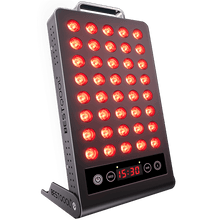
 Small
Small

 Moderate

 Moderate

 Moderate

 Full
Full

