

If you are thinking about buying a second-hand red light therapy device, you are not alone. Many of the people I work with love the idea of at-home red light therapy but hesitate when they see the price tags for new, medical-grade panels or LED masks. Open-box, refurbished, and gently used devices can offer real savings. They can also turn into expensive, ineffective clutter if you do not know what to look for.
In this guide, I will walk you through how red light therapy works, what the science actually supports, and the specific checks I recommend before you invest in a used device. The goal is simple: help you get a safe, effective tool that fits your body, your health goals, and your budget, without falling for marketing hype.
What Red Light Therapy Actually Does
Red light therapy, often called photobiomodulation or low-level light therapy, uses low-intensity red and near‑infrared (NIR) light to nudge cells into better function rather than to burn or ablate tissue. Clinical research shows that when light in specific bands of roughly 600–900 nanometers reaches your cells, it is absorbed by structures like mitochondria and cytochrome c oxidase. That absorption can increase cellular energy production, improve blood flow, reduce oxidative stress, and signal healing pathways.
Red light in the approximate 630–670 nanometer range tends to act on more superficial tissues: the skin surface, hair follicles, and the tiny blood vessels just beneath the skin. This is the band most often used for fine lines, wrinkles, skin tone, superficial wound healing, and acne-related inflammation.
Near‑infrared in the approximate 800–850 nanometer range penetrates deeper. Devices using these wavelengths target muscles, joints, and connective tissue and are often marketed for soreness, recovery, and chronic pain. Several detailed buyer’s guides point out that devices combining red and NIR offer more versatility because they can address both surface skin concerns and deeper musculoskeletal complaints with one system.
Aesthetic and dermatology literature provides some of the strongest evidence. A randomized controlled trial in Photomedicine and Laser Surgery followed more than a hundred volunteers receiving twice‑weekly light treatments in a 611–650 nanometer band. Over several months, participants showed improvements in skin roughness, collagen density, and wrinkle appearance, with no serious adverse events reported. That trial used carefully measured doses rather than the guesswork common with cheap consumer gadgets.
Experts at an academic dermatology center describe additional support for hair growth and certain skin concerns, but they also stress that evidence for athletic performance, dementia, and a long list of systemic conditions remains limited and inconsistent. In other words, red light clearly affects biology, but it is not a cure‑all.
Why Consider a Second-Hand Device?
Brand‑new, full‑body panels and high‑LED masks can run from a few hundred dollars to several thousand dollars, especially when they use medical‑grade LEDs, have independent power testing, and include long warranties. At the same time, the core light‑emitting components in a well‑built device often have lifespans on the order of tens of thousands of hours. One manufacturer of large panels, for example, cites an estimated operating life of more than 50,000 hours, with warranties measured in years rather than months.
From a practical standpoint, if someone used a panel for 15 minutes a day for a full year, that adds up to only about 90 hours of run time, which is a tiny fraction of such a lifespan. That is why open‑box or lightly used devices from reputable brands can be a smart way to access clinical‑style light output without paying new‑device prices. Some companies even offer dedicated open‑box collections precisely to meet this value‑oriented demand.
There is also an environmental benefit. Buying a functional device second‑hand keeps it out of the waste stream and reduces demand for new plastic, metal, and electronics. When you multiply that by the surge in at‑home wellness gadgets, re‑use becomes a meaningful choice.
The trade‑off is that you lose some protections and transparency. Warranties may not transfer, you might not know whether the device was handled carefully, and bargain‑bin lights from untested brands can look attractive in a listing but underperform badly in real life. The rest of this guide is about minimizing those risks.

Step One: Match Your Goals To What Red Light Therapy Can Realistically Deliver
Before you ever click “buy,” it is worth getting clear about what you want red light therapy to do and how well supported those outcomes are in the literature.
For skin rejuvenation, including fine lines, mild wrinkles, texture, and overall complexion, there is robust support. The randomized trial mentioned earlier showed improved skin feeling, smoother texture, and higher collagen scores after about thirty sessions, with benefits persisting for months, though gradually fading without maintenance. Other reviews note that dermatologists have used red light as a non‑ablative tool to plump skin and reduce inflammation, with low risk when doses are appropriate.
For hair thinning, multiple studies and clinical experience support red or red‑plus‑NIR helmets and caps for men and women with early to moderate pattern hair loss. One review described roughly one‑third increases in hair counts compared with placebo in men using a red‑light helmet several times per week over four months. The effect seems to come from keeping follicles longer in the growth phase and improving scalp circulation, not from creating new follicles in bald skin.
For pain and recovery, evidence suggests that red and near‑infrared light can temporarily reduce pain from arthritis, back pain, fibromyalgia, and exercise‑related soreness. Improvements are generally meaningful but moderate. Research summarized by clinical reviewers shows less pain and better function in many trials, but not dramatic shifts in performance metrics like jump height or agility.
For a wide range of other claims—from rapid fat loss, to curing chronic diseases, to dramatically boosting brain power—evidence is far more mixed or speculative. Stanford dermatology experts explicitly warn against viewing red light as a panacea, even as they acknowledge its value for certain hair and skin indications.
If your goal is to support skin quality, mild to moderate pain, recovery, or early hair thinning, a good second‑hand device can be a reasonable option, especially as a complement to care from your dermatologist, primary care provider, or physical therapist. If you are hoping it will replace medical treatment for serious diagnoses, it is better to pause and have an honest conversation with your clinician first.
Step Two: Decide Which Type of Device Fits Your Needs Before You Shop Used
Different device types shine in different scenarios. Knowing what you want saves you from grabbing the wrong second‑hand gadget just because it is heavily discounted.
Here is a quick comparison that mirrors how I help clients think through the options.
Device type |
Best for |
Pros |
Trade‑offs when buying used |
Small handheld unit or wand |
Targeted facial spots, small scars, single joints |
Portable, lower upfront cost, easy to resell |
Requires patience to treat large areas; lower total light output |
LED face mask |
Overall face and sometimes neck rejuvenation, acne |
Even coverage, hands‑free, easy to fit into a routine |
Straps and silicone age; hygiene and eye comfort are critical |
Wraps and belts |
Knees, shoulders, low back, abdomen |
Contours to joints, comfortable for pain protocols |
Internal wiring can fatigue; must check for hot spots and broken sections |
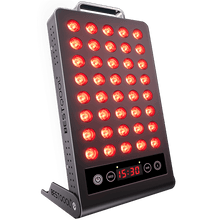
Panels (small to full‑body) |
Larger body areas, whole‑body wellness routines |
Highest total light output, flexible positioning |
Bulky, fans can wear, power supplies more complex |
Caps and helmets |
Hair thinning and scalp circulation |
Delivers light through hair, convenient daily wear |
Fit and cleanliness matter; need to verify laser vs LED safety |
Mats and beds |
Relaxed, lying‑down sessions, broad exposure |
Very convenient for systemic sessions |
Usually expensive; logistics of shipping used units are harder |
Consumer and professional buyer’s guides consistently emphasize that larger, high‑LED panels deliver more total light energy and often better outcomes for whole‑body goals, while small devices are perfectly adequate for localized issues if their power is sufficient. Face masks, wraps, and caps are really specialized shapes of the same basic technology—LEDs or low‑level lasers—designed to make regular use more realistic.
If you mainly want to address facial skin and can commit to short daily sessions, a second‑hand LED mask from a reputable, FDA‑cleared brand can be a great value. If your priority is chronic back pain or multiple sore joints, a used panel or a high‑quality wrap may be more appropriate. For systemic wellness claims, serious hobbyists often combine a full‑body panel setup with targeted devices, but that usually makes more sense with new hardware and strong warranty backing.
Step Three: Understand The Specs That Really Matter
Once you know the type of device you want, the next step is to read beyond marketing language and into the specifications. This is where many second‑hand buyers either win or lose.
Wavelengths are the foundation. Multiple technical reviews and manufacturer guides converge on two main bands as particularly effective for photobiomodulation: red light around 630–670 nanometers and near‑infrared light around 810–850 nanometers. Some detailed sources highlight specific peaks like 635, 670, 810, and 830 nanometers as especially bioactive. In contrast, wavelengths around 728–730 and certain high‑infrared outputs, such as 980 nanometers, are considered less efficient for the classic mitochondrial and healing targets.
When evaluating a used device, confirm that the exact wavelengths are disclosed, ideally in the original manual or on the manufacturer’s website. If the seller cannot provide that information, or if the product only says vague things like “deep red glow,” that is a meaningful red flag.
Irradiance is the next key concept. This is the amount of light power reaching a square centimeter of skin, usually expressed in milliwatts per square centimeter (mW/cm²). Several expert buyer’s guides note that for targeted devices, a minimum irradiance around 100 mW/cm² at a realistic treatment distance can make sessions efficient. Other consumer education pieces explain that irradiance lower than about 30 mW/cm² typically requires very long sessions, while mid‑range outputs around 30–80 mW/cm² are often comfortable and effective for at‑home facial routines, as long as the light is evenly distributed.
Total dose, usually measured in joules per square centimeter (J/cm²), is what your tissues actually “see.” Dose equals irradiance multiplied by time, adjusted for units. One detailed guide gives the example of a device delivering about 150 mW/cm² at roughly 6 inches from the skin for 10 minutes, corresponding to about 90 J/cm² to that area. In a full‑body setup, that translates into many thousands of joules delivered per session.
For second‑hand shopping, the practical lesson is this: numbers matter, but only when they are honest. Look for brands that have independent third‑party testing of irradiance rather than just very high claims with no test distance or method. Be wary of used devices that advertise extreme power without credible data, because more is not always better and can increase heat and discomfort without improving outcomes.
LED count and coverage area also matter. Aesthetic and device‑maker sources point out that more LEDs across a given area generally mean more uniform light and shorter sessions. One commercial system compares a head with more than ten thousand LEDs to competing designs with under two thousand. For at‑home masks, some skin‑focused experts suggest at least several hundred LEDs to avoid “dark” areas where skin receives much less energy. When buying second‑hand, ask for photos of the device lit up to make sure you do not see obvious dead zones.
Quality and safety certifications are your next filter. Many clinical and consumer guides recommend prioritizing devices that are FDA‑registered or FDA‑cleared for specific indications, and that follow good manufacturing practice standards. Brands that share peer‑reviewed studies or real‑world test data are preferable to those that only rely on influencer testimonials. Some established devices carry multi‑year warranties and are built for lifetimes over 50,000 hours of operation, which is part of why they remain good candidates for second‑hand ownership.
Finally, look at comfort, noise, and practical design. Comprehensive panel reviews highlight considerations like fan noise, ease of mounting, and the ability to expand with modular units over time. LED mask guides emphasize ergonomic fit, lightweight construction, skin‑safe silicone, and even eye comfort. All of those traits remain important when a device is second‑hand because they determine whether you will actually stick with your routine.

Step Four: Second-Hand Specific Checks I Recommend
When I help someone evaluate a second‑hand device, I treat it like buying a used car, just on a smaller scale. You want to confirm identity, health, mileage, and safety.
Begin with identity. Ask the seller for the brand, exact model, and, if possible, a clear photo of the label and serial number. With that information, you can look up the official specifications, confirm whether the device is FDA‑cleared or registered, and cross‑check the wavelengths and power outputs. If the model cannot be found on the manufacturer’s site anymore, there is a risk that it is very outdated, unsupported, or was never an authentic unit.
Next, ask about usage history. You want to know roughly how long they have owned it, how often they used it, and whether it was used in a home, spa, or clinic. Because high‑quality LEDs are rated for many thousands of hours, a year or two of normal personal use is usually not a concern from a light‑output standpoint, but heavy commercial use combined with poor maintenance can wear out fans, power supplies, and moving parts.
Visual inspection is essential. In photos or an in‑person meeting, look for cracks in plastic housings, frayed cords, discoloration from heat, and signs of DIY repair. For masks and wraps, pay close attention to straps, hinges, and silicone surfaces around the eyes, nose, and mouth. These areas take the most stress and are hardest to disinfect if they are deeply worn or cracked.
Whenever possible, see the device powered on. You want to watch it run for at least several minutes. Observe whether all zones light evenly, whether any LEDs flicker or fail intermittently, and whether the cooling fans sound normal rather than grinding or rattling. A light hum from fans is expected in many panels, but loud scraping noises or sudden shut‑offs suggest that internal components are failing.
Hygiene is another layer. With face masks, caps, and anything that touches bare skin, ask how the previous owner cleaned the device and how often. Many brands recommend wiping surfaces with alcohol‑based wipes that are safe for skin‑contact materials. If a used mask smells strongly of perfume, smoke, or mildew, or if the silicone is stained or sticky, I advise passing. For scalp devices, pay attention to cleanliness of the interior where sweat and hair products can accumulate.
Finally, clarify the current warranty status. Some brands explicitly allow transfer of the warranty to a new owner with proof of purchase; others limit coverage to the original purchaser. Even if the manufacturer does not formalize transfers, knowing that a device originally carried a two‑ or five‑year warranty is still a positive indicator of underlying build quality, especially compared with devices that only had a 30‑ or 60‑day guarantee when new.

Step Five: Red Flags That Tell You To Walk Away
Not every bargain is worth the risk. Over time, several patterns have stood out when I review listings with clients.
Be cautious when the seller cannot clearly state the wavelengths or pretends that such data do not matter. As the evidence shows, specific bands in the red and near‑infrared range drive biological effects, and devices with off‑target wavelengths or poorly tuned outputs may look bright without being therapeutic.
Be wary of unbranded or “white‑label” lights with grand claims but no independent validation. Multiple buyer’s guides warn that wattage numbers and exaggerated irradiance claims are frequently used in marketing but do not reflect real energy delivered to the skin. If a used device only highlights electrical wattage, says nothing about mW/cm² at a given distance, and comes from a brand with no track record, your chance of underpowered performance is high.
Treat overly aggressive health claims as a serious warning. When sellers promise that a panel will cure chronic diseases, reverse severe medical conditions, replace medications, or produce dramatic results in a few days, they are stepping far beyond what good clinical evidence supports. Reputable companies and clinicians tend to emphasize gradual, moderate improvements over weeks to months and clearly state that red light therapy should complement, not replace, proper medical care.
Pay attention to safety labeling. Some at‑home devices use LEDs; others use low‑level lasers. A University of Houston team studying red laser devices for children’s myopia found that having kids stare into a red light for several minutes, twice a day, brought retinal exposure at or above recommended safety limits. Those devices were technically classified as safe for accidental brief viewing, not for intentional prolonged staring. While most cosmetic and pain‑relief devices are LED‑based and used off‑axis, this research is a reminder not to buy unknown laser devices that require direct eye exposure, especially for children.
Lastly, trust your intuition about the seller. If they refuse to provide basic information, push you to pay quickly, or seem unfamiliar with the device beyond marketing language, it is better to skip the deal and keep looking. There are plenty of legitimate open‑box and used options from credible sources.
How To Use a Second-Hand Red Light Device Safely Once It Arrives
Assuming you have chosen a good device, there are several steps I recommend before settling into a long‑term routine.
Start with cleaning and setup. Wipe down any surfaces that touch skin with a suitable disinfectant recommended by the manufacturer. For masks or wraps, make sure all straps, closures, and pads are secure and comfortable. For panels, ensure stable mounting or placement so the device cannot tip over during use.
Review the official manual if you can access it. Many reputable brands publish manuals online, including recommended distances and session times. Several clinical and consumer guides converge on an initial routine of about 10–20 minutes per area, roughly three to five times per week, at a distance of about 6–12 inches from the skin. Higher‑powered devices sometimes suggest shorter sessions, and some pain‑focused panels allow up to twenty or thirty minutes one or two times per day, but more time is not always better. Overuse can lead to skin irritation, warmth, or headaches without deeper benefits.
Protect your eyes. Even though most red light therapy devices avoid ultraviolet light and excessive heat, staring directly into bright LEDs at close range is unnecessary and uncomfortable. Many sources recommend closing your eyes during facial treatments and using provided goggles or eye protection, especially at higher intensities. If you have a history of eye disease, migraines triggered by light, or are on medications that increase light sensitivity, talk with your eye doctor or primary care provider before beginning regular sessions.
Prepare your skin properly. Guides for home red light use consistently recommend starting with clean, dry skin, free of makeup, thick oils, or strong exfoliating acids. Hydrating products containing hyaluronic acid or gentle antioxidants can be compatible, but retinoids and harsh acids can make skin more reactive. Applying those immediately before light sessions is generally not advisable unless a dermatologist has explicitly guided you to do so.
Begin with conservative dosing and build gradually. For the first couple of weeks, I usually suggest using the lower end of the manufacturer’s time range and monitoring your skin and symptoms. Take photos of your face or affected areas under similar lighting every week or two, and keep a simple log of pain scores or sleep changes if those are your goals. Most credible sources emphasize that benefits for skin, pain, or hair develop over weeks to months, not overnight.
Finally, integrate red light therapy into a broader wellness plan rather than setting it up as a hero on its own. Good sleep, nutrition, movement, and appropriate medical care still do the heavy lifting. A well‑chosen light device, even second‑hand, can be a valuable supporting tool, but it should not be your only strategy.
When Buying New May Be the Healthier Choice
There are situations where I urge people to skip the second‑hand market and buy new from a reputable brand.
If you have serious or complex health conditions, such as autoimmune diseases, active cancers, or significant eye or neurological disorders, the extra assurance of a new, properly documented, FDA‑cleared device, with full manufacturer support, is usually worth the added cost. That structure makes it easier for your healthcare team to review specifications and integrate light therapy safely with your other treatments.
If you are highly sensitive to environmental factors like noise, flicker, or electromagnetic fields, newer panels that have been independently tested for low flicker and low EMF often perform better than older generations. Several long‑running evaluators of red light panels note that cheap or early devices can have noticeable flicker or higher EMF output, which some people find uncomfortable.
If you cannot confirm key details about a used device—wavelengths, irradiance, safety certifications, and basic condition—buying new may actually be cheaper than paying for something that never delivers therapeutic doses. It is far better to own one solid, well‑specified panel or mask than a closet full of dim, bargain‑bin gadgets.
And if you know you are someone who benefits from long warranties and straightforward customer service, a new device from an established brand with a multi‑year warranty and a clear return policy removes a lot of stress. Some companies back their devices with two‑ to five‑year warranties and generous money‑back guarantees; even if you never need them, that level of confidence usually reflects underlying engineering quality.
FAQ: Common Questions About Buying Used Red Light Therapy Devices
Will a second-hand red light therapy device be less effective than a new one?
If the device is high‑quality, uses evidence‑aligned wavelengths, and all LEDs and internal components are functioning properly, a lightly used unit can deliver the same light dose as a new one. LED lifespans are very long compared with typical home usage patterns. The main differences are potential wear on physical parts, reduced or absent warranty coverage, and the risk that you are buying an underpowered or poorly specified design if you skip the checks described earlier.
Can red light therapy devices wear out or lose power over time?
All electronics age, but well‑built LED devices are designed for long service. Some manufacturers cite estimated lifetimes of more than 50,000 operating hours. For perspective, using a device for twenty minutes per day every day for ten years is still well under 1,300 hours. Fans, power supplies, and straps tend to fail long before LEDs lose meaningful output. That is why, when buying second‑hand, you focus on build quality, condition, and brand reputation as much as on raw light output.
Is it safe to buy a used device for my face or scalp?
It can be, as long as you account for both hygiene and light safety. From a hygiene standpoint, look for devices with cleanable, non‑porous surfaces such as medical‑grade silicone and plan on a thorough cleaning before your first use. From a safety standpoint, stick with LED‑based devices from reputable brands that disclose their wavelengths and have appropriate safety clearances, and follow standard advice to avoid direct eye exposure. Avoid unknown laser devices that involve staring directly into a beam, especially for children, until stronger safety data are available.
At‑home red light therapy can be a powerful, low‑risk ally when it is matched to realistic goals, grounded in real science, and used consistently. A carefully chosen second‑hand device can absolutely fit that picture, trimming cost without sacrificing safety or effectiveness. If you stay curious, ask good questions, and keep your healthcare team in the loop, you can build a red light routine that supports your skin, your comfort, and your long‑term wellness in a thoughtful, sustainable way.
References
- https://lms-dev.api.berkeley.edu/red-light-tjerapy
- https://pmc.ncbi.nlm.nih.gov/articles/PMC3926176/
- https://aichat.physics.ucla.edu/Download_PDFS/publication/YCvxS1/AriWhittenRedLightTherapyRecommendations.pdf
- https://sce.nau.edu/capstone/projects/ME/2025/F24toSp25_Tensegrity/CapstoneWebsiteDocuments/Presentation%201.pdf
- https://med.stanford.edu/news/insights/2025/02/red-light-therapy-skin-hair-medical-clinics.html
- https://www.uh.edu/news-events/stories/2024/january/01292024-ostrin-red-light-therapy-danger-eyes.php
- https://aestheticbureau.com.au/five-factors-to-consider-when-choosing-a-red-light-therapy-device/?srsltid=AfmBOopMkcXJGFEjLrZYPB_jD-OIH_N3tT3O8kJkk-VRBZnZPuF3AEot
- https://hoogahealth.com/collections/open-box-used?srsltid=AfmBOops7GaoP7-UESB8B9rjxrp_E3OQy_Xnp7qseoWICmHOi8vJXjWx
- https://innergydev.com/how-to-choose-a-red-light-therapy-device/
- https://www.lighttherapyinsiders.com/how-to-choose-a-red-light-therapy-device-complete-guide/


 Small
Small

 Moderate

 Moderate

 Moderate

 Full
Full

