
Yes, it may worsen symptoms for some people---especially if heat is a personal rosacea trigger. A device described as "red light" or "near-infrared" should not automatically be assumed to be non-heating or appropriate during an active flare.
That does not mean red or near-infrared exposure will trigger every person with rosacea. Triggers vary widely between individuals. But if a session is followed by more flushing, warmth, burning, stinging, persistent color change, bumps, or eye irritation, treat that as a reason to pause rather than push through.
Heat is a commonly reported rosacea trigger. In a survey of 424 people with rosacea, 56% reported flares from indoor heat, 55% from heat generated by heavy exercise, and 53% from hot baths, according to the National Rosacea Society's survey report. Those figures do not test red-light devices specifically, but they show why device warmth matters for heat-sensitive skin.
Recognize the Difference Between Warmth and a Flare
A brief sensation of warmth is not, by itself, proof that light therapy caused harm. Rosacea can cause warmth, flushing, burning, and stinging even without device use. On darker skin tones, warmth on the cheeks may be the most noticeable sign of flushing rather than visible color change.
A possible flare may involve one or more of the following:
- New or increasing facial warmth, burning, or stinging
- Redness, violet or brown discoloration, or color that lasts longer than usual
- New acne-like bumps or pustules
- More visible facial vessels
- Dryness, roughness, or heightened sensitivity to ordinary skin care or even water
These are recognized rosacea signs, described by the American Academy of Dermatology. They cannot prove that a device caused the reaction, but a consistent worsening pattern after exposure is meaningful information for you and your dermatologist.
Do not assume another person's experience predicts yours. As the American Academy of Dermatology notes about rosacea triggers, what causes one person's flare may not affect another person.
Red Light, Near-Infrared, IPL, Lasers, and Heat Therapy are Not the Same

It is easy to group every light-based treatment together, but their energy delivery, intended use, heat profile, and clinical context can differ substantially.
- Red and near-infrared photobiomodulation generally refers to lower-power light protocols studied for biological effects.
- IPL uses broad-spectrum pulsed light and is not the same as a red LED or near-infrared photobiomodulation session.
- Vascular lasers and other laser-based treatments use different technologies and clinical parameters.
This distinction matters because a benefit or adverse event reported with one modality does not establish the same outcome for another. A 2025 case report described acute rosacea aggravation after improperly applied IPL, including persistent erythema, swelling, pustules, burning, and pain. That IPL case report cannot quantify the risk of IPL, and it does not show that at-home red or near-infrared photobiomodulation causes the same reaction.
Likewise, a photobiomodulation study in a mouse model found reduced rosacea-like inflammation using 590 nm and 830 nm light. That is not evidence that red-light therapy safely or effectively treats rosacea in people. The mouse-model research also does not validate home-device settings, use during active flares, or any universal treatment plan.
Why Near-Infrared and Device Warmth Deserve Caution

Near-infrared exposure is often discussed alongside red light, but "near-infrared" does not mean "heat-free" for every person or device setup. A session's effect can depend on the device, wavelength mix, output, treatment distance, session duration, room temperature, ventilation, and your own tendency to flush.
The available rosacea photobiomodulation animal research included 830 nm near-infrared light but did not report skin-temperature measurements. Therefore, it does not show whether near-infrared exposure heats rosacea-prone human skin enough to provoke flushing.
For someone whose rosacea is reliably triggered by warmth, the practical question is not only, "What color is the light?" It is also, "Does this specific session leave my skin warmer, more flushed, or more reactive?"
When to Pause and Ask a Dermatologist First
Do not use an active flare as a test session. Pause treatment and seek individualized dermatology advice before starting or resuming if you have:
- Active facial burning, stinging, flushing, or new bumps
- Recent sunburn or visibly irritated, damaged, or unusually dry skin
- A recent facial procedure, especially if your skin has not returned to its usual baseline
- A known photosensitivity condition
- Medication concerns that could affect how your skin responds to light or irritation
- Eye symptoms, including light sensitivity, red eyes, burning, soreness, or vision changes
Burning and stinging can be part of rosacea itself and do not automatically indicate a light reaction. Still, active sensitivity makes it harder to tell whether a device is aggravating your skin. Background discussion in rosacea photobiomodulation research also notes that high-energy light-based devices may be poorly tolerated during exacerbations, particularly when inflammation and barrier impairment are present. That caution should not be converted into a home-device protocol, but it supports a conservative approach during a flare.
If You Proceed, Keep the Approach Conservative

If a clinician considers use reasonable and your skin is calm, follow the exact, verified instructions for the specific device. Do not create your own universal "safe" distance, duration, cooling method, or schedule.
A cautious approach includes:
- Confirm the device's stated wavelengths, treatment distance, session length, ventilation guidance, contraindications, and eye-safety directions.
- Stay within the manufacturer's instructions rather than extending sessions because the device feels tolerable at first.
- Avoid adding unverified cooling, occlusion, topical products, or other changes that could make a reaction difficult to interpret.
- Pay attention to heat buildup during the session and to delayed worsening afterward.
- Keep notes on exposure and symptoms if you are trying to identify a personal trigger pattern.
Eye protection should follow the device-specific instructions. Rosacea can affect the eyes, causing dryness, grittiness, itching, tearing, burning, soreness, light sensitivity, red eyes, or visual changes. Do not dismiss new eye discomfort as a normal part of facial light exposure.
Stop Use and Seek Medical Advice for Concerning Symptoms
Stop treatment promptly if you develop persistent worsening of redness or warmth, marked burning or pain, swelling, blistering, a severe rash, new or worsening pustules, or eye symptoms.
Contact a dermatologist for persistent or significant skin worsening. Seek prompt medical evaluation for visual changes or severe eye symptoms.
FDA Status is Not Proof of Rosacea Suitability
Do not rely on a general statement about FDA registration, listing, clearance, or approval as proof that a red-light device is appropriate for rosacea or safe during an active flare.
The available evidence does not establish that FDA registration or clearance makes a red-light device safe or effective for rosacea. Regulatory status and intended use are device-specific. If a device makes an FDA-related claim, verify the exact model and the exact stated indication in its official documentation. A regulatory label should not replace assessment of your flare status, heat sensitivity, eye symptoms, or dermatologist's advice.
If your skin is actively flaring, burning, or stinging---or if heat reliably triggers your rosacea---pause before exposure and consult a dermatologist. If use is considered reasonable, stay within the device's verified instructions, monitor closely for worsening symptoms, and stop if irritation occurs.


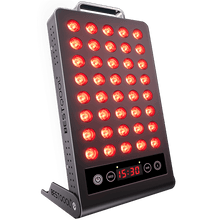
 Small
Small

 Moderate

 Moderate

 Moderate

 Full
Full

