

If you are exploring options for smoother skin, fewer breakouts, or softer scars, you have probably seen glowing reviews of both LED red light therapy and laser treatments. The challenge is that they are often lumped together as “light therapies,” even though they work in very different ways, feel different on your skin, and carry different levels of risk, cost, and evidence.
In this guide, I will walk you through what reputable medical centers and clinical studies actually show about LED red light therapy and laser-based treatments, where each approach tends to shine, where the evidence is thin, and how to think about your own decision in a practical, compassionate way. My goal is not to push you toward a device or a procedure, but to help you ask better questions and choose a path that fits your skin, your health, and your daily life.
The Basics: How Light Changes Skin
Red light therapy belongs to a broader field called photobiomodulation. Researchers at institutions such as Stanford Medicine and Harvard Health describe photobiomodulation as using specific wavelengths of light to alter cellular activity without burning or cutting the skin. In simple terms, the light is a signal, not a weapon.
By contrast, many cosmetic laser procedures rely on a principle called selective photothermolysis. As described in dermatology research, shorter wavelengths at higher intensities can be tuned to heat and destroy specific targets such as pigment or damaged collagen. Ablative and non‑ablative lasers deliberately injure parts of the epidermis or dermis to trigger a repair response. That intentional injury is what makes them powerful but also why they can cause pain, inflammation, and social downtime.
LED red light therapy sits firmly on the gentler end of this spectrum. Laser-based treatments span both ends, from low‑level lasers used similarly to LEDs to more aggressive resurfacing lasers that vaporize or heat tissue.
Understanding that difference in philosophy is the key to understanding how their effectiveness compares.
What Is LED Red Light Therapy?
Major health systems such as Cleveland Clinic and Harvard Health define red light therapy as the use of low‑power red or near‑infrared light, delivered by LEDs or low‑level lasers, to improve skin issues such as wrinkles, scars, and acne. Unlike ultraviolet light, red and near‑infrared wavelengths do not tan or burn the skin and have not been shown to cause skin cancer in current research.
Typical therapeutic red wavelengths fall around 630 to 670 nanometers, with near‑infrared commonly around 810 to 850 nanometers. Studies and expert pieces consistently describe several core mechanisms.
First, the light interacts with mitochondria, the “power plants” of the cell. This appears to boost cellular energy (ATP), which in turn can stimulate fibroblasts, the cells that make collagen and elastin. Clinical work published on red LED masks, including a small French study using a 630 nanometer home mask twice a week for three months, has shown progressive improvements in wrinkles, firmness, and dermal density, with benefits persisting for at least a month after stopping.
Second, red and near‑infrared light modulate inflammation. Articles from dermatology and wellness clinics point to reductions in inflammatory markers and improved blood circulation, which can calm redness and support healing in conditions such as acne, rosacea, and eczema.
Third, red light therapy supports tissue repair and wound healing. Cleveland Clinic and Harvard Health highlight research showing faster healing of wounds and scars, as well as better texture and tone, when appropriately dosed regimens are used over weeks to months.
LED delivery is usually non‑thermal and painless. People generally feel gentle warmth at most. Cleveland Clinic and other sources emphasize that at‑home devices tend to be lower power than in‑office panels or masks, which means they may deliver more modest changes and demand more frequent, consistent use, often several times a week for many weeks.

What Are Laser Treatments?
“Laser treatments” is a broad term. The research summarized here touches on three main kinds of laser‑related approaches.
One is photodynamic therapy, where low‑power red lasers are combined with a topical drug to destroy abnormal cells. According to Cleveland Clinic and Stanford Medicine, this combination is used for precancerous and early thin skin cancers, and also for conditions like psoriasis, acne, and warts. The laser’s role is to activate the drug and selectively kill the targeted cells.
A second category is resurfacing or rejuvenation lasers. A large polychromatic photobiomodulation study notes that conventional ablative and non‑ablative lasers, as well as intense pulsed light (IPL), intentionally injure the epidermis or dermis to stimulate repair. These are the classic “resurfacing” procedures used for wrinkles, sun damage, and some scars. Because they injure tissue, they are associated with pain, inflammation, and social downtime, which is one reason photobiomodulation has been explored as a way to reduce their side effects.
A third category is laser treatments for scars, tattoos, and pigment problems. The American Academy of Dermatology directs patients seeking scar improvement to learn key facts before having laser procedures and describes laser tattoo removal as more effective than many alternative methods. While specific numbers are not provided in these notes, the messaging makes clear that lasers are a mainstay in these more intensive applications.
In practice, that means lasers are often used when a dermatologist or plastic surgeon aims to destroy or remodel specific tissue quickly, whereas LED red light is used when the priority is gentle support, healing, or subtle rejuvenation.
How Effective Is LED Red Light Therapy?
Skin Aging: Wrinkles, Firmness, and Texture
Multiple clinical and laboratory studies, including work reviewed by Stanford Medicine and Harvard‑affiliated experts, show that well‑designed red light regimens can modestly reduce wrinkles and improve overall skin quality.
In the French home‑mask study mentioned earlier, twenty adults between forty‑five and seventy used a 630 nanometer LED mask for twelve‑minute sessions twice a week over three months. Objective measurements showed reductions in crow’s‑feet wrinkle depth, improved firmness and elasticity, denser dermis on ultrasound, and more even complexion. Participants and dermatologists both reported that the skin felt and looked better, and these improvements persisted for at least a month after stopping the mask, suggesting real structural change rather than a temporary plumping.
Another large trial with more than one hundred volunteers tested full‑body polychromatic red or red‑plus‑near‑infrared light twice weekly for thirty sessions. Compared with an untreated control group, those receiving red light reported better complexion and skin feel, and imaging showed smoother skin and increased collagen density. Interestingly, the broader spectrum that extended further into near‑infrared did not show a clear advantage over optimized red light alone, underscoring that dose and wavelength matter more than how “fancy” the spectrum looks on paper.
Dermatology practices interviewed in several articles echo these findings in a qualitative way. They describe red LED phototherapy as a non‑invasive, painless option that can soften fine lines, improve firmness, and brighten dull skin, especially when combined with good skincare and other treatments. However, Cleveland Clinic makes an important point: many studies are small or lack gold‑standard placebo controls, and overall evidence remains limited. The benefits are real but modest, and results vary by device, dosing, and individual skin.
Acne and Active Breakouts
For acne, red light is usually combined with blue light.
Blue wavelengths around 405 to 420 nanometers target acne‑causing bacteria in the pores. According to dermatology practices and review articles, these bacteria produce porphyrins that absorb blue light and generate reactive molecules that destroy the bacteria without damaging surrounding tissue. Red light, meanwhile, penetrates deeper to reduce inflammation, support healing, and stimulate collagen.
A dermatology group that uses combined red and blue treatments cites a twelve‑week study where inflammatory lesions dropped by roughly three‑quarters and non‑inflamed lesions by about sixty percent. Another acne‑focused article notes that clinical‑style protocols with twelve red light sessions in mild‑to‑moderate acne produced dramatic lesion reductions without reported complications, and that photodynamic therapy combining red light with aminolevulinic acid has achieved very high clearance rates in some cohorts.
Consumer‑oriented clinics and wellness centers tend to converge on practical timelines. Many people start to notice improvements after four to six weeks of regular sessions, whether in‑office two to three times a week or at home with FDA‑cleared masks or wands. Red light also appears to help soften the look of acne scars over time by supporting collagen remodeling, especially when used consistently for months.
All of that said, Cleveland Clinic and WebMD stress that red light therapy is best framed as a useful tool, not a stand‑alone cure. It works well as a complement to dermatologist‑prescribed topicals or medications and as a maintenance strategy. For severe or scarring acne, traditional medical treatments still carry stronger evidence.
Acne Scars and Other Scars
Several sources focus specifically on scars. Educational pieces from LED device companies and clinics, referencing clinical work, describe red and near‑infrared light as helping break down scar tissue, shrink raised areas, and support more even collagen rebuilding. The mechanisms are in line with what we have already discussed: improved circulation, more balanced collagen production, and reductions in inflammatory signals that can otherwise lead to thick, stubborn scars.
Clinical‑style descriptions from scar‑focused brands and higher‑level sources like Stanford Medicine agree that while red light can speed early healing and may improve short‑term scar appearance, long‑term differences can be more subtle. In eyelid surgery studies, for example, one trial showed only a small, statistically non‑significant advantage for red light, while another showed faster early healing that evened out by six weeks. That suggests that red light may primarily help in the early remodeling phase or in how quickly you get through the “angry” red stage, more than radically changing the final scar in every case.
Where LED red light therapy clearly stands out is in comfort and safety. It is non‑ablative and well tolerated across skin types when used properly. Plastic surgeons and dermatologists highlighted in scar‑oriented pieces frequently recommend red LED therapy after procedures to support healing and minimize scar formation, precisely because it does not add trauma on top of trauma.
Hair Growth and Non‑Skin Uses
Red light therapy has also been studied for hair thinning and several non‑skin conditions. U.S. regulators have cleared red light combs, caps, and helmets for certain patterns of hereditary hair loss. UCLA Health notes that repeated treatments can regrow hair and increase thickness and length, and some data suggest that low‑level light therapy can perform about as well as topical minoxidil in pattern hair loss.
For other health claims such as chronic pain, cognitive decline, or sleep, both UCLA Health and WebMD describe the evidence as promising but preliminary. Some small dementia studies using intranasal or transcranial red light showed cognitive improvements without significant side effects, and reviews of pain conditions report short‑term relief in various musculoskeletal problems. However, benefits often fade when treatment stops, and long‑term safety and ideal dosing are still being studied. Major academic centers consistently caution against viewing red light as a cure‑all for systemic diseases.
How Effective Are Laser Treatments?
Because the research notes provided here focus primarily on red light and photobiomodulation, they do not include large head‑to‑head trials directly comparing lasers and LEDs. Instead, they show that lasers fill different niches, often when more aggressive remodeling or cell destruction is needed.
For example, photodynamic therapy with low‑power red lasers and a photosensitizing drug is an established treatment for precancerous skin lesions and some early skin cancers. In these protocols, the goal is to kill abnormal cells, something that red light alone does not do.
Traditional ablative and non‑ablative lasers and IPL systems are used for skin rejuvenation, deeper wrinkles, and some pigment or vascular issues. Research summarizing polychromatic red light explicitly contrasts these modalities: lasers and IPL intentionally injure the epidermis or dermis to drive repair and are associated with pain, inflammation, and social downtime, while non‑thermal red light is atraumatic and has even been used to reduce laser side effects.
The American Academy of Dermatology’s patient resources highlight lasers as important tools for tattoo removal and for improving noticeable scars. While this summary does not include specific outcome numbers, the emphasis on planning and safety underscores that laser procedures are powerful interventions that warrant medical oversight and thorough consultation.
In other words, lasers are not “stronger red light therapy.” They are a different category of treatment that uses higher energy and often different wavelengths to deliberately damage tissue in a controlled way. That design can make them very effective for specific, more severe problems, but it also explains why they involve more risk and recovery than LED‑based photobiomodulation.
Side‑by‑Side Comparison: LED Red Light vs Lasers
|
Aspect |
LED Red Light Therapy (LED or Low‑Level Laser) |
Laser Treatments (Resurfacing, Photodynamic, etc.) |
|
Primary action |
Modulates cell activity and signaling to support healing, collagen production, and reduced inflammation without intentional tissue destruction |
Uses higher‑intensity light to heat or destroy targeted cells or structures, or to activate a photosensitizing drug |
|
Sensation and downtime |
Non‑invasive, generally painless, no peeling or open wounds, no social downtime reported in the studies summarized here |
Often associated with pain or burning sensation during or after treatment, visible redness or crusting, and social downtime as noted in photobiomodulation research |
|
Best‑supported uses in these notes |
Modest improvements in wrinkles, firmness, texture, acne and acne scars, early wound and scar healing, some hair loss, and adjunct support after procedures |
Treatment of precancerous lesions and some early skin cancers in photodynamic protocols, tattoo removal, and improvement of noticeable scars and more severe photoaging under specialist care |
|
Treatment setting |
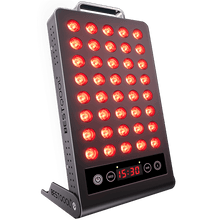
Widely available as at‑home masks, panels, wands, and in‑office LED panels; at‑home devices are generally lower power |
Performed in dermatology or plastic surgery offices or specialized clinics with medical‑grade equipment |
|
Safety profile |
Short‑term safety is considered good when directions and eye protection are followed; major centers note minimal serious side effects at appropriate doses, but evidence quality varies and long‑term data are still limited |
Safety depends heavily on device, settings, skin type, and operator skill; risks include burns, pigment changes, and scarring, which is why professional consultation is essential |
|
Role in treatment plans |
Often used as a gentle first‑line or supportive option and as an adjunct to other treatments such as microneedling, peels, or even lasers |
Used when more dramatic structural change or cell destruction is desired, often for more severe or specific problems |
This comparison reflects the way the therapies are described in the available research and expert commentary rather than implying that one is universally “better” than the other.
Which Option Fits Which Skin Goal?
Mild to Moderate Aging and “Tired” Skin
For concerns like early fine lines, mild laxity, dullness, and uneven tone, the balance of evidence in these notes favors starting with LED red light therapy, especially when you want something non‑invasive with no downtime.
Home and in‑office studies show progressive improvements in wrinkles, firmness, dermal density, pore appearance, and overall complexion over two to three months with two or more sessions per week. Harvard Health and Stanford Medicine both emphasize that results are gradual and modest, and that realistic expectations and consistency are crucial.
Laser resurfacing may be considered when wrinkles or texture changes are deeper and more resistant. Although the detailed laser outcome data are not included in these notes, the very fact that lasers are designed to injure tissue and require recovery suggests they are reserved for situations where more aggressive remodeling is justified. In many practices, red light therapy is then layered in to support healing after laser sessions, not to replace them.
Acne and Oily, Inflamed Skin
For active acne, especially mild to moderate cases, the notes present the strongest data for combined blue and red LED therapy.
Dermatology practices cite studies where twelve weeks of combined blue and red light cut inflammatory lesions by about three‑quarters. Clinical and clinic‑based summaries agree that blue light helps kill acne bacteria in the sebaceous glands, while red light calms inflammation, speeds healing, and may help prevent or lessen scarring. Red and blue LED treatments are also highlighted as painless options with minimal downtime, which makes them attractive for teens and adults who have struggled with drying or irritating topical regimens.
Laser‑based therapies do appear in the acne conversation mainly in the form of photodynamic therapy, where red light and a topical drug combine to destroy oil glands and bacteria. One article summarizing research notes that this approach has produced very high clearance rates in some studies. However, photodynamic therapy carries more potential for side effects and requires careful medical selection and supervision, which is why many dermatologists reserve it for more difficult cases.
In scars left behind by acne, the pattern in these notes is that red and near‑infrared LED therapy can help soften texture and color over time, while lasers are presented as a more forceful option for deeper or more resistant scars, with organizations such as the American Academy of Dermatology offering detailed scar‑laser guidance. Many plastic surgeons quoted in scar‑oriented pieces use both: lasers to resurface or remodel, and red LEDs to support healing and potentially reduce scar formation.
Wounds, Surgical Recovery, and General Healing
Plastic surgeons and dermatologists referenced in scar and postoperative resources frequently recommend red light therapy soon after procedures, including surgeries, to help control pain, swelling, and early scarring. Clinical evidence cited in these pieces suggests that red LEDs can be used safely in the early postoperative period and may reduce scar severity and speed early healing, although long‑term differences in scar appearance are less clear.
Lasers, in contrast, are typically introduced later in the healing process, when tissues have stabilized and the goal shifts from supporting repair to remodeling an established scar or pigment issue. Again, the themes are consistent: red light supports healing without causing new injury; lasers create controlled injury to change existing tissue.

Safety, Evidence Quality, and Realistic Expectations
Harvard Health, Cleveland Clinic, UCLA Health, Stanford Medicine, WebMD, and other respected organizations all agree on several important caveats.
First, many red light therapy studies are small, short‑term, or lack rigorous placebo controls. There is solid evidence that appropriate red light regimens can improve skin quality and hair growth and that short‑term safety is good, but for many advertised uses, the proof is still incomplete. Researchers are still working to define the ideal wavelengths, power, and schedules for different conditions.
Second, at‑home devices are highly variable. Independent clinical studies often use devices with carefully calibrated irradiance and fluence. In contrast, consumer masks, wands, and panels range widely in wavelength accuracy and power; some deliver much lower doses than the devices tested in research. That does not mean they are useless, but it does mean that marketing claims often outpace data.
Third, more is not always better. In the French LED mask study, sessions were spaced by about seventy‑two hours based on known cellular response patterns, and the total energy delivered per session was carefully calculated. Photobiomodulation follows a dose‑response curve where too little light does nothing and too much can inhibit the very processes you want to support. Overusing a home device in hopes of faster results can backfire.
Fourth, even though red and near‑infrared light do not behave like ultraviolet light, eye protection still matters. Cleveland Clinic, Harvard Health, and WebMD all advise using goggles or shields when treating the face and avoiding looking directly at the light source, especially with higher‑power panels or masks.
Finally, when treatments are marketed as “FDA‑cleared,” it usually means that the device has met basic safety standards, not that its long‑term effectiveness for every claimed benefit has been proven. Large academic centers consistently encourage people to consult a dermatologist or qualified medical professional before investing in devices or booking expensive series of treatments.

Practical Guidance: Choosing Between LED Red Light and Lasers
When you are deciding between LED red light therapy and laser procedures, it helps to clarify a few things with a trusted professional.
If your main concerns are early aging signs, mild acne, or subtle scars, and you want to stay in the lowest‑risk, lowest‑downtime zone, LED red light therapy is usually the more appropriate first step in the evidence summarized here. At‑home devices can cost around one hundred to one thousand dollars according to Baylor Scott and White Health, and in‑office LED add‑ons are often integrated into facials or post‑procedure care. You will need to commit to regular sessions for weeks to months and to pairing the light with a solid skincare routine, including daily sunscreen and gentle, non‑irritating products.
If you have deeper wrinkles, more severe photoaging, prominent scars, or significant pigment issues, a consultation with a board‑certified dermatologist or plastic surgeon is essential. They can tell you whether your goals are more likely to be met with laser resurfacing, photodynamic therapy, or other procedures, and how red light can fit in as a supportive therapy rather than a replacement.
If you are managing medical conditions such as skin cancers, chronic wounds, or systemic issues like arthritis or cognitive decline, it is especially important to treat red light and laser therapies as medical tools, not wellness gadgets. Major centers like UCLA Health and WebMD highlight promising research but also emphasize that long‑term safety, durability of benefits, and ideal dosing are still under investigation.
Above all, if you have darker skin or a history of pigment changes, talk through both options carefully. Harvard Health and UCLA Health note that people with darker skin can be more prone to dark spots and may need lower doses and careful supervision, particularly with visible red light and with any laser procedures.

Practical Tips for Safer At‑Home LED Use
If you and your dermatologist decide that at‑home LED red light therapy is appropriate, a few habits can help you use it more safely and effectively.
Start by choosing a device that is clearly labeled for your concern, such as acne or wrinkles, and that is described as FDA‑cleared rather than simply “FDA approved” or “medical grade.” Trusted sources recommend reading the instructions in full and following the manufacturer’s recommended schedule rather than improvising.
Protect your eyes, even if the device seems gentle. Many masks come with built‑in shields; wands and panels may require separate goggles. Avoid shining the light directly into your eyes.
Build the treatment into a routine that your skin can tolerate. For many people, that means cleansing, applying any hydrating serums that are safe under light, using the device for the specified time, and then applying moisturizer. Clinicians often recommend starting with shorter or less frequent sessions and slowly increasing within the manufacturer’s safe range, watching for irritation.
Finally, continue all the other daily basics that matter at least as much as the device: a broad‑spectrum sunscreen during the day, gentle cleansing, not picking at acne or healing wounds, and getting adequate restorative sleep. Red light can support your skin, but it cannot overcome daily habits that undermine it.

FAQ: Common Questions About LED Red Light and Lasers
Is LED red light therapy as strong as a laser?
Not in the way people usually mean when they say “strong.” Lasers for resurfacing or photodynamic therapy are designed to destroy or significantly injure targeted tissue, which can yield substantial changes but also causes pain and downtime. LED red light therapy, by contrast, is non‑thermal and non‑ablative. It aims to guide the way cells function rather than to burn or cut them. The research summarized here suggests that red light can deliver modest but real improvements for skin quality and healing with a very favorable comfort and safety profile, while lasers are reserved for situations where more aggressive remodeling or cell destruction is necessary.
Can I skip lasers if I use red light therapy consistently?
For mild concerns, many people can make meaningful progress with skincare, sun protection, and red light therapy alone, especially for early fine lines, mild acne, and subtle scars. For deeper wrinkles, significant sun damage, prominent scars, or certain medical conditions, lasers or other medical procedures may still be recommended. The sources reviewed here show red light used most often as a complement, not a replacement, for higher‑intensity treatments in those cases. A dermatologist who can see and feel your skin is best positioned to tell you whether red light alone is a reasonable plan.
Are there people who should avoid red light therapy?
Most medical summaries describe red light therapy as safe for the majority of people when used correctly. However, they advise caution or medical supervision if you have a history of light sensitivity, are taking medications that increase photosensitivity, have a history of skin cancer or certain eye diseases, or have darker skin with a tendency to develop dark spots. People who are pregnant are often included in research on low‑level light without clear harm, but large, rigorous pregnancy‑specific trials are lacking, so it is wise to involve your obstetric provider and dermatologist in the decision.
Closing Thoughts
Light can be either a scalpel or a gentle nudge. Lasers use light more like a surgical tool, cutting or burning in precise patterns to force change. LED red light therapy uses light more like a language, sending signals that encourage your cells to heal, calm, and rebuild. When you understand that difference, it becomes easier to see that these therapies are not enemies but tools that can be combined thoughtfully.
If you stay grounded in evidence from reputable medical sources, respect your own tolerance for downtime and risk, and work with qualified professionals, you can choose a light‑based approach that supports not only how your skin looks, but how you feel living in it.
References
- https://www.health.harvard.edu/staying-healthy/red-light-therapy-for-skin-care
- https://pmc.ncbi.nlm.nih.gov/articles/PMC10311288/
- https://med.stanford.edu/news/insights/2025/02/red-light-therapy-skin-hair-medical-clinics.html
- https://my.clevelandclinic.org/health/articles/22114-red-light-therapy
- https://www.gundersenhealth.org/health-wellness/aging-well/exploring-the-benefits-of-red-light-therapy
- https://www.plasticsurgery.org/news/blog/what-is-led-light-therapy-and-what-are-the-benefits
- https://www.uclahealth.org/news/article/5-health-benefits-red-light-therapy
- https://www.aad.org/public/cosmetic/safety/red-light-therapy
- https://www.bswhealth.com/blog/5-benefits-of-red-light-therapy
- https://www.celluma.com/collections/acne?srsltid=AfmBOorUNX8S9PZDeavzCuc602gLc9pk-sAEURsKgjaqZQMXlwblhieD


 Small
Small

 Moderate

 Moderate

 Moderate

 Full
Full

