

Falling asleep should feel natural, yet for many people it has become a nightly battle. As someone who works with clients using at-home red light therapy for targeted wellness, I see two patterns all the time. First, people are exhausted by poor sleep and hesitant to lean on medications. Second, they are understandably confused by conflicting claims about red light: some sources describe it as a gentle, sleep-friendly tool, while others warn that nighttime red light can keep you wired.
The goal of this article is to cut through that noise. Drawing on published research and expert reviews, I will walk you through how red light interacts with your sleep system, what the evidence actually shows, and which nighttime protocols appear most promising—and safest—for real-world use at home.
Throughout, I will stay anchored to what the science supports today. Red light therapy can be a helpful adjunct for some people, but it is not a magic fix, and in certain forms it can actually make sleep worse. Understanding those nuances is the key to using it wisely.
How Red Light Interacts With Your Sleep System
What Red Light Therapy Actually Is
Most of the devices marketed for red light therapy use what researchers call photobiomodulation. This involves low-intensity red and near-infrared light, generally in the 600–1000 nanometer range. Unlike tanning beds or ultraviolet lamps, these wavelengths do not burn the skin and are designed to act more like a cellular nudge than a sledgehammer.
At the cellular level, these wavelengths are absorbed by structures in your cells called chromophores. One of the best-studied chromophores is mitochondrial cytochrome c oxidase, a key enzyme in energy production. When it absorbs red or near-infrared light, studies summarized by clinical reviewers at News-Medical describe a cascade of effects: increased cellular energy (ATP), modest reactive oxygen species signaling, more nitric oxide, better blood flow, and anti-inflammatory responses. These mechanisms are why red light therapy is relatively well established in dermatology and sports medicine for tissue healing, skin rejuvenation, and recovery.
For sleep, those same mechanisms matter because they may help calm inflamed or painful tissues, support brain recovery overnight, and promote a general “rest and repair” state.
Sleep, Circadian Rhythm, and Light
Your sleep is not just about feeling tired; it is driven by a tightly tuned biological clock. Researchers at Rockefeller University describe an internal circadian system in which light-sensitive cells in the eye send signals to a master clock in the brain, which in turn coordinates clock genes in nearly every cell. This clock influences hormone release, body temperature, immune function, and the timing of sleep.
Two aspects of light are critical here. First is timing: bright light in the morning anchors your clock, while light late at night can push it later. Second is color. Short-wavelength blue light, common in phone and computer screens and many LEDs, is particularly potent at suppressing melatonin, the hormone that signals the body it is time to sleep. Sleep experts at the Sleep Foundation and Healthline highlight that the circadian system is most sensitive to blue light in the 460–480 nanometer range.
Red light, with its longer wavelengths, has a much weaker effect on melatonin and circadian phase. That is why many sleep resources recommend warm or red-toned lighting in the evening instead of bright white or blue-rich light. However, as we will see, “less disruptive than blue” is not the same as “always sleep-promoting.”
A Possible Brain-Cleaning Link
A conceptual review in PubMed Central describes how deep non-REM sleep allows the brain’s glymphatic system to flush metabolic waste products such as beta-amyloid. This cleaning process depends on slow-wave sleep and specialized water channels in the brain. Animal studies suggest that red and near-infrared light can enhance this nocturnal clearance by influencing those water channels and blood flow, at least in experimental models.
These findings are intriguing and help explain why some researchers are testing transcranial red light at night. But they remain largely mechanistic and preclinical; they do not yet give us a ready-made home protocol. For that, we have to look at actual human trials.
What the Science Says About Red Light and Sleep
Studies Suggesting Benefits
Several small human studies suggest that carefully applied red light may improve aspects of sleep, especially in specific groups.
One early clinical example frequently cited by wellness providers and summarized by Healthline followed a small group of female athletes. They received about thirty minutes of red light therapy each night for fourteen days. Compared with a control group, the athletes reported better sleep quality and showed higher nighttime melatonin levels and improved endurance performance. An article from Platinum Therapy Lights also describes this pattern: thirty minutes of nightly red light for two weeks, with self-reported sleep improvements.
Beyond athletes, more recent work has explored people with chronic insomnia. A randomized controlled trial described in a clinic article from a red light center reported that individuals with persistent insomnia who underwent structured photobiomodulation sessions experienced better overall sleep quality, shorter time to fall asleep, and longer total sleep time than controls. Another study cited in the same clinic article looked at people with multiple sclerosis, a condition often accompanied by sleep disturbances, and found that low-level light therapy helped regulate circadian rhythms and improve sleep patterns.
A pilot trial reviewed in that clinic’s article also tested a near-infrared “helmet” in people with dementia, tracking both memory and sleep. The protocol used repeated nighttime sessions and reported improvements in sleep quality and efficiency along with cognitive measures, though the study design was still early-stage.
These studies share a few themes. They use structured, time-limited sessions; the light is delivered to specific body regions (often the head or whole body) rather than lighting the entire room; and participants are monitored in a clinical context. They suggest that, under controlled conditions, red or near-infrared photobiomodulation can modestly improve sleep onset and continuity in some people.
Studies Showing Mixed or Negative Effects
However, not all red light is created equal, and not all studies are positive.
A relatively rigorous trial published in PubMed Central examined how red light before bed affects both healthy sleepers and people with insomnia disorder. Researchers recruited more than one hundred adults and assigned them randomly to one of three conditions: one hour of overhead red light before bedtime, one hour of overhead white light, or sitting in darkness as a control, all at typical bedroom illumination levels. They measured objective sleep architecture with overnight polysomnography and assessed mood and alertness using standard scales.
The results were nuanced—and important for anyone considering bright red lighting at night. In both healthy participants and those with insomnia, one hour of pre-sleep red light increased negative emotions and anxiety compared with both white light and darkness. Subjective alertness increased as well; people felt less sleepy after red light exposure, not more. In healthy sleepers, red light did shorten the time it took to fall asleep compared with white light, but compared with darkness it led to more micro-arousals, a higher proportion of light sleep, shorter total sleep time, and lower sleep efficiency. In participants with insomnia, red light looked somewhat better than white light on some measures, yet still worse than darkness in terms of sleep efficiency and uninterrupted sleep.
The authors concluded that red light can increase anxiety and arousal in ways that directly or indirectly harm sleep, despite its weaker effect on the circadian clock. That is a striking counterpoint to the common assumption that replacing white bulbs with red ones at night is automatically sleep-friendly.
Other research on colored light, summarized by Healthline and device-company blogs, adds more complexity. Some small studies have tested red light delivered through masks or goggles during sleep or upon waking and reported improvements in sleep inertia—the groggy state after waking—and better cognitive performance. At the same time, other laboratory experiments with extended red light exposure directed toward the eyes have linked that light to mood disturbances and increased cortisol. These designs differ from typical home facial masks, which usually run for about ten minutes and often include eye shields, but they reinforce the idea that intensity, duration, and how directly the eyes are exposed all matter.
Expert Reviews and Consensus
When you step back from individual studies and look at reviews by more neutral medical sources, the picture becomes clearer.
A detailed overview from Stanford Medicine explains that modern red light therapy grew out of dermatology and cancer-adjacent treatments. The evidence is strongest for localized skin uses and hair growth, with hundreds of clinical studies in those areas. In contrast, claims that red light reliably improves sleep, chronic pain, dementia, erectile dysfunction, or athletic performance are described as still lacking solid, reproducible clinical evidence. These applications are considered promising but exploratory.
Similarly, an evidence summary from News-Medical notes that while photobiomodulation has plausible mechanisms for influencing circadian rhythms and melatonin, studies on sleep improvement show mixed results. Variations in wavelength, intensity, timing, and participant characteristics make it hard to define an optimal protocol, and large, standardized trials are still needed.
Practical consumer-focused sources such as GoodRx, the Sleep Foundation, and Healthline tend to converge on a cautious message. They highlight that red light is less disruptive to melatonin than blue light and that dim red or amber lighting is preferable to bright white in the hours before bed. They also emphasize that any bright light, even red, can interfere with sleep if it is intense, prolonged, or directed at the eyes. Most importantly, they stress that core sleep hygiene—regular schedules, reducing evening light and screens, limiting late caffeine and alcohol, and treating conditions like sleep apnea—remains the foundation. Red light may be an adjunct, not a substitute for these essentials.
Nighttime Red Light Protocols: Which Approaches Look Most Helpful?
With this context, we can finally tackle the central question: which nighttime red light protocols actually make sense if your goal is better sleep?
The evidence and clinical experience point toward a few practical patterns, while also highlighting approaches that are probably unwise.
Short Evening Red Light Sessions as a Wind-Down Tool
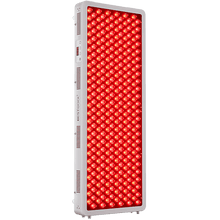
Several wellness clinics and device manufacturers describe a similar evening protocol. They recommend using a red light device during the pre-sleep wind-down period rather than right at the moment of lights-out.
A sports massage clinic that integrates red light reports that clients often notice improvements in pain and sleep within about four to six sessions, with typical use being two or three sessions per week over four to six weeks. A device maker that focuses on stress and sleep suggests using a red light panel for roughly twenty to thirty minutes, ideally one to two hours before bedtime, while dimming overhead lights and minimizing screen exposure. Another brand that centers on circadian support proposes a brief session—around ten minutes—directed at the lower back from a comfortable distance, again about one to two hours before bed, repeated at least several nights per week.
Across these sources, the pattern is consistent. Red light is treated as part of a relaxing evening ritual, used for about ten to thirty minutes, several nights a week, in the hour or two before sleep. The surrounding environment is kept dim and calm, and the session ends at least half an hour before going fully dark.
Mechanistically, this makes sense. Short, localized exposure may help reduce pain and muscle tension, support parasympathetic “rest and digest” activity, and counteract the stimulating impact of blue-rich lighting without bathing the entire visual field in bright light. The modest stress relief that many clients subjectively report is consistent with the anti-inflammatory and circulatory effects described in clinical reviews.
At the same time, these protocols respect the caution from the controlled laboratory trial: they avoid long, bright, overhead red illumination right before bed. Instead, they keep sessions time-limited and separate from actual sleep in a way that allows arousal levels to settle before you get into bed.
Dim Red Ambient Light for Nighttime Visibility
A different, simpler use of red light focuses on ambient lighting rather than therapeutic doses. Sleep scientists and educators frequently recommend using small, dim red or amber lights in bedrooms, hallways, and bathrooms at night so you can move safely without flooding your eyes with bright white or blue light.
Resources from the Sleep Foundation and Healthline describe this as a “less bad” light choice rather than an active therapy. The logic is straightforward. Any bright light at night can wake you up, but blue and bright white are clearly the worst offenders for melatonin suppression and circadian disruption. Dim red or amber lighting produces far less circadian impact and tends to be easier on night vision and eye comfort. That is why red lighting is often used by astronomers and in environments like airplane cockpits where preserving low-light vision is important.
However, here too nuance matters. The lab study that found increased anxiety and fragmented sleep under red light used a relatively bright, room-filling overhead red illumination at bedtime. That is very different from a small, low-intensity night light positioned near the floor. The safest approach is to keep nighttime red lighting just bright enough to see and avoid shining it directly into your eyes.
Daytime and Late-Afternoon Red Light to Support Nighttime Sleep
Several clinics emphasize that the timing of red light may matter as much as whether you use it at all. Articles from chiropractic and sports recovery centers note that daytime red light sessions can help reinforce a healthy circadian rhythm, reduce pain and inflammation, and promote relaxation later in the day. Clients often describe early or mid-day twenty-minute sessions as deeply calming, with sleep improvements emerging gradually as pain decreases and overall stress drops.
One manufacturer that discusses both red and near-infrared light explicitly recommends using near-infrared during the day for recovery and internal organ support and being cautious with near-infrared at night because of its more stimulating, alertness-promoting qualities. They suggest that red wavelengths are better suited to evening use, while near-infrared may be reserved primarily for earlier in the day.
This perspective aligns with broader circadian science highlighting the importance of strong daytime light exposure, of any appropriate color, for anchoring your internal clock. Bright light therapy research in shift workers, summarized in a recent systematic review, shows that well-timed light can meaningfully extend sleep time and adjust circadian phase. Those studies mainly use bright white or blue light as opposed to low-level red, but they reinforce the core idea: get light when you need to be awake, and protect darkness when you need to sleep.
For someone exploring red light on their own, it is reasonable to consider scheduling more intense or longer sessions earlier in the day and reserving only short, gentle red exposures for evening wind-down.
Specialized Clinical Nighttime Protocols
The small trials of red or near-infrared photobiomodulation in people with chronic insomnia, dementia, or multiple sclerosis used specialized setups. For example, some used helmet-like devices that delivered near-infrared light directly to the scalp, often in structured courses over weeks. Others used clinic-grade panels or lasers aimed at specific body areas, with carefully controlled wavelengths and energies.
These protocols are not interchangeable with home cosmetic masks or generic panels. They are typically delivered under medical supervision, with attention to eye protection, dosage, and comorbid conditions. Early data from these studies are encouraging—showing improvements in sleep onset, duration, and efficiency—but they are not yet robust enough to recommend do-it-yourself transcranial protocols for the general public.
For individuals with complex neurological or sleep disorders who are interested in photobiomodulation, the safest route is to work with a clinician or research center familiar with these studies rather than trying to copy them at home.
Example Ranges for Evening Use
To put the different recommendations in one place, here is a concise comparison of typical evening red light parameters reported by clinics and wellness brands, alongside practical notes.
Protocol element |
Example ranges in reports |
Practical notes |
Session timing |
About 60–120 minutes before bedtime |
Use as part of a wind-down routine and finish at least 30 minutes before lights out. |
Session duration |
Roughly 10–30 minutes |
If you are sensitive to light or easily overstimulated, start closer to ten minutes. |
Weekly frequency |
Around 2–5 evenings per week over 2–6 weeks |
Most reports of improved sleep or pain relief emerge after several sessions, not overnight. |
Wavelength mix |
Red around 630–660 nm, sometimes with near-infrared around 830–850 nm |
Some sources advise using mostly red at night and reserving near-infrared for daytime if it feels stimulating. |
Body region |
Full-body panels, face masks, or lower back exposure |
Follow device guidelines, prioritize comfort, and avoid staring directly into LEDs. |
Room lighting |
Other lights dimmed; screens minimized or off |
Let red light replace bright white light rather than adding on top of it. |
These ranges are not prescriptive medical orders; they are an evidence-informed snapshot of how evening red light is being used in practice and in small studies. Any personal protocol should be adjusted based on your sensitivity, medical conditions, and discussion with your healthcare provider.

Designing a Safe Personal Nighttime Red Light Routine
If you decide to experiment with nighttime red light, it is wise to build your routine from the ground up rather than copying a social media trend.
A thoughtful starting point is to get the basics in place: a regular bedtime and wake time, reduced screen exposure in the hour before bed, a dark, cool, quiet bedroom, and attention to stimulants and alcohol in the late afternoon and evening. Medical organizations and sleep specialists consistently rank these factors far above any specific light color in terms of impact.
Once those fundamentals are reasonably stable, you can layer red light on top. In my work with clients, a typical approach is to choose a two or three week trial window and adjust only one variable at a time. For example, you might schedule a fifteen-minute red light session ninety minutes before your usual bedtime, on four evenings a week, directed at your torso or lower back while you read a paper book or practice simple relaxation breathing. Over that same period, you would track how long it takes you to fall asleep, how often you wake at night, and how rested you feel on waking.
If, after a week or two, you feel more relaxed and your sleep is at least slightly better, you can continue and consider modest adjustments. If you feel increasingly wired, anxious, or restless after sessions, you have clear information that your current light intensity or timing may not suit you. In that case, shortening the session, moving it earlier, or discontinuing nighttime use entirely in favor of daytime sessions is more prudent than pushing on.
Device choice also matters. Stanford Medicine and News-Medical both point out that clinic-grade systems are usually better characterized in terms of wavelength and output than low-cost consumer devices, and that Food and Drug Administration clearance primarily addresses safety, not guaranteed effectiveness for every advertised benefit. At home, it is preferable to use devices from companies that publish their wavelengths and power densities and that provide clear safety instructions, including guidance on distance from the device and recommended session duration.
Eye safety is particularly important. Even though red light does not carry the same retinal risk as ultraviolet, most expert and manufacturer guidance advises you not to stare into high-intensity LEDs. Many masks and panels include goggles or built-in eye shields, which are worth using, especially if you are sensitive to light or plan to use the device regularly.
Certain groups should be especially cautious. People who are pregnant, have epilepsy, significant eye disease, a history of light-triggered migraines, or who take medications that increase photosensitivity should talk with their healthcare provider before starting red light therapy. Anyone with serious or long-standing insomnia, loud snoring, gasping awakenings, or major mood symptoms should also seek medical evaluation; red light should not delay diagnosis of conditions such as sleep apnea, depression, or bipolar disorder.
Finally, remember that changing or stopping prescribed sleep medications should never be done solely because you have started a wellness device. Any medication adjustments need to be coordinated with the prescribing clinician.

Pros and Cons of Nighttime Red Light Therapy for Sleep
Potential Advantages
When used thoughtfully, nighttime red light can offer several meaningful benefits, even if those benefits are modest.
Many people find that short evening sessions help them mentally transition out of “day mode.” The simple act of standing quietly in warm light, with screens off and breathing slowed, can become a powerful cue that the day is done. Clinics that incorporate red light often report that clients emerge from sessions feeling calmer and less tense, a subjective experience that fits with research showing reductions in inflammatory markers and improvements in circulation.
By replacing bright white or blue-rich light with red wavelengths in the evening, you may also reduce melatonin suppression and protect your circadian rhythm from late-night light pollution. In some people, especially those who are in chronic pain or training intensely, red light’s anti-inflammatory and analgesic effects can reduce nighttime discomfort that otherwise interrupts sleep.
Above all, red light therapy is non-invasive and, when used properly, appears to have a favorable short-term safety profile. For individuals who prefer to avoid or minimize sleep medications, that combination of low risk and possible benefit can be very attractive.
Limitations and Risks
At the same time, there are clear limitations and some real risks if red light is used indiscriminately.
The most important limitation is the evidence base itself. As Stanford Medicine and News-Medical emphasize, high-quality data supporting red light as a sleep treatment are still limited, with small sample sizes, short follow-up periods, and heterogeneous protocols. Some trials show benefits; others, like the carefully controlled lamp study, show that bright red light before bed can increase anxiety and fragment sleep. There is no consensus “gold standard” nighttime protocol that reliably improves sleep across large, diverse populations.
Because consumer devices vary widely in their wavelengths and power outputs—and many do not clearly label these—two people using “red light therapy” may be getting very different doses. This makes it hard to transfer a protocol from a research study to a random device purchased online.
There is also the psychological risk of overpromising. Marketing language sometimes frames red light as a cure-all for insomnia, depression, or neurodegenerative disease. In reality, major insomnia guidelines still prioritize behavioral approaches such as cognitive behavioral therapy for insomnia, assessment for underlying medical causes, and, when appropriate, targeted medications. Using red light in place of these established treatments can allow treatable conditions to progress.
Finally, for people who are sensitive to light, have anxiety, or are prone to hypomania, aggressive or poorly timed light exposure could worsen nighttime agitation. The fact that pre-sleep red light increased negative emotions in both healthy sleepers and people with insomnia in a controlled trial is a reminder that “natural” does not always mean benign.
Frequently Asked Questions
Is it better to use red light therapy right before sleep or a bit earlier?
Most evidence-informed protocols favor using red light as part of an evening wind-down period rather than immediately before you close your eyes. Several device makers and wellness clinics recommend sessions in the hour or two before bedtime, with many suggesting that you finish at least thirty minutes before turning all lights off. This timing allows you to enjoy any relaxation or pain-relief effects while still giving your nervous system space to settle before you try to sleep. The laboratory study in which red light increased alertness and anxiety used a full hour of bright red light directly before bed, which is exactly the pattern you want to avoid.
Can I fall asleep with a red light panel or lamp left on all night?
If your goal is better sleep, it is usually unwise to leave a therapy panel shining on you all night. Any relatively bright light, even red, can interfere with sleep depth and architecture if it is directed at your face or eyes for hours. The safest approach is to use therapy devices for time-limited sessions, then turn them off. For safety and navigation, a small, dim red or amber night light placed low in the room is a better choice than an illuminated panel. That approach preserves more darkness while still letting you move around if you wake.
Should I include near-infrared light in my nighttime protocol?
Near-infrared wavelengths penetrate more deeply into tissues and are commonly used in recovery protocols during the day. Some devices designed specifically for sleep do include near-infrared in their evening programs, and a few clinical studies of insomnia and neurological conditions have used near-infrared transcranially at night. However, at least one manufacturer that focuses on sleep recommends reserving near-infrared for daytime because of its more stimulating qualities and relying mainly on red wavelengths in the evening. Given the mixed data, a conservative strategy is to start with red-only evening sessions and, if you want to explore near-infrared, to do so earlier in the day or under professional guidance.
How quickly might I notice changes in my sleep?
In the athlete study summarized by Healthline and in reports from clinics, improvements in sleep and next-day energy often appeared after roughly two weeks of consistent nightly sessions. A sports massage clinic describes many clients noticing sleep changes within four to six sessions when they use red light several times per week. That said, individual responses vary widely. Some people feel calmer after the first session; others notice no change even after several weeks. Because the evidence is still evolving, it is best to frame any red light trial as an experiment—track your sleep for a set period, evaluate honestly, and stop or adjust if you are not seeing meaningful benefit.
Closing Thoughts
Nighttime red light therapy sits in an interesting place: supported by plausible biology and some encouraging early trials, yet still far from a guaranteed, one-size-fits-all sleep solution. In my experience helping people implement at-home protocols, the best results come when red light is treated as a gentle adjunct layered onto solid sleep hygiene, not as a standalone cure.
If you choose to experiment, favor short, relaxing evening sessions, keep the rest of your lighting dim, listen carefully to how your body responds, and involve your healthcare provider when you have significant sleep problems or medical conditions. Used thoughtfully, red light can become one more supportive tool in your night-time toolkit, helping you create the conditions for your own natural sleep to do its deepest healing work.
References
- https://digitalcommons.butler.edu/cgi/viewcontent.cgi?article=1010&context=buhealth
- https://pmc.ncbi.nlm.nih.gov/articles/PMC10484593/
- https://www.rockefeller.edu/news/37143-its-not-just-the-winter-blues/
- https://research.coe.drexel.edu/caee/dlux/wp-content/uploads/2013/08/Red-Light-at-Night.pdf
- https://med.stanford.edu/news/insights/2025/02/red-light-therapy-skin-hair-medical-clinics.html
- https://www.sleepfoundation.org/light-therapy
- https://www.news-medical.net/health/Can-Red-Light-Therapy-Improve-Sleep-Skin-and-Recovery.aspx
- https://www.cwc-familychiro.com/sleep---how-red-light-therapy-can-help
- https://www.calm.com/blog/red-light-sleep
- https://www.crewchiropractic.com/red-light-therapy-sleep-benefits/


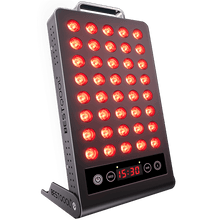
 Small
Small
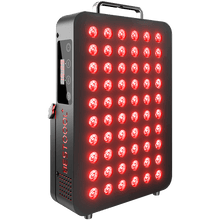
 Moderate
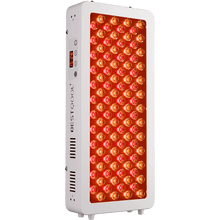
 Moderate
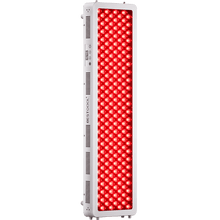
 Moderate
 Full
Full


