

As someone who spends a lot of time helping people integrate at‑home red light therapy into real life, I hear the same questions over and over: Do these portable devices actually work, or are they just expensive wellness gadgets? Is there real science behind them, or are we chasing another trend when we should just be sleeping more and eating better?
In this guide, I will walk through what the research actually says, how portable devices compare with clinic‑grade systems, and how to judge whether a small panel, wrap, mask, or handheld unit is likely to help your specific goals. The aim is not to sell you on red light therapy, but to help you make a clear, grounded decision and use it safely and effectively if you choose to try it.
What Portable Red Light Therapy Really Is
Red light therapy, also called photobiomodulation or low‑level light therapy, uses low levels of visible red and near‑infrared light to influence how your cells behave. According to sources such as Cleveland Clinic, WebMD, Stanford Medicine, and UCLA Health, the most commonly studied wavelengths are in the red range around 630–670 nanometers and in the near‑infrared range around 800–850 nanometers.
These wavelengths are absorbed by components inside your cells, especially the mitochondria, which act as the “power plants” of the cell. When those structures absorb light, they appear to produce more cellular energy (ATP), adjust signaling pathways, and influence circulation, inflammation, and collagen production. Unlike tanning beds, red light therapy does not use ultraviolet light and does not tan or burn the skin when used correctly.
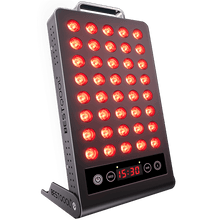
Portable devices simply deliver this same type of light in smaller, more convenient formats. Instead of a clinic‑grade full‑body bed, you might be using a facial mask, a handheld wand, a flexible wrap for a knee, a small tabletop panel, or a cap for your scalp. These tools are designed for home use and often run on wall power or rechargeable batteries.

How Strong Is the Science Behind Red Light Therapy?
The first step in evaluating portable devices is to be honest about the therapy itself. If the underlying treatment only works on paper, then the nicest handheld gadget will not change much in your daily life.
Conditions with the Best Evidence
Skin rejuvenation and texture
Dermatology is where the evidence is strongest. Cleveland Clinic describes red light therapy as a promising, but still emerging, option for concerns like fine lines, wrinkles, scars, redness, and sun damage. Stanford Medicine notes that red light can stimulate collagen and improve skin texture in controlled settings.
A randomized clinical trial published in a peer‑reviewed journal enrolled 136 adults and compared red light, red plus near‑infrared light, and no treatment. After thirty sessions over several weeks, participants receiving light therapy showed measurable improvements in skin roughness, increased collagen density, and physician‑rated wrinkle reduction compared with the control group. Importantly, this was achieved with non‑thermal, low‑level light rather than ablative lasers.
Clinic devices are usually more powerful than home tools, but UCLA Health reports that the Food and Drug Administration (FDA) has cleared several red light masks and devices for at‑home treatment of aging skin. In one study cited by UCLA Health, three months of regular use with a facial mask improved overall skin quality and visible signs of aging, with benefits lasting for about a month after stopping treatment.
Taken together, these findings support red light as a realistic, noninvasive option for modest improvements in skin smoothness, fine lines, and overall appearance, especially when used consistently.
Hair growth
Stanford Medicine and WebMD both highlight hair regrowth as another area with credible evidence. Red light on the scalp appears to widen blood vessels, improve nutrient delivery to hair follicles, and influence follicle cycling. It does not revive follicles that are already dead, so it has limitations in completely bald areas.
UCLA Health reports that the FDA has cleared caps, combs, and helmets for hereditary and hormonal hair loss. Studies have shown that repeated treatments over months can increase hair thickness and length, and one study found low‑level light therapy to be approximately as effective as minoxidil, a standard hair‑loss medication. A review summarized by Truemed notes that in one trial, men using a red light helmet a few times per week experienced roughly a one‑third increase in hair count over four months compared with placebo.
These results do not mean a portable cap will transform severe baldness, but for people with thinning hair and intact follicles, a well‑designed device used consistently for several months can realistically lead to fuller, thicker coverage.
Acne and inflammation in the skin
Light‑based acne treatments are not new, but red light works differently than blue‑light photodynamic therapy. Instead of directly destroying bacteria and oil glands, red light tends to calm inflammation and promote healing.
Cleveland Clinic lists acne as a common target for red light therapy. UCLA Health cites a small study in which people with mild to severe acne received six red light treatments two weeks apart. Participants experienced a significant reduction in skin oil and noticeable improvement in acne lesions, with no reported adverse effects. A larger study that combined red and blue light found higher rates of complete acne clearance than red light alone.
WebMD also notes that red light can help with acne and scarring, likely through anti‑inflammatory effects and support for collagen remodeling.
Here, the message is that a portable mask or panel may help reduce inflamed lesions and redness over time, especially when combined with a sound skincare routine, but it should not replace proven acne medications when those are medically indicated.
Areas Where Evidence Is Promising but Not Definitive
Pain, joint issues, and muscle recovery
Numerous sources, including HealthLight, WebMD, UCLA Health, and rehabilitation‑focused articles from Rehabmart and Kineon, point to red and near‑infrared light as potentially helpful for temporary pain relief and recovery.
Reviews cited by WebMD found mostly positive results for musculoskeletal pain and tendinopathies, with improved pain and sometimes function. UCLA Health notes that photobiomodulation can reduce chronic and acute pain in the short term, although pain often returns within weeks of stopping therapy. HealthLight summarizes the research by stating that red light can temporarily relieve pain and improve circulation but emphasizes that results depend heavily on the condition and treatment parameters.
In practice, this suggests that a portable knee wrap, targeted joint device, or small panel can meaningfully reduce pain and stiffness for some people when used regularly, but it is not a cure for underlying arthritis or injury. Effects are often modest and reversible once sessions stop.
Wound healing and scars
Research on wound healing includes both animal work and human studies. A systematic review comparing laser and LED light found that low‑level red and near‑infrared light can reduce inflammation, increase fibroblast proliferation, stimulate collagen, and promote angiogenesis in experimental wounds. Most of that evidence is preclinical, but the biological signals are strong.
The clinical trial on skin rejuvenation described earlier also showed increased collagen density and smoother skin, which indirectly supports the idea that red light can help with remodeling of superficial scars.
At the same time, a Stanford Medicine overview points out that human data on wound healing and scarring are mixed. Some studies show faster early healing, but the differences may diminish over time. The safest way to view portable devices here is as a supportive modality that may speed aspects of healing, not as a standalone treatment for serious or infected wounds.
Uses That Are Still Experimental or Unsupported
Cognitive function and brain health
UCLA Health describes early studies in people with dementia using headsets and intranasal red light. In small trials, participants receiving six minutes of daily light over eight weeks showed cognitive improvements without major side effects. WebMD reviews also report potential benefits in dementia, including memory and sleep, but emphasize that the studies are small, short term, and often lack robust control groups.
A men’s health podcast from University of Utah Health notes encouraging animal studies suggesting benefits for conditions like metabolic syndrome and neurodegenerative disease, but human trials are just beginning. Even optimistic experts agree that this is far from conclusive.
Portable helmets and intranasal devices marketed for brain health should therefore be considered experimental. If someone chooses to try them, it should be in collaboration with a healthcare professional, with realistic expectations and no interruption of proven treatments.
Weight loss, cellulite, and sweeping health promises
Cleveland Clinic explicitly states that there is no scientific evidence to support red light therapy for weight loss, cellulite removal, or mental health conditions such as depression and seasonal affective disorder, despite what some websites claim. WebMD cautions that body‑contouring uses may temporarily reduce measurements but do not represent true fat loss.
Similarly, University of Utah Health warns that red light therapy is sometimes marketed as a shortcut and can distract from foundational habits such as nutrition, movement, sleep, and mental health.
When you see a portable device promising dramatic weight loss, complete reversal of dementia, or broad cures for chronic disease, that is marketing, not evidence.

Do Portable Devices Work as Well as Clinic Systems?
Clinic‑based devices used in dermatology or research settings tend to be more powerful and precisely calibrated than home units. Stanford Medicine notes that in‑office devices are generally stronger and more predictable, while at‑home products vary widely in wavelength, power, and quality.
That said, “portable” does not automatically mean weak. Some compact panels and wraps deliver irradiance values (power per area) that are similar to what is used in clinical research, at least over small regions.
Why Irradiance Matters
A key technical term is irradiance, sometimes called power density. It measures how much light energy reaches each square centimeter of your skin and is usually reported in milliwatts per square centimeter (mW/cm²). Articles from red light therapy manufacturers and educational sites, including Infraredi, RedLightTherapyHome, and Swirise, emphasize that irradiance at the treatment distance matters more than raw electrical wattage.
Most photobiomodulation studies operate in a range of roughly 20–100 mW/cm² at the skin. Lower intensities may still be effective with longer treatment times, especially for superficial skin targets. Higher intensities are sometimes used for deeper tissues such as joints or muscles, but excessively high doses can become counterproductive or cause irritation.
A practical takeaway is that a portable device can be effective if it delivers an appropriate irradiance at a realistic distance, such as 6–12 inches from the skin, and you use it long enough to deliver a therapeutic dose. A large bed might treat the whole body at once, but a small handheld device can still be effective for a single knee or facial area if its output and usage are appropriate.
Evidence vs Device Type: A Snapshot
Here is a high‑level view of how the evidence lines up with different goals and what you can realistically expect from good portable devices, based on sources such as Stanford Medicine, Cleveland Clinic, UCLA Health, WebMD, the PubMed clinical trial, and clinical summaries from Truemed and BlockBlueLight.
Goal or condition |
Evidence in clinical settings |
Realistic expectation with quality portable devices |
Common portable formats |
Facial aging and texture |
Moderate; randomized and blinded trials show improved wrinkles, texture, and collagen |
Gradual softening of fine lines and more even tone over weeks to months |
Facial masks, small panels, handhelds |
Inflammatory acne |
Moderate for red plus blue; small studies for red alone |
Reduced redness and lesion count when combined with good skincare |
Masks, small panels |
Hair thinning |
Moderate for hereditary hair loss with caps and helmets |
Thicker hair in areas with existing follicles after months of regular use |
Caps, helmets, targeted panels |
Joint and muscle pain |
Modest to moderate short‑term relief; effects fade after stopping |
Temporary reduction in pain and stiffness with consistent use |
Wraps, handhelds, compact panels |
Wound healing and scars |
Mixed human data; strong biological rationale from preclinical work |
Possible faster early healing and better scar quality; not a replacement for medical care |
Panels, handhelds used around wounds |
Brain health and dementia |
Early small studies; experimental |
Experimental adjunct only; not a proven treatment |
Helmets, intranasal devices |
If your goal falls into one of the “moderate evidence” categories and you choose a device that matches the published parameters reasonably well, a portable system can be a rational, evidence‑aligned investment.
How to Judge a Portable Red Light Device’s Effectiveness Before You Buy
Because the home device market is largely unregulated and marketing can be aggressive, it helps to know what to look for.
Wavelengths That Have Been Studied
Across medical and research sources, the most frequently cited red wavelengths fall near 630–660 nanometers, and near‑infrared wavelengths cluster around 800–850 nanometers. Cleveland Clinic, Stanford Medicine, Truemed, and Rehabmart all highlight this range.
For skin‑focused goals like wrinkles, acne, or superficial scars, red light in the mid‑600s is usually sufficient. For deeper issues such as joint pain or muscle recovery, combining red (for surface tissues) with near‑infrared (for deeper penetration) is often recommended in clinical and rehab‑oriented articles.
If a portable device uses only novelty colors or wavelengths far outside this range without solid research backing, its effectiveness is less predictable.
Power and Dose, Not Just Wattage
Marketing often focuses on electrical wattage or the number of LEDs, but those numbers alone do not tell you how much therapeutic light actually reaches your tissues.
Educational pieces from RedLightTherapyHome and Infraredi stress that you want to know the irradiance at a specific distance, typically somewhere between about 6 and 12 inches from the panel. Many successful studies have used irradiances on the order of tens of milliwatts per square centimeter, with total energy doses in the single digits to a few dozen joules per square centimeter over a session.
If a manufacturer clearly reports irradiance values at specific distances and those values fall into ranges used in studies, that is a positive sign. If data are missing, vague, or only presented at unrealistically close distances, be skeptical.
Treatment Area and Form Factor
Different goals pair better with different devices.
Rehabmart and other rehab‑oriented sources describe dual‑wavelength handhelds and wraps using around 660 and 850 nanometers as especially useful for joints, tendons, neuropathy, and post‑workout soreness. These portable devices allow you to position the light right over the painful or injured area.
For facial skin, masks or small panels let you sit comfortably while treating the entire face and sometimes neck at once. For hair, caps and helmets distribute light evenly over the scalp.
From a practical standpoint, portable targeted devices are often more efficient than a small panel trying to treat the entire body. The more clearly your device’s shape and design match your intended use, the more likely you are to use it consistently and effectively.
Safety, EMF, and Certification
Safety is a key part of effectiveness. If a device is uncomfortable to use or raises red flags, you will not stick with it.
Cleveland Clinic and WebMD emphasize that red light therapy is generally safe when used short term and as directed. It does not use ultraviolet light and is not known to increase skin cancer risk. However, overuse or very intense light can cause redness, irritation, or rarely burns, especially with malfunctioning devices.
UCLA Health and dermatology organizations recommend choosing devices that are labeled “FDA‑cleared” for specific uses, understanding that this designation primarily reflects safety, not guaranteed results. They also note that terms such as “FDA approved” or “FDA certified” are often misused in marketing.
Fitness and wellness sources such as Fitnessista and Truemed highlight low‑EMF designs, while University of Utah Health suggests verifying that consumer devices actually emit the wavelengths claimed. In practice, EMF output from reputable red light devices is usually low, but if you are sensitive, looking for low‑EMF design and avoiding stacking multiple electronics around you during sessions is reasonable.
Eye protection matters whenever light is directed near the face. Cleveland Clinic and WebMD both advise shielding eyes as directed by the manufacturer and being especially cautious if you take photosensitizing medications, have a history of eye disease, or are under the care of a dermatologist for skin cancer.
What Results Can You Reasonably Expect from a Portable Device?
Managing expectations is central to using red light therapy in a healthy way. The clinical literature and expert commentary share some consistent themes.
Skin Quality and Anti‑Aging
In the clinical trial with 136 participants, thirty sessions of red or red plus near‑infrared light significantly improved skin roughness and increased collagen density compared with controls. Dermatology overviews from Stanford Medicine and Cleveland Clinic echo that red light can modestly soften fine lines and improve overall skin appearance.
At home, you can expect:
- Gradual changes rather than overnight transformation.
- More even tone and “healthier” looking skin with consistent use.
- Best results when you combine red light with fundamental skin care such as sunscreen, gentle cleansing, and appropriate topical treatments.
Portable masks and panels are unlikely to substitute for more aggressive procedures like laser resurfacing, but they offer a low‑risk, non‑downtime route to incremental improvements.
Hair Thinning
For people with hereditary or hormonal hair loss, portable caps and helmets that use appropriate red or red plus near‑infrared wavelengths can support regrowth and thickening over months. The key points from Stanford Medicine, UCLA Health, WebMD, and Truemed include the following.
Red light can:
- Stimulate follicles that are still alive but underperforming.
- Increase hair density and thickness with consistent use over several months.
- Lose its benefits once treatment stops, meaning maintenance is typically required.
It cannot:
- Revive dead follicles in long‑bald areas.
- Fully replace medical therapies when those are clinically indicated.
If you start early in the thinning process and commit to a realistic routine, a portable hair device can be an effective part of a broader hair health plan that may include nutrition, stress management, and conventional treatments.
Pain, Recovery, and Joint Issues
HealthLight, WebMD, UCLA Health, Rehabmart, and Kineon all converge on a similar picture for pain and recovery. Red and near‑infrared light can:
- Temporarily reduce pain and inflammation in joints and muscles.
- Support faster recovery from workouts or minor injuries.
- Improve comfort and mobility while you continue physical therapy, exercise, or other treatments.
Rehabmart notes that many users feel relief over two to four weeks of consistent use, and that post‑workout soreness can ease within a day or two when red light is applied afterward. However, most reviews agree that benefits fade when therapy stops, and light therapy does not correct underlying structural problems.
A portable wrap or handheld device can be a very practical choice here, because it lets you treat a specific knee, shoulder, or back region while you read or watch TV. The key is consistency and realistic expectations: think of it as a supportive tool, not a magic cure.
Wound Healing and Scarring
The wound healing literature is promising but more nuanced. The LASER versus LED review found that both types of low‑level red and near‑infrared light can reduce inflammatory cells, increase fibroblast proliferation, and stimulate collagen and granulation tissue in animal and cell models. A majority of these studies used doses in a moderate range; very low doses had little effect, while higher doses could inhibit healing.
Stanford Medicine notes that some human studies show faster early scar healing with red light, but that by later follow‑up, treated and untreated scars may look similar. Given this, portable devices can be viewed as potentially helpful for early healing and scar quality, especially around surgical sites that your surgeon has cleared for light exposure, but not as a replacement for proper wound care, infection control, and medical follow‑up.
Brain Health, Mood, and Sleep
The excitement around red light for brain health is understandable, especially when early studies in dementia show improved cognition with noninvasive light. UCLA Health and WebMD both describe encouraging small trials, but they also stress the need for larger, more rigorous studies.
For now, portable helmets and intranasal devices should be approached as experimental wellness tools. They may support relaxation and sleep by helping you build a calming nighttime routine, but they should not replace evidence‑based treatments for insomnia, depression, or cognitive impairment.
Using a Portable Device for Maximum Benefit
Once you have a device with appropriate wavelengths and reasonable power, the way you use it becomes the most important factor. Several sources, including Fitnessista, Trophyskin, HavenOfHeat, Infraredi, Prism Light Pod, Kineon, and room‑setup guidance from Rojo Light Therapy, offer consistent practical themes.
Prioritize Consistency Over Intensity
Most protocols for skin and general wellness fall around three to five short sessions per week for each area, especially during the first couple of months. Some pain and recovery protocols use near‑daily sessions at first, then taper to maintenance.
Infraredi and the wound healing review both describe a dose–response pattern where moderate doses stimulate biology while excessive doses can reduce or even reverse the benefit. More is not always better. It is safer to start with shorter sessions and build up gradually than to blast yourself with maximum power from day one.
Pay Attention to Distance and Session Length
Many studies and practice guides suggest keeping the device somewhere around 6–12 inches from the skin, unless the manufacturer has designed the product for direct contact. Closer distances deliver higher intensity, which usually means shorter treatment times. Greater distances lower intensity and require longer sessions to deliver the same total dose.
Consumer guides such as Trophyskin, Fitnessista, and Infraredi commonly recommend:
- Starting with a few minutes per area.
- Working gradually toward around 10–20 minutes per area, depending on the device and goal.
- Following manufacturer instructions and adjusting based on how your skin and body respond.
Prepare Your Skin and Environment
Clean, product‑free skin allows more light to reach your tissues. HavenOfHeat and Infraredi both recommend washing off makeup, sunscreen, or thick creams before treatment. Hydration matters too; adequate water intake supports cellular repair and circulation, which may enhance how your tissues respond.
From a practical standpoint, setting up a comfortable, consistent space matters as much as the science. Rojo Light Therapy suggests placing panels where you can maintain the recommended distance comfortably, using mirrors if needed for facial alignment, ensuring good ventilation, and minimizing tripping hazards from cords. Adding calming elements like soft music or aromatherapy can transform your sessions from a chore into a restorative ritual.
Track Your Progress and Listen to Your Body
Journaling or taking before‑and‑after photos, as suggested by several consumer guides, helps you see small changes that are easy to miss day to day. This also lets you adjust your routine if you are not seeing any response after a reasonable trial period.
Watch for warning signs such as persistent redness, increased tenderness, eye strain, headaches, or worsening of your underlying condition. If those occur, reduce your dose, take a break, or speak with a healthcare professional.

When a Portable Red Light Therapy Device Is (and Is Not) Worth It
University of Utah Health points out that it is easy to get distracted by gadgets at the expense of the basics: nutrition, movement, mental health, and sleep. Full‑body beds can cost tens of thousands of dollars, and even smaller home devices range from a little over a hundred dollars to several thousand.
WebMD notes that in‑office treatments can cost around eighty dollars or more per session and often require many sessions. Owning a portable device can be cost‑effective if you are dealing with an ongoing, well‑matched concern such as chronic joint pain, mild to moderate facial aging, inflammatory acne, or early hair thinning, and if you are willing to use it consistently.
However, a portable device is less likely to be worth the investment if:
- You are hoping for dramatic weight loss or cellulite removal.
- You are drawn in by sweeping claims about curing dementia, reversing severe neurodegenerative disease, or delivering full‑body “biohacking” without changing your lifestyle.
- You are unlikely to commit to a routine over weeks and months.
Certain groups should always talk with a healthcare professional before starting. Cleveland Clinic, UCLA Health, and WebMD highlight people with a history of skin cancer, those on photosensitizing medications, individuals with photosensitive conditions, people who are pregnant or breastfeeding, and those with darker skin who may be more prone to hyperpigmentation with certain devices.
In my experience working with people at home, the most satisfied users are not the ones who expect miracles. They are the ones who choose a device carefully, define one or two clear goals, keep their sleep, movement, and nutrition in focus, and treat red light therapy as a gentle but meaningful nudge in the right direction.
Brief FAQ
Do portable red light therapy devices really work, or is it all placebo?
The answer depends on what you are hoping for. For cosmetic skin concerns, mild inflammatory acne, certain types of hair thinning, and some joint or muscle pain, there is credible evidence that red light therapy can produce measurable, clinically meaningful changes. Those findings come from studies done in clinics with controlled devices. A well‑designed portable device can approximate those conditions over a small area if it uses appropriate wavelengths, delivers enough light at the right distance, and is used consistently.
For broad or dramatic promises such as rapid fat loss, complete reversal of dementia, or curing complex chronic illness, the evidence is simply not there. In those areas, a portable device is more likely to disappoint.
How long before I see results with a portable device?
Most studies and clinical summaries suggest thinking in weeks to months, not days. Facial skin changes may start to be noticeable after three to eight weeks of regular use, with more pronounced changes over a few months. Hair growth studies often run for four months or longer. Pain relief can sometimes appear within a few sessions over two to four weeks, but it may also be subtle and dependent on ongoing use.
If you see no change at all after a couple of months of consistent, appropriate use, it is reasonable to reassess your protocol, your device choice, or whether red light therapy is the right fit for your situation.
Can I use red light therapy every day?
For some goals, such as chronic pain or recovery after frequent training, daily use may be appropriate with the right dose. For other goals, especially skin rejuvenation, many protocols fall around three to five sessions per week. Infraredi and wound healing research both highlight that there is a sweet spot in dosing: very low doses may do little, while very high doses may reduce the benefit or irritate tissues.
The safest approach is to follow manufacturer guidance, start at the lower end of recommended exposure times, and increase gradually if your skin and body tolerate it well.
Should I choose a device with red light only, or red plus near‑infrared?
For surface‑level goals such as fine lines, pigmentation, and mild acne, red light alone in the mid‑600 nanometer range is often sufficient. The clinical skin trial mentioned earlier found that adding a broader range of near‑infrared wavelengths did not clearly outperform red alone when the red dose was matched.
For deeper targets such as joints, muscles, or neuropathic pain, combining red and near‑infrared can make sense because near‑infrared penetrates farther. Rehabmart and other rehab‑focused sources repeatedly recommend dual‑wavelength devices around 660 and 850 nanometers for these purposes.
The choice should reflect your main goals rather than the longest feature list on a product page.
Thoughtfully chosen and used, a portable red light therapy device can be a practical, science‑aligned tool for specific goals like healthier skin, calmer joints, or fuller hair. It works best when it supports, rather than replaces, the real foundations of health: nourishing food, regular movement, restorative sleep, and meaningful stress care.
References
- https://pmc.ncbi.nlm.nih.gov/articles/PMC3926176/
- https://med.stanford.edu/news/insights/2025/02/red-light-therapy-skin-hair-medical-clinics.html
- https://healthcare.utah.edu/the-scope/mens-health/all/2024/06/176-red-light-therapy-just-fad
- https://my.clevelandclinic.org/health/articles/22114-red-light-therapy
- https://www.uclahealth.org/news/article/5-health-benefits-red-light-therapy
- https://www.rojolighttherapy.com.au/room-setup-tips-for-your-red-light-therapy-device/?srsltid=AfmBOoqqbJVG-JNTQEmtLcIP2MRtig3wDDE-JgPEdFf_uUecfLpFEu9c
- https://fitnessista.com/red-light-therapy-at-home-device-guide-best-use-tips/
- https://healthlightllc.com/red-light-therapy/
- https://prismlightpod.com/tips-for-achieving-the-best-results-from-red-light-therapy/
- https://www.rehabmart.com/post/how-to-choose-the-best-hand-held-red-light-therapy-devices?srsltid=AfmBOopNwfjeKDXTTCd6QattyiVlvav0vUVS-GJNDaqRg_IcTDsx4mQK


 Small
Small

 Moderate

 Moderate

 Moderate

 Full
Full

