

Feeling stuck in “slow-motion” even when you are trying to eat well and move more is incredibly frustrating. In my work with clients using at-home red light therapy and targeted wellness routines, I see this all the time: energy feels low, weight will not budge easily, sleep is off, and blood sugar swings leave people feeling wired and tired.
One of the simplest shifts that often helps is not another supplement or extreme workout, but a change in how we use light and heat in the evening. A warm bath followed by a short session of red light therapy can become a powerful, soothing ritual that supports your metabolism at multiple levels.
In this article, I will walk you through what the research actually shows about red light therapy, how light shapes metabolism, why the post-bath window is special, and how to build a safe, realistic at-home routine. I will keep the focus on evidence from scientific and clinical sources such as the Journal of Biophotonics, MedCram medical education reviews, the National Strength and Conditioning Association, Medical News Today, and several wellness and physical therapy clinics that use red and near-infrared light in practice.
I will also be honest about what is still uncertain, so you can decide if post-bath red light therapy belongs in your metabolic health plan.
What Red Light Therapy Actually Is
Red light therapy is also called photobiomodulation or low-level laser therapy. It uses specific wavelengths of visible red and near-infrared light, generally in the range of about 620–660 nanometers for red and roughly 780–850 nanometers for near-infrared, to influence how cells function.
Several sources, including the National Strength and Conditioning Association and multiple clinic reports, describe the same basic mechanism. When this light reaches your tissues, it is absorbed by structures inside your cells, especially the mitochondria. Mitochondria are often called your cellular “powerhouses” because they produce adenosine triphosphate, or ATP, the chemical energy that drives most metabolic processes.
MedCram’s review of a London human study on red light and blood glucose highlights a particularly interesting mechanism. They describe how 670-nanometer red light appears to change the structured water layer around the mitochondrial ATP synthase rotor. When that water becomes less viscous, the rotor may spin more easily, allowing mitochondria to generate ATP more efficiently. Other work summarized by the National Strength and Conditioning Association notes that red and near-infrared light can also affect mitochondrial enzymes such as cytochrome c oxidase, influence nitric oxide signaling, and modulate oxidative stress.
All of this matters for metabolism, because ATP production sits at the center of how your body uses carbohydrates and fats, repairs tissues, and maintains a healthy resting metabolic rate.
It is important to separate red light therapy from infrared heat. Infrared saunas and hot baths use primarily infrared wavelengths to warm your body and induce sweating, muscle relaxation, and cardiovascular effects. Red light therapy devices, especially LED panels, deliver visible red and sometimes near-infrared light at levels that do not feel hot on the skin. Many modern wellness setups combine both, such as infrared saunas with integrated red light panels, but they are distinct tools.
How Light Shapes Human Metabolism
Before zooming in on red light, it helps to recognize that light in general is a powerful metabolic signal.
A comprehensive review in PubMed Central titled “The Complex Effects of Light on Metabolism in Humans” describes how specialized retinal cells called intrinsically photosensitive retinal ganglion cells detect environmental light and send that information to the brain’s master clock in the suprachiasmatic nucleus. This clock coordinates melatonin release, core body temperature, sleep–wake cycles, and daily rhythms of hormones involved in metabolism, including insulin and glucagon.
The review highlights several key points.
Daytime exposure to bright light historically came from natural sunlight, often around 9,000 lux or more outdoors, while nights were naturally very dim. Modern life has flipped this pattern for many people, with limited bright light during the day and significant artificial light at night.
Epidemiologic studies summarized in the review connect higher bedroom light levels at night to higher body mass index, larger waist circumference, and an increased prevalence of diabetes in older adults. Even very dim light during sleep, as low as 5 to 10 lux, altered sleep architecture in laboratory studies, reducing total sleep time and changing the balance of sleep stages. One controlled study found that sleeping under 100 lux instead of very dim light for a single night increased markers of insulin resistance and raised heart rate.
Researchers also report that longer durations of bright light and screen time are associated with higher BMI in children and adolescents, and that even intermittent light flashes at night can shift circadian phase.
Taken together, this research makes one message clear. Light is not just something you see. It is a metabolic input that can help or hinder energy balance, blood sugar regulation, and weight control, depending on its timing, intensity, duration, and spectrum.
That is exactly why many of my clients benefit from a thoughtful evening routine. We reduce harsh white and blue light after dark, use warm ambient lighting, and if we add light exposure at night, we favor wavelengths that appear less disruptive to circadian rhythms, such as red light. Several wellness sources, including City Fitness and sauna-focused companies, note that red light tends to support rather than disrupt sleep, likely because it does not strongly activate the blue-sensitive pathways that suppress melatonin.

Red Light Therapy and Metabolic Health: What the Science Shows
Acute effects on blood sugar and mitochondrial energy
One of the most intriguing human studies in this area comes from researchers at City, University of London and University College London. In work reported by UCL and published in the Journal of Biophotonics, thirty healthy adults were randomized to receive either 670-nanometer red light or a sham treatment on the skin of the back.
The active group received fifteen minutes of 670-nanometer light about forty-five minutes before an oral glucose tolerance test. The light intensity was relatively modest and targeted an area on the back while participants were kept blinded to whether the light was on or not. Compared with the placebo group, those who received red light had significantly lower blood glucose after drinking the glucose solution. UCL’s summary reports roughly a 27.7 percent reduction in overall blood glucose exposure and a 7.5 percent lower maximum spike in the red light group compared with placebo.
MedCram’s analysis of this same study emphasizes that the red light dose used was fairly conservative compared with many consumer devices. The group interprets these findings as evidence that red light stimulation of mitochondria can acutely increase glucose consumption and lower circulating blood sugar, at least in healthy adults under controlled conditions.
From a practical perspective, this does not mean everyone should expect dramatic drops in blood sugar from a single session. It does suggest that photobiomodulation can meaningfully influence metabolic pathways in humans, and that timing relative to meals may matter. For clients with blood sugar concerns, I usually frame this as a promising but early area of research and encourage them to track their own responses with guidance from their healthcare team if they want to experiment.
Mitochondria, metabolic rate, and weight management
Beyond immediate effects on blood glucose, multiple sources describe how red and near-infrared light may support a more resilient metabolic engine at the mitochondrial level.
The National Strength and Conditioning Association reviews preclinical data showing that infrared exposure in older mice increased ATP production and reduced inflammation, while 670-nanometer light in fruit flies increased ATP and extended lifespan substantially. They note that mitochondrial dysfunction is linked to obesity through impaired fatty acid metabolism and chronic inflammation, and argue that photobiomodulation may help restore healthier mitochondrial function.
Wellness practices such as RevitalWave and several sauna and recovery centers echo this mechanistic picture in their client education. They describe red light therapy as a non-invasive way to increase cellular energy production and metabolic efficiency, which in turn can support better nutrient utilization, daily energy levels, and recovery from age-related metabolic slowing, especially in adults in their forties to sixties.
At the same time, evidence from formal human trials remains more modest.
Medical News Today’s review on red light therapy and weight loss points out that while several studies report reductions in waist circumference or body fat measures, the designs are inconsistent and often short term. A 2020 pilot study in sixty adults with overweight found about a 0.8-inch reduction in waist circumference after twice-weekly low-level laser sessions for six weeks, but the study lacked a control group. A 2017 trial in eighteen women targeting abdominal fat with multiple wavelengths reported significant reductions in abdominal girth in all participants over twelve sessions. Another trial in forty-nine women with obesity combined exercise with phototherapy three times a week for four months and found that the group receiving true red light therapy, compared with sham, showed larger improvements in inflammatory markers and body composition.
However, yet another study found increased fat thickness in some participants after red light exposure, underscoring that results are not uniformly favorable.
Overall, Medical News Today concludes that red light therapy may offer modest fat-loss benefits as an adjunct to lifestyle changes, but that the evidence is still preliminary and does not justify relying on light alone for weight management. That matches what I see in practice and what the National Strength and Conditioning Association stresses as well: the best results come when photobiomodulation sits on top of solid nutrition, regular movement, and healthy sleep rather than replacing them.
Red light and fat cells directly
Some sources describe more direct actions of red light on fat cells. A report from Platinum Therapy Lights cites research indicating that red light can create temporary pores in fat cell membranes, allowing stored lipids to leak out. In one study they mention, around 80 percent of fat cell contents were released after four minutes of red light exposure and nearly all contents after six minutes.
The National Strength and Conditioning Association’s evidence-based guide to red light therapy for fat loss also outlines mechanistic studies in which red light activates mitochondrial enzymes, raises cyclic AMP, and triggers pathways associated with lipolysis and even programmed cell death in superficial fat cells.
These cellular findings help explain why some small clinical trials observe reductions in local fat thickness after red light sessions. At the same time, most of these studies are short term and measure changes over weeks, not years. Medical News Today underscores that we still do not know how long the changes last or how meaningful they are for long-term health outcomes.
In other words, red light may help mobilize fat from adipocytes in specific conditions, especially when combined with calorie expenditure and exercise. That is one reason I often pair post-bath red light sessions with earlier daytime movement and a nutrient-dense diet, rather than suggesting light alone as a fat-loss strategy.
Indirect metabolic benefits: exercise recovery, sleep, and hormones
Even when the direct effects on fat loss are modest, red light therapy may support metabolism indirectly by improving recovery, physical performance, sleep, and hormonal balance.
FunctionSmart Physical Therapy and the Physical Achievement Center describe how red and near-infrared light can enhance mitochondrial function in muscle cells, increasing ATP production, improving calcium handling, and speeding muscle repair after intense exercise. Research summarized by these clinics and by other athletic recovery centers suggests that red light therapy can reduce delayed onset muscle soreness, shorten recovery time between training sessions, and in some studies improve strength or endurance over several weeks.
City Fitness highlights another important pathway. They note that red light therapy can help regulate the circadian rhythm and support better sleep, especially when used consistently in the evening. Better sleep in turn enhances muscle recovery, mood, and overall performance. The broader light–metabolism review in PubMed Central strongly supports the idea that adequate sleep and appropriate light exposure patterns are tightly linked to healthier metabolic profiles.
Several sources, including City Fitness and Platinum Therapy Lights, also mention that red light therapy may influence hormones such as testosterone and cortisol. While details vary, the overall message is that a more balanced hormonal profile tends to favor better body composition, stress handling, and well-being. Here again, evidence is still evolving, and I present these effects as potential bonuses rather than guaranteed outcomes.
When you combine these indirect benefits—faster recovery, better sleep, improved mood and pain reduction—with even modest direct effects on blood sugar and fat cells, you can see how a simple tool like red light therapy might contribute meaningfully to metabolic health over time.

Why Post-Bath Is a Smart Time for Red Light Therapy
So why pair red light therapy specifically with a bath or shower, rather than just switching on a device at any random time?
Several strands of evidence and experience come together here.
Warm water, especially in a bath, produces some of the same physiological responses as an infrared sauna, though often at a lower intensity. Infrared and thermal therapy research summarized by Inside Matters shows that gentle heat increases heart rate, dilates blood vessels, and enhances circulation. Sauna and infrared sessions are associated with improved neuromuscular recovery, reduced muscle soreness, and in long-term observational studies, lower risks of cardiovascular events and all-cause mortality. They also tend to activate a calming parasympathetic response and increase endorphins, which many people experience as deep relaxation.
Articles from MG Sports Massage, TeckWave, Salus Saunas, and Sun Home Saunas all emphasize that combining heat exposure (whether from a sauna or similar environment) with red light therapy provides a “dual action” effect. Heat improves blood flow, warms muscles, and, as some sources suggest, opens pores and supports detoxification through sweating. Red light simultaneously stimulates mitochondrial activity and tissue repair.
From a metabolic standpoint, this pairing makes practical sense after a bath. When you step out of warm water, your skin and superficial blood vessels are already dilated. Circulation to the skin and muscles is increased. Your nervous system often shifts into a more relaxed state, which lowers stress-driven cortisol and supports better digestion and blood sugar control later in the evening. Adding a ten to twenty minute red light session during this window may help more light reach well-perfused tissues while you are already in a recovery-oriented physiological state.
There is also a behavioral advantage. Many people find that attaching new habits to existing routines makes them easier to maintain. A warm bath or shower is already part of nightly wind-down for many of my clients. Positioning a red light panel safely outside the tub or shower, drying off, and then spending a short period in front of the light becomes a natural extension rather than another separate task.
Finally, there is a circadian benefit. The light–metabolism review on PubMed Central shows that bright, blue-enriched light at night, even at seemingly modest intensities, can impair sleep quality and worsen insulin sensitivity. By contrast, several wellness sources report that red light exposure in the evening may help regulate circadian rhythms and support deeper sleep. It does not stimulate the blue-sensitive pathways in the eyes that most strongly suppress melatonin.
So a post-bath red light session in a softly lit bathroom or bedroom allows you to avoid harsh overhead LEDs or screens while still engaging in a nourishing, metabolism-supportive practice.
How to Use Post-Bath Red Light Therapy Safely at Home
As encouraging as the research and clinical experience are, getting the details right matters. Here is how I guide clients through a safe, practical post-bath protocol, drawn from the usage patterns described by City Fitness, TECKWAVE, Platinum Therapy Lights, MG Sports Massage, and others.
Choosing an appropriate device
Most at-home systems fall into a few categories.
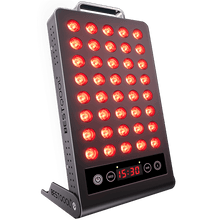
Large LED panels can cover a significant portion of the body at once. They typically emit both red and near-infrared wavelengths in the therapeutic range described by sports medicine and sauna manufacturers, often around 620–660 nanometers for red and 810–850 nanometers for near-infrared. These are ideal if you want full-body or torso coverage.
Smaller panels or pads are more targeted. They can be placed near areas of concern such as the lower back, abdomen, or major joints. Some, like waterproof or flexible devices described by Lumaflex, can even be used in or near water environments, although I still recommend keeping electrical components safely away from direct water contact unless specifically rated for immersion.
Sauna cabins with integrated red light panels combine heat and light in a controlled environment. Brands such as Salus Saunas and Jacuzzi integrate full-spectrum infrared heaters with red light therapy. These are excellent if you already enjoy sauna bathing and want to layer in red light at the same time.
Whichever device you choose, look for clear information on wavelength ranges, power density, and session duration. Reputable manufacturers and clinical providers typically specify red wavelengths in the low to mid 600s nanometer range and near-infrared wavelengths in the low to mid 800s, aligning with the ranges discussed by the National Strength and Conditioning Association and TECKWAVE.
A practical post-bath protocol
After your bath or shower, dry off completely and allow your skin to be comfortably warm, not overheated.
Set up your red light device in a dry, stable location away from splashing water. Position yourself at the distance recommended by the manufacturer, which is often relatively close to the device so your skin is within the effective treatment range.
Session durations used in real-world settings are generally short. City Fitness suggests ten to twenty minute evening sessions to support sleep. TECKWAVE mentions fifteen to thirty minute combined infrared and red light sauna sessions three to five times per week. Platinum Therapy Lights recommends five to twenty minutes per day, often favoring shorter and more frequent sessions. MG Sports Massage suggests twenty to forty minutes for combined infrared sauna and red light sessions, two to four times per week, depending on goals and tolerance.
For a simple at-home post-bath protocol, many of my clients do well starting with about ten minutes of red light therapy focusing on the torso or major muscle groups, three evenings per week. If you tolerate that well, you can gradually increase to fifteen or twenty minutes and up to most evenings, always staying within the ranges suggested for your specific device.
If you are interested in experimenting with blood sugar responses, you might schedule your post-bath session so it finishes roughly thirty to sixty minutes before a regular evening meal, loosely mirroring the timing used in the Journal of Biophotonics study where red light was applied forty-five minutes before a glucose drink. Because that study was small and done under controlled conditions, I always frame this as an experiment to discuss with your clinician, especially if you have diabetes or take medications that affect blood sugar.
During the session, keep the rest of your lighting environment gentle. Avoid bright overhead LEDs and screens. Breathe slowly, allow your muscles to soften, and treat this time as a transition into rest. Many clients find that this combination of warmth, red light, and intentional relaxation leaves them feeling both calmer and more energized in a grounded way.
Safety and who should be cautious
The overall safety profile of red light therapy is quite favorable. Reviews from Inside Matters and many wellness providers describe it as generally well tolerated when devices are used appropriately. Studies referenced by Medical News Today note few side effects during several weeks of non-contact treatments, although a 2017 report described two instances of broken skin when devices were applied directly to the skin at previous surgical and back sites. The authors concluded that devices applied directly to the skin may carry more risk than panel-style systems separated by a small distance.
I typically advise avoiding direct-contact laser heads on sensitive or scarred areas at home and favoring LED panels or pads that do not press hard into the skin.
Certain groups should always speak with a healthcare professional before starting or changing a red light routine. These include people who are pregnant, individuals with unstable heart conditions, those with uncontrolled blood pressure, and anyone taking medications that increase photosensitivity. MG Sports Massage and other providers also stress that those with serious medical conditions should get clearance before using combined infrared sauna and red light, because heat adds additional cardiovascular load.
For people with diabetes or on glucose-lowering medications, the early evidence that red light can lower blood sugar is promising but also a reason for careful monitoring. Any changes in symptoms or glucose patterns should be discussed with your physician, and no one should adjust medications based on red light use without medical guidance.
Finally, eye protection is essential if there is any chance of direct exposure to the eyes. Many devices ship with goggles, and clinics such as Jacuzzi explicitly require protective eyewear during their sessions.
Pros and Cons of Post-Bath Red Light Therapy for Metabolism
The table below summarizes how post-bath red light therapy may support metabolism, based on the sources reviewed, along with limitations you should keep in mind.
Aspect |
Potential benefit |
Evidence and caveats |
Blood sugar handling |
Short red light sessions may lower post-glucose blood sugar by increasing mitochondrial ATP production and glucose uptake. |
A small randomized study reported reduced overall and peak glucose after a single 670-nanometer exposure before a glucose drink. Early-stage only; not yet tested widely in people with diabetes. |
Resting metabolic efficiency |
Enhanced mitochondrial function can improve how cells use fats and carbohydrates, supporting energy and metabolic flexibility. |
Preclinical work in animals shows higher ATP and lower inflammation with infrared light, and human wellness reports describe better energy, but long-term metabolic outcomes in large human trials are still lacking. |
Fat cell metabolism |
Red light may trigger release of stored lipids and shrink fat cells, especially when combined with exercise and diet. |
Some small trials show reductions in waist or abdominal girth; one study cited by a manufacturer reported up to 80 percent fat content release from cells in minutes, while another trial found increased fat thickness in some participants. Results are inconsistent and effects may be modest. |
Exercise recovery and activity levels |
Faster muscle repair, reduced soreness, and better joint comfort can make it easier to stay active and burn more calories over time. |
Multiple athletic and physical therapy clinics report improved recovery and performance metrics with pre- or post-exercise red light, yet studies vary in protocols and not all show performance benefits. |
Sleep and circadian rhythm |
Evening red light exposure appears to support circadian regulation and sleep quality when used instead of blue-heavy artificial light. |
Fitness and sauna providers describe improved sleep and mood with consistent evening use. The broader light–metabolism literature strongly supports the importance of dim, warm light at night, though red light therapy studies on sleep are still relatively small. |
Stress and hormonal balance |
Relaxation from post-bath heat plus red light may reduce stress load and support more favorable cortisol patterns. |
Sauna and thermal therapy trials show improved mood and reduced fatigue; gyms and wellness centers report better stress management with red light, but hormone-focused studies remain limited. |
Convenience and safety |
At-home devices are non-invasive, drug-free, and can be slotted into existing routines like an evening bath. |
Most LED systems have minimal side effects when used as directed, though direct-contact lasers have occasionally caused skin breakdown. Costs and adherence vary, and not all devices are built to clinical standards. |

Integrating Red Light Therapy into a Metabolic Health Plan
Even the most exciting light therapy protocol cannot replace the fundamentals of metabolic health. The strongest evidence base still supports dietary patterns, physical activity, sleep, and stress management as the foundation.
Medical News Today highlights that plant-forward diets such as Mediterranean, DASH, and MIND, which emphasize fruits, vegetables, whole grains, legumes, nuts, and seeds while limiting fatty and processed meats, are consistently associated with healthier weights and metabolic markers. Clinical endocrine guidelines recommend at least one hundred fifty minutes per week of moderate-intensity aerobic exercise for people with obesity, with better outcomes at higher volumes. A study discussed in the same Medical News Today article found that adding an eight-week stress-management program, including breathing and relaxation practices, produced greater BMI reductions than standard lifestyle advice alone.
The light–metabolism review on PubMed Central adds another layer. It underscores the importance of bright light exposure during the first part of the day and truly dim conditions at night for healthy metabolic regulation.
When clients ask how to bring all this together with post-bath red light therapy, I often suggest a simple framework. Start your day with natural outdoor light whenever possible, even if it is just a few minutes. Anchor your week around regular movement that you enjoy. Choose meals that follow the plant-rich patterns described above most of the time. Protect your sleep with a consistent bedtime routine and minimal evening screen exposure. Then use a warm bath followed by red light therapy as a relaxing, metabolism-supportive ritual several evenings per week.
That way, the device on your wall or bedside table is not your main strategy; it is a supportive ally woven into a broader plan that has strong scientific backing.

Frequently Asked Questions
Will post-bath red light therapy by itself make me lose weight?
Based on the evidence summarized by Medical News Today and the National Strength and Conditioning Association, red light therapy on its own is unlikely to produce large or lasting weight loss. Some studies have shown small reductions in waist circumference or improvements in body composition, especially when combined with exercise and healthy eating, while other trials have not found benefits or have even noted increased fat thickness in some participants. I consider post-bath red light therapy a helpful adjunct that may support fat loss as part of a comprehensive program, not a standalone solution.
Is evening red light therapy going to keep me awake?
Unlike bright white or blue-enriched light, which the light–metabolism review associates with circadian disruption and metabolic risk when used at night, red light has minimal impact on the blue-sensitive pathways that strongly suppress melatonin. Gyms and wellness centers such as City Fitness report that ten to twenty minute evening sessions often help clients relax and sleep better. In my own practice, most people find that a post-bath red light session combined with dim ambient lighting makes it easier, not harder, to fall asleep.
Can I combine my bath, sauna, or cold plunge with red light therapy?
Yes, and many wellness companies encourage exactly that. MG Sports Massage, TECKWAVE, Sun Home Saunas, and others describe combining infrared heat and red light therapy in the same session to enhance circulation, recovery, and stress relief. Some routines also integrate cold plunges with sauna and red light for contrast therapy. If you do this at home, make sure any device you use is rated for the environment and positioned safely so electrical components are not exposed to water. Start with shorter sessions, hydrate well, and speak with your clinician if you have cardiovascular or other medical conditions.
Closing Thoughts
When used thoughtfully, post-bath red light therapy can be much more than a trendy gadget. Paired with warm water, gentle evening light, nourishing food, movement, and stress-aware living, it becomes a quiet, consistent signal to your body that it is safe to repair, rebalance, and restore its metabolic rhythm.
As a red light therapy wellness specialist and health advocate, I have seen that the real power lies not in chasing dramatic overnight changes, but in building small, evidence-informed rituals you can actually sustain. A warm bath, a few unhurried minutes in front of a red light, and a good night’s sleep may sound simple, yet over months and years, those choices can meaningfully support how your metabolism feels and functions every day.
References
- https://pmc.ncbi.nlm.nih.gov/articles/PMC10056135/
- https://www.ucl.ac.uk/news/2024/feb/red-light-can-reduce-blood-glucose-levels
- https://www.physio-pedia.com/Red_Light_Therapy_and_Muscle_Recovery
- https://cityfitness.com/archives/36400
- https://www.insidematters.co.nz/post/the-science-behind-infraredsauna-and-redlighttherapy
- https://www.fastandfit.fitness/red-light-therapy-benefits/
- https://functionsmart.com/red-light-therapy-for-athletes-faster-recovery-and-enhanced-performance/
- https://www.jacuzzi.com/en-us/Jacuzzi-Red-Light-Therapy.html
- https://www.medicalnewstoday.com/articles/red-light-therapy-for-weight-loss
- https://mgsportsmassage.com/infrared-sauna-with-red-light-therapy/


 Small
Small

 Moderate

 Moderate

 Moderate

 Full
Full

