

Red light therapy has moved from niche wellness trend to a staple in many high‑performance environments. From elite team facilities to military training centers and cutting‑edge physical therapy clinics, it is being used to help athletes recover faster, handle heavier training loads, and in some cases even return to play sooner after injury.
As a red light therapy wellness specialist and health advocate, I see a familiar pattern: professionals are willing to experiment with any safe, evidence‑informed modality that might give them even a small edge. The good news is that the science behind red light therapy is no longer purely theoretical. The less glamorous news is that results depend heavily on how it is used, and it is not a magic shortcut that replaces smart training, sleep, and nutrition.
This article walks through what red light therapy actually does, how professional and elite athletes are using it, what the research really shows, and how you can adapt those lessons safely at home.
What Red Light Therapy Actually Is
Red light therapy is more precisely called photobiomodulation, sometimes photobiomodulation therapy or low‑level laser therapy. It uses specific red and near‑infrared wavelengths, usually around 630–660 nanometers for red and 800–900 nanometers for near‑infrared, delivered through LEDs or low‑level lasers.
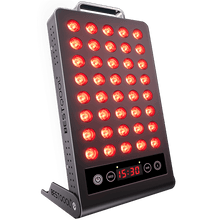
Unlike tanning beds, these devices do not use ultraviolet light and are not designed to heat or burn the skin. Instead, they deliver low‑level light that cells can absorb as a signal, rather than as heat. Clinics may offer full‑body beds, pods, or large panels, while athletes and everyday users often rely on wall‑mounted panels, flexible pads, or handheld devices.
Dermatology experts at Stanford Medicine describe this as photobiomodulation: light tuned to promote healing and cell growth rather than destroy tissue. In dermatology, the strongest evidence is for skin and hair. For sports performance and systemic wellness, the science is promising but still developing, so it is important to keep both enthusiasm and skepticism in healthy balance.
How Red Light Therapy Works in Muscles and Joints
Most of the performance and recovery claims come back to what happens in the mitochondria, the tiny powerhouses inside your cells.
Studies summarized in PubMed‑indexed reviews and sports medicine articles describe several key mechanisms. Red and near‑infrared photons are absorbed by a mitochondrial enzyme called cytochrome c oxidase. This helps dislodge nitric oxide that can slow the electron transport chain and restores oxygen’s ability to bind properly. The result is an increase in adenosine triphosphate, or ATP, which is the energy currency your muscles use to contract, repair, and adapt.
At the same time, red light therapy appears to:
Increase blood flow. By boosting nitric oxide production in blood vessels, it widens capillaries and small arteries. Better circulation brings more oxygen and nutrients to working or injured tissues and helps clear metabolic byproducts.
Modulate inflammation and oxidative stress. Multiple clinical and animal studies show reductions in pro‑inflammatory cytokines, oxidative stress markers, and enzymes linked to muscle damage, and improvements in the body’s own antioxidant defenses. This helps explain reports of less soreness and faster recovery.
Support collagen and tissue repair. In connective tissues and skin, red and near‑infrared light can stimulate collagen and elastin production and support the formation of healthy granulation tissue, which is why it is also used for wound healing and scar management.
These mechanisms do not automatically guarantee better performance, but they create a biologically plausible foundation for the success stories many athletes report.

From Lab Bench to Locker Room: What the Science Shows
The transition from theory to real‑world athletic benefit has been studied for more than a decade. A review in PubMed Central looked at 46 studies with 1,045 participants, including both untrained volunteers and athletes. Researchers examined how photobiomodulation applied before or after exercise affected repetitions, torque, time to exhaustion, delayed onset muscle soreness, muscle damage markers such as creatine kinase, lactate, and overall recovery.
Broadly, this review and a more recent literature review in Applied Sciences paint a similar picture. Certain protocols, especially when light is used as a pre‑conditioning stimulus shortly before training, have produced meaningful improvements in performance and recovery markers. Others showed no difference from placebo, particularly in some soreness and pain outcomes. Formal meta‑analyses and detailed bias assessments were limited, so the certainty of the evidence varies.
In other words, photobiomodulation appears to work when the wavelength, energy dose, timing, and treated muscle groups are chosen thoughtfully. When those parameters are off, the effect can shrink or disappear.
Strength and Power: Lifting More, Fatiguing Less
Several clinical trials described in sports medicine summaries and by providers such as Synergy Physical Therapy and Wellness, Function Smart Physical Therapy, and other rehabilitation specialists have explored strength outcomes.
One clinical trial reported that individuals who received near‑infrared light therapy after strength training increased their lifting capacity and knee extensor peak torque more than both a training‑only group and a control group. Another placebo‑controlled twin study found that photobiomodulation applied after strength training promoted greater muscle hypertrophy, improved gene expression related to muscle growth, and reduced markers of muscle damage and inflammation.
In multiple randomized controlled trials summarized in Applied Sciences, applying red or near‑infrared light before strength tests and training has been associated with higher peak torque, more repetitions to fatigue, and improved maximal voluntary contractions compared with placebo treatments. These studies often used wavelengths around 800–905 nanometers and brief applications to the quadriceps or other large muscle groups.
At the same time, some strength studies found no significant differences, especially when doses were very low, timing was less optimal, or only small muscle areas were treated. This reinforces that photobiomodulation is dose‑ and protocol‑dependent rather than an on/off switch.
Endurance and Aerobic Capacity
Endurance athletes are perhaps even more interested in red light therapy, because even a small extension in time to exhaustion can matter.
In treadmill training programs lasting about 12 weeks and reported in Applied Sciences, athletes who received red or near‑infrared light before and sometimes after aerobic sessions improved their oxygen consumption and time to exhaustion more than placebo groups, and in at least one case reduced body fat more effectively. These participants included runners and triathletes working at moderate to high percentages of their maximal heart rate.
A separate study of female basketball players found that evening red light illumination improved sleep quality, increased melatonin levels, and was associated with better performance on a 12‑minute run test. Changes in sleep scores correlated with changes in melatonin and showed a trend toward correlation with endurance gains. The authors suggested that circulation, muscle regeneration, and hormonal changes may all contribute.
Performance trials discussed by Athletic Lab have also reported faster strength gains and endurance adaptations when red light therapy is applied around workouts compared with training alone. However, these trials are generally small, and some endurance studies have not found clear benefits, especially when light is applied many hours before exercise instead of just before.
Recovery, Soreness, and Return‑to‑Play
One of the most compelling areas for athletes is post‑injury recovery and delayed onset muscle soreness.
A study of university athletes reported in Laser Therapy and highlighted by LED Technologies found that those using LED phototherapy for sports injuries returned to play in an average of about 9.6 days, compared with an anticipated 19.23 days based on historical expectations. No adverse events were reported, suggesting that properly dosed LED therapy can safely accelerate recovery for certain soft‑tissue injuries.
Multiple randomized trials summarized in PubMed Central and Applied Sciences have also found that photobiomodulation applied before or after eccentric exercise can reduce creatine kinase, lactate, C‑reactive protein, and subjective soreness compared with placebo, and sometimes preserve more strength or range of motion in the days after a heavy session.
Yet the evidence is not uniform. Some elbow flexor studies using low‑level lasers over several days after muscle damage found no differences in soreness, range of motion, or pain thresholds compared with sham treatment. A systematic review that pooled 15 studies with 317 participants concluded that current evidence is insufficient to claim that red light therapy reliably reduces delayed onset muscle soreness across all protocols.
The takeaway is that red light therapy can shorten recovery and reduce soreness under certain conditions, but results vary, and it should not be viewed as a guaranteed way to erase pain after every workout.
Sleep, Mood, and Mental Recovery
Elite performance depends on nervous system recovery as much as muscles and joints.
Red light therapy is being explored as a tool for sleep quality and mental well‑being. City Fitness and other performance centers highlight its ability to support circadian rhythm and restorative sleep, especially when used consistently in the evening for 10–20 minutes. The basketball player study mentioned earlier showed improvements in sleep quality scores and melatonin, which are tightly linked to recovery and performance.
Athletic Lab notes that evening red light may enhance nocturnal melatonin and sleep, while morning exposure seems to reduce sleep inertia and improve alertness. Wellness clinics, including those focused on longevity and functional medicine, report that athletes often feel calmer, less stressed, and more resilient when red light sessions are incorporated into demanding travel and competition schedules.
Stanford Medicine, however, emphasizes that evidence for sleep, mood, and broad “wellness” claims is still weaker than for skin and hair. Current research suggests potential benefits, especially when sleep is suboptimal, but more rigorous trials are needed.
Professional and Elite Users: Success Stories and Common Themes
Several high‑profile organizations and groups have integrated red light therapy into performance and recovery programs. The specific devices and protocols differ, but the themes are consistent.
College football programs such as the Clemson Tigers have invested in advanced recovery labs that include infrared pods and light beds alongside sensory deprivation tanks, compression systems, and other modalities. During a season where Clemson went undefeated and won a national championship, these tools were part of a comprehensive approach to keeping players healthy and ready, even though no single technology can take credit for performance on its own.
Military special forces have been early adopters. Navy SEAL teams have used red light therapy since the 1990s to help regenerate muscle tissue and support musculoskeletal injury recovery, with one report describing more than 40 percent improvement in musculoskeletal training injuries and reduced wound healing time, especially when combined with hyperbaric oxygen therapy.
Professional baseball organizations such as the Texas Rangers have incorporated red light therapy into rehabilitation programs to help players return to the field at peak performance. Premium athletic clubs like the Detroit Athletic Club offer red‑light chambers as part of dedicated recovery and wellness suites for members who train hard and want structured recovery.
Physical therapy and performance clinics, including Function Smart Physical Therapy, Fick PT & Performance, Synergy Physical Therapy and Wellness, and others, now use professional‑grade red and near‑infrared devices around strength and conditioning sessions. Many report that athletes experience decreased stiffness, better perceived recovery, and improved sleep quality when sessions are scheduled regularly over several weeks.
What unites these success stories is not a belief in red light as a miracle cure, but a practical pattern. Organizations treat photobiomodulation as an evidence‑informed, low‑risk adjunct layered on top of sound training, nutrition, and rest. They use it consistently, they target the right tissues, and they integrate it with physical therapy, movement correction, and other recovery tools.

Translating Pro Protocols into At‑Home Routines
You do not need a professional contract to borrow the best ideas from elite setups. Many of the same principles can be applied safely at home with a well‑chosen device and realistic expectations.
Choosing a Device: Clinic‑Grade vs Home Use
Medical centers, pro teams, and military facilities often use high‑powered beds, pods, or multi‑panel rigs that can bathe the whole body in red and near‑infrared light at once. At home, you are more likely to choose a panel, a flexible pad, or a handheld unit.
A red light panel may be ideal if you want to stand or sit in front of the device and treat larger areas like the legs, hips, or back. Flexible pads, wraps, and pillows can contour around knees, shoulders, or the neck, providing targeted treatment while you relax. Handheld devices are useful for very localized areas, though they require more hands‑on time.
WebMD, University Hospitals, and device manufacturers all emphasize a few practical points. Look for devices that have clearance from the Food and Drug Administration, which speaks to basic safety and equivalence to other approved units, although it does not guarantee effectiveness for every claim. Expect clinical‑grade systems to be more powerful and more expensive, while home devices can start under about one hundred dollars and run into the thousands depending on power and coverage. Follow manufacturer instructions carefully, especially for treatment distance, eye protection, and duration.
How Often and How Long to Use Red Light Therapy
There is no single protocol that fits everyone, but we can draw reasonable patterns from research and clinical practice.
Function Smart Physical Therapy and similar clinics often use treatment durations around 10–20 minutes per body area with deeper‑penetrating near‑infrared wavelengths for muscle and joint recovery. Athletic Lab caps sessions around 20 minutes, noting that this is where they see diminishing returns. City Fitness recommends roughly 10–20 minutes in the evening to support a healthy sleep–wake cycle, particularly when aiming for about eight hours of sleep.
Many training studies that reported benefits used photobiomodulation immediately before strength or endurance sessions, or both before and after, three times per week over several weeks. For at‑home users, that translates to short, regular sessions rather than occasional long exposures.
A practical pattern, always adapted to your device and medical situation, might look like this. A strength‑focused athlete stands or sits in front of a panel for about 10–15 minutes targeting the primary muscle groups just before lifting. On heavy days, a second short session later that day or the next morning can be used for recovery. An endurance athlete might use light on the legs for 10–15 minutes before key runs or rides, and again afterward during higher‑volume training blocks. Someone prioritizing sleep and hormonal balance might reserve red light for a calming pre‑bed routine, keeping sessions gentle and consistent.
Because the optimal dose window is real, starting conservative and adjusting is wise. Too little energy may do nothing; too much may offer no added benefit and could even blunt adaptation, especially if combined with aggressive cooling like cryotherapy. One study in Applied Sciences found that cryotherapy could reduce the recovery benefits of photobiomodulation, suggesting that more is not always better when stacking modalities.
How Pros Use It vs How You Might Adapt It
The table below summarizes how high‑performance environments tend to use red light therapy and how an at‑home user might adapt those strategies with a panel or pad.
Goal or Scenario |
Pro / Elite Use Pattern |
At‑Home Adaptation |
Pre‑strength training |
Near‑infrared applied to key muscles minutes before lifting sessions |
Stand or sit near a panel for about 10–15 minutes before heavy lifts, focusing on working muscle groups |
Pre‑endurance training |
Legs treated before treadmill, cycling, or field sessions |
Treat thighs and calves for about 10–15 minutes before hard runs or rides |
Post‑workout recovery |
Light used within about 2–4 hours after strenuous sessions |
Apply red and near‑infrared light later the same day on sore areas for about 10–20 minutes |
Injury rehab and return‑to‑play |
Targeted photobiomodulation integrated with physical therapy and strength work |
Use a pad or panel on the injured area as advised by your clinician, alongside rehab exercises |
Sleep and travel recovery |
Evening sessions in recovery rooms during road trips and congested schedules |
Use a calm, low‑stress session before bed to support winding down and healthy circadian rhythm |
These are patterns, not prescriptions. Medical conditions, medications, skin type, and device power all matter, so a conversation with a sports medicine physician, physical therapist, or knowledgeable clinician is strongly recommended before building an aggressive routine.

Benefits and Drawbacks: A Balanced View
When you look across studies and real‑world use, several benefits stand out.
Red light therapy is non‑invasive and generally well tolerated when used correctly. WebMD and hospital‑based reviews note that adverse effects are usually limited to temporary redness or irritation, with serious problems rare when eye protection is used and manufacturer instructions are followed. It does not involve ultraviolet radiation and, based on current evidence, does not appear to increase cancer risk.
In the athletic context, randomized trials and clinical observations suggest that photobiomodulation can, under the right conditions, improve time to exhaustion, increase certain strength measures, reduce biochemical markers of muscle damage and oxidative stress, and sometimes shorten return‑to‑play timelines. It can also be integrated smoothly with physical therapy, exercise, and other recovery tools.
On the other hand, there are important limitations.
Evidence is heterogeneous. The PubMed Central review, the Applied Sciences literature review, and the systematic review on soreness all emphasize that some studies show neutral or minimal effects. Outcomes can change dramatically depending on wavelength, energy dose, timing, treated area, and the specific performance test. What works in a small lab group may not translate directly to a different sport or training program.
Claims can outpace data. Stanford Medicine explicitly notes that the evidence for global athletic performance, sleep, chronic pain, or cognitive enhancement is still limited and sometimes speculative, even though early findings are intriguing. Many trials have small sample sizes, often fewer than 45 participants, and may not fully account for placebo effects or training differences.
Red light therapy cannot fix structural problems. Tendons with major tears, severely arthritic joints, or mechanical movement faults need proper medical and mechanical care. At best, photobiomodulation can support pain control, inflammation modulation, and tissue health alongside those interventions.
Cost and time matter. Clinic sessions can run around eighty dollars or more per visit. High‑quality home systems, as highlighted by Rehabmart and other sources, can range from about one thousand dollars to far higher for large, high‑output rigs. Benefits usually require multiple sessions per week for weeks or months, which is a real commitment.
For a serious athlete or highly active adult, the question is not whether red light therapy is perfect; it is whether its likely benefits, risks, and costs make sense in the context of your broader recovery plan.

Safety and Smart Use for Athletes and Active Adults
Safety is central when adding any new modality to a performance plan.
Medical sources, including WebMD and University Hospitals, agree on several precautions. Protect your eyes with proper goggles or shields during sessions, especially with powerful panels or lasers. Avoid staring directly into the light. If you have a history of skin cancer, significant eye disease, or use medications that increase light sensitivity, consult your physician before starting. Pregnant individuals should also speak with their obstetric provider and dermatologist; limited data suggest that low‑level light is probably safe, but cautious supervision is wise.
Red light therapy should never be used over known or suspected cancerous lesions without oncology and dermatology guidance. And it should not be used as a substitute for evidence‑based medical care when you have a structural injury, infection, or systemic disease.
From a practical standpoint, start gently and track how you feel. Keep a simple record of exposure times, body areas, soreness ratings, sleep quality, and performance metrics. Adjust only one variable at a time so you can tell what is actually helping. Most importantly, keep foundational recovery pillars in place: eight or so hours of quality sleep, balanced nutrition with adequate protein and carbohydrates, hydration, and periodized training loads.
When those basics are solid, red light therapy has a better chance of amplifying your progress rather than masking deeper problems.

Frequently Asked Questions
Is red light therapy “cheating” or against sports rules?
Red light therapy is a physical modality that uses non‑ionizing light to support natural recovery processes. It is not a hormone, drug, or blood manipulation technique. Current sports medicine literature and coaching resources, including those from the National Strength and Conditioning Association, discuss it as a recovery tool rather than as a banned performance enhancer. That said, individual teams, leagues, or athletic commissions may have their own policies about therapies used in official facilities, so it is always wise to check with your organization’s medical staff.
How quickly should I expect to feel a difference?
In clinical trials, many strength and endurance studies that found benefits used protocols lasting several weeks, usually around eight to twelve weeks of consistent training plus photobiomodulation. Some athletes report feeling a subjective difference in soreness or sleep within days, while objective measures such as torque, time to exhaustion, or injury statistics typically shift over weeks. A fair expectation is that red light therapy is a medium‑term investment, not a one‑session fix.
Can red light replace my ice baths, massage, or physical therapy?
It should be seen as a complement, not a replacement. Research comparing modalities suggests that each tool has strengths and limitations. For example, a study summarized in Applied Sciences found that combining cryotherapy with photobiomodulation actually reduced the recovery benefit of light therapy, while combining light with strength training often enhanced performance gains. Physical therapy, movement correction, and active recovery are irreplaceable for addressing causes of pain and dysfunction. Red light therapy can slot in alongside these, particularly for targeted recovery, sleep support, and managing training load, but it is not a standalone solution.
Final Thoughts from a Red Light Therapy Wellness Specialist
Professional athletes, tactical operators, and high‑performing teams are turning to red light therapy for good reasons: it is non‑invasive, biologically plausible, increasingly supported by randomized trials, and relatively easy to integrate into packed training calendars. At the same time, the most credible researchers and clinicians remind us that it is a powerful adjunct, not a miracle.
If you are an athlete or active adult considering red light therapy at home, approach it the way the best professionals do. Ground your decision in evidence, lean on knowledgeable medical and performance staff, protect your eyes and your skin, and let it support—never replace—the fundamentals of training, rest, and recovery. Used thoughtfully, it can become one more reliable teammate in your long‑term health and performance plan.
References
- https://lms-dev.api.berkeley.edu/red-light-therapy-research
- https://www.academia.edu/29341421/Red_Light_and_the_Sleep_Quality_and_Endurance_Performance_of_Chinese_Female_Basketball_Players
- https://digitalcommons.cedarville.edu/cgi/viewcontent.cgi?article=1013&context=education_theses
- https://nsuworks.nova.edu/cgi/viewcontent.cgi?article=2599&context=ijahsp
- https://digitalcommons.wku.edu/cgi/viewcontent.cgi?article=3841&context=ijes
- https://pmc.ncbi.nlm.nih.gov/articles/PMC5167494/
- https://med.stanford.edu/news/insights/2025/02/red-light-therapy-skin-hair-medical-clinics.html
- https://www.uhhospitals.org/blog/articles/2025/06/what-you-should-know-about-red-light-therapy
- https://www.physio-pedia.com/Red_Light_Therapy_and_Muscle_Recovery
- https://www.athleticlab.com/red-light-therapy-for-athletes/


 Small
Small

 Moderate

 Moderate

 Moderate

 Full
Full

