

As a red light therapy specialist, one of the most common questions I hear is simple but important: “Is red light at night actually good for my sleep, or is it just another wellness trend?”
The honest answer is nuanced. Red light is not a magic sleep switch, but it is very different from blue-rich light from screens and bright LEDs, and that difference matters. At the same time, studies show that bright or prolonged red light at night can still stimulate the brain and even worsen sleep for some people.
In this article, I will walk you through what the science actually says, where red light can help, where it may backfire, and how to use it at home in a way that respects both your biology and the current evidence.
How Light Color Shapes Your Sleep-Wake Clock
Sleep is not just about feeling tired. It is orchestrated by your circadian rhythm, the roughly 24‑hour biological clock that helps your brain decide when to be alert and when to wind down.
Special light-sensing cells in the eye, called intrinsically photosensitive retinal ganglion cells, respond strongly to short‑wavelength “blue” light. These cells send signals to the brain’s master clock in the suprachiasmatic nucleus, which in turn controls melatonin, the hormone that rises in the evening to promote sleep and falls in the morning to help you wake up.
Public health guidance from agencies such as CDC NIOSH emphasizes that blue‑rich light in the hours before sleep can delay this clock. Fluorescent and LED lighting, along with back‑lit screens on televisions, computers, tablets, and cell phones, are powerful sources of this blue light. When you sit in front of these devices during the circadian “sensitive period” in the evening, your brain can interpret it as daytime, leading to trouble falling asleep, waking too early, and shortened total sleep time.
That is why so much sleep advice now focuses on dimming screens and overhead lights before bed. But where does red light fit in?
What Makes Red Light Different?
Red light occupies the long‑wavelength end of the visible spectrum, roughly 620–750 nanometers. It has the lowest energy of visible colors. Near‑infrared red light extends even further, allowing it to penetrate deeper into tissues, including skin and, to some extent, the skull.
Circadian biology, however, is not equally sensitive to all colors. In a controlled laboratory study of healthy adults, researchers compared narrow‑band blue light with narrow‑band red light, both set to the same brightness of 80 lux at the eye. Even though the brightness felt similar, the melanopic “signal” to the circadian system was radically different. Under blue light, the melanopic equivalent daylight illuminance exceeded 800 melanopic lux, while under red light it was about 1 melanopic lux.
Melatonin levels initially dipped under both colors during the first hour, but by two hours they remained strongly suppressed under blue light while they had largely recovered under red. This pattern supports a key practical point: for the same apparent brightness, blue light exerts a strong, sustained effect on melatonin, whereas red light exerts very little.
International standards from the lighting community now translate these insights into targets. They recommend robust melanopic light during the day but very low melanopic exposure in the three hours before bed, and especially during sleep, ideally around 1 melanopic lux or less at the eye. Red‑shifted lighting is one of the simplest ways to keep that night‑time melanopic dose low.
So in terms of circadian impact, red light is “gentler” than blue. That does not mean it is biologically inert, especially at higher intensities or long exposures. To understand that, we need to look at what actual experiments show about red light and sleep.

When Red Light Has Improved Sleep in Studies
Several small studies suggest that targeted red light therapy, used in a deliberate way, can improve certain aspects of sleep. These trials are not definitive, but they are encouraging.
One of the best known is a randomized trial in elite female basketball players. Twenty young women were assigned either to a red‑light treatment or a placebo condition for two weeks. The treatment involved thirty minutes of whole‑body irradiation each night with red light around 658 nanometers, at a dose of about 30 joules per square centimeter, while they lay on a device in swimsuits.
Sleep quality was measured using the Pittsburgh Sleep Quality Index, which captures subjective sleep quality, duration, latency, and daytime dysfunction. Blood samples taken at about 8:00 AM were used to measure serum melatonin. After fourteen days, the red‑light group reported significantly better overall sleep quality than the placebo group, with improvements in perceived sleep duration and the time it took to fall asleep. Morning melatonin levels rose from a little over 22 picograms per milliliter at baseline to nearly 39, while the placebo group showed only a modest increase. Notably, changes in sleep scores correlated with changes in melatonin: athletes whose melatonin rose more tended to report better sleep.
Some wellness‑oriented reviews highlight this study and a related body of small trials. They describe red and near‑infrared light therapy devices as low‑risk general wellness tools that may help sleep, energy, and recovery when used appropriately, though they are not established medical treatments. A 2019 review in a neuroscience journal noted that red‑light photobiomodulation appears to support melatonin production and circadian regulation, and may reduce subjective fatigue.
Another line of evidence comes from animal studies. A mouse study reported that red light at intensities above about 10 lux could induce sleep during the animals’ natural dark phase, with both red and white light pulses increasing non‑REM and REM sleep compared with complete darkness. At lower intensities, around 10 lux, red light had much less effect on the mice’s sleep behavior. While we must be cautious extrapolating mouse data to humans, this reinforces the idea that light color and brightness together shape sleep responses.
On the more practical side, consumer wellness articles from reputable brands and platforms describe people using red‑tinted lighting or short red light therapy sessions in the hour before bed as part of a wind‑down routine. Consistent use, especially about thirty minutes before bedtime, is often framed as a way to reduce sleep latency and deepen sleep. A common pattern across these sources is the recommendation for brief, focused sessions of roughly 10–20 minutes, in a calm environment with other lights dimmed.
The common thread across this pro‑sleep evidence is that red light is delivered in measured doses, usually directed at the body rather than straight into the eyes, and framed as part of a deliberate, relaxing ritual rather than as bright ambient lighting.
When Red Light Can Increase Alertness or Disrupt Sleep
The story becomes more complicated when we look at studies that expose people to red light as a general light source at night, especially at higher brightness or with prolonged exposure.
In a controlled nighttime experiment published in BMC Neuroscience, about fourteen participants were kept awake during the night and exposed to different conditions: blue light or red light, each at about 10 or 40 lux, compared with periods of darkness. The researchers measured brain activity with EEG, heart rate, reaction time, and subjective sleepiness.
When they pooled the four light conditions (blue 10, blue 40, red 10, red 40) and compared them with dark, any light, regardless of color, reduced alpha power and increased beta power on EEG. This pattern is interpreted as greater alertness and reduced drowsiness. At 40 lux, both blue and red light modestly raised heart rate compared with darkness. Even at 10 lux, light exposures significantly altered the EEG markers of alertness, although heart rate changes were not detectable at that lower level.
Interestingly, subjective ratings of sleepiness continued to rise over the night in all conditions, including light. That likely reflects the accumulating pressure to sleep as the night wears on, even as physiology shows that light is keeping the brain in a more activated state. For practical purposes, this study tells us that light at night is alerting, whether blue or red, and that even relatively modest illuminance levels can nudge the brain toward wakefulness.
An even more striking result comes from a larger randomized trial that specifically examined red light, white light, and darkness before sleep in adults with insomnia disorder and matched healthy sleepers. This single‑blind study assigned 114 participants to one of three conditions: one hour of red light before bed, one hour of white light, or a “black” control with no added light, followed by overnight sleep recordings in a laboratory.
Red light increased negative emotions and anxiety compared with both white light and darkness in both healthy sleepers and people with insomnia. Measures such as the Positive and Negative Affect Schedule and standardized anxiety and depression scales showed higher negative mood in the red‑light group. Subjective alertness, assessed with the Karolinska Sleepiness Scale, was also higher under red light.
The polysomnography data were complex. Among healthy sleepers, red light shortened the time to fall asleep compared with white light but reduced total sleep time and sleep efficiency compared with the dark control. Micro‑arousals and lighter sleep stages were more frequent. In participants with insomnia, red light compared with white light did improve some metrics, including shorter sleep onset latency and more total sleep time, but when red light was compared with the dark condition, sleep continuity worsened: sleep onset latency and wake after sleep onset increased, and sleep efficiency dropped. Mediation analysis suggested that part of the sleep impact of red light in insomnia patients was driven by its effect on negative emotions.
The authors concluded that using red light as a supposedly “sleep‑friendly” alternative to white light at night is not clearly beneficial and may be harmful for mood and sleep in both healthy people and those with insomnia. They recommended prioritizing minimal or no light during the night rather than simply replacing white light with red.
Animal work also raises caution. In the mouse study mentioned earlier, red light at intensities of 20 lux and above altered sleep‑wake architecture and EEG power during the animals’ dark phase. At 10 lux, red light pulses did not significantly change the amount of non‑REM or REM sleep, but prolonged 12‑hour exposure to red light at 10 lux still altered EEG delta power, a marker of sleep intensity. That suggests that even dim, long‑lasting red light may subtly change sleep quality.
Taken together, these studies show that red light is a biologically active stimulus. At higher intensities or longer durations, especially when it acts as ambient light hitting the eyes, it can increase alertness, elevate anxiety, and fragment sleep, even if it does not suppress melatonin as aggressively as blue light does.

How Red Light Might Influence Sleep: Beyond Melatonin
Red light therapy is also known as photobiomodulation. In this context, it refers to exposing tissues to low‑level red or near‑infrared light, typically around 600–1,000 nanometers, to influence cellular function.
Multiple reviews describe a shared mechanism: these wavelengths are absorbed by a mitochondrial enzyme called cytochrome c oxidase. That interaction can increase ATP production, improve mitochondrial efficiency, modulate low‑level reactive oxygen species, and increase nitric oxide and blood flow. Downstream, these effects are linked to reduced inflammation, enhanced tissue repair, and modulation of neurotransmitters such as serotonin and dopamine.
In the brain, improving mitochondrial function in neurons and increasing cerebral blood flow may support clearer thinking and mood regulation. Clinicians and researchers have explored red light therapy as an adjunct for traumatic brain injury, neurodegenerative diseases, and mood disorders, though the evidence is still emerging and protocols are not standardized.
Another intriguing hypothesis centers on melatonin. A conceptual paper in a medical journal argues that melatonin is not just a pineal hormone but also a widespread antioxidant produced in many tissues, including within mitochondria. It points out that melatonin’s roles in scavenging free radicals, stabilizing mitochondrial membranes, and modulating immune function overlap with many reported benefits of red light therapy. The authors propose that red and near‑infrared light may stimulate local melatonin synthesis or action, making melatonin a principal mediator of some of red light therapy’s protective effects.
This melatonin‑centric view is still theoretical and has not yet been confirmed by large clinical trials. However, it fits with the athletic study where nightly red‑light exposure increased morning melatonin and improved subjective sleep. It also aligns with broader findings that red‑light photobiomodulation can influence hormones, stress markers, and inflammation.
The key takeaway is that red light can influence sleep‑related biology through more than one pathway. Circadian and melatonin effects depend heavily on wavelength and brightness at the eye. Photobiomodulation effects rely more on dose delivered to tissue and may support sleep indirectly by reducing pain, calming the nervous system, or stabilizing mood.

Practical Ways to Use Red Light at Night Without Sabotaging Your Sleep
In real life, my clients tend to fall into two groups. Some treat red light as a soothing ritual and report deeper, easier sleep. Others sit in front of a very bright panel right before bed, or bathe the bedroom in intense red light, and then wonder why they feel wired. The research you have just read helps explain both experiences.
Here is how to align your nighttime red light use with what the evidence actually supports, while keeping things practical and accessible at home.
First, Tame Blue Light in the Evening
Every credible source on sleep and light starts here. Blue‑rich light in the evening is a stronger threat to melatonin and circadian timing than almost anything else in your environment. Sleep and wellness articles from clinical and consumer sources alike, as well as circadian guidelines, consistently recommend reducing blue‑heavy light one to two hours before bed.
That can mean dimming overhead LEDs, switching to warmer bulbs in lamps, enabling night‑mode or color‑shift settings on screens, and using blue‑blocking glasses. For smartphones, some practitioners recommend setting up accessibility color filters that tint the screen red so a triple‑press of the side button instantly shifts the display to a deep warm hue.
If you only change one thing about your evening, make it this reduction in bright, blue‑rich light. Red light therapy, by itself, cannot compensate for a living room lit like midday.
Using Red Light Therapy as an Evening Wind‑Down Tool
When red light therapy is helpful for sleep, a few patterns show up repeatedly across clinical trials and wellness protocols.
Sessions are brief. The basketball player study used thirty minutes. Many at‑home wellness brands suggest even shorter exposures, around 10–20 minutes, for general sleep support. Some recommend eight to ten minutes around sunset with appropriate eye shielding.
Timing is early enough. A common recommendation is to use red light therapy about thirty minutes before your intended bedtime, not at the exact moment you plan to close your eyes. That gives your nervous system time to interpret the session as “wind‑down” rather than “stay awake under bright lights.”
Environment is calming. Articles aimed at sleep improvement suggest pairing red light sessions with quiet activities like reading a physical book, deep breathing, gentle stretching, or calming music. They also emphasize dimming all other lights so the red device is not competing with bright white illumination.
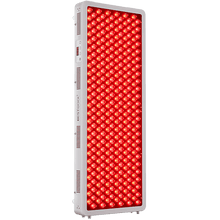
Positioning is thoughtful. For sleep, many protocols suggest sitting or lying about 6–12 inches away from the panel, letting the light fall on the face, neck, and upper body, or using a full‑body panel while lying or standing. Importantly, they also recommend avoiding direct, unprotected gaze into the diodes. Some masks include light‑blocking eye inserts to reduce perceived brightness and improve comfort.
Consistency matters more than intensity. Several wellness sources emphasize using red light therapy at roughly the same time each evening, most days of the week. The idea is to let your brain associate that specific pattern of red light and calm activity with getting ready for sleep. In practice, many people notice improvements within two to four weeks of regular use.
Safety is generally good. Reviews of red light therapy devices for pain, skin, and recovery note a favorable safety profile when devices are used as directed. Cautions include avoiding overexposure, protecting sensitive eyes, and seeking medical advice if you are pregnant, epileptic, or using photosensitizing medications.
If you try this at home, think of red light therapy as part of your bedtime ritual, not as a late‑night stimulant. Keep sessions relatively short, finish them before you actually intend to fall asleep, and keep the rest of the room comfortably dim.
Bedroom Lighting and Red Nightlights
The other common way people use red light at night is as ambient lighting or as a nightlight for bathroom trips, children’s rooms, or a partner coming to bed later. Here the goal is not photobiomodulation, but safe navigation with minimal disruption to sleep.
Sleep and health writers, summarizing human and animal research, generally agree on a few principles. The brain’s circadian system is far more sensitive to blue, violet, and even some green wavelengths than to long‑wavelength red and amber. Warm‑colored light at low brightness is therefore more “sleep‑friendly” than bright white or blue‑rich light.
For pre‑bedtime lighting in the hour or so before sleep, they recommend keeping illumination dim and favoring warmer colors. That might mean using low‑wattage red or amber bulbs in bedside lamps rather than bright overheads. For nighttime awakenings, such as checking on a child or using the bathroom, dim red or amber nightlights placed low to the ground or in hallways provide enough light to move safely while minimizing melatonin suppression.
At the same time, studies in both mice and humans remind us that darkness is still best for deep, restorative sleep. The insomnia trial described earlier found that adding red light at night increased anxiety and disrupted sleep compared with a truly dark condition. A cardiometabolic study highlighted by Huberman Lab showed that even dim light exposure during sleep impaired insulin sensitivity and cardiovascular markers.
A practical rule emerges. Use the least amount of light, of any color, that still allows you to be safe. If you need a nightlight, choose a small, dim red or amber light and position it so it does not shine directly into your eyes. For many people, it is better to turn that nightlight off once you are back in bed rather than leaving it on all night.
When Red Light Might Backfire
Red light is not automatically calming for everyone. The randomized trial in people with insomnia is a clear warning that sitting in one hour of red light before bed can worsen mood and sleep in some individuals. The nighttime EEG study shows that red light can keep your brain in a more alert state, especially at higher intensities.
From a clinical perspective, if you already struggle with significant insomnia, anxiety, or mood symptoms, it is wise to be cautious. Red light therapy should not replace proven treatments such as cognitive behavioral therapy for insomnia or appropriate medical care. If you experiment with red light, do so under the guidance of a health professional and pay close attention to how your body and mood respond.
In my experience, people who get into trouble with red light at night tend to use it too brightly, too close to the eyes, or for too long right before bed. They also often neglect the foundational steps of morning daylight, consistent sleep timing, and evening blue‑light reduction. Adjusting those basics usually has a larger impact than any single gadget.
Pros and Cons of Red Light Exposure at Night
To bring these threads together, it helps to compare different nighttime lighting situations side by side.
Nighttime light situation |
What the research suggests |
Potential benefits |
Potential downsides / cautions |
Short, targeted red light therapy session in the evening (about 10–30 minutes, body‑focused, other lights dim) |
Small trials in athletes and emerging reviews suggest improved sleep quality and higher melatonin for some people when used consistently; evidence is promising but not definitive and sample sizes are small. |
May shorten time to fall asleep and improve subjective sleep, support recovery, and provide relaxation when paired with a calming routine. |
If too bright, too close to the eyes, or too late at night, may feel stimulating; not a proven treatment for insomnia; should be used cautiously in people with significant anxiety or mood issues. |
Dim red or amber nightlight used briefly for bathroom trips or checking on children |
Circadian studies show red light has minimal melanopic effect at low intensities, and sleep experts recommend warm, dim light for necessary nighttime tasks. |
Allows safe navigation while limiting melatonin suppression and circadian disruption compared with bright white or blue light. |
Any light during sleep can slightly reduce sleep depth; best used as dim as possible and turned off when not needed. |
Bright red ambient lighting or long red exposures in the hour before bed |
Nighttime lab studies show red light can increase alertness and heart rate; a randomized trial found red light increased anxiety and worsened some sleep metrics compared with darkness. |
Might feel psychologically cozy for some people and reduce exposure to blue light compared with white lighting. |
Can raise alertness, increase negative mood, and fragment sleep, especially in people with insomnia; not a clearly “safe” substitute for darkness. |
Bright blue or white light at night (screens, overhead LEDs) |
Strongly suppresses melatonin, delays circadian timing, and disrupts sleep onset and continuity according to numerous human studies and public health summaries. |
Valuable during daytime for alertness and mood, and for shift workers who must be awake at night. |
Most disruptive to sleep when used in the hours before bed; associated with insomnia, shorter sleep, and poorer next‑day performance. |
This comparison highlights a simple but powerful principle. Red light is relatively friendlier to your melatonin system than blue light, especially when dim and brief, but the healthiest night for your brain and body is still mostly dark.
A Sensible Nighttime Light Strategy
If you want to use red light to support sleep, anchor your efforts in three pillars.
Give your body strong, natural light cues during the day. Get outside for morning sunlight within the first couple of hours after waking, and, when possible, catch some late‑afternoon sun as well. These anchor your circadian clock and make it easier to fall asleep at night, as emphasized by experts in circadian health.
Protect your evenings from bright, blue‑rich light. Dimming screens, switching to warmer lamps, wearing blue‑blocking glasses, and creating a predictable wind‑down routine are the foundation.
Use red light intelligently, not obsessively. Treat red light therapy as a short, relaxing practice earlier in the evening, or use dim red nightlights sparingly for safety, rather than bathing your bedroom in bright red for hours. Listen to your own response. If you feel more anxious, wired, or sleep becomes more fragmented, pull back or stop and talk with a healthcare professional.

Common Questions about Red Light and Sleep
Is it safe to sleep with a red light on all night?
Most evidence suggests that dim red or amber light is less disruptive than blue or bright white light, but that does not mean all‑night red illumination is beneficial. Continuous light of any color can reduce sleep depth and, in studies, even dim light during sleep has impaired metabolic and cardiovascular markers. A trial in people with insomnia also found that adding red light at night worsened some sleep outcomes compared with a dark condition. If you need a nightlight, keep it as dim as possible, use a warm color, and consider turning it off once you are safely back in bed.
When is the best time to do red light therapy for sleep?
Wellness protocols and small clinical studies generally place red light therapy in the early evening, about thirty minutes before bedtime. Session lengths around 10–20 minutes, sometimes up to thirty minutes, are typical. Finishing the session before you actually intend to fall asleep and pairing it with relaxing activities in a dim room can help your brain interpret it as part of your wind‑down, not as a signal to stay awake.
Can red light replace other treatments for insomnia?
No. While preliminary research suggests red light may improve sleep quality for some people, especially when used consistently as part of a broader sleep routine, it is not a substitute for evidence‑based treatments such as cognitive behavioral therapy for insomnia, or for medical care when sleep problems are driven by conditions like sleep apnea, depression, or chronic pain. Think of red light as a potential adjunct, not a cure‑all, and involve your healthcare provider if insomnia is persistent or severe.
Red light can be a powerful tool, but like any tool, its impact depends on how you use it. When you combine strong daytime light exposure, gentle evenings, a dark bedroom, and thoughtful, moderate use of red light, you are working with your biology instead of against it. That, more than any single device, is how you give your body the best chance at deep, restorative sleep.
References
- https://digitalcommons.butler.edu/cgi/viewcontent.cgi?article=1010&context=buhealth
- https://pmc.ncbi.nlm.nih.gov/articles/PMC10484593/
- https://archive.cdc.gov/www_cdc_gov/niosh/emres/longhourstraining/color.html
- https://www.sleepfoundation.org/bedroom-environment/is-red-light-good-for-sleep
- https://www.news-medical.net/health/Can-Red-Light-Therapy-Improve-Sleep-Skin-and-Recovery.aspx
- https://www.cwc-familychiro.com/sleep---how-red-light-therapy-can-help
- https://www.bigtreesmd.com/post/the-battle-against-insomnia-can-blue-light-blocking-and-red-light-therapy-help
- https://www.calm.com/blog/red-light-sleep
- https://cdaspine.com/let-there-be-light/
- https://www.healthline.com/health/best-color-light-for-sleep


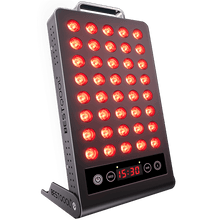
 Small
Small
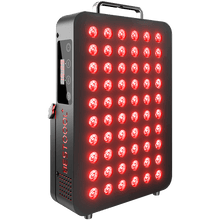
 Moderate
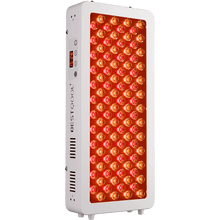
 Moderate
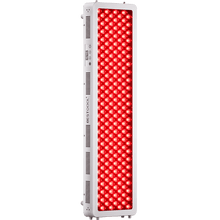
 Moderate
 Full
Full


