

Chin breakouts can feel uniquely frustrating. They show up in every selfie, flare right before important events, and often hurt more than the scattered pimples you may have had as a teenager. Many people who come to me for help with chin or jawline acne have already tried cleansers, spot treatments, and even prescriptions. When they ask about at-home red light therapy, they are usually looking for something that is gentle, non-drug, and realistic to use in everyday life.
In this article, I will walk you through what we reliably know about chin acne from respected medical sources such as Cleveland Clinic, Harvard Health, Johns Hopkins, Healthline, and major dermatology groups. Then I will place red light therapy into that evidence-based picture, focusing especially on light-based devices where red light is combined with blue light for acne. My goal is to help you understand both the potential benefits and the limitations, so you can decide whether red light therapy makes sense as part of your chin-acne plan, not instead of it.
Chin Acne 101: Why the Chin and Jawline Break Out
Acne in general is inflammation of a hair follicle and its associated oil gland. Harvard Health describes this “pilosebaceous unit” as the tiny structure that can become clogged with excess oil, dead skin cells, and bacteria, leading to whiteheads, blackheads, and inflamed pimples. Healthline and other dermatology sources point out that when the focus of breakouts is the jawline, chin, and lower cheeks, hormones often play a particularly strong role.
What makes chin acne different?
Jawline and chin acne often shows up as a band along the lower face rather than across the entire forehead or nose. Healthline notes that this pattern is especially common in adult women and is frequently called “hormonal acne,” even though men and people of any gender can experience it. The lesions may range from small clogged pores and whiteheads to deep, tender nodules or cysts that sit under the skin and can leave scars or dark marks.
Medical News Today emphasizes that chin pimples are very common and closely linked to hormonal fluctuations, especially during puberty and throughout the menstrual cycle. Androgens, the hormones that stimulate oil (sebum) production, are a major driver. When androgen activity rises or the skin’s oil glands are particularly sensitive, oil production increases, pores clog more easily, and redness and swelling follow. Because hormone levels can shift throughout adulthood, chin acne can come and go for many years.
Healthline and other sources also remind us that not every bump on the chin is classic acne. Ingrown hairs from shaving and conditions such as rosacea can mimic pimples, which is one reason persistent or painful breakouts deserve a dermatologist’s evaluation rather than endless guessing.
The role of hormones, stress, friction, and daily habits
Multiple reputable sources describe chin and jawline acne as the outcome of several overlapping factors. Hormones are key, but not alone.
Healthline and Prevention both highlight that hormonal fluctuations around the menstrual cycle, polycystic ovary syndrome, pregnancy, menopause, and changes in birth control can all influence oil production along the chin and jawline. Johns Hopkins dermatology experts explain that as estrogen levels decline relative to male hormones like testosterone and dihydrotestosterone, oil production can increase and the oil itself can become thicker, making clogged pores more likely.
Stress is another important layer. Johns Hopkins notes that stress elevates cortisol and other hormones that drive inflammation and can worsen acne. Prevention similarly points out that chin acne can be linked to stress, and that breakouts themselves can then increase stress, creating a difficult cycle.
Local friction and trapped moisture matter too. Healthline and other sources describe “acne mechanica,” where helmets, tight straps, face masks, chin guards, and even the edge of a cell phone repeatedly rubbing the lower face create heat, sweat, and irritation. This encourages clogged pores and deeper breakouts. Mask-related acne, often called maskne, has become a familiar example around the mouth and chin when masks are worn for long hours.
Finally, daily habits such as frequently touching the face, not washing pillowcases and face cloths often, using heavy or pore-clogging makeup or hair products, and sleeping with makeup on can all add to the burden on already-sensitive chin skin. Verywell Health notes that people touch their faces many times per day, transferring oils and microbes to areas like the chin and around the mouth that are already prone to hormonal flares.

Evidence-Based Treatments for Chin Acne Today
Before we talk about red light therapy, it is essential to ground ourselves in what major medical sources consider first-line care for chin acne. Across Cleveland Clinic, Harvard Health, Healthline, Johns Hopkins, and several dermatology groups, there is strong agreement about the fundamentals.
At-home basics for mild to moderate chin acne
Cleveland Clinic explains that many cases of milder pimples can be managed with nonprescription medications. Common over-the-counter ingredients include benzoyl peroxide, salicylic acid, azelaic acid, and retinoids such as adapalene. Harvard Health similarly identifies adapalene, salicylic acid, and benzoyl peroxide as three main options for mild acne.
These ingredients work in slightly different ways, but they all aim to reduce clogged pores, oil, bacteria, and inflammation. Cleveland Clinic cautions that irritation and dryness are common side effects, especially with benzoyl peroxide and retinoids, and that using these too aggressively can actually worsen redness. Harvard Health notes that irritation usually peaks around two weeks and then improves, and that pairing acne medications with a gentle, fragrance-free moisturizer and daily sunscreen helps protect the skin barrier and reduce dark spots.
Multiple sources emphasize that cleansing twice daily with a mild, non-stripping cleanser is enough. NCBI’s patient education materials on acne point out that normal high-pH soaps can irritate skin and that washing the skin too much can dry it out and make acne worse. Soap-free cleansers with a pH similar to skin are preferred. Rush University dermatology advice adds that scrubbing with washcloths or exfoliating brushes can promote more acne by driving inflammation; fingertips and lukewarm water are usually safer.
Another consistent theme is that there is no quick fix. Harvard Health estimates that even effective regimens may take two to three months to show meaningful improvement. Rush University urges patients to be patient, noting that improvements often require at least three months of regular treatment.
Cleveland Clinic and NCBI are also clear on one more point: do not squeeze or pop chin pimples. Squeezing can drive pus deeper, increase inflammation, introduce bacteria, and dramatically increase the risk of scarring and persistent dark spots.
When prescription care becomes important
When chin acne is painful, cystic, scarring, or simply not responding to weeks of consistent over-the-counter care, dermatology sources recommend stepping up to prescription treatments. Healthline’s overview of jawline acne and several dermatologist-authored pieces in the research notes outline the main options.
Topical prescription retinoids and combination products that pair retinoids with benzoyl peroxide or antibiotics can be more powerful pore-unclogging and anti-inflammatory tools. Topical dapsone or other anti-inflammatory gels may be used, as Johns Hopkins describes.
Oral antibiotics are another option for moderate to severe inflammatory acne, especially when there are many red, tender lesions. Yale Medicine researchers studying sarecycline, a modern tetracycline-class antibiotic, have shown in structural detail how this drug binds bacterial ribosomes at two sites, which helps reduce the likelihood of resistance compared with antibiotics that bind only one site. That kind of research underscores why dermatologists use antibiotics thoughtfully and usually for limited durations, often in combination with topical therapies, rather than as a long-term solo solution.
For women with clearly hormonal chin and jawline acne, several sources, including Healthline and Schweiger Dermatology specialists, discuss hormonal options such as certain oral contraceptive pills or anti-androgen medications like spironolactone. These treatments lower the impact of androgen hormones on the skin’s oil glands. They can be highly effective for the right patient but require careful evaluation, especially when there are clotting risks or other medical issues.
For the most stubborn, scarring, or nodular cases, oral isotretinoin is sometimes used under close supervision, as Healthline and Prevention both note. Isotretinoin can be life-changing for severe acne but involves significant monitoring and strict pregnancy prevention.
In-office procedures play a supporting role. Dermatologists may use chemical peels, professional extractions, steroid injections for large cysts, and light-based therapies such as blue light treatments. Johns Hopkins mentions blue light therapy and chemical peels as tools for clearing acne more quickly, while other sources describe deeper salicylic acid peels and laser-based treatments for resistant cases and for scars.

Where Red Light Therapy Fits In
With that background, where does red light therapy actually sit? The research notes you provided mention light-based acne treatments in two main ways.
First, Johns Hopkins dermatology experts reference blue light therapies as one of several clinic-based options for clearing acne more rapidly. Second, a Prevention magazine review on chin acne notes at-home LED masks that use primarily blue light, often combined with red light, to reduce acne-causing bacteria. These masks are described as adjunct tools rather than stand-alone cures.
When I talk about red light therapy for chin acne in this article, I am referring mainly to these light-based devices: in-office blue-light treatments and at-home LED masks that combine blue and red light. The sources emphasize blue light as the main bacteria-targeting wavelength, with red light often included alongside it.
What we can reasonably say about red and blue LED therapy for acne
From the notes, we can draw a few cautious, evidence-aligned points about light-based therapy in general and blue-plus-red LED masks in particular.
First, light therapy is non-invasive. Unlike oral medications, it does not involve systemic drugs that affect the entire body. That can be appealing for people wary of antibiotics, hormonal medications, or isotretinoin, especially when their acne is mild to moderate rather than severe.
Second, clinic-based blue light treatments and at-home LED masks are positioned as ways to reduce acne-causing bacteria and, in some cases, to complement topical treatments. Prevention explicitly mentions that at-home devices using primarily blue light, often combined with red, can help reduce acne-causing bacteria. Johns Hopkins includes blue light therapy in the same family of options as chemical peels, suggesting that light can help accelerate clearing for some patients when layered onto a broader plan.
Third, these light-based treatments align well with long-standing dermatology advice to avoid picking, scrubbing, or otherwise traumatizing the skin. Light exposure, when used according to directions, does not involve squeezing lesions or rubbing the skin with abrasive tools, both of which NCBI and Rush University warn against because they increase inflammation and scarring risk.
At the same time, no source in your research notes suggests that light therapy alone should replace proven topical or systemic treatments, especially for deep nodular or cystic jawline acne. Light-based tools are consistently described as complementary options.
Potential Benefits of Red Light Therapy for Chin Acne
Within the limits of the evidence summarized above, we can outline some potential advantages of incorporating red-light–containing LED therapy into a chin-acne plan, while recognizing that the strongest data in these notes focus on blue light and on conventional treatments.
A gentle, non-drug add-on
Many people seeking red light therapy have already experienced dryness, peeling, or irritation from benzoyl peroxide, salicylic acid, or retinoids. Cleveland Clinic and SELF magazine both stress that these ingredients can over-dry the skin and damage the moisture barrier if used too often or at high strengths. When the skin is flaky, itchy, or peeling, SELF notes that irritation itself can trigger more oil production and more clogged pores.
Light-based therapies sit in a different category. They do not rely on chemical exfoliation or antibiotics. For some people with sensitive chins or those who are already maximally using topical treatments, adding LED sessions instead of increasing drug doses can be a way to seek additional benefit without simply layering more active ingredients on irritated skin.
Support for bacteria control without more antibiotics
The Yale Medicine research on sarecycline highlights how important it is to preserve antibiotic effectiveness and how resistance can emerge when bacteria mutate drug-binding sites. Dermatologists therefore try to minimize long-term antibiotic courses and look for alternative ways to control bacteria and inflammation.
Prevention’s mention of at-home LED masks using primarily blue light, often combined with red, to reduce acne-causing bacteria fits naturally into that context. If light-based therapies can help control bacteria on the skin surface, they may allow some patients to rely less on prolonged antibiotics or to use shorter courses, always under medical guidance. The notes you shared do not claim that light therapy definitively reduces antibiotic requirements, but they do support the idea that non-drug adjuncts are attractive in an era of antibiotic stewardship.
Alignment with a holistic, lifestyle-focused approach
Several sources in your research notes emphasize that acne management is not just about one product. Harvard Health, Rush University, and NCBI all highlight diet, stress management, gentle skin care, and realistic expectations as part of effective care. Harvard Health notes associations between high-glycemic diets and more acne, and both Harvard and Provenskincare describe clearer skin in people following lower-glycemic eating patterns rich in whole foods. Johns Hopkins and Schweiger Dermatology stress the impact of chronic stress and recommend stress-reduction strategies to help calm inflammatory responses.
Light-based therapies, including red-light–containing devices, fit best when they are one tool within this broader picture: consistent cleansing, acne-friendly topical treatments, barrier-supporting moisturizer, sun protection, attention to diet and stress, and avoidance of picking or harsh scrubs. Used this way, red light therapy can help people feel that they have more than one lever to pull, which can be important for motivation and emotional well-being when chin acne has been discouraging.

Limitations and Unknowns of Red Light Therapy for Chin Acne
Because the sources you provided mention light therapy only briefly, mostly in the form of blue light or blue-plus-red LED masks, it is important to be honest about what remains uncertain.
First, there are no detailed protocols, statistics, or head-to-head comparisons with other acne treatments in these notes. We are not told exactly how many minutes, how many times per week, or how many weeks are optimal for light therapy on the chin. We also do not see outcome numbers such as “this many lesions reduced” or “this percentage improvement” for red light or blue-plus-red light.
Second, major medical sources such as Harvard Health, Cleveland Clinic, and Johns Hopkins emphasize topical retinoids, benzoyl peroxide, salicylic acid, azelaic acid, hormonal therapies, and in some cases isotretinoin as the proven pillars of acne therapy. Light therapy appears as an adjunct rather than a replacement. Based on that pattern, it is reasonable to view red light therapy as something that might modestly support your results, not as a stand-alone cure for moderate or severe chin acne.
Third, cost and access vary widely. Clinic-based light treatments may require repeated visits and can be expensive. At-home LED masks and devices range in price and quality, and the notes do not provide guidance on how to evaluate specific brands. This is another reason to involve a dermatologist, who can help you avoid over-investing in devices that are unlikely to match your skin’s needs.
Finally, severe, painful, or suddenly worsening chin or jawline acne, especially when accompanied by signs of hormone imbalance such as irregular periods or new facial hair, should trigger a medical evaluation. Healthline makes this point clearly: treatment-resistant jawline acne can be a sign of underlying hormonal conditions like polycystic ovary syndrome. No form of light therapy should delay appropriate medical workup in those situations.

Red Light Therapy in a Practical Chin-Acne Routine
One of the most helpful ways to think about red light therapy is to place it visually into an everyday routine. Here is how I typically coach someone to integrate light-based therapy, always alongside dermatologist-approved treatments from the sources you shared.
Morning: protect, prevent, and stay gentle
In the morning, start with a gentle cleanse using lukewarm water and a non-irritating cleanser. NCBI recommends soap-free products with a skin-like pH around 5.5, and Harvard Health suggests limiting washing to twice a day to avoid over-drying. Massage the cleanser in with your fingertips rather than a rough cloth or brush, as Rush University dermatologists caution against exfoliating tools that increase inflammation.
If your dermatologist has recommended a morning acne treatment such as a salicylic acid cleanser, a benzoyl peroxide wash, or a topical antibiotic combined with benzoyl peroxide, this is when you would use it. Cleveland Clinic notes that washes are generally less irritating than leave-on products and that lower strengths may be better tolerated for sensitive skin.
After rinsing, apply a light, non-comedogenic moisturizer to maintain your skin barrier. Multiple sources, including Bellaire Dermatology and La Roche-Posay’s dermatology guidance, emphasize that moisturizer is “non-negotiable” in acne care because acne-fighting ingredients strip oils and leave the skin vulnerable.
Sun protection is the last morning step. Harvard Health and several dermatology brands in your notes stress the importance of daily, broad-spectrum sunscreen, especially when using retinoids or acids. Sunscreen protects against darkening of post-acne marks and long-term damage.
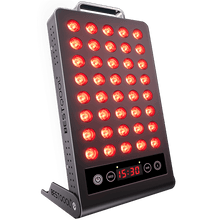
If you are using an at-home LED mask that combines blue and red light, you and your dermatologist might decide to place your light session either before topical treatments (on cleansed skin) or after cleansing and before sunscreen. The best sequence can depend on the specific device and products you use, so professional guidance is invaluable here.
Evening: repair, treat, and support healing
In the evening, cleanse again with a gentle cleanser, especially if you have worn makeup, sunscreen, or been sweating. Verywell Health and others recommend washing the face after sweating and avoiding strong hot water, which can aggravate inflammation.
For many people, the evening is when prescription or over-the-counter retinoids come in. Harvard Health and SELF highlight adapalene and other retinoids as key tools to normalize skin-cell shedding inside the follicle, prevent clogged pores, and address texture and pigmentation. Because retinoids can be irritating, the advice from these sources is to start with a pea-sized amount, apply it to dry skin a few times per week, and gradually increase frequency as tolerated, buffering with moisturizer if needed.
If you are incorporating an LED mask with red and blue light, you might schedule the session on clean, dry skin before applying retinoids. This helps reduce the chance of unpredictable interactions between light and active ingredients and is consistent with the idea, reflected across your sources, of minimizing irritation by not stacking too many intense treatments directly on top of each other.
Finish with a non-comedogenic moisturizer suited to your skin type. Hydrating the chin and jawline, even if they are oily, reassures the skin that it does not need to overproduce oil and helps reduce the dryness-related breakouts SELF describes.
Comparing Red Light Therapy with Other Chin-Acne Options
It can be helpful to see where red-light–containing LED therapy stands relative to your other choices. The table below summarizes the themes that emerge from the research notes.
Approach |
Main target |
Potential benefits (from notes) |
Key limitations (from notes) |
Topical salicylic acid, benzoyl peroxide, adapalene, azelaic acid |
Clogged pores, excess oil, bacteria, inflammation |
Widely recommended by Cleveland Clinic, Harvard Health, Healthline, and others as first-line for mild to moderate acne; can clear comedones, reduce redness, and prevent new lesions |
Commonly cause dryness, peeling, and irritation; overuse can damage the moisture barrier and worsen acne; require consistent use for months |
Oral and topical antibiotics |
Bacterial overgrowth and inflammation |
Effective for inflammatory lesions when used appropriately; structural research from Yale Medicine on sarecycline highlights strategies to reduce resistance |
Risk of antibiotic resistance and systemic side effects; typically used for limited durations and combined with other therapies |
Hormonal treatments (certain oral contraceptives, spironolactone, topical anti-androgens) |
Hormone-driven oil production |
Particularly helpful for jawline and chin acne in adult women with hormonal patterns, as described by Healthline and Schweiger Dermatology; can significantly reduce deep, cyclical breakouts |
Not suitable for everyone; require medical evaluation and monitoring; potential side effects and contraindications |
Isotretinoin |
Severe, nodular, scarring acne |
Can dramatically reduce severe, treatment-resistant acne and prevent further scarring, as Healthline notes |
Requires close monitoring and strict pregnancy prevention; reserved for serious cases |
Light therapy (blue light in-office; blue-plus-red at-home LED masks) |
Acne-causing bacteria and, potentially, inflammation |
Johns Hopkins and Prevention describe blue light therapies and at-home LED masks (primarily blue, often combined with red) as tools to reduce bacteria and speed clearing when added to a broader plan; non-drug and non-invasive |
Evidence in the notes is limited and mostly adjunctive; no detailed protocols or outcome statistics; not positioned as a stand-alone replacement for established therapies |
This comparison highlights a key point: red-light–containing LED therapy sits alongside other supportive measures rather than above them. It is a gentle, non-drug option in a toolkit where topicals, hormonal therapies, and sometimes systemic medications remain the core evidence-based treatments.

Who Might Benefit Most from Adding Red Light Therapy?
Based on the patterns across your research notes, red light therapy is most plausible as a helpful add-on for certain situations, while less appropriate as the main treatment in others.
People with mild to moderate chin acne who have already committed to a consistent routine of gentle cleansing, appropriate topicals, and sun protection may be good candidates to try an LED mask that combines blue and red light, especially if they want to emphasize non-drug adjuncts. For example, someone using a salicylic acid cleanser and a low-strength adapalene gel whose breakouts are improved but still persist might consider an LED device after talking with a dermatologist.
People with sensitive, easily irritated skin who struggle to tolerate higher strengths of benzoyl peroxide or frequent retinoid use might be interested in light therapy as a way to support bacteria control without simply escalating chemical strength. The key is to use light therapy instead of adding more harsh topicals on already inflamed skin.
On the other hand, individuals with deep, painful cystic jawline acne, sudden severe flares, or signs of hormone imbalance such as irregular periods or excess facial hair should prioritize medical evaluation first. Healthline, Jennifer Baron MD, and other sources in your notes stress that cystic jawline acne often resists traditional teen acne remedies and responds better to hormonal therapy, oral medications, or in-office procedures. In those cases, red light therapy may be something to add later, once the main fire is under control, rather than the first or only line of defense.
Similarly, if chin acne is leaving scars or dark marks, or if it has not improved after several months of faithful over-the-counter care, multiple sources including Harvard Health and Rush University recommend seeing a dermatologist. Light therapy without addressing underlying hormonal, dietary, mechanical, or medication-related factors is unlikely to solve the problem on its own.

FAQ: Red Light Therapy and Chin Acne
Can red light therapy replace my acne medications?
The sources you provided do not support using light therapy as a replacement for well-studied acne treatments, especially in moderate to severe cases. Harvard Health, Cleveland Clinic, Johns Hopkins, and several dermatology groups treat topical retinoids, benzoyl peroxide, salicylic acid, azelaic acid, and, when needed, hormonal therapies or isotretinoin as the foundation. Light therapy, including blue and red LED masks, appears as an adjunct that can help reduce acne-causing bacteria and speed clearing when added to a broader plan. For some people with very mild chin acne, light therapy plus excellent skin care may be enough, but that decision should be made with a clinician who knows your history.
How long does it take to see results from light-based therapy?
None of the notes you shared give specific timelines for red-light or blue-light devices. However, the same sources are clear that acne in general improves slowly. Harvard Health and Rush University both emphasize that even effective treatments may take two to three months or more to show substantial improvement, and that consistency matters more than intensity. It is reasonable to expect that any benefit from light-based therapy will show up over weeks to months, not overnight, and that it will be difficult to separate the effect of light alone from the impact of all the other changes you are making at the same time.
Is red light therapy safe if my chin acne is hormonal?
Hormonal chin and jawline acne is very common, especially in adult women, as Healthline, Johns Hopkins, and Schweiger Dermatology describe. The main safety considerations in those discussions revolve around hormonal medications, pregnancy prevention with isotretinoin, and the systemic impact of treatments like spironolactone or birth control pills. Light therapy is non-hormonal and non-systemic, which is one reason it is attractive as an adjunct. That said, if your acne pattern or other symptoms suggest a hormonal condition such as polycystic ovary syndrome, light therapy should never substitute for proper medical evaluation. In those situations, using an LED device might be safe from a skin perspective, but it would not address the underlying endocrine issue.
A Compassionate Closing Thought
Chin acne is not a sign that you are dirty, lazy, or doing everything wrong. The medical sources you shared are very clear that hormones, genetics, and normal life stresses play a major role. Red light therapy, especially in the form of blue-plus-red LED masks, can be a gentle, non-drug ally layered into a thoughtful routine built on proven treatments, healthy habits, and professional guidance when needed. If you are feeling overwhelmed by options, you do not have to figure this out alone; bringing your questions, including questions about red light therapy devices, to a trusted dermatologist or skin specialist is a powerful first step toward calmer, clearer skin along your chin and jawline.
References
- https://www.health.harvard.edu/blog/acne-what-you-need-to-know-2019010315717
- https://www.rush.edu/news/12-tips-combat-acne
- https://www.ncbi.nlm.nih.gov/books/NBK279208/
- https://medicine.yale.edu/news-article/antibiotics-for-acne-groundbreaking-study-shows-why-one-works-best/
- https://louisville.edu/medicine/cme/documents-2018/hawaii-derm-supplement-2018-needs-assessment/
- https://www.fammed.wisc.edu/files/webfm-uploads/documents/outreach/im/tool-acne.pdf
- https://www.aad.org/when-acne-wont-clear
- https://my.clevelandclinic.org/health/diseases/22468-pimples
- https://www.hopkinsmedicine.org/health/wellness-and-prevention/got-adult-acne-get-answers-from-an-expert
- https://www.tuftsmedicine.org/about-us/news/adult-acne-age-30


 Small
Small

 Moderate

 Moderate

 Moderate

 Full
Full

