

If you train in combat sports, you already know the truth most people never see on fight night. It is not just the rounds of sparring or the miles on the road. It is the deep bone fatigue, the swollen knuckles, the tight neck that will not quite turn, and the sleep that gets choppy as intensity ramps up.
As a red light therapy specialist who works with striking and grappling athletes, I see the same pattern over and over: the fighters who manage recovery like a serious part of training can train harder, string together more high‑quality sessions, and walk into camp with fewer nagging injuries. Red light therapy will not win you a belt on its own, but used well, it can become a real advantage in how you recover between wars in the gym.
This article breaks down what red light therapy actually does, what the research shows for performance and recovery, how it applies specifically to combat sports, and how to use it safely at home as part of a complete recovery plan.
The Reality of Wear and Tear in Combat Sports
Combat sports load the body in a unique way. Strikers slam shins and fists into hard targets, live on one leg for kicks, and twist their spine through thousands of rotational reps. Grapplers and mixed martial artists live in isometric tension, getting stacked on their necks, cranked at the shoulder, and torqued through the hips and lower back. On top of that, hard camps bring sleep disruption, weight‑cut stress, and chronic inflammation.
In practical terms, this usually shows up as three types of problems.
The first is acute trauma such as sprains, contusions, and minor tears. Think rolled ankles, jammed fingers, rib bruises, and tender elbows after weeks of armbar defense.
The second is chronic overload. Sore patellar tendons from endless level changes, tight hamstrings and adductors from pummeling and shooting, and irritated necks from guillotines and clinch fighting are all classic examples.
The third is system‑wide fatigue. Fighters describe feeling “foggy,” sore for days longer than usual, and less explosive, even when they are still hitting their conditioning work. Sleep quality often drops right when they need it most.
Red light therapy has gained attention in this world because it targets some of the biological factors underneath those issues: cellular energy, inflammation, blood flow, and pain modulation.

Red Light Therapy 101: What It Is and How It Works
Red light therapy is the everyday name for a technology called photobiomodulation. It uses specific bands of red and near‑infrared light to change biological processes in cells without burning or cutting the skin. Historically, dermatology and oncology clinics used related technology to help damaged skin cells die so new, healthy skin could grow. More recently, it has been used for hair thinning, wound healing, and musculoskeletal pain in medical centers such as Stanford Medicine, MD Anderson Cancer Center, and University Hospitals.
Unlike heating pads or topical creams, red light therapy works primarily at the cellular level. Studies summarized by sports medicine practices and physical therapy clinics describe several key mechanisms.
First, red and near‑infrared light is absorbed by an enzyme in the mitochondria called cytochrome c oxidase. This interaction helps displace a chemical called nitric oxide that can block normal mitochondrial function under stress. Once that block is reduced, the mitochondria can use oxygen more effectively and produce more adenosine triphosphate, the basic energy currency of the cell. Sports performance clinics report increases in mitochondrial energy output by up to about double in some lab settings.
Second, photobiomodulation influences blood flow and nitric oxide signaling. Red and near‑infrared light can promote vasodilation, which means blood vessels widen and carry more oxygen and nutrients into muscle and connective tissue, while carrying waste products out more effectively.
Third, red light therapy modulates inflammation and oxidative stress. Basic science and clinical studies cited by journals such as Laser Therapy and by sports‑focused clinics show reductions in pro‑inflammatory markers and improvements in antioxidant defenses inside the tissue. That does not mean inflammation disappears. Instead, the inflammatory response appears to be better regulated, which matters for chronic joint and tendon irritation.
Finally, there is a neuromodulation aspect. Pain specialists describe how low‑level light can influence nerve signaling and the release of neurotransmitters, which may change how the brain perceives pain, even when structural issues remain.
In simple terms for fighters, red light therapy aims to help tired or stressed tissue make more clean energy, flush out more waste, calm down over‑active inflammation, and change how pain signals are processed, all without drugs or needles.

From Skin Clinics to the Training Room
Academic centers such as Stanford Medicine emphasize that red light therapy has the strongest and most consistent evidence for hair regrowth in thinning follicles and modest skin rejuvenation, while claims related to athletic performance, sleep, chronic pain, or cognition are still in earlier stages of research. Clinical dermatology devices are carefully calibrated and more powerful than many consumer products, and even those are not a cure‑all.
At the same time, a separate body of sports and rehabilitation research has emerged. A review on PubMed Central in 2016 examined forty‑six clinical studies with over one thousand healthy volunteers and athletes, looking at muscle strength, repetitions, time to exhaustion, soreness, and markers of muscle damage. Multiple physical therapy and sports performance clinics have since integrated similar protocols in practice.
The result is a mixed but promising picture. Some trials show clear benefits for performance and recovery; others show little or no effect, especially when the dose or application protocol is off. Understanding that nuance is important if you are going to invest your time and money wisely.

What the Science Shows for Athletes and Fighters
Muscle performance and strength
Several sports medicine centers and reviews report that when red light therapy is used alongside strength or endurance training, athletes can see meaningful gains compared with training alone.
Functionally, this shows up as being able to perform more repetitions to failure, generate higher torque in leg extension tests, and reach exhaustion later in endurance protocols. Clinics such as FunctionSmart report research where targeted red and near‑infrared light around the mid therapeutic range improved mitochondrial energy production and led to noticeable increases in strength, endurance capacity, and power output.
The 2016 review on photobiomodulation and muscle performance found that pre‑treating muscles before exercise often increased the number of repetitions and total work athletes could perform, particularly when red or near‑infrared light was applied to major muscle groups at specific energy doses. Studies from Synergy Physical Therapy and Wellness describe similar findings: when low‑level lasers or LEDs were applied before knee and elbow strength tests, athletes showed greater peak torque and total work, and in some studies those benefits extended to older adults as well.
From a fighter’s perspective, that translates into small but meaningful changes. When your pressing muscles can do an extra few quality repetitions, or your legs can tolerate one more hard round before form breaks down, that accumulates over weeks of camp.
However, not every study showed benefits. The PubMed review notes that some protocols using similar wavelengths but different doses or fewer application points did not improve strength or repetitions compared with placebo. That tells us dose, timing, and coverage matter, and that you cannot assume any red light device at any setting will deliver the same effect.
Soreness and day‑to‑day recovery
Many fighters become interested in red light therapy because of soreness. Delayed onset muscle soreness, the deep ache that peaks a day or two after heavy training, can make stairs feel like a mountain and sap snap from your strikes.
Sports‑focused clinics report that consistent red light therapy can cut post‑exercise soreness significantly. FunctionSmart notes research where delayed onset muscle soreness scores dropped by roughly half in some protocols. LED Technologies, which manufactures FDA‑cleared sports recovery devices, cites a Laser Therapy journal study of sixty‑five university athletes with sports injuries. In that study, athletes using LED phototherapy returned to play in an average of 9.6 days compared with an anticipated 19.23 days, with no reported adverse events.
On the other hand, a meta‑analysis summarized by Athletic Lab, a performance institute, looked at fifteen studies and over three hundred participants and concluded that evidence for meaningful soreness reduction is weaker than many marketing claims suggest. Some individual trials showed less soreness and better preserved muscle function; others did not.
When I look at fighters in real life, that mixed picture rings true. Some athletes report a clear difference in how their legs and shoulders feel after a few weeks of consistent use; others notice only subtle changes, especially if sleep, nutrition, and load management are not in order. Red light therapy seems most reliable as part of a multi‑layered recovery plan, not as a stand‑alone soreness fix.
Injury healing and return to play
For combat sports, the ability to reduce downtime after minor injuries can define an entire season. Sprained ankles from awkward takedown defense, strained hamstrings from explosive shooting, and chronic elbow or wrist irritation from grappling are common.
Rehabilitation‑oriented companies such as LED Technologies and Krysus Health and Performance highlight research where red and infrared light accelerated healing for sprains, strains, ligament issues, and tendonitis. In the Laser Therapy study already mentioned, athletes with various sports injuries saw their expected time away from play cut by about half with LED phototherapy, again without reported adverse events.
Other clinical work in journals and systematic reviews, particularly around knee osteoarthritis and postoperative pain, shows that photobiomodulation combined with targeted exercise programs can reduce pain and improve function more than exercise alone. For fighters, that combination is key. Light therapy can support tissue quality and pain control, but joint stability and long‑term resilience still depend on smart loading, technique, and strength work.
It is important to keep academic perspective in mind. University Hospitals and other medical centers emphasize that red light therapy is unlikely to repair major structural problems. It may help with inflammation, pain, and tissue quality around a damaged area, but it will not reconstruct a torn ligament or reverse advanced joint degeneration. For fighters, that means using it for what it does best: supporting soft tissue healing and reducing symptom burden while you address mechanics and strength with your medical and coaching team.
Pain, inflammation, and joint health
Chronic pain is widespread in the general population, and in combat sports it can feel almost universal. Knees, lower backs, shoulders, and necks often carry years of accumulated stress.
Multiple pain and rehabilitation reviews, including work cited by Main Line Health, MD Anderson, and systematic reviews in musculoskeletal journals, conclude that red light therapy can meaningfully reduce pain and improve function in chronic conditions such as neck pain, chronic low back pain, knee osteoarthritis, temporomandibular joint disorders, and even fibromyalgia when protocols and doses are appropriate.
Mechanistically, photobiomodulation reduces inflammatory mediators like certain cytokines, boosts antioxidant defenses, and influences nerve and spinal cord processing of pain signals. Some studies compare red light therapy favorably with more traditional modalities such as therapeutic ultrasound for chronic low back pain, at least in the short term.
For combat athletes dealing with long‑standing joint and tendon irritation, that means red light therapy can be a useful tool to lower background pain and stiffness enough to train better. It should not replace diagnostic work, movement correction, or progressive strength and mobility programs, but it can make those foundations easier to execute.
Sleep, stress, and mental recovery
Sleep is arguably the most powerful legal performance enhancer a fighter has. It restores nervous system function, balances hormones, consolidates skill learning, and directly influences pain perception and immune function.
Athletic Lab points to research in team sport athletes where evening red light exposure improved subjective sleep quality and increased melatonin secretion. The same facility describes experiments in which red light therapy applied during or just after waking reduced sleep inertia, the grogginess that can kill early‑morning training quality.
At the same time, Stanford Medicine specifically notes that claims about red light therapy for sleep, mood, and athletic performance lack the same level of robust evidence seen for hair and skin applications. That does not mean there is no effect; it means the data are early, methods and devices differ widely, and more rigorous trials are needed before making strong promises.
In practice, many fighters who build a consistent evening routine around lower intensity red light therapy, good sleep hygiene, and reduced late‑night screen exposure report better sleep over time. Whether red light is the main driver or part of a calming ritual, if it helps you sleep more deeply and wake less sore, that is valuable, as long as you keep expectations realistic and prioritize proven sleep behaviors.
How solid is the evidence overall?
When you put all of the research together, several honest points emerge.
Photobiomodulation clearly changes biology. Mitochondria respond to red and near‑infrared light. Blood flow shifts, inflammatory pathways adjust, and cells alter gene expression. Academic groups and sports clinics broadly agree on this.
Clinical evidence in athletes is promising but heterogeneous. The PubMed Central review of forty‑six trials, plus additional studies highlighted by sports clinics and device manufacturers, shows frequent improvements in strength, endurance, and recovery markers when therapy is properly dosed, especially as a pre‑exercise “muscle pre‑conditioning” tool. Nevertheless, some high‑quality trials show no benefit, and methods vary widely.
Meta‑analyses suggest modest benefits, not miracles. For delayed onset muscle soreness and certain chronic pain conditions, pooled data show small to moderate improvements at best, and effects depend heavily on dose and protocol.
Major academic centers caution against viewing red light therapy as a cure‑all. Stanford Medicine and MD Anderson emphasize that for pain, performance, sleep, and other complex outcomes, evidence is still developing. They highlight the need for standardized dosing, device quality control, and larger, unbiased trials.
For a fighter, the takeaway is this. Red light therapy is a low‑risk, biologically plausible tool with enough evidence to justify thoughtful use, especially if you are already serious about sleep, nutrition, and smart programming. It should be seen as a way to potentially improve the quality of recovery and training, not as a shortcut that replaces hard work or medical care.
Practical Red Light Strategies for Combat Athletes
If you decide to integrate red light therapy into your training, the details matter: when you use it, how often, where you aim it, and what kind of device you use.
Timing around training
Sports medicine and performance clinics frequently distinguish between pre‑exercise and post‑exercise use.
Pre‑exercise sessions are often used as a “muscle priming” strategy. The photobiomodulation review and several sports performance clinics report that when athletes receive red or near‑infrared light shortly before strength or endurance work, they can perform more repetitions, generate more torque, or maintain higher intensity longer before fatiguing. Osmosis‑style summaries from recovery centers describe pre‑session treatments done about fifteen to thirty minutes before training for key muscle groups.
For a fighter, that might mean treating the shoulders and upper back before a heavy pad session, the hips and legs before wrestling practice, or the knees and hamstrings before intense conditioning. The goal is not to feel dramatically different in the moment; it is to slightly improve how your muscles handle the workload.
Post‑exercise use is aimed at recovery. Several sources, including FunctionSmart and Physical Achievement Center, note that applying red light within roughly two to four hours after intense training can support faster restoration of muscle energy stores, reduced inflammatory markers, and improved removal of metabolic waste. Clinics and at‑home guidance from companies like Krysus Health and Poll to Pastern commonly recommend sessions of about ten to twenty minutes per target area, repeated multiple times per week.
Between camps or on lighter days, some athletes use red light therapy as a general maintenance tool, focusing on chronic hot spots such as knees, lower back, or shoulders.
Frequency and consistency
Most practical protocols in sports and rehab settings emphasize consistency over intensity. Rehabilitation resources and device manufacturers commonly suggest two to five sessions per week for injury recovery and two to three sessions per week for maintenance, with session durations around ten to thirty minutes depending on device power and the size of the area being treated.
University Hospitals and other medical sources highlight that people should expect to need several treatments before noticing effects. Many athletes report early changes in stiffness and soreness, with clearer shifts in training capacity and pain patterns emerging after two to four weeks of consistent use. In my experience, fighters who track their sessions and subjective recovery over four to six weeks get a much clearer picture than those who try a few random treatments and then give up.
Targeting fighter‑specific hot spots
Combat sports place recurring stress on certain areas, and it makes sense to focus there, especially with at‑home targeted devices.
Strikers often benefit from focusing on wrists and hands, shins, knees, hips, and shoulders. Grapplers and mixed martial artists may prioritize the neck, upper back, elbows, fingers, hips, and lower back. In practice, I often see fighters choose one or two priority regions per session rather than trying to light up the entire body every time, especially when using smaller at‑home panels or pads.
Red light primarily affects more superficial tissues and skin quality, while near‑infrared penetrates deeper toward muscle, fascia, tendons, and even bone. Clinics such as Physical Achievement Center in Oshkosh highlight this difference and tailor devices accordingly. For combat athletes with deep joint or muscle issues, near‑infrared‑capable devices are particularly valuable.
As always, avoid shining bright light directly into the eyes and follow medical advice if you have any condition involving photosensitivity.
Building a simple weekly rhythm
Instead of thinking in terms of complicated protocols, it often works better to anchor red light sessions to training blocks you already do.
For example, during a hard camp, you might treat knees and hips before lower‑body strength once or twice a week, shoulders before your heaviest pad or bag sessions, and then ribs or lower back on evening recovery days after sparring. On off days you might choose a chronic trouble spot, such as an old ankle injury, for a focused session while you hydrate and work on mobility.
The key is to integrate therapy into a sustainable routine rather than treat it as a novelty. A ten to twenty minute targeted session that you actually do three times a week is more valuable than an elaborate protocol you abandon after a week.
Home Versus Clinic: Which Makes Sense for Fighters?
At this point, athletes can choose between in‑clinic treatments using medical‑grade devices and at‑home systems that range from small pads to full‑body panels. Each has pros and cons from a fighter’s standpoint.
Option |
Typical features |
Best suited for |
Trade‑offs |
In‑clinic medical devices |
Higher, well‑characterized power output; supervised by trained providers; often combined with physical therapy or manual work |
Significant injuries, chronic pain, post‑surgical rehab, complex cases needing medical oversight |
Travel time, scheduling around training, higher per‑session cost; usually focused on specific regions rather than general daily maintenance |
At‑home targeted devices |
Smaller pads, wraps, or handheld units; focused on joints, tendons, and small muscle groups; convenience of daily use |
Ongoing joint or tendon issues, hands, feet, knees, neck, localized soreness |
Power output varies by brand; technique and consistency depend on you; requires attention to manufacturer instructions |
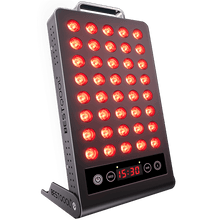
At‑home panels or larger systems |
Greater body coverage; can treat multiple regions in one session; useful for overall recovery and skin benefits |
High‑training‑load fighters wanting a regular whole‑body or multi‑area routine |
Higher up‑front cost; need for a dedicated space; some devices are less well characterized in terms of actual dose delivery |
Academic medical centers such as Stanford Medicine caution that at‑home devices vary widely in wavelength, intensity, and quality. Some are FDA‑cleared, but clearance typically reflects safety for specific uses rather than iron‑clad proof of effectiveness for every benefit advertised. Pain centers like MD Anderson and Main Line Health recommend consulting with a clinician, especially if you have significant medical issues, and using at‑home devices as part of a broader plan rather than a stand‑alone treatment.
From a combat sports recovery standpoint, many fighters use both. They might receive supervised sessions during a rehabilitation phase and then rely on a reliable at‑home device for maintenance once they are back in full training.
Pros and Cons for Fighters
Red light therapy has genuine upsides and real limitations. Seeing both clearly helps you avoid disappointment and misuse.
Aspect |
Potential upside for fighters |
Important caveats |
Performance and training capacity |
Studies in sports clinics show improved strength, endurance, and time to exhaustion when therapy is paired with training, particularly when used as pre‑conditioning |
Not all studies find benefits; effects depend heavily on dose, timing, and device quality; benefits tend to be modest rather than dramatic |
Recovery and soreness |
Clinical work and sports rehab cases report faster return to play after injuries, reduced delayed onset muscle soreness in some protocols, and better day‑to‑day readiness |
Meta‑analyses indicate the overall effect on soreness is smaller and less consistent than many advertisements claim; fundamentals like sleep and programming still dominate |
Injury support |
Evidence for faster healing of sprains, strains, and tendon issues when combined with rehab; Laser Therapy study in athletes showed roughly half the expected time out of play with LED phototherapy and no adverse events |
Therapy does not replace load management, technique changes, or medical care; it is less likely to help with severe structural injuries such as full ligament tears |
Pain relief |
Multiple systematic reviews show reduced pain and improved function in chronic neck pain, low back pain, knee osteoarthritis, and other musculoskeletal conditions |
Pain reduction does not mean the underlying cause is resolved; over‑reliance can mask issues if you ignore persistent red flags |
Safety and side effects |
When used correctly, red light therapy is generally low risk, noninvasive, and drug‑free; at‑home devices are usually less intense than clinical lasers |
Eye protection is critical; overexposure can, in rare cases, irritate skin or overheat tissues; people with certain conditions (photosensitivity, pregnancy, active malignancy) need medical guidance |
Cost and practicality |
At‑home devices allow fighters to build regular protocols without travel; small targeted units can be relatively affordable compared with repeated clinic visits |
High‑quality panels and professional devices can cost hundreds to thousands of dollars; insurance rarely covers them; a device only helps if you actually use it as directed |

Safety, Risks, and When to Be Cautious
Most clinical sources agree that red light therapy has a favorable safety profile when properly used, but “safe” does not mean “use without thinking.”
Medical centers such as MD Anderson require eye protection during laser‑based treatments to prevent retinal damage. Even with lower intensity LED devices, you should avoid staring directly into the light and protect your eyes when treating areas near the face.
Some patients experience mild skin warmth or irritation, especially with higher power or longer sessions. Starting with shorter sessions and following manufacturer recommendations reduces this risk. Clinics emphasize that more is not always better; international organizations such as the World Association for Laser Therapy publish dose guidelines because excessive dosing can blunt benefits.
Main Line Health and other hospital systems note that people with certain conditions, such as significant skin sensitivity, photosensitive disorders, or those who are pregnant, may be advised to avoid or delay treatment. Many protocols also avoid treating directly over known or suspected malignancies without oncologist oversight.
If you have a complex medical history, chronic neurological conditions, or previous eye issues, it is wise to discuss red light therapy with your physician or sports medicine provider before starting, especially if you plan to use higher‑powered devices or treat larger body areas frequently.

A Fighter‑Focused Way to Integrate Red Light Therapy
When I help combat athletes build red light routines, we always start with three pillars: medical clearance when needed, solid recovery fundamentals, and clear priorities.
First, if you have red flag symptoms such as unexplained weight loss, night pain, severe weakness, significant swelling, or neurological signs, see a qualified health professional before focusing on light therapy. Do the same for significant acute injuries instead of using light to “push through” serious damage.
Second, take a hard, honest look at your fundamentals. Sleep duration and quality, total weekly load, periodization, nutrition, hydration, and stress management are still the heavy hitters for performance and recovery. The literature from University Hospitals and others makes it clear that red light therapy should sit on top of these basics, not underneath them.
Third, choose one or two priorities for trial. For example, you might target chronic knee pain and lower‑body soreness during a wrestling‑heavy block, or neck and shoulder recovery during a striking‑dominant phase. Commit to a specific protocol for at least four to six weeks: a consistent number of sessions per week, clear target areas, and stable session lengths.
During that period, keep notes on soreness, joint pain, training quality, and sleep. If you are a data‑driven fighter, you can also track objective metrics such as vertical jump, bar speed, or sparring volume. At the end of the trial, you and your team can make a more informed decision about whether red light therapy is pulling its weight for you personally.
Quick Questions Fighters Ask About Red Light Therapy
How fast will I notice a difference?
Clinical and sports performance sources converge on a similar pattern. Some athletes notice early changes in stiffness, soreness, or sleep within the first one or two weeks. More measurable shifts in training capacity, reduced fatigue, and better performance markers often show up after two to four weeks of consistent use, and sometimes a bit longer for chronic pain conditions. Hospital systems such as University Hospitals caution people to expect several treatments before noticing benefits, not overnight change.
Can I overdo red light therapy?
Light therapy appears to have a therapeutic window. Basic science and animal work cited in musculoskeletal journals show that low to moderate doses can improve mitochondrial function and reduce inflammatory markers, but high doses may produce little added benefit and can, in some cases, blunt the positive response. International dose guidelines and clinical experience both support the idea that more is not always better. Practically, that means following device instructions, avoiding marathon sessions on the same area, and working up gradually if you feel you respond well. If a joint or region feels more irritated after sessions, back off and consult a clinician.
Can red light replace ice baths, massage, or physical therapy?
It should not. Research from Stanford Medicine, MD Anderson, and multiple musculoskeletal reviews emphasizes that photobiomodulation helps support healing and pain control but does not correct movement dysfunction, rebuild strength, or fix poor programming. For a fighter, red light therapy works best as a complement to active recovery: smart strength and conditioning, technical drilling, mobility work, manual therapy when appropriate, and well‑designed deloads.
Closing Thoughts from a Recovery Specialist
Combat sports demand that you break yourself down in training and then rebuild in time to perform. Red light therapy is not magic, but the science and real‑world experience suggest it can meaningfully support that rebuilding process when used intelligently. If you anchor it to solid sleep, nutrition, and training habits, choose quality devices, and respect both the evidence and its limits, red light therapy can become one more quiet tool in your corner, helping you show up sharper, healthier, and more resilient when the bell rings.
References
- https://www.academia.edu/113009528/Low_intensity_LASER_and_LED_photobiomodulation_therapy_for_pain_control_of_the_most_common_musculoskeletal_conditions
- https://digitalcommons.cedarville.edu/cgi/viewcontent.cgi?article=1013&context=education_theses
- https://hms.harvard.edu/news/widening-field
- https://epublications.marquette.edu/cgi/viewcontent.cgi?article=1005&context=dentistry_fac
- https://nsuworks.nova.edu/cgi/viewcontent.cgi?article=2599&context=ijahsp
- https://pmc.ncbi.nlm.nih.gov/articles/PMC5167494/
- https://med.stanford.edu/news/insights/2025/02/red-light-therapy-skin-hair-medical-clinics.html
- https://www.mainlinehealth.org/blog/what-is-red-light-therapy
- https://www.mdanderson.org/cancerwise/what-is-red-light-therapy.h00-159701490.html
- https://www.uhhospitals.org/blog/articles/2025/06/what-you-should-know-about-red-light-therapy


 Small
Small

 Moderate

 Moderate

 Moderate

 Full
Full

