

Why Track and Field Athletes Are Turning to Red Light
If you spend your days chasing hundredths of a second down the straightaway or grinding out mile after mile on the track, you know that performance is often limited less by your heart and more by your tissues. Tight hamstrings, cranky Achilles tendons, stubborn shin soreness, and that heavy, unshakeable fatigue after a big training block can derail an entire season.
Over the past decade, more sprinters and distance runners have added red light therapy panels, pods, and targeted pads to their recovery rooms and even their living rooms. This kind of light-based treatment, also called photobiomodulation or low-level laser therapy, is promoted as a way to reduce soreness, speed healing, and maybe even improve strength and endurance.
As a red light therapy wellness specialist, I want to help you separate grounded, evidence-based uses from hype, so you can decide whether red light belongs in your toolbox alongside strength training, mobility work, and smart periodization. The goal is not to sell magic, but to show where this modality realistically fits for track and field.

What Red Light Therapy Actually Is
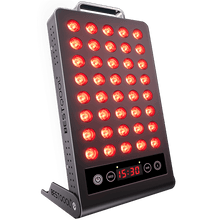
Red light therapy, sometimes labeled as low-level laser therapy or photobiomodulation, uses noninvasive red and near-infrared light directed at the skin or body. Hospitals, physical therapy clinics, dermatology offices, and wellness centers use similar technology for skin health, pain, and wound healing. At-home devices are now widely available as panels, masks, pads, and full-body beds.
Health systems such as Brown Health, Harvard-affiliated dermatology clinics, Main Line Health, and MD Anderson Cancer Center describe this therapy in similar ways. The devices emit low-energy light, usually in the red range around 630 to 660 nanometers and the near-infrared range around 800 to 850 nanometers. Unlike tanning beds, red light therapy does not use ultraviolet light, does not tan the skin, and has not been shown to increase skin-cancer risk when used correctly.
In sports medicine settings, the same approach is often called photobiomodulation or PBM. A review of PBM in human muscle tissue, published in PubMed Central, describes it as non-thermal red and near-infrared light used at low doses to alter tissue function, especially in muscle.
How the Light Interacts with Your Cells
At a basic level, this therapy targets the “energy centers” of your cells. Several independent sources, including a Penn State Behrend wellness brief, Brown Health, and Stanford Medicine, describe a similar core mechanism:
Red and near-infrared photons are absorbed by chromophores in cells, especially an enzyme in mitochondria called cytochrome c oxidase. Mitochondria use this enzyme to help turn oxygen and nutrients into adenosine triphosphate, or ATP, the primary energy currency in your cells.
When the light is in the right range and dose, studies show increases in ATP production, a short, controlled burst of reactive oxygen species, and changes in nitric oxide and calcium signaling. A detailed mechanistic review on photobiomodulation in PubMed Central notes that these early “primary” effects can trigger broader “secondary” and “tertiary” responses, including better cell survival, more robust repair and regeneration, and changes in inflammatory pathways.
For athletes, what matters is the downstream effect. Higher cellular energy and better blood flow can support muscle repair, collagen production in tendons and ligaments, and overall tissue resilience. A number of sports-focused articles, including work summarized in the Journal of Biophotonics, Laser Therapy, and sports-medicine clinics, describe reduced inflammation, less soreness, and faster recovery after heavy training when PBM is used appropriately.
The Biphasic Dose Principle: Why More Is Not Always Better
A crucial concept for serious athletes is that red light therapy follows a biphasic dose response. The anti-inflammatory PBM review published in PubMed Central emphasizes that low doses often stimulate and higher doses can actually blunt or even reverse the benefit.
In muscle cells, moderate fluences around a few joules per square centimeter increased ATP and mitochondrial membrane potential, while much higher fluences dropped mitochondrial function below baseline and altered reactive oxygen species patterns in less helpful ways. From a practical standpoint, this means you cannot simply double the time in front of a panel and expect double the benefit. When clinics and device manufacturers stress following protocols, this biphasic effect is a big reason why.
What the Science Says for Performance and Recovery
Muscle Performance and Endurance
A systematic review on photobiomodulation in human muscle tissue, available through PubMed Central, looked at dozens of clinical trials with more than one thousand participants. These studies applied red or near-infrared light to muscles either before or after exercise. Participants ranged from untrained individuals to athletes performing strength and endurance tests.
When light was applied before exercise as “muscular pre-conditioning,” several trials found that people could perform more repetitions, last longer before exhaustion, or show less decline in strength across sets. Some of these benefits occurred without an increase in peak force, suggesting improved fatigue resistance rather than raw power.
At the same time, not every study was positive. Some protocols using different wavelengths or doses showed little or no effect on repetitions, fatigue, or markers of muscle damage. The authors concluded that PBM shows promising potential to enhance performance and recovery, but results are inconsistent and depend heavily on the details of dosing, timing, and treatment area.
Athletic Lab, a performance training center that uses red and near-infrared therapy, reports similar patterns. They reference strength-training studies in which applying near-infrared light, around 808 nanometers, before lifting sessions led to greater strength gains over time compared with control groups. Another randomized, triple-blind trial combining treadmill training with photobiomodulation reported that endurance improvements happened about three times faster when light was applied before and after sessions. Yet, broader meta-analyses on delayed onset muscle soreness have found that evidence for soreness reduction is still limited and mixed.
TrainingPeaks, which reviewed the same muscle PBM literature from a performance-coaching perspective, notes that upper-body studies often showed improvements in biochemical markers after red light but little consistent change in actual performance or soreness. Lower-body studies were likewise inconsistent, with some showing reduced soreness or slight performance benefits and others showing none. Their overall conclusion is that red light therapy remains interesting but largely unproven for meaningful performance gains in athletes, particularly when weighed against cost.
Inflammation, DOMS, and Return to Play
Beyond immediate performance, many track athletes care most about soreness and injury recovery. Mechanistic work on photobiomodulation’s anti-inflammatory effects suggests it can lower pro-inflammatory cytokines, shift macrophages away from a highly inflammatory “M1” profile, and reduce reactive nitrogen species and prostaglandins in inflamed tissues. Animal models show reduced edema and inflammation in joints, traumatic injuries, and even brain and spinal cord tissues.
Translating this to sport, a Laser Therapy study of university athletes with a range of sports injuries is particularly relevant. In that pilot work, athletes receiving LED phototherapy for injuries had an average return-to-play time of about 9.6 days compared with an anticipated 19.23 days under conventional care, with no reported adverse events. Although this is a small study and not track-specific, it offers a real-world glimpse of how red light might help shorten layoff periods for muscle strains, sprains, and tendon irritation.
FunctionSmart, a sports rehabilitation provider, cites research suggesting that certain red and near-infrared protocols may reduce delayed onset muscle soreness by as much as 50 percent in some contexts and improve markers of muscle recovery. Physical Achievement Center notes clinical experience where red and near-infrared light reduce swelling, stiffness, chronic tendon discomfort, and the time athletes need to feel “ready” for the next hard session.
However, not every systematic review agrees that DOMS reduction is consistently reliable. An analysis summarized by Athletic Lab highlights a meta-analysis of phototherapy in which evidence for clear, robust reduction in soreness was judged insufficient, emphasizing again that study designs, doses, and outcome measures vary widely.
Sleep, Mood, and Overall Readiness
Recovery for track and field is not only about muscles. Sleep and mental health strongly influence performance, injury risk, and motivation. Several sources, including Penn State Behrend’s wellness program and a sports-focused review cited by Athletic Lab, suggest that red light therapy can support better sleep quality, mood, and cognitive function.
In one study with female basketball players, evening red light therapy improved subjective sleep quality and increased nighttime melatonin secretion compared with placebo. Another study cited by Athletic Lab found that using red light during or immediately after waking reduced grogginess and improved short-term performance, which is relevant for early-morning training sessions or meet warm-ups.
More broadly, wellness programs such as those described by Main Line Health and Penn State Behrend report that clients and patients sometimes notice reduced stress and better overall well-being with photobiomodulation, though these outcomes are more anecdotal and less rigorously studied than pain or skin changes.
For distance runners facing long training cycles and sprinters dealing with the mental load of high-pressure meets, even small improvements in sleep quality and next-day alertness can be meaningful. The key is to view red light as a possible complement to, not a substitute for, sleep hygiene and stress management.
Sprint vs Distance: How Needs Differ and Where Red Light Fits
Sprinters and distance runners stress their bodies in different ways. The way you might use red light therapy should reflect that.
Sprinters: Explosiveness, Soft Tissue, and Nervous System
Sprinters place extreme load on hamstrings, hip flexors, glutes, and calves, often paired with heavy strength and power training. Common problems include hamstring strains, proximal hamstring or hip issues, calf strains, and Achilles irritation. These are precisely the areas where red and near-infrared light may help by improving blood flow, modulating inflammation, and supporting collagen synthesis in muscle and tendon.
Sports clinics such as Physical Achievement Center describe using red and near-infrared light about fifteen to thirty minutes before intense exercise to “pre-condition” muscles. The idea, supported by the PBM muscle review and strength studies, is to prime mitochondrial function, increase ATP availability, and delay fatigue, particularly under heavy loads. For a sprinter, that might mean treating hamstrings, quads, and calves before a maximal speed session or heavy lifting day.
Post-workout, applying light within a few hours of training is often recommended by clinics to support repair. For sprinters this might focus on hamstrings and calves after sprint sessions, Olympic lifts, or plyometrics. Consistent use several times per week over a few weeks is usually needed before measurable changes in how the tissues feel or respond become obvious.
The potential upside for sprinters is modestly better fatigue resistance in working sets, reduced soreness between high-intensity days, and possibly fewer flare-ups of chronic soft-tissue issues. The limitations are that the research is not sprint-specific, effects are not guaranteed, and careful load management remains far more important than any recovery technology.
Distance Runners: Endurance, Tendons, and Accumulated Stress
Distance runners load tissues in a different way: thousands of foot strikes per session, repetitive stress on plantar fascia, Achilles tendons, shins, knees, and hips, along with systemic fatigue from high weekly mileage. Overuse injuries like Achilles tendinopathy, patellar pain, and medial tibial stress syndrome are major concerns.
Red light therapy is not able to repair structural damage such as ligament tears or advanced joint degeneration. University Hospitals and WebMD both emphasize that for mechanical or structural problems, surgery, bracing, or other targeted interventions may still be necessary. However, for tendinopathies and superficial, primarily inflammatory problems near the skin surface, red light appears to have early clinical promise. Reviews of tendinopathy trials have found low-to-moderate quality evidence for reduced pain and improved function when red light is used as part of care.
For distance runners, that may translate into using red or near-infrared pads or panels around the Achilles tendon, calf musculature, patellar tendon, or hip flexors after key sessions and on recovery days. Some sports-medicine articles note reductions in enzymes associated with post-exercise muscle damage when red light is used before hard workouts, which could be particularly valuable before long runs or interval sessions during peak training blocks.
Perhaps most importantly for distance runners, pain reduction should not be used to justify ignoring underlying training errors. Red light may help calm inflammation so that you can progress through a graded rehab plan more comfortably, but it should not be a way to “numb and run” through significant pain. Integrating the therapy with gait assessment, strength work, and smart mileage progression is where it makes the most sense.

Practical Integration for Track and Field Athletes
There is no single “best” protocol that all experts agree on; dosing in the literature varies widely. Still, common patterns emerge from sports-medicine sources such as FunctionSmart, LED-focused athletic guides, and Physical Achievement Center. Many protocols use wavelengths around 660 nanometers for surface tissues and about 810 to 850 nanometers for deeper muscle, with sessions of roughly ten to twenty minutes per body area.
A simple way to think about integration is by timing and focus area.
Before high-intensity sessions, shorter pre-conditioning sessions can be used on key muscle groups, such as hamstrings and calves for sprinters or calves and quads for distance runners, about fifteen to thirty minutes before warm-up. The goal is to support mitochondrial readiness and blood flow, not to replace a dynamic warm-up.
After heavy sessions or on recovery days, slightly longer sessions can be aimed at regions that tend to flare up: Achilles tendons, plantar fascia, hamstrings, or hip flexors. Many athletes and clinics report that using therapy within two to four hours after training aligns well with the period of early repair.
The table below illustrates how a sprinter and a distance runner might integrate red light therapy if they have access to a decent panel or localized pad, based on patterns described in athletic recovery articles.
Athlete type |
When to use most often |
Primary target areas |
Main purpose |
Sprinter |
Before maximal speed or heavy lifting; early post-session on those days |
Hamstrings, glutes, quads, calves, Achilles region |
Support power, reduce soft-tissue flare-ups |
Distance runner |
Before key long runs or intervals; on recovery days focusing on “hot spots” |
Calves, Achilles, plantar fascia, knees, hip flexors |
Ease overuse symptoms and support recovery |
These patterns should always sit on top of, not instead of, strength training, mobility work, sleep, nutrition, and appropriate training loads. When in doubt, track your own response over several weeks and share that information with your coach, athletic trainer, or physical therapist.

Clinic Devices vs At-Home Panels
Several medical and wellness organizations, including Harvard-affiliated dermatology practices, Brown Health, WebMD, and LED-device manufacturers, point out key differences between clinical and at-home devices.
Clinic-based systems tend to be more powerful, with standardized dosing parameters validated for specific uses such as pain relief or skin conditions, and many have clearance from the U.S. Food and Drug Administration for those indications. This does not mean they are proven to boost sprint times or race results, but it does mean they have undergone at least some safety review.
At-home devices vary widely in wavelength accuracy, power density, and build quality. Many are lower in intensity than professional units, which makes them safer but also means benefits may be more subtle and require more consistent use over a longer period. Harvard and WebMD note that home panels and masks often cost several hundred dollars or more, while some full-body systems can run into the thousands. TrainingPeaks also highlights that these costs can be substantial relative to the currently modest evidence for performance gains.
If you are considering an at-home device, it is reasonable to favor products that clearly disclose wavelengths, power densities, and safety certifications, and to follow manufacturer instructions closely. Reputable health sources recommend looking for devices that are cleared by the FDA for some indication, understanding that clearance reflects safety and specific approved uses rather than a blanket endorsement of all marketing claims.

Safety, Side Effects, and When to Be Cautious
Overall, red light therapy has a favorable safety profile when used as directed. Dermatology and hospital sources, including Harvard Health, WebMD, Brown Health, and MD Anderson Cancer Center, generally agree on the following points.
Red and near-infrared light at typical therapeutic levels is noninvasive and uses very low heat. Most users feel only gentle warmth, and treatments usually require no downtime. Common short-term side effects, when they occur, include temporary redness, tightness, dryness, or mild irritation of the treated skin. Some people report slight eye strain or discomfort if they look directly at bright lights without protection.
More serious risks, such as skin burns or significant eye injury, have been associated mainly with improper use or with more powerful laser devices without adequate safety measures. MD Anderson emphasizes that patients receiving red light or laser therapy wear goggles or eye shields to protect against potential retinal damage. Home users should take the same level of care and avoid staring directly into high-intensity LEDs.
Some individuals should be more cautious. People taking photosensitizing medications, those with a history of skin cancer, individuals with serious eye diseases, and pregnant people are often advised to consult a healthcare professional before using red light therapy, and in some cases may be told to avoid it. Brown Health and WebMD both highlight that medical conditions and medications that increase light sensitivity can raise the risk of adverse reactions.
Finally, because of the biphasic dose response, it is possible to overshoot. Very high intensities or excessively long sessions can lead to irritation or, in theory, reduce the very benefits you are trying to achieve. This is one reason clinical teams and credible beauty- and wellness-education sources emphasize sticking to recommended times and frequencies rather than assuming that more is always better.
Pros and Cons for Track and Field Athletes
For track and field athletes, red light therapy is neither a scam nor a miracle. It is a modest, biologically active tool with a growing but still evolving evidence base.
On the positive side, mechanistic research supports plausible benefits for mitochondrial function, anti-inflammatory signaling, and tissue repair. Small clinical and athletic studies suggest possible improvements in fatigue resistance, reduced soreness, and faster return to play after certain injuries. Some evidence points to better sleep and mood, which can support training consistency. The therapy is generally safe when used appropriately, noninvasive, and easy to combine with other recovery strategies.
On the downside, high-quality data specific to track sprinters and distance runners are limited. Many studies involve general strength or treadmill protocols rather than competitive athletes, and results are inconsistent. Optimal dosing is not fully defined, effects are often modest, and several performance analyses conclude that the current evidence does not justify treating red light therapy as a core performance enhancer. Devices and clinic sessions can also be expensive, and there is a risk of relying on technology instead of fixing bigger drivers of injury and fatigue, such as training load, sleep, and nutrition.
A realistic stance is to view red light therapy as an adjunct: potentially helpful, particularly for nagging soft-tissue issues and recovery from heavy blocks, but not essential. For many athletes, it makes sense to reserve significant financial investment for coaching, strength training access, and medical care, and to consider red light once these pillars are solid.

Common Questions from Track Athletes
Many sprinters and distance runners ask whether it is safe to use red light therapy right before a race. Based on the available evidence, short pre-race sessions on key muscle groups appear safe for most healthy individuals when eye protection is used and manufacturer instructions are followed. Some pre-conditioning studies even suggest improved fatigue resistance. However, because individual responses vary and nerves are high on race day, it is wise to test any protocol well in advance during training, not for the first time at a championship meet.
Another common question is whether red light therapy can replace other recovery tools like foam rolling, massage, or contrast baths. The short answer is no. Hospital systems and sports-medicine reviews consistently position red light therapy as a potential adjunct, not a replacement, for established approaches. It may allow you to feel less sore between sessions, but it will not restore mobility like specific strength and movement work, or correct biomechanical issues contributing to injury risk.
A third question is whether it is worth buying a home device or better to stick with clinic sessions. The answer depends on your budget, access, and goals. Clinic devices often deliver more predictable dosing under professional supervision, which can be valuable if you are recovering from injury or have complex health conditions. At-home devices offer convenience and long-term access but vary widely in quality and power. For many athletes, starting with a limited trial at a clinic or working with a trusted provider can help determine whether red light therapy seems beneficial enough to justify a personal device.
Closing Thoughts
For both the explosive sprinter and the resilient distance runner, the real engine of performance is still thoughtful training, sound biomechanics, sleep, and nutrition. Red light therapy can support that engine, but it cannot replace it.
Used with realistic expectations, in partnership with your coach and healthcare team, and grounded in what current research actually shows, red light can be a gentle but meaningful ally in your recovery and wellness strategy. If you choose to bring this technology into your home or training facility, treat it as you would a quality massage or a well-planned recovery run: not flashy, but one more supportive step towards lining up on race day feeling strong, prepared, and ready to perform.
References
- https://lms-dev.api.berkeley.edu/red-light-therapy-benefits-research
- https://brillarebeautyinstitute.edu/benefits-of-red-light-therapy/
- https://florida-academy.edu/the-benefits-of-led-light-therapy-a-revolutionary-skin-treatment/
- https://www.health.harvard.edu/staying-healthy/red-light-therapy-for-skin-care
- https://pmc.ncbi.nlm.nih.gov/articles/PMC5167494/
- https://einsteinmed.edu/news/2025/07/09/red-light-therapy-can-benefit-skin-westchester-expert-explains
- https://behrend.psu.edu/student-life/student-services/counseling-center/services-for-students/wellness-offerings/red-light-therapy
- https://med.stanford.edu/news/insights/2025/02/red-light-therapy-skin-hair-medical-clinics.html
- https://www.brownhealth.org/be-well/red-light-therapy-benefits-safety-and-things-know
- https://www.mainlinehealth.org/blog/what-is-red-light-therapy


 Small
Small

 Moderate

 Moderate

 Moderate

 Full
Full

