

Why Winter Can Feel So Heavy
If you notice your mood dipping every winter, you are far from alone. Shorter days and long dark evenings disrupt the body’s internal clock and brain chemistry in ways that can leave you feeling flat, tired, and unmotivated. Large medical centers such as Cleveland Clinic and Baptist Health describe this pattern along a spectrum: from mild “winter blues” to a diagnosable form of depression called seasonal affective disorder, or SAD.
Winter-type SAD is essentially a recurrent major depressive episode that shows up in fall or winter and eases in spring and summer. Research summarized in Frontiers in Psychiatry estimates that classic winter SAD affects a small but meaningful portion of adults, with many more people experiencing milder seasonal symptoms. Typical winter SAD symptoms include low mood, increased sleep, carbohydrate cravings, weight gain, and a strong desire to withdraw and hibernate.
Biologically, several mechanisms converge. Reduced sunlight alters circadian rhythms, the approximately twenty‑four hour timing system that governs sleep–wake cycles, hormone release, digestion, and even immune function. Light also influences serotonin, a key mood neurotransmitter, and melatonin, which helps regulate sleep. When this timing system drifts late in winter, people can develop what some clinicians call “winter jet lag,” along with sluggishness, sadness, and brain fog.
As a practitioner who spends a lot of time helping people navigate darker months, I see how powerful it can be to adjust light exposure thoughtfully. Bright white light therapy is the best-studied tool for winter depression. But many people are now asking about red light therapy: can those warm red and near‑infrared panels actually help mood during winter blues?
The short answer is that red light therapy is not a replacement for bright-light treatment of SAD, but it can play a meaningful supporting role for some people when used appropriately. The details and nuances matter, and that is where an evidence-based, compassionate approach is essential.

What Is Red Light Therapy, And How Is It Different From SAD Lamps?
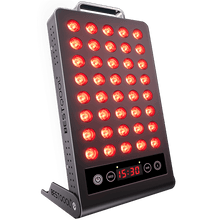
Red light therapy, often called photobiomodulation, uses low-level red and near‑infrared wavelengths, typically in the range of roughly 600–700 nanometers for red and about 700–1,200 nanometers for near‑infrared. Devices are usually LED panels or full‑body beds that shine these specific wavelengths directly onto the skin. Aesthetic and medical wellness providers describe red light as a way to stimulate cells’ mitochondria, increasing production of adenosine triphosphate, or ATP. In simpler terms, it is meant to help your cells make and use energy more efficiently.
Bright light therapy for SAD, on the other hand, uses very bright, full‑spectrum white light measured in lux, not targeted red wavelengths. Typical SAD light boxes deliver around 10,000 lux at a set distance and are designed to mimic outdoor daylight rather than bathe the body in a particular color. Studies in journals such as JAMA Psychiatry and reviews in Frontiers in Psychiatry show that this kind of morning bright light can shift circadian rhythms, balance serotonin patterns, and significantly improve winter depression.
Red light therapy devices and SAD lamps differ in goals, mechanisms, and how you actually use them at home. A concise way to see the contrast is to compare them side by side.
|
Feature |
Bright Light Box for SAD |
|
|
Main purpose |
Treat seasonal depression and reset circadian rhythms |
Support cellular energy, recovery, skin, pain, and possibly mood |
|
Light type |
Very bright full‑spectrum white light |
Low‑level red and near‑infrared wavelengths |
|
Typical intensity |
About 2,500–10,000 lux at the eyes |
Usually described by power density at the skin, not lux |
|
Sit nearby, eyes open but not staring directly, about 20–30 minutes early morning |
Sit or stand with skin exposed to LEDs, often 10–15 minutes per area, several times per week |
|
|
Evidence for SAD |
Strong; considered a first‑line treatment in major reviews |
Limited and emerging; some early studies and clinical reports, but not yet standard of care |
|
Typical position |
Close to the face as a passive light source |
Targeted to body area (face, joints, whole body), not specifically at the eyes |
Both are non‑invasive home tools, but they are not interchangeable. For clinical SAD, major medical organizations emphasize that bright white light remains the primary light-based treatment. Red light belongs in the category of promising adjunct therapies that may support mood, energy, sleep, and recovery, especially for milder seasonal dips or as part of a broader wellness plan.
What Science Says About Light And Seasonal Mood
Bright White Light: The Most Established Option
From the early days of research in the nineteen‑eighties, bright white light quickly stood out as a powerful treatment for winter depression. Early experiments found that patients with winter SAD improved when exposed to several hours of bright white light at dawn and dusk, then relapsed when switched to very dim light. Subsequent controlled trials refined the protocol to shorter, more practical exposures.
Modern guidelines summarized by Cleveland Clinic, Mayo Clinic, Harvard Health, and Frontiers in Psychiatry converge on a similar picture. A standard home protocol uses a fluorescent or LED light box that delivers about 10,000 lux of glare‑free light at a comfortable distance. People typically sit 16–24 inches away, with the light box slightly off to the side, for about 20–30 minutes within the first hour after waking. The eyes remain open so the light reaches the retina, but you do not stare directly at the light; you can read, eat breakfast, or work on a laptop during the session.
Multiple meta-analyses and randomized trials summarized in Frontiers in Psychiatry and an American Psychiatric Association overview show that bright light therapy is significantly more effective than dim light or sham devices for winter SAD. In one rigorously controlled JAMA Psychiatry trial, a course of morning bright light over four weeks produced full or near‑full remission in a majority of patients and clearly outperformed a credible placebo negative‑ion device. Another analysis in JAMA Psychiatry focusing on broader depressive disorders found that bright light, alone or combined with antidepressants, achieved higher remission and response rates than comparison treatments and often worked faster than medication alone.
Side effects are usually mild, such as eye strain, headache, or a sense of being “wired” if sessions are too late in the day. However, major clinics including Cleveland Clinic, Mayo Clinic, and Baptist Health all stress important cautions. Bright light should be used carefully in people with bipolar disorder because it can occasionally trigger hypomania or mania, similar to antidepressants. Those with glaucoma, cataracts, diabetic eye disease, or on medications that increase light sensitivity should consult an ophthalmologist or primary care provider before starting. If you notice headaches, ongoing eye symptoms, agitation, or a change toward unusually elevated mood, you should stop and talk with your clinician.
In short, bright white light is a robust, evidence-backed way to treat winter depression and reset the circadian clock, especially when used consistently throughout fall and winter and combined with therapies such as cognitive behavioral therapy and, when appropriate, antidepressant medication.
Red Light Therapy And Mood: Early But Intriguing Evidence
Red light therapy has a very different research history. For many years in light studies, red light actually served as a control condition or placebo because it does not strongly suppress melatonin the way blue‑enriched or bright white light does. A review in Healthline notes that for seasonal affective disorder specifically, red light has not had the same level of documentation as bright light therapy and is often used as a placebo in trials.
That does not mean red light is inert. It simply means that its therapeutic role for seasonal depression is still emerging. Several strands of research and clinical reporting are relevant when we focus on mood and winter blues.
First, photobiomodulation studies in psychiatry and neurology explore how red and near‑infrared light might influence brain function. An article from Apex Chiropractic and general scientific summaries describe how these longer wavelengths can penetrate deeper tissues and appear to improve mitochondrial energy production and reduce inflammation, factors linked to brain health and mood regulation. Research across different light-based therapies for anxiety and depression explores mechanisms such as modulating inflammatory pathways, supporting mitochondrial function, and altering brain network activity, though protocols and evidence quality vary.
Second, there is specific work looking at mood disorders. A report from Red Top Wellness summarizes clinical studies, including a trial in the Journal of Affective Disorders, where participants receiving red light therapy showed significant reductions in depressive symptoms compared with placebo. Another study in Photomedicine and Laser Surgery found improved overall mood and reduced anxiety after red light sessions. Across these trials, people receiving red light tended to report better mental health outcomes, including enhanced mood, lower anxiety, and improved cognitive function.
Third, more general mental health–focused providers, such as Renewal Therapeutics and whole‑body pod systems like Prism Light Pod, emphasize how red light seems to support neurotransmitter balance and cellular metabolism. Their educational materials highlight serotonin, associated with happiness and calm, and dopamine, associated with reward and motivation. By improving mitochondrial function in brain cells, red light may help support the production and regulation of these neurotransmitters, potentially stabilizing mood and easing symptoms of depression and anxiety.
Finally, some clinical centers, like Carbon World Health, explicitly discuss red light therapy for seasonal affective disorder. They describe it as a non‑toxic, non‑invasive option that may be as effective as antidepressants for some individuals, with some people noticing benefits within a short time frame. They also highlight red light’s other benefits, such as improved sleep quality via melatonin support, increased energy, tissue healing, and skin rejuvenation.
At the same time, the body of randomized, tightly controlled trials specifically targeting SAD with red light is still small compared to bright white light. Evidence summarized by Healthline underscores that red light should not yet be considered a stand‑alone replacement for bright-light treatment of seasonal depression. When I counsel clients, I frame red light as an adjunct tool that may help support mood, energy, and sleep alongside established treatments, rather than a cure‑all for winter depression on its own.
How Red Light Might Help Mood During Winter
Supporting Cellular Energy And Reducing Inflammation
At the core of red light therapy is its impact on mitochondria. Aesthetic medicine reviews note that specific red and near‑infrared wavelengths increase ATP production in cells, essentially giving them more usable energy. When cells in the brain and nervous system have more efficient energy production, they may function more smoothly. This can translate into better resilience to stress, sharper cognition, and a greater sense of vitality, all of which matter when you are fighting winter sluggishness.
Red light also seems to calm excessive inflammatory responses. Articles from Aesthetic Bureau and Red Top Wellness emphasize the anti‑inflammatory nature of red light therapy, including its ability to reduce pro‑inflammatory cytokines in chronically inflamed tissues. Systemic inflammation is increasingly linked to depression and fatigue; high inflammation can impair neurotransmitter production and disrupt communication between brain regions involved in mood. By dialing down inflammation and oxidative stress, red light may create a more favorable environment for healthy brain function and emotional balance.
For many of my clients, this cellular support shows up subjectively as less achiness, fewer flare‑ups of chronic pain, and more stable energy over the course of the day. When your body hurts less and moves more easily, it becomes easier to stay active and engaged despite gray skies, which itself is a powerful mood protector.
Influencing Serotonin And Dopamine
Multiple wellness-focused clinical sources, including Red Top Wellness and Renewal Therapeutics, highlight that red light therapy appears to increase or normalize key neurotransmitters such as serotonin and dopamine. Serotonin is strongly associated with feelings of well‑being, calm, and emotional resilience, while dopamine is tied to motivation, focus, and reward.
In winter, people with SAD often show alterations in serotonin dynamics, including increased serotonin transporter activity that can reduce serotonin availability in key brain areas. Bright light therapy is thought to help normalize these patterns. Early evidence suggests that red light may also play a role, not by acting directly on the retina’s light‑sensing cells in the same way as bright light, but by improving the metabolic health of neurons and glial cells that produce and use these neurotransmitters.
Clinically, this may help explain why some red light trials report higher ratings of mood, reduced anxiety, and improved cognitive performance. For a person with winter blues, even a modest boost in serotonin‑linked calm or dopamine‑linked drive can feel like the difference between slogging through the season and feeling capable of enjoying it.
Sleep, Circadian Rhythm, And Red Light: A Nuanced Picture
Sleep is one of the most powerful levers for mood. Aesthetic Bureau’s review of red light therapy mentions studies in insomnia where red light sessions led to better sleep quality after a single treatment and, in another case, dramatic sleep improvements in a majority of participants after one hour per day for three weeks. Better sleep in those studies was associated with greater daytime alertness and improved digestion, both of which feedback into mood and energy.
However, recent research reminds us that not all red light use is automatically sleep‑friendly. A carefully designed randomized study published in Frontiers in Psychiatry looked at healthy sleepers and people with insomnia who were exposed to red light, white light, or darkness at around typical bedroom illumination levels for one hour before bedtime. Even at relatively modest intensities, red light had measurable effects on sleep, mood, and alertness.
In people with insomnia, one hour of pre‑sleep red light at about room‑lighting levels was associated with higher anxiety scores and more negative emotions compared with white light or darkness. Objective sleep recordings showed changes in sleep onset, sleep efficiency, and micro‑arousals, suggesting that this kind of red light exposure before bed is not neutral. The authors concluded that evening red light can increase alertness and negative mood and fragment sleep, especially in those already struggling with insomnia.
This is a crucial nuance for at‑home use. Red light therapy that is designed for short, targeted sessions earlier in the day may improve sleep indirectly by reducing pain, easing anxiety, or nudging circadian rhythms. But basking in bright red light for an extended period right before bed, especially at eye level, is not necessarily calming for everyone and can be counterproductive if you are prone to insomnia or nighttime anxiety.
In my own practice, I typically encourage people with winter blues who want to test red light for mood support to use it in the morning or daytime and keep the hour before bed relatively dim, relying more on warm, low‑intensity lamps or darkness than on any bright colored light.

Using Red Light Thoughtfully During Winter Blues
Start With The Basics: Is It Winter Blues Or SAD?
If your winter symptoms are mild and mostly show up as lower enthusiasm, a bit more tiredness, and craving comfort food, you may be dealing with winter blues. If you notice persistent sadness, loss of interest in usual activities, difficulty getting out of bed, major changes in appetite and sleep, or thoughts of hopelessness, you may be in the territory of seasonal affective disorder, which is a form of major depression.
For SAD‑level symptoms, guidance from Cleveland Clinic, Mayo Clinic, Harvard Health, and the American Psychiatric Association is consistent: talk with a healthcare professional. Bright white light therapy, psychotherapy such as cognitive behavioral therapy, and, when appropriate, antidepressant medication are evidence‑based options that should not be delayed. Red light therapy can be added as a supportive wellness modality but should not replace treatment for a serious depressive episode.
Practical Ways To Integrate Red Light
For people cleared by their clinicians and interested in red light as part of a winter wellness plan, practical use usually looks like short, consistent sessions several times per week. Companies like Joovv and other panel manufacturers commonly suggest treatments of about ten to fifteen minutes per area, often daily or a few times weekly. Clinical centers like Red Top Wellness emphasize the importance of consistency over weeks, not just a single session, while also noting that some individuals do report early shifts in mood and energy.
Because the evidence for mood benefits is strongest when red light is part of a holistic plan, I encourage people to pair sessions with other health‑supportive habits. Examples include gentle movement, breathwork, or journaling during or after a red light session. Red Top Wellness specifically suggests tracking mood, energy, and sleep in a journal so you and your provider can see whether red light is truly helping.
Timing matters. Based on the insomnia research, a conservative, safety‑oriented approach is to use red light in the morning or daytime rather than for a full hour before bed, especially if you already struggle with anxiety or sleep. Brief evening sessions may be fine for some people, but if you notice your mind feeling revved up or your sleep becoming more fragmented, it is a sign to move sessions earlier.
Finally, red light should be treated as eye‑safe but not eye‑focused. Most consumer devices are designed to minimize ultraviolet light, and red light itself is not known for the kind of retinal risk associated with unfiltered ultraviolet lamps. Still, major health systems recommend caution with any bright light source in people with significant eye disease or on photosensitizing medications. Emulating their prudence, I advise those individuals to talk with an eye specialist or primary care physician before starting any intense light-based therapy, including red light panels.
Combining Red Light With Bright Light And Other Care
The most balanced strategy for winter mood often layers several well‑supported tools rather than leaning solely on one intervention. Bright white light boxes have the strongest clinical evidence for resetting the circadian clock and treating SAD. Red light therapy brings additional benefits in cellular energy, inflammation control, pain relief, and possibly neurotransmitter support. Psychotherapy offers skills and perspectives to navigate unhealthy thought patterns. Movement and outdoor time, even on cloudy days, add natural light and endorphins.
Within that layered framework, red light therapy can play a meaningful role. For example, someone might use a 10,000‑lux light box for twenty to thirty minutes soon after waking, then do a ten‑minute red light session on sore muscles or a full‑body pod in late morning or early afternoon. Another person could use red light primarily for chronic pain or skin health but notice that as pain lessens, winter mood improves. The key is to treat red light as a helpful tool in a larger toolkit rather than a stand‑alone fix.

Pros And Cons Of Red Light For Winter Mood
To keep expectations grounded and realistic, it helps to look at the strengths and limitations of red light therapy when your main goal is to feel better during dark months.
|
Aspect |
Potential Upsides |
Important Limitations |
|
Evidence base for mood |
Clinical studies report reductions in depressive symptoms and anxiety in some populations; wellness centers and patients often describe better mood and cognitive clarity |
Far fewer randomized, SAD‑specific trials than bright light; some scientific reviews still treat red light as placebo in seasonal depression studies |
|
Mechanism |
Enhances mitochondrial energy production, reduces inflammation and oxidative stress, and may support serotonin and dopamine balance |
These mechanisms are plausible and supported by laboratory work, but translating them into guaranteed clinical benefits is still a work in progress |
|
Experience and comfort |
Non‑invasive, generally well tolerated, often experienced as relaxing and warming; can be integrated into self‑care rituals |
Devices can be expensive, and protocols vary by manufacturer; some people may expect rapid, dramatic changes that do not match reality |
|
Sleep and circadian effects |
Some insomnia studies show improved sleep quality and next‑day alertness with structured red light therapy; may help indirectly by easing pain and anxiety |
A controlled study in Frontiers in Psychiatry found that one hour of moderate‑intensity red light before bed increased anxiety and negative mood in people with insomnia and altered sleep architecture, so timing and intensity must be chosen carefully |
|
Role in treatment plan |
Can complement bright-light therapy, psychotherapy, medication, and lifestyle changes; offers a whole‑body wellness angle that many people appreciate |
Should not replace standard treatment for SAD or major depression; requires monitoring and medical guidance in people with complex psychiatric or medical conditions |
As a wellness advocate, my role is to help you enjoy the genuine upsides while being honest about the gaps in the science. Red light can be an empowering tool, but it works best when you understand what it can and cannot do.
Brief FAQ
Is red light therapy enough on its own for seasonal affective disorder?
Based on current evidence, red light therapy should not be relied upon as the sole treatment for seasonal affective disorder. Bright white light therapy, psychotherapy, and sometimes medication have far stronger data behind them for SAD. Red light can be a valuable adjunct to support energy, sleep, and pain relief, which may indirectly improve mood, but it is safest to view it as one part of a comprehensive plan.
How quickly might I feel a mood change from red light?
Some studies summarized by Aesthetic Bureau and Red Top Wellness report early improvements in sleep or mood after just a few sessions, and Carbon World Health notes that some individuals notice beneficial effects after one session. However, most protocols and clinical practices emphasize consistent use over several weeks. Expect gradual shifts rather than an overnight transformation, and track how you feel so you and your provider can judge whether it is truly helping.
Is red light therapy safe if I have anxiety, insomnia, or bipolar disorder?
Red light therapy is generally considered low risk and non‑invasive, but the details matter. The insomnia study in Frontiers in Psychiatry suggests that an hour of moderate‑intensity red light before bed can increase anxiety and fragment sleep in people with insomnia, so if you live with anxiety or sleep difficulties, it is wise to use red light earlier in the day and monitor your response. For bipolar disorder, there is clear evidence that bright white light therapy can sometimes trigger mania, which is why major clinics recommend medical supervision. While comparable mania data for red light are not yet established, any new light‑based treatment should be discussed with your psychiatrist or prescribing clinician first.
Closing Thoughts
Winter does not have to mean months of feeling drained, low, and disconnected from yourself. Thoughtful use of light is one of the most powerful levers we have for shifting brain chemistry, sleep, and energy. Bright white light therapy remains the gold standard for true seasonal depression, while red light therapy offers a promising, body‑wide way to support mood, resilience, and recovery when layered into a well‑designed plan. Used with care, clarity, and professional guidance, red light can be one more compassionate tool to help you move through winter feeling more like yourself.
References
- https://www.health.harvard.edu/blog/light-therapy-not-just-for-seasonal-depression-202210282840
- https://pmc.ncbi.nlm.nih.gov/articles/PMC2913518/
- https://medicine.yale.edu/psychiatry/research/clinics-and-programs/winter-depression/obtain/
- https://health.clevelandclinic.org/light-therapy
- https://www.psychiatry.org/news-room/apa-blogs/bright-light-therapy-beyond-seasonal-depression
- https://www.frontiersin.org/journals/psychiatry/articles/10.3389/fpsyt.2023.1200350/full
- https://www.mayoclinic.org/diseases-conditions/seasonal-affective-disorder/in-depth/seasonal-affective-disorder-treatment/art-20048298
- https://www.opb.org/article/2024/11/19/university-of-washington-uw-seasonal-depression-light-therapy-mental-health/
- https://www.carbonworldhealth.com/blog/red-light-therapy-can-help-your-seasonal-affective-disorder
- https://aestheticbureau.com.au/8-benefits-of-red-light-therapy/?srsltid=AfmBOorLDMD6NtD3dveNkrc1EAuqg_yKx4OVOqGbxTFLdWr7ar-Fohce


 Small
Small

 Moderate

 Moderate

 Moderate

 Full
Full

