

Seasonal and climate changes can be brutal on skin. One month you are dealing with indoor heating and dry air; the next you are facing intense sun, sweat, and humidity. If you travel between regions, your skin can feel as if it is constantly playing catch-up. Many people notice more breakouts, flares of redness, or a sudden spike in fine lines and dullness whenever the weather shifts.
As a red light therapy wellness specialist and health advocate, I am often asked whether red light therapy can act as a stabilizing force during these transitions. The honest, evidence-based answer is that red light therapy is not a magic shield against weather changes, but its core actions on inflammation, circulation, and collagen can make it a helpful ally when your skin is under environmental stress.
This article will walk you through what the science actually shows, how that connects to climate-related skin changes, and how to use red light therapy safely and realistically at home as the seasons shift.
What Red Light Therapy Is (And Is Not)
Red light therapy, sometimes called photobiomodulation or low-level light therapy, uses specific wavelengths of visible red and near-infrared light to influence cellular function. According to clinical explanations from organizations such as the Cleveland Clinic, Healthline, and Stanford Medicine, these lights are delivered by LEDs or low-power lasers and are non-thermal, meaning they do not heat or burn the skin.
Researchers have found that when red and near-infrared photons hit the skin at certain wavelengths, they are absorbed by proteins inside mitochondria, especially an enzyme called cytochrome c oxidase. This absorption can increase the production of cellular energy (ATP), trigger antioxidant defenses, and release nitric oxide, which improves local blood vessel function and circulation. A research summary from the Atria Health and Research Institute describes this as giving cells an energy boost so they can repair and regenerate more effectively while also reducing inflammation.
Unlike ultraviolet light, which is known to damage DNA and increase skin cancer risk, visible red light and the near-infrared range used in photobiomodulation do not carry this same risk when used at approved intensities. Multiple sources, including Harvard-affiliated dermatology experts and the American Academy of Dermatology, emphasize that red light therapy is noninvasive and non-UV.
Interestingly, NASA originally studied LED light for faster wound healing in astronauts. That technology has since been adapted for dermatology clinics and at-home skincare devices, including masks, panels, caps, and handheld wands.

How Red Light Therapy Acts on Skin
Dermatology and wellness centers describe several skin-relevant actions of red light therapy that have been supported by small but growing bodies of research.
Collagen, Elasticity, and Fine Lines
Red light appears to stimulate fibroblasts, the cells that produce collagen and elastin. Dermatology practices in Arizona and California, as well as reviews from Cleveland Clinic and Harvard Health, note that this can help counter age-related declines in these proteins, leading to smoother, firmer skin and a subtle reduction in fine lines and wrinkles.
A controlled trial involving 136 adults used non-thermal red and near-infrared light two times per week for thirty sessions. Compared with untreated controls, participants reported better skin complexion and feeling, and objective measurements showed smoother texture and increased intradermal collagen. Another clinical study with a red LED mask used twice a week for three months in adults aged 45 to 70 found progressive improvements in wrinkles, firmness, dermal density, texture, and complexion homogeneity, with benefits persisting for about a month after stopping treatment.
These studies focused on photodamage and general skin aging rather than climate per se, but the outcomes are directly relevant to the dryness, fine lines, and dullness many people notice when seasons change.
Inflammation, Redness, and Acne
Red light therapy has documented anti-inflammatory effects. Dermatology sources, including Mayo Clinic and the American Academy of Dermatology, note its use for inflammatory conditions such as acne and photoaging-related redness. A Cleveland Clinic overview and Baylor College of Medicine’s aesthetic guidance describe red LED light softening wrinkles and improving mild acne, particularly when paired with blue light that targets acne-causing bacteria.
In acne care, red light does not primarily kill bacteria; instead, it helps calm inflammation, promote healing, and improve the appearance of post-inflammatory hyperpigmentation and scars. This is important when seasonal or climate changes lead to more breakouts, especially in warmer, more humid periods.
Wound Healing and Scar Support
Several medical centers, including Mayo Clinic and MD Anderson, describe using red light therapy to accelerate wound healing and support tissue repair. In dermatology, it has been used to reduce the visibility of scars after procedures, burns, or injuries. Controlled trials show mixed but encouraging data: one eyelid surgery study found faster early scar improvement on the red light-treated side, while another showed more modest differences that evened out over time.
These wound and scar benefits matter when climate changes worsen barrier disruption, lead to chapped or cracked skin, or when you plan procedures such as peels or microneedling at particular times of year.

Why Climate Transitions Are Hard on Skin
A detailed clinical paper on red light photobiomodulation for skin aging notes that skin’s biological age is influenced by both genetic and environmental factors, including UV exposure and lifestyle. Seasonal and climate transitions are periods when environmental factors change quickly, and your skin has to adapt.
When outdoor temperatures drop and indoor heating kicks in, ambient humidity often falls and skin can lose more water. As warmer months arrive, sun intensity, sweat, and friction from clothing or gear can irritate the skin surface. Traveling between dry, high-altitude environments and warm, coastal regions or between cold and hot climates adds sudden shifts in temperature, humidity, and UV exposure.
Although these patterns are not always studied under the label “climate transitions,” they are classic examples of environmental stressors that can exaggerate underlying tendencies such as dryness, oiliness, sensitivity, or pigmentation.
Common patterns people notice include tightness and flaking moving into winter or early spring, flares of redness and acne with the onset of summer heat, or a surge in dullness and fine lines after a sun-heavy season. Climate transitions do not cause these issues by themselves; instead, they often unmask vulnerabilities in the skin barrier, microcirculation, and inflammatory response.
This is precisely where red light therapy’s mechanisms overlap with climate-related needs: supporting barrier-related structure (collagen and elastin), improving microcirculation, and dialing down inflammation.
How Red Light Therapy May Support Skin Through Climate Shifts
It is important to be precise: the published research evaluates red light therapy for underlying skin functions and conditions, not specifically for “spring skin” or “summer skin.” However, the same mechanisms that help with dryness, redness, or photoaging can be applied strategically around climate changes.
Moving from Cold, Dry Weather into Milder Seasons
Coming out of a cold, dry period, many people notice more fine lines, roughness, and a crepey appearance, especially around the eyes and mouth. In the clinical mask study using 630 nm red LEDs twice a week for three months, participants showed measurable improvements in wrinkle depth, firmness, dermal density, smoothness, and complexion homogeneity. These changes accumulated progressively over one to three months and persisted for about four weeks after stopping treatment.
For someone whose skin looks more etched and dull after a dry winter, a similar pattern of slow, steady collagen and elastin support is exactly what is needed. Red light therapy in this context is not erasing decades of sun damage. Instead, it is nudging cellular metabolism, circulation, and extracellular matrix production in a more youthful direction so that moisturizers and other topical products can work on a healthier foundation.
Using red light a few times per week as you move from winter into spring can therefore be thought of as “training” your skin to rebuild after a period of environmental stress, while you also increase hydration and maintain sun protection.
Entering Hotter, Brighter, and More Humid Months
When temperatures rise and UV exposure climbs, several things often happen together: you may sweat more, oil production changes, and you spend more time outdoors. For those prone to acne or rosacea, this can mean more redness, clogged pores, and outbreaks.
Dermatology and wellness articles from Baylor College of Medicine, Mayo Clinic, and the American Academy of Dermatology describe red LED light as helpful for softening the inflammatory component of acne and calming photoaging-related erythema. In some protocols, blue light is used first to address acne bacteria, followed by red light to quiet inflammation and support healing.
During the transition into a hot or humid season, red light therapy can be positioned as a calming, repair-focused step. After gentle cleansing and non-comedogenic moisturizer, a red light session can support the skin’s response to low-level irritation from sweat, sunscreen reapplication, and environmental pollutants, while you maintain evidence-based acne treatments recommended by your dermatologist.
This does not mean red light therapy replaces topical retinoids, benzoyl peroxide, or prescription acne medications. Evidence-based medical care remains the backbone; red light can be a supportive add-on that potentially eases redness and helps scars fade more gracefully over time.
Recovering After a High-UV Season or Sun-Intense Travel
Several reviews from Harvard-affiliated dermatologists, Cleveland Clinic, and Stanford Medicine note that red light therapy can modestly reduce fine wrinkles, improve skin elasticity, and lighten dark spots or photoaging-related pigmentation when used consistently. The large controlled trial with thirty sessions of red and near-infrared light showed improved complexion and collagen compared with untreated controls at six-month follow-up.
After a summer of higher UV exposure, even if you are diligent with sunscreen, microscopic damage accumulates in the dermis. Red light therapy cannot reverse deep sun damage, but by improving circulation, encouraging collagen synthesis, and reducing chronic low-grade inflammation, it can help your skin respond better as you transition into fall.
This is also a time when many people undergo in-office treatments such as chemical peels or microneedling. Red light therapy is often used in dermatology practices after such procedures to support wound healing and reduce downtime, as described in clinical guidance from Baylor College of Medicine and Mayo Clinic. If your dermatologist recommends it, this can be a strategic way to combine seasonal repair work with photobiomodulation.
Coping With Travel Between Very Different Climates
When you fly from a cold, dry environment to a warm, humid destination, or from sea level to a high, arid region, skin can struggle to keep up. Airplane cabins themselves are low-humidity environments, which can make facial skin feel tight and dehydrated on arrival.
Research on red light therapy’s effects on systemic inflammation and circulation is still early, but multiple sources, including Healthline and University of Utah Health, note its potential to support tissue repair and lower inflammatory signaling. For travel, red light therapy should be seen as one supportive tool among many rather than a travel hack that prevents all issues.
A practical pattern some people follow is to use red light therapy regularly in the weeks leading up to a major climate change trip so that skin is in a more resilient state ahead of time, then resume sessions after returning to help with recovery from UV, wind, or dryness. This is consistent with research showing that benefits accumulate with repeated sessions over weeks to months rather than appearing after a single exposure.
Evidence Snapshot: What Studies Suggest For Skin Health
To ground all of this in data rather than hype, it helps to look at a few representative clinical trials.
Study or source |
Population and protocol |
Main skin outcomes reported |
Randomized trial of polychromatic red/NIR PBM |
136 adults, twice-weekly full or partial body red and red-plus-NIR light for 30 sessions |
Improved self-rated complexion and skin feeling; reduced skin roughness; increased intradermal collagen versus untreated controls. |
Red LED mask aging study |
20 adults aged 45–70, red 630 nm LED mask, 12-minute sessions twice weekly for 3 months |
Progressive improvements in wrinkles, firmness, dermal density, texture, pore appearance, and complexion homogeneity; effects lasted about a month after stopping. |
Dermatology and health system reviews |
Summaries from organizations such as Harvard Health, Cleveland Clinic, and the American Academy of Dermatology |
Modest but measurable reductions in fine wrinkles and redness, improved wound healing and mild acne, with generally low risk. |
Across these sources, several themes are consistent. Treatments are noninvasive and non-UV, benefits accumulate gradually over weeks to months, and effect sizes are real but not dramatic. There is still uncertainty about the ideal wavelength, intensity, and schedule, and many studies are relatively small. That is why respected organizations stress that red light therapy should complement, not replace, core skincare and medical treatments.

Pros and Cons of Using Red Light Therapy for Seasonal Skin Support
For someone navigating climate transitions, the strengths of red light therapy are appealing. It is gentle, generally painless, and does not require downtime. Short-term safety appears favorable when used correctly, with side effects mostly limited to temporary redness or tightness, as noted by Cleveland Clinic, Healthline, WebMD, and Stanford Medicine. Devices are available in clinics and for home use, which can make it accessible if you are willing to invest time and money.
On the other hand, expectations must stay realistic. Multiple reviews emphasize that the evidence base is promising but limited, with many small or heterogeneous studies and no universal dosing standard. Marketing often jumps far ahead of data, claiming sweeping benefits for weight loss, systemic diseases, or mental health that are not supported by strong human trials. Several sources, including the American Academy of Dermatology and University of Utah Health, urge skepticism about “miracle” claims and remind people to prioritize fundamentals such as sun protection, nutrition, physical activity, emotional health, and sleep.
Cost is another consideration. In-office sessions can be relatively expensive per visit, and high-quality home devices often run from roughly one to several hundred dollars or more according to consumer-facing medical resources. Insurance typically does not cover red light therapy for cosmetic or general wellness purposes.
In the context of climate transitions, the main advantage is that you can use red light therapy as a stable, evidence-informed routine that supports consistency when everything else in your environment is shifting. The limitations are that it will not override neglect of sunscreen, harsh skincare, or poor lifestyle factors.
Practical Guide: Using Red Light Therapy Safely During Climate Shifts
If you decide to incorporate red light therapy as seasons change, a thoughtful, safety-first approach is essential. Below is a practical, evidence-based framework drawn from guidance by the Atria Health and Research Institute, Cleveland Clinic, Harvard Health, Healthline, and other reputable sources.
Choosing a Device
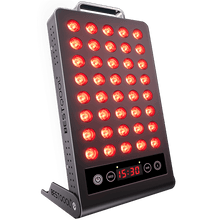
Red light therapy devices come in several formats. Masks are designed for the face, caps or helmets for the scalp, handheld wands for small areas, and panels for larger regions such as the chest or legs. Medical centers such as Atria and Stanford note that therapeutic ranges typically include visible red light around 620 to 700 nanometers and near-infrared light around 800 to 1,000 nanometers. Red light tends to target more superficial skin layers, while near-infrared penetrates deeper tissues.
When evaluating a device, it is wise to favor products that clearly disclose their wavelengths and power density and that are cleared by the U.S. Food and Drug Administration for a relevant indication, such as wrinkle reduction, acne, or hair regrowth. Health systems and dermatology organizations stress that “FDA-cleared” is more meaningful than vague terms like “FDA-approved” in this context.
Coverage area also matters. A small panel or mask may be enough if you only want to treat the face, while larger panels or multiple units are needed for broader body coverage. Clinic-based devices are usually more powerful and precisely calibrated than home devices, which can mean stronger or more predictable results when supervised by a dermatologist.
Dosing and Timing
Experts at Atria describe red light therapy as following a “Goldilocks” principle: too little exposure may have no effect, while too much can actually reduce the benefit, a phenomenon sometimes called a biphasic dose response. Typical targets mentioned include a power level between about 20 and 100 milliwatts per square centimeter at the skin, with sessions lasting around 5 to 20 minutes per body area.
In published clinical trials, protocols often involve treatments two to three times per week. The aging study using a red LED mask, for example, used twice-weekly twelve-minute sessions, while the large polychromatic trial used twice-weekly sessions for thirty treatments. Dr. Daniel Angerbauer at Atria recommends starting with around 5 to 10 minutes per area, three days per week, and adjusting based on response, with many people eventually using red light three to five days per week.
There is no single “correct” time of day. Atria’s guidance suggests letting your body guide you. Some people feel energized by red light and prefer to use it earlier in the day, especially at least two hours before bedtime. Others find it relaxing and enjoy sessions in the evening. If your device combines red light with blue light for acne, morning or afternoon use is considered safer for circadian rhythms, since blue light later at night could interfere with sleep.
Integrating Red Light Therapy Into Seasonal Routines
How you integrate red light therapy into your routine can shift with the climate.
When moving from winter into spring, focus on barrier support and gentle renewal. After cleansing and applying a hydrating, non-irritating moisturizer, a short red light session a few times per week can support the collagen and elasticity changes that help soften winter-induced fine lines. Daily broad-spectrum sunscreen remains crucial as daylight hours lengthen and UV exposure increases; dermatology organizations repeatedly emphasize that red light therapy does not replace sun protection.
Heading into hotter, more humid months, red light therapy can be positioned after a gentle cleanser and lightweight moisturizer. If your skin tends to break out more in summer, red light can complement dermatologist-recommended acne treatments by calming inflammation and helping scars improve over time. Make sure any topical products used with red light do not contain strong exfoliating acids or prescription retinoids immediately before a session, since combining too many active treatments can irritate skin.
When moving from a sun-heavy season into fall, many people aim to repair photoaging. This is a reasonable time to increase consistency with red light therapy, provided the rest of your skincare routine is supportive: gentle cleansing, moisturizer tailored to your skin type, and high-quality sunscreen for ongoing UV exposure. If your dermatologist recommends in-office procedures, ask whether supervised red light treatments before or after those procedures could be helpful.
Frequent travelers between climates can treat red light therapy as a stabilizing anchor. Keeping a consistent schedule before and after trips, even if sessions are shorter, can maintain momentum on collagen support and inflammation control while you manage hydration with moisturizers and external protection with clothing and sunscreen.
Safety Considerations and When To Seek Professional Advice
Multiple sources, including Cleveland Clinic, the American Academy of Dermatology, Harvard Health, Healthline, and MD Anderson, agree that red light therapy has a favorable short-term safety profile when used as directed. That said, there are clear safety boundaries.
Eye protection is essential, especially for facial and scalp treatments. Looking directly at bright red or near-infrared LEDs for extended periods can strain or potentially injure the eyes. Many medical centers and device manufacturers recommend goggles; some clinical protocols use both goggles and shields to protect the retina during more intense treatments.
People with photosensitive conditions such as lupus or those taking photosensitizing medications, including certain antibiotics, diuretics, and acne treatments, should talk with a dermatologist or prescribing clinician before starting red light therapy. Several clinical reviews advise caution or individualized guidance in these situations. Those with a history of skin cancer or suspicious, changing lesions should also have a professional evaluation before exposing those areas to any light-based therapy.
Baylor College of Medicine notes that LED light therapy is not recommended for individuals with epilepsy, which means that anyone with a seizure history should seek specialist input before using such devices. Pregnant individuals and those with active cancer in an area being treated are often advised to speak with their obstetrician or oncologist first, because safety data are more limited in these groups.
Overuse is another risk. Reports of burns and skin damage often stem from faulty equipment or use well beyond recommended durations or distances. Following the manufacturer’s instructions closely, monitoring your skin for persistent redness or irritation, and backing off at the first signs of trouble are key steps in protecting your skin.
Seasonal Climate Scenarios and Red Light Therapy at a Glance
The table below summarizes how red light therapy can fit into different climate transitions, based on mechanisms and clinical data rather than direct climate studies.
Climate shift scenario |
Common skin stressors |
How red light therapy may help (based on evidence) |
Other essentials to pair with RLT |
Cold and dry to milder, sunnier weather |
Dryness, fine lines, dullness, tightness |
Supports collagen and elastin, improves texture and firmness, enhances circulation and complexion homogeneity |
Daily sunscreen, richer moisturizers, gentle cleansing, avoiding over-exfoliation |
Mild to hot, humid, high-UV conditions |
Increased redness, acne breakouts, oiliness, early photoaging signs |
Reduces inflammation, supports wound healing, helps improve acne-related redness and scars |
Non-comedogenic sunscreen, regular cleansing, dermatologist-guided acne treatment |
Sun-heavy season to cooler, repair-focused |
Fine lines, uneven tone, mild hyperpigmentation |
Modest reduction in wrinkles and dark spots, improved dermal density and texture over weeks to months |
Ongoing sun protection, possible in-office procedures, barrier-supportive skincare |
Frequent travel between climates |
Dehydration, sensitivity, texture changes |
Provides a consistent pro-healing, anti-inflammatory signal during environmental stress |
Hydrating routine, plane-friendly skincare, consistent sunscreen use in both origin and destination |
This table is meant as a conceptual guide, not a personalized prescription. A dermatologist or skincare professional who knows your history can help you adapt these principles to your unique situation.
Who Should Pause or Avoid Red Light Therapy
Despite its gentle reputation, red light therapy is not for everyone or every situation.
People with known light sensitivity disorders, those on medications that increase light sensitivity, and anyone with a history of severe eye disease should consult a healthcare professional before starting treatment. Individuals with epilepsy are generally advised against using light-based facial masks. Those with active cancer lesions in the treatment area or a history of skin cancer should rely on oncologist or dermatologist guidance rather than self-directed use.
Even if you are otherwise healthy, red light therapy should not be used as a substitute for proven medical treatments. For example, it should not replace prescription therapies for severe acne, eczema, or psoriasis, or take the place of high-SPF sunscreen and sun-protective clothing for UV protection. Reputable sources consistently emphasize that red light therapy is best viewed as an adjunct to a well-designed skincare and health plan, not its foundation.

Brief FAQ
Does red light therapy replace sunscreen during seasonal changes?
No. All major dermatology and medical sources agree that sunscreen, protective clothing, and shade remain nonnegotiable. Red light therapy can support collagen and reduce inflammation, but it does not block ultraviolet radiation or prevent sun damage.
How quickly should I expect to see changes if I start red light therapy around a climate shift?
Most clinical protocols report visible changes after several weeks of consistent use, not overnight. Reviews from Atria and other medical centers suggest that people often need two to four weeks to begin noticing subtle improvements, with clearer changes in wrinkles and texture emerging after one to three months of regular sessions.
Is it better to start red light therapy in one particular season?
The best time is usually when you can be consistent. Starting in late winter to early spring can help prepare skin for increased UV exposure, while starting in late summer or early fall can support repair after a high-UV season. What matters most is aligning your use with your goals and maintaining the routine across climate transitions rather than stopping and starting frequently.
Red light therapy can be a calming, stabilizing presence for your skin in a year full of environmental ups and downs. By respecting the science, keeping your expectations grounded, and weaving sessions into core habits like gentle skincare, sun protection, movement, and restorative sleep, you can use this technology as a genuine ally rather than another seasonal trend.
References
- https://brillarebeautyinstitute.edu/benefits-of-red-light-therapy/
- https://florida-academy.edu/the-benefits-of-led-light-therapy-a-revolutionary-skin-treatment/
- https://www.health.harvard.edu/staying-healthy/red-light-therapy-for-skin-care
- https://pmc.ncbi.nlm.nih.gov/articles/PMC10311288/
- https://blogs.bcm.edu/2025/06/24/led-light-therapy-how-does-it-work-on-your-skin/
- https://behrend.psu.edu/student-life/student-services/counseling-center/services-for-students/wellness-offerings/red-light-therapy
- https://med.stanford.edu/news/insights/2025/02/red-light-therapy-skin-hair-medical-clinics.html
- https://healthcare.utah.edu/the-scope/mens-health/all/2024/06/176-red-light-therapy-just-fad
- https://www.brownhealth.org/be-well/red-light-therapy-benefits-safety-and-things-know
- https://www.mdanderson.org/cancerwise/what-is-red-light-therapy.h00-159701490.html


 Small
Small

 Moderate

 Moderate

 Moderate

 Full
Full

