

Why Red Light Belongs in a Real-Life Wellness Plan
Scroll through social media and you will see glowing masks, crimson-lit home gyms, and full-body light beds that look like props from a science-fiction movie. For many new middle class professionals trying to balance demanding careers, family, and health, red light therapy is tempting. It promises better skin, less pain, faster recovery, even sharper thinking, all without injections or downtime.
As a red light therapy wellness specialist, I also see the other side: frustration when results do not match the hype, confusion about wavelengths and device specs, and worry about whether this is just another expensive distraction. Major medical centers such as Cleveland Clinic, Stanford Medicine, UCLA Health, and University of Utah Health all say the same thing in different words: red light therapy is not magic, but it is not snake oil either. For some goals it is meaningfully helpful; for others, the evidence is early or weak.
If you are part of the new middle class, you probably do not have time or money to waste. You need tools that fold into a busy life, stretch your wellness dollars, and respect the “core four” that physicians on the University of Utah Health men’s health podcast call fundamental: nutrition, movement, emotional and mental health, and sleep, plus your genetics in the background. Red light therapy can support that foundation, but it cannot replace it.
This article will walk you through what red light therapy really is, what the science actually supports, where claims get ahead of the evidence, and how to turn it into a grounded, practical ritual at home rather than a costly experiment.
What Red Light Therapy Actually Is
Red light therapy sits under several technical names: photobiomodulation, low-level light therapy, and low-level laser therapy. Cleveland Clinic describes it as the use of low levels of visible red and near-infrared light to influence cells without burning or damaging skin. Atria’s preventive medicine review notes that the most studied ranges are visible red light roughly between 620 and 700 nanometers and near‑infrared light around 800 to 1,000 nanometers.
Unlike tanning beds or sunlight, red light devices do not use ultraviolet rays, so they do not tan the skin or directly raise skin cancer risk. Stanford dermatologists emphasize that red light used correctly is non-ionizing and non-thermal at treatment doses. That means it does not break DNA strands or burn your skin the way UV or high-power lasers can.
The key idea is simple but powerful: certain colors of light can be absorbed by specific parts of your cells and gently nudge biology in one direction or another. In practice, most consumer devices delivering red light use LEDs in masks, caps, handheld wands, or wall panels; medical devices may add lasers or higher-output panels, but the principle is similar.
Light, Mitochondria, and Cellular Energy
Multiple sources, including Atria and Cleveland Clinic, describe a common mechanism. Red and near‑infrared light is absorbed by cytochrome c oxidase inside mitochondria, the “power plants” of your cells. This absorption:
- Increases adenosine triphosphate (ATP), your cellular energy currency.
- Modulates reactive oxygen species and antioxidant defenses.
- Promotes nitric oxide release, which can dilate small blood vessels and improve microcirculation.
- Triggers signaling cascades that change how genes related to repair and inflammation are expressed.
Peer‑reviewed photobiomodulation research summarized in journals cited by Stanford Medicine and PubMed Central shows that when you hit the “sweet spot” of light dose, you can encourage fibroblasts to make more collagen and elastin, improve tissue repair, and reduce certain inflammatory signals. Too little light does almost nothing; too much can actually blunt the benefits. This “Goldilocks” or biphasic dose response shows up repeatedly in controlled studies.
In other words, red light therapy is not mystical. It is essentially a way to feed a bit more usable energy and regulatory input into targeted cells so they can do what they are designed to do: repair, balance, and remodel tissue over time.

What the Science Really Supports
Red light therapy has gone from fringe to mainstream largely because academic dermatology departments, cancer centers, and pain clinics have tested it in controlled settings. The evidence is uneven across different goals, so it helps to separate the “solid,” the “promising,” and the “mostly marketing.”
Skin Quality, Aging, and Radiance
Skin rejuvenation is where the science is most consistent. Cleveland Clinic lists red light therapy as an emerging support for wrinkles, fine lines, age spots, texture changes, and overall facial tone. Camelback Dermatology and similar dermatology practices describe red light as a non‑invasive way to stimulate fibroblasts, the cells that produce collagen and elastin, which naturally decline with age.
Two clinical trials in PubMed Central are particularly helpful for setting expectations. In one controlled study of 136 volunteers treated with red or red-plus-near‑infrared light twice a week for 30 sessions, researchers found statistically significant improvements in skin roughness, intradermal collagen density, and blinded wrinkle ratings compared with untreated controls. Participants also reported better skin feeling and complexion that persisted for months.
A more recent study of a red LED mask used on the face twice a week for three months also showed progressive improvements in wrinkles, firmness, and dermal density, with benefits detectable after one month and still present a month after stopping. The authors emphasized that the mask used relatively strong, well‑calibrated red LEDs, and that spacing sessions about seventy‑two hours apart matched known photobiomodulation kinetics better than daily exposure.
Realistically, that means if you are in your thirties to sixties and use a credible device consistently for at least four to twelve weeks, you can reasonably hope for smoother texture, slightly plumper fine lines, improved elasticity, and a more even glow. You should not expect a surgical facelift in a box, but many dermatology departments now see it as a useful adjunct for people who want non‑ablative, low‑downtime support.
Acne, Redness, and Sensitive Skin
Blue and red LEDs have become common in acne facials. Baylor College of Medicine describes how aesthetic providers often use blue light first to reduce acne‑causing bacteria on the skin’s surface, then follow with red light to calm inflammation and support healing. Camelback Dermatology echoes this, noting that red light helps reduce redness and irritation, speeds the resolution of active lesions, and can minimize post‑inflammatory hyperpigmentation and scarring.
For sensitive, redness‑prone skin, red light’s anti‑inflammatory profile is particularly valuable. Practices focused on sensitive skin report that red light can reduce flushing in rosacea, calm eczema flare‑ups, and support barrier recovery without the peeling or stinging that chemical peels and aggressive lasers may cause. A number of spa‑based and at‑home studies described in marketing summaries report that more than ninety percent of participants noticed softer, calmer, more evenly toned skin after several weeks of regular facial red light sessions.
At the same time, Harvard dermatology experts point out that most acne and redness studies are small, often without strong control groups. Red light can be a helpful piece of the puzzle, but it should sit alongside evidence‑based topical medications, gentle skincare, and, when needed, prescription treatments from a dermatologist.
Wound Healing, Scars, and Supportive Cancer Care
Red light’s role in healing may be the most underappreciated aspect for everyday wellness rituals. Cleveland Clinic and Atria both highlight wound healing as a key medical use. In cancer care, red light is a core part of photodynamic therapy, where a sensitizing drug plus specific red laser light destroys abnormal cells in early skin cancers and other conditions. Red light alone does not kill cancer, but it is firmly established in that combined oncologic context.
Beyond cancer, animal and human research suggests red and near‑infrared light can accelerate tissue repair. A University at Buffalo‑led study on radiation‑induced skin injury in animals found that low‑dose photobiomodulation sped healing of radionecrosis wounds by up to about fifty percent, with less inflammation and better blood flow. Other early work has shown faster healing from burns and oral mucositis (painful mouth sores) related to radiation and chemotherapy.
In plastic surgery and dermatology, early studies around eyelid lift scars and other surgical wounds show mixed but intriguing results: some trials see significantly faster early healing and better scar appearance on the light‑treated side, while others show only modest advantages that fade by six weeks as both sides complete healing. Stanford dermatologists describe this area as promising but still full of caveats and in need of larger, standardized studies.
For a home user, the practical takeaway is that red light can reasonably be used as a supportive therapy around minor injuries, acne marks, or post‑procedure healing, as long as your surgeon or dermatologist agrees and you are not shining a device directly on untreated skin cancers or suspicious lesions that have not been properly diagnosed.
Hair Growth and Scalp Health
If you have seen red light caps and helmets advertised for hair loss, this is one of the few “beauty” claims with real medical backing. Stanford Medicine notes that red light was first seriously investigated in the 1960s when researchers noticed mice exposed to low‑level red lasers grew more hair. Subsequent human trials have shown that consistent red light exposure to the scalp can stimulate follicles, increase hair shaft thickness, and regrow hair in androgenetic alopecia (pattern hair loss) as long as follicles are still alive.
UCLA Health and WebMD both point out that the FDA has cleared combs, caps, and helmets using red and near‑infrared light for certain types of hair loss, and some studies suggest results comparable to established treatments like topical minoxidil when used diligently over months. Dermatologists also emphasize that when people stop using red light, the benefits tend to fade, just as they do when other hair loss treatments are discontinued.
For a new middle class professional worried about a thinning part or receding hairline, a well‑designed cap used many times per week can be a realistic part of a comprehensive hair plan, especially if coordinated with a dermatologist who can also address hormones, nutrition, and scalp health.
Pain, Inflammation, and Brain Health: Early but Interesting
Cleveland Clinic and WebMD both describe red light therapy’s potential to reduce pain and inflammation in conditions like tendonitis, rheumatoid arthritis, carpal tunnel syndrome, and knee osteoarthritis. Reviews of clinical trials show short‑term reductions in pain and morning stiffness for some inflammatory conditions, and low‑to‑moderate quality evidence that tendinopathy symptoms can improve. However, results are variable, and many chronic pain symptoms return within weeks once treatment stops.
In the brain health space, early research summarized by UCLA Health and WebMD includes small studies where near‑infrared light applied through headsets or helmets appeared to improve cognition, agitation, or sleep in people with dementia over several weeks, with few adverse effects. A University of Utah Health discussion notes that much of the enthusiasm around mental health and neurodegenerative conditions still rests on animal data showing improvements in models of metabolic syndrome, Alzheimer’s, and Parkinson’s disease, with human trials only starting to catch up.
Major academic sources are clear: this is not yet standard of care. Red light and near‑infrared devices aimed at the brain should only be used under close medical supervision, ideally in a research or specialty clinical setting, not as a home experiment to replace established therapies.
Where Claims Outrun the Evidence
Harvard Health, Cleveland Clinic, and University of Utah Health all stress that marketing around red light therapy frequently outpaces the data. There is little to no convincing evidence that red light on its own is effective for weight loss, cellulite removal, broad mental health conditions like major depression or seasonal affective disorder, or as a cure‑all “biohack” for athletic performance.
Harvard dermatologists highlight that while dozens of small studies show interesting skin and hair benefits, there are very few large, randomized, placebo‑controlled trials comparing red light directly against standard treatments. Long‑term safety, especially with years of regular facial and full‑body use, is still being studied, even though short‑term safety looks reassuring. The American Academy of Dermatology and Cleveland Clinic both emphasize that the US Food and Drug Administration clears many devices primarily for safety, not for proven effectiveness, and device quality and dosing can vary widely.
For someone evaluating whether red light therapy deserves a place in their lifestyle ritual, this means it is wise to treat it as a targeted adjunct: a tool that can make a meaningful difference for specific goals when used correctly, not a substitute for medical care, movement, or mental health support.
Turning Red Light into a Lifestyle Ritual
The unique advantage of red light therapy for the new middle class is that once you choose the right device, you can fold it into your daily routine at home with little friction. The key is to design a small, sustainable ritual instead of chasing perfection or intensity.
Understanding Dose, Frequency, and the “Goldilocks” Principle
Atria’s clinical guidance and several published trials point to common dosing patterns. Effective power at the skin surface typically falls somewhere around twenty to one hundred milliwatts per square centimeter, with session lengths broadly in the range of five to twenty minutes per treatment area. Most dermatology‑oriented sources recommend starting on the conservative side: sessions of about five to ten minutes per area, three to five days per week, then adjusting duration or frequency if your skin tolerates it well.
The Dior mask study suggests that for strong, well‑calibrated facial LEDs, two sessions per week of around twelve minutes may be enough for visible anti‑aging benefits when used consistently for three months. The full‑body photobiomodulation trial that delivered thirty sessions over about fifteen weeks (two treatments per week) also demonstrated durable skin improvements.
Taken together, those data support a simple message: a moderate schedule, followed consistently over months, beats sporadic bursts of intense use. More is not always better, and daily overexposure can reduce gains or increase irritation.
Choosing a Device for Your Life and Budget
New middle class consumers are often choosing between a series of spa packages, repeated clinic visits, or a one‑time purchase of an at‑home device that might sit in the closet. Medical and consumer sources outline meaningful differences in coverage, convenience, and cost.
Here is a practical way to think about formats:
|
Device type |
Coverage and convenience |
Typical uses |
Lifestyle fit |
|
Face mask |
Covers the face uniformly; hands‑free once strapped on |
Fine lines, tone, acne, radiance |
Best for people focused on facial skin who can relax for 10–20 minutes at home a few times a week |
|
Handheld wand or pad |
Small area at a time; needs manual positioning |
Targeted spots, jawline, single joint |
Good if you prefer flexibility or travel frequently and can commit to moving it around |
|
Scalp cap or helmet |
Covers most of the scalp with minimal effort |
Pattern hair loss, thinning hair |
Ideal for consistent hair regrowth routines with regular sessions each week |
|
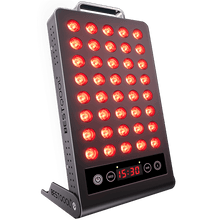
Medium or large panel |
Treats larger regions like chest, back, or multiple joints at once |
Combined skin, muscle, and joint goals |
Fits home gyms or offices where you can stand or sit in front of the panel regularly |
|
Full‑body bed or cabin |
Whole body coverage in one session |
Comprehensive skin and wellness claims |
Mostly in wellness centers; ownership costs can be very high and rarely necessary for most people |
University of Utah Health and WebMD note that consumer devices range from roughly a little over one hundred dollars for basic masks to several thousand dollars for high‑end systems, while professional full‑body beds can reach six figures. Baylor College of Medicine and Cleveland Clinic emphasize that at‑home LED devices are generally less powerful than in‑office systems; they can still work, but they demand more patience and consistency.
For most new middle class households, a well‑specified mask, cap, or small panel in the roughly one hundred to one thousand dollar range, chosen for FDA clearance and clear technical specs, often delivers the best balance between effectiveness and affordability, especially compared to repeated spa sessions that can be eighty dollars or more each.
When to Use It: Morning vs Evening
Atria’s guide suggests using your own response as a compass. Some people find red light energizing, especially full‑body panels near the start of the day. If that is you, avoid scheduling sessions within about two hours of bedtime so you do not inadvertently disrupt sleep. Others experience red light as calming; in those cases, evening sessions can pair nicely with a wind‑down routine.
If your device includes blue light for acne, experts at Baylor College of Medicine and Atria recommend using that component only in the morning or afternoon, because blue light exposure late at night can interfere with circadian rhythms. You can still use the red‑only setting later in the day if your skin enjoys it.
Layering Skincare and Haircare Around Red Light
What you put on your skin before and after red light can support or undermine results. Lumivisage’s guidance on post‑treatment care highlights that red light works at a cellular level and benefits from a calm, hydrated environment.
Before a session, gently cleanse the skin to remove makeup, sunscreen, or heavy oils that might block light. Avoid aggressive scrubs or strong acids right beforehand, especially if your skin is sensitive. During or right after treatment, a lightweight hydrating serum with ingredients like hyaluronic acid or niacinamide can help draw water into the skin and calm any mild redness. Follow with a moisturizer suited to your skin type to seal in hydration, and during the day finish with a broad‑spectrum sunscreen rated at least SPF 30 to protect your newly energized skin from UV damage.
For acne‑prone or inflamed skin, Aspen‑level dermatology guidance suggests avoiding applying strong retinoids, benzoyl peroxide, or high‑strength acids immediately after red light sessions, because the combined stimulation may increase irritation. Spacing those actives to a different time of day is usually safer.
On the scalp, red light works best on clean skin without thick product buildup. Most hair‑focused devices simply require dry hair and a few sessions per week, layered with any topical medications your dermatologist recommends.
Safety, Contraindications, and When to Skip a Session
Cleveland Clinic, Harvard Health, Stanford Medicine, UCLA Health, and several dermatology practices converge on a few safety principles.
Short‑term, red light therapy appears generally safe for most people when used as directed. It does not expose you to UV, and serious burns are rare, usually linked to malfunctioning devices rather than typical use. Most reported side effects are mild and temporary: slight redness, warmth, or tightness that fades quickly.
However, there are important cautions. People taking photosensitizing medications, including some antibiotics, certain acne drugs, and some anti‑inflammatories, should check with a physician before starting. Those with a history of epilepsy may need to avoid flickering light exposure altogether, as Baylor experts note that LED therapies are not appropriate for some epileptic patients. Individuals with a history of skin cancer or pre‑cancerous lesions should talk with a dermatologist to determine where red light may help (for example as part of photodynamic therapy) and where it should be avoided.
Eye protection is another critical detail. Harvard and WebMD both highlight concerns about potential eye damage from some facial devices, and one consumer mask was recalled over eye safety issues in susceptible users. Whenever you are using a bright device near the face, follow the manufacturer’s instructions carefully and wear the recommended protective goggles.
UCLA Health also notes that people with darker skin tones may have a higher risk of post‑inflammatory hyperpigmentation with some energy‑based treatments generally. While red light is far gentler than lasers or intense pulsed light, it is smart to start low, monitor your skin, and involve a dermatologist if you are prone to pigment changes.
Finally, red light therapy should always sit beside, not in place of, essential health habits and medical care. If you are facing depression, chronic pain, autoimmune illness, or a serious skin disease, red light alone is not an appropriate primary treatment.
Pros and Cons for the New Middle Class
Red light therapy appeals strongly to the new middle class because it offers an intersection of science, self‑care, and autonomy. You can treat yourself at home, on your schedule, in a way that feels luxurious without necessarily stepping into a high‑end spa each week. At the same time, you are investing in something that major institutions like Cleveland Clinic, Stanford Medicine, and UCLA Health actually discuss and research, not a random fad.
On the pro side, the evidence is strongest for meaningful improvements in facial aging, skin texture, some forms of acne and redness, hair thinning, and certain pain and inflammatory conditions, especially when used consistently over months. The safety profile is reassuring when devices are used correctly and eyes are protected. For people juggling work, family, and social obligations, a ten‑minute mask or panel session three evenings a week can be a realistic way to build a restorative ritual into your environment without commuting to yet another appointment.
On the con side, the costs can add up. WebMD and BSW Health note that at‑home devices commonly range from about one hundred to one thousand dollars, and some premium systems go far higher. Office sessions often start around eighty dollars or more and typically need to be repeated many times; a University of Utah Health conversation even mentioned full‑body beds priced in the six‑figure range. Insurance rarely covers cosmetic or general wellness uses, and some medical applications are still considered investigational.
There is also an opportunity cost. Every dollar and hour you devote to red light therapy is one you cannot spend on healthier groceries, stress‑reducing experiences, or sleep improvements. Physicians in the University of Utah Health podcast repeatedly come back to the “core four” of nutrition, activity, emotional and mental health, and sleep as the real drivers of long‑term health, with genetics in the background. Red light therapy is best seen as a plus‑one booster layered on top of those fundamentals, not a workaround for them.
For many new middle class households, that means the smartest path is deliberate: clarify your primary goal, choose a device that directly targets that goal and is backed by credible specifications, set a realistic routine, and periodically reassess whether it is delivering enough value to merit continued time and investment.
Short FAQ for Everyday Users
Is red light therapy just a fad?
Academic centers such as Stanford Medicine, UCLA Health, Cleveland Clinic, and University of Utah Health all agree that red light therapy has genuine, research‑backed uses, especially for specific skin and hair concerns and some pain conditions. At the same time, they caution that it is not a universal cure and that claims around weight loss, broad mental health treatment, or dramatic performance enhancement are not supported by strong evidence yet. It is better to think of red light as a useful tool in a few domains that still needs more long‑term, high‑quality studies.
How long before I see results?
Clinical trials of facial red light show that some people notice changes in softness, glow, and subtle fine lines within about four weeks, with more obvious improvements in wrinkles, firmness, and texture over two to three months of regular use. Hair growth studies and pain trials often run for several months as well. Most expert sources emphasize consistency over intensity: regular sessions over weeks and months, rather than a handful of very long sessions, are what tend to produce measurable benefits.
Is it safe to use every day?
Most short‑term safety data suggest that frequent red light exposure in the studied dose ranges is well tolerated, but both Atria and photobiomodulation researchers describe a biphasic “Goldilocks” response where too much light can reduce the benefit. That is why many dermatology protocols use two or three sessions per week instead of daily treatments, and why some mask studies space sessions by at least seventy‑two hours. Following device instructions, starting with modest exposure, and adjusting based on your skin’s response is wiser than assuming that more frequent use will always be better.
Bringing It All Together
When you strip away the marketing fog, red light therapy turns out to be a thoughtful, science‑grounded technology with clear strengths and clear limits. For the new middle class household, it can be a powerful addition to a lifestyle ritual: a quiet ten minutes under a mask while you practice breathwork, a short panel session after a workout while you stretch, or a consistent scalp routine while you listen to a podcast.
The art is in using it like a trusted tool, not a magic wand: choose well, dose wisely, protect your eyes, keep your dermatologist in the loop, and keep investing most of your energy in the everyday habits that medicine still considers non‑negotiable. Used in that spirit, at‑home red light therapy and targeted wellness solutions can help you feel a little more at home in your skin as you move through a demanding modern life.
References
- https://www.health.harvard.edu/diseases-and-conditions/led-lights-are-they-a-cure-for-your-skin-woes
- https://pmc.ncbi.nlm.nih.gov/articles/PMC10311288/
- https://blogs.bcm.edu/2025/06/24/led-light-therapy-how-does-it-work-on-your-skin/
- https://www.buffalo.edu/news/releases/2022/01/029.html
- https://med.stanford.edu/news/insights/2025/02/red-light-therapy-skin-hair-medical-clinics.html
- https://micda.isr.umich.edu/wp-content/uploads/ninja-forms/tmp/nftmp-M2oQG-dermadreamredlighttherapyreformingrvj3fq1.pdf
- https://healthcare.utah.edu/the-scope/mens-health/all/2024/06/176-red-light-therapy-just-fad
- https://atria.org/education/your-guide-to-red-light-therapy/
- https://my.clevelandclinic.org/health/articles/22114-red-light-therapy
- https://www.gundersenhealth.org/health-wellness/aging-well/exploring-the-benefits-of-red-light-therapy


 Small
Small

 Moderate

 Moderate

 Moderate

 Full
Full

