

Red light therapy has gone from niche clinic treatment to social media trend and Amazon-style best seller in just a few years. I hear the same question from both college students and retirees: “Am I the kind of person who actually needs red light therapy, or is this just hype for someone else’s age group?”
As a red light therapy wellness specialist and health advocate, I work with people who want realistic, science-backed answers, not magical promises. In this article, we will look at what the research actually shows, then explore how needs and benefits differ between younger and older adults so you can decide where red light therapy truly fits into your life.
What Red Light Therapy Really Is (And Is Not)
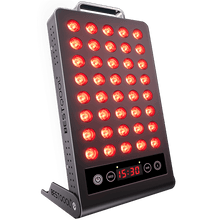
Red light therapy, often called photobiomodulation or low-level light therapy, exposes your skin to low levels of red and sometimes near‑infrared light, typically in the roughly 600–1,000 nanometer range. Devices can be masks, panels, full‑body beds, caps, or handheld wands.
According to clinical explanations from Cleveland Clinic, Stanford Medicine, UCLA Health, and WebMD, this light is thought to be absorbed by structures in your cells, especially mitochondria, sometimes described as your cells’ “power plants.” Key mechanisms suggested in these sources include increased ATP (cellular energy) production, release of nitric oxide to improve blood flow, and changes in cell signaling that can support collagen production and reduce inflammation.
Importantly, this type of red light does not contain ultraviolet. It does not tan or burn the skin the way UV can. In dermatology, red light is also used as part of photodynamic therapy when combined with a photosensitizing drug to treat some precancerous or cancerous lesions, but red light alone is not used to kill skin cancers.
Where the strongest, most consistent evidence exists today is not in “whole body rejuvenation,” but in a narrower set of uses:
- improving certain signs of skin aging
- supporting some types of hair regrowth
- helping specific skin issues such as acne or redness in some people
Claims about boosting athletic performance, curing chronic pain, or dramatically improving dementia or sleep are still considered preliminary by experts quoted in sources such as Stanford Medicine, UCLA Health, and WebMD.
What the Science Says About Skin and Aging
Skin aging and wrinkle reduction
Several clinical studies and reviews summarized in sources like PubMed Central, UCLA Health, and WebMD point in a similar direction: repeated, low‑level red light sessions can modestly improve visible signs of aging skin.
One clinical study described in PubMed Central looked at a high‑power red LED mask used at home by 20 adults between 45 and 70 years of age, with two 12‑minute face sessions per week for three months. The mask emitted red light around 630 nanometers with a well‑defined energy dose. Under dermatologic supervision, researchers measured wrinkle depth, skin firmness and elasticity, dermal density, skin smoothness, pore appearance, and sebum in those with oily or combination skin. Over one, two, and three months, the improvements were progressive, and all participants reported overall better skin quality. Notably, some benefits persisted for about a month after stopping use, suggesting real structural changes rather than a one‑day glow.
Another randomized controlled trial involving 136 volunteers, also summarized on PubMed Central and reviewed in a separate clinical roundup, compared full‑body red and red plus near‑infrared light devices with untreated controls. Participants had 30 sessions, twice a week. Treated groups showed statistically significant reductions in skin roughness, increases in ultrasound‑measured dermal collagen, and blinded-physician–rated improvement in wrinkles compared with controls. Safety was good, with no serious adverse events.
These studies are not perfect—many are small, often funded or supported by device manufacturers, and sometimes lack ideal sham controls—but across multiple sources, they consistently suggest that red light therapy can:
- reduce the depth and roughness of fine lines and wrinkles
- improve skin smoothness and elasticity
- increase dermal collagen density
That said, a review highlighted by ZOE’s analysis of the research emphasizes that the commercial popularity of red light has grown faster than the evidence base, and that many trials are tiny and methodologically limited. Cleveland Clinic similarly describes the evidence as promising but not strong or consistent enough to support every marketing claim.
Hair thinning and hair loss
Hair follicles are metabolically active and rich in mitochondria, which may be part of why red light affects them. Early animal work showed increased hair growth in response to low-level red light. Later, small human trials described in research roundups from WebMD and ZOE found that red or near‑infrared laser/LED caps and helmets used over roughly 16 weeks could increase hair growth in androgenetic (hereditary) hair loss, sometimes improving hair thickness as well.
FDA‑cleared combs, caps, and helmets for hereditary hair loss are now available, and UCLA Health notes that results in some studies can be comparable to topical minoxidil, especially when use is consistent over several months. However, not all researchers replicate these results, and long-standing or advanced baldness (with fully inactive follicles) is much less likely to respond.
Acne, redness, and inflammatory skin issues
For acne and inflammation, the evidence is mixed but intriguing. Cleveland Clinic and Santa Barbara–based dermatology sources describe red light as anti‑inflammatory and supportive of healing, often used alongside blue light, which more directly targets acne‑causing bacteria. A 2021 review mentioned by ZOE found red light roughly comparable to common acne treatments in some trials, but a 2024 Cochrane review concluded that there is no high‑certainty evidence that red or other light therapies reliably treat acne.
For conditions such as eczema and psoriasis, ZOE’s analysis notes that research is still sparse. Early findings are “encouraging” in psoriasis, but many studies suggest that blue light may be more effective than red for certain inflammatory skin conditions. In practice, some clinics combine red and blue light, but this is done more on the basis of plausible mechanisms than solid large-scale trials.
Taken together, red light therapy may help reduce redness, accelerate healing, and soften scars, particularly after procedures, but it is not yet a replacement for well‑established treatments for chronic inflammatory skin diseases.
How Age Changes Skin, Hair, and Needs
With age, skin tends to become thinner, less elastic, and drier. Sources like Mito Red Light’s educational material describe age‑related decline in collagen and elastin, leading to fine lines, wrinkles, sagging, and age spots. Hair often becomes thinner and sparser. Photoaging from years of sun exposure adds roughness, uneven tone, and pigmentation.
By contrast, younger adults are more likely to struggle with issues such as acne, post‑acne marks, early sun damage, or the first faint lines around the eyes. Their collagen and elastin levels are generally higher, and their main goal is usually “prevention” rather than correction.
A social media–based survey published in the Journal of Clinical and Aesthetic Dermatology examined how 226 adults think about over‑the‑counter red light devices. Most respondents were young adults in their 20s and early 30s, and social media was their top information source, far ahead of dermatologists or official websites. Interestingly, the analysis found that:
- seventy‑five to ninety percent had tried or were interested in trying red light therapy
- higher age was significantly associated with greater interest in purchasing a device
- older participants were more likely to prefer a daily device over a cream for skincare results
This highlights a split I see frequently in real life. Younger users often encounter red light through influencers and want fast, visible changes. Older users, especially those already dealing with wrinkles or hair thinning, may be more willing to commit to a long‑term technical routine if they believe it will support aging well.

Younger Adults and Red Light Therapy
Typical goals for younger users
Younger adults often ask about red light therapy for three main reasons: acne and redness, early prevention of wrinkles, and performance or “biohacking” benefits like sleep, focus, or workout recovery.
For acne and redness, as noted above, evidence is still evolving. Reviews summarized by ZOE show that some trials find red light comparable to standard acne treatments, while more rigorous reviews conclude that certainty is low. Dermatology sources like Cleveland Clinic and WebMD see red light as a potentially helpful adjunct, not a stand‑alone cure.
For early anti‑aging, the clinical studies on wrinkle reduction mostly involve middle‑aged and older adults, but mechanisms such as collagen stimulation and reduced oxidative stress would logically apply to younger skin as well. The question is not whether red light can act on young skin, but whether a younger person “needs” it compared with simpler, more proven steps.
A key point from multiple expert sources, including Cleveland Clinic, UCLA Health, and ZOE, is that red light therapy should not be treated as a replacement for foundational skin habits. It does not block UV radiation. It does not replace gentle cleansing, evidence‑based topical treatments, or daily sunscreen. In fact, one anti‑aging article from Mito Red Light explicitly recommends using red light alongside a simple skincare routine that includes cleansing, occasional exfoliation, moisturizing, and sunscreen.
For general performance, muscle recovery, or sleep, the evidence for red and near‑infrared light is still patchy. Reviews summarized by ZOE describe mixed results for exercise recovery and musculoskeletal pain, and a 2013 review of muscle studies found some benefit when light was used before exercise, but later analyses emphasize small sample sizes, variable protocols, and sometimes industry funding. For sleep and mood, bright white light therapy — not red — is the best‑supported approach for conditions like seasonal affective disorder, as described by Harvard Health.
When red light can make sense for younger adults
For a younger person with significant acne, stubborn post‑acne marks, or early fine lines around the eyes, red light therapy may be worth considering as an additional tool, especially if:
- they are already working with a dermatologist
- they have a clear routine with sunscreen and topical treatments in place
- they understand that benefits will likely be modest and gradual
The survey in the Journal of Clinical and Aesthetic Dermatology also showed that most people did not believe higher‑priced devices are necessarily better, and many had no brand preference or understanding of wavelengths. This underlines the importance of evidence‑based guidance, not just social media trends. Dermatology and academic sources consistently recommend looking for devices with documented wavelengths in the therapeutic red and near‑infrared range, manufacturer data, and where possible, FDA clearance for safety.
For many healthy young adults with relatively good skin, it can be more impactful to invest in sleep, stress management, UV protection, and nutrition before turning to devices. Red light therapy is a “nice-to-have” extra, not an essential pillar of wellness at this age.
Older Adults and Red Light Therapy
Typical goals for older users
Older adults tend to come to red light therapy with clearer, more concrete concerns: visible wrinkles, sagging, age spots, thinning hair, and sometimes joint pain or recovery after minor injuries or procedures. The strengths of red light therapy research align more closely with these goals than with “general optimization.”
As described in the clinical trials on PubMed Central and the reviews compiled by Inb Medical and UCLA Health, repeated red or red plus near‑infrared light exposures can:
- reduce the appearance of fine lines and wrinkles
- improve skin elasticity, roughness, and collagen density
- enhance healing and scar appearance after some cosmetic procedures
- support hair regrowth and increased hair thickness in some types of hereditary hair loss
In older populations, even modest improvements in skin texture or hair density can translate into meaningful boosts in confidence and quality of life. UCLA Health notes that in a three‑month mask study, benefits lasted for about a month after stopping treatment, which suggests structural change rather than a transient plumping effect.
Safety and realistic expectations
The safety profile for red light therapy is generally favorable across age groups when devices are used correctly. Cleveland Clinic, UCLA Health, and WebMD all emphasize that:
- red light does not appear to cause skin cancer
- most side effects are mild and temporary, such as slight redness or warmth
- long‑term safety data are still limited, especially for heavy, repeated at‑home use
Risks increase with misuse, such as running very high‑intensity panels for long periods or staring directly into bright light without eye protection. Expert sources recommend protective goggles, especially with high‑output devices or face masks.
Cost is also important for older adults on fixed incomes. AARP reports that in‑office sessions typically run between about $50 and $150 each and are usually not covered by insurance because they are cosmetic. At‑home masks and panels can range from around $50 to several hundred dollars or more, according to AARP, UCLA Health, and other health-system blogs. Multiple sessions per week over months are usually needed, which adds up in both cost and time.
For deeper wrinkles or significant sagging, dermatologists quoted by AARP are clear that red light therapy is not a substitute for more intensive procedures such as ablative lasers or injectables. Instead, it can be a low‑risk, low‑downtime option for subtle improvements, or a complement to other dermatologic care.

Young vs Old: Who “Needs” Red Light Therapy More?
The honest, evidence‑based answer may surprise you: strictly speaking, neither younger nor older adults “need” red light therapy in the way we need sleep, movement, social connection, or medically necessary treatment. Red light is best viewed as a supportive tool, not a foundational requirement.
However, looking at the research and real‑world needs, older adults with specific concerns probably have more to gain per minute and per dollar spent.
Here is a side‑by‑side snapshot based on the evidence reviewed above.
Age group |
Common reasons for red light use |
Evidence snapshot from current research |
When it tends to make the most sense |
Key things to watch |
Younger adults |
Acne, redness, “prevention,” social-media inspired “biohacking” |
Data for acne and inflammation are mixed and often low certainty; early anti‑aging prevention is biologically plausible but not well studied specifically in young skin; performance and sleep claims remain uncertain. |
As an adjunct for acne or post‑acne marks with dermatologist guidance; for early fine lines in people already consistent with sunscreen and basic skincare. |
Overreliance on social media advice, unrealistic expectations of dramatic transformations, and neglect of foundational habits. |
Older adults |
Visible wrinkles, sagging, age spots, thinning hair, recovery after minor procedures |
The strongest clinical data for red light are in skin rejuvenation and some forms of hereditary hair loss, mostly in middle‑aged and older adults; studies show modest but real improvements in wrinkles, texture, collagen, and hair density. |
For people who want subtle, gradual improvements in skin and hair with minimal downtime, are ready to commit to months of consistent use, and can afford the cost. |
Assuming it will replace lasers, injectables, or surgery; not checking for photosensitive conditions or medications; underestimating the time commitment. |
From an aging and healthspan perspective, sources like Mito Health and Spectra‑style educational material point out that red and near‑infrared light may help support cellular energy and reduce chronic low‑grade inflammation, which are important in midlife and beyond. But experts from Stanford, Cleveland Clinic, UCLA Health, and WebMD repeatedly warn against treating red light as a cure‑all or age‑reversing miracle.
So if we frame the question as “Who is more likely to see practical, meaningful benefits from red light therapy right now, based on current evidence?” the answer leans toward older adults with specific, visible aging concerns and realistic expectations. For younger adults, red light therapy can still be useful in targeted ways, but it is more of an optional enhancement than a priority.

Practical, Age‑Neutral Use Tips
While I cannot make individual medical recommendations here, there are practical principles that apply to almost everyone considering red light therapy, regardless of age.
First, involve a qualified clinician, ideally a dermatologist, especially if you have a diagnosed skin condition, are taking medications that increase light sensitivity, or have a history of skin cancer or significant eye disease. Multiple sources, including Cleveland Clinic, UCLA Health, and WebMD, emphasize the value of professional guidance and caution about treatments offered solely in nonmedical spas or gyms.
Second, choose devices carefully. Health‑system and dermatology articles recommend looking for:
- clearly stated wavelengths in the red or near‑infrared range (for example, around 630–670 nanometers for many cosmetic skin applications)
- evidence that the device is FDA‑cleared, which speaks primarily to safety
- published or at least manufacturer‑summarized data on dosing and outcomes
Third, keep dosing moderate and consistent. Clinical protocols summarized in PubMed Central, Mito Red Light, UCLA Health, and others typically use short sessions, often around 10–20 minutes, a few times per week for several weeks or months. The skin-aging study with the Dior x Lucibel mask used 12‑minute sessions twice a week. Photobiomodulation research also describes a “biphasic” dose response: very low doses may do little, but very high doses can blunt or even reverse benefits. More time in front of a panel is not necessarily better.
Fourth, protect your eyes and skin. Experts quoted by AARP, WebMD, and UCLA Health note that although red light is not believed to damage the eyes in the way UV can, the brightness can be uncomfortable, and some high‑power or focused devices could pose risks with direct staring. Protective goggles are generally advised, and patch testing a small skin area is a sensible first step for at‑home users.
Finally, integrate red light into a broader, realistic plan. Anti‑aging and dermatology sources agree that results are gradual and require consistent use. They also stress that red light therapy is not a stand‑alone solution; pairing it with sun protection, appropriate skincare, and healthy lifestyle habits will always do more for your long‑term appearance and well‑being than any device on its own.
Short FAQ: Common Questions Across Ages
Can teenagers or very young adults use red light therapy?
Most clinical trials summarized in the sources above involve adults, often middle‑aged or older. That means there is limited high‑quality data specifically in teenagers. At the same time, multiple medical sources describe red light as generally safe and non‑invasive when used as directed. For a teen with acne or other skin issues, the safest path is to work with a dermatologist, who can decide if red light therapy adds value alongside well‑studied treatments.
Can red light therapy replace sunscreen or retinoid creams?
No. Red light therapy does not provide any ultraviolet filtering or blocking, and sources like Cleveland Clinic and WebMD are clear that red light devices are not a substitute for established treatments. In fact, anti‑aging practitioners often combine red light with daily sunscreen and, when appropriate, dermatologist‑recommended topical products. Think of red light as a potential supporting player, not the main defense.
Is it possible to overdo red light therapy?
Yes. Research on photobiomodulation, including the Dior mask study, describes an optimal dose window. Sessions in that study were spaced at least seventy‑two hours apart to allow “cellular energy digestion,” and many sources warn that excessive intensity or duration can cause skin irritation and may cancel out benefits. If you notice persistent redness, irritation, or discomfort, it is a signal to stop and consult a clinician rather than simply pushing through.
Red light therapy can be a helpful ally in your wellness toolkit, but it is not a magic wand for either youth or age. Younger people often need more boundaries around expectations and social media hype; older adults usually need clear information about realistic outcomes, cost, and safety. When you understand what the science truly supports and where the gaps remain, you can make calm, empowered choices about whether red light therapy deserves a place in your own routine right now, or whether your energy is better invested in other, more proven ways to care for your skin and health.
References
- https://www.health.harvard.edu/blog/light-therapy-not-just-for-seasonal-depression-202210282840
- https://stacks.cdc.gov/view/cdc/105464
- https://pmc.ncbi.nlm.nih.gov/articles/PMC10311288/
- https://aichat.physics.ucla.edu/Download_PDFS/publication/YCvxS1/AriWhittenRedLightTherapyRecommendations.pdf
- https://med.stanford.edu/news/insights/2025/02/red-light-therapy-skin-hair-medical-clinics.html
- https://my.clevelandclinic.org/health/articles/22114-red-light-therapy
- https://www.gundersenhealth.org/health-wellness/aging-well/exploring-the-benefits-of-red-light-therapy
- https://www.uclahealth.org/news/article/5-health-benefits-red-light-therapy
- https://www.aad.org/public/cosmetic/safety/red-light-therapy
- https://www.aarp.org/health/healthy-living/red-light-therapy-for-wrinkles/


 Small
Small

 Moderate

 Moderate

 Moderate

 Full
Full

