
For most people, the practical post-workout order is: finish exercising, cool down and rehydrate, shower, dry off completely, then use red light therapy in a dry area according to your device manual.
This is a comfort- and safety-led routine, not a proven "best" timing protocol for results. Available reviewed material does not establish an optimal post-exercise photobiomodulation timing, dose, or wavelength, so there is no evidence-backed rule that everyone must treat immediately before or after showering.
Use a Simple Post-Workout Sequence

A repeatable routine can remove much of the guesswork:
- Finish your workout and cool down. Do not rush from intense exercise straight into another heat-producing or uncomfortable activity if you still feel overheated.
- Drink fluids and settle your breathing. If you feel thirsty, lightheaded, or generally unwell after exercise, address that first rather than starting a device session.
- Shower when you need to for hygiene and comfort. This is often the easiest point to remove sweat and any products you wore during the day.
- Dry your skin and the surrounding area fully. Use electrical equipment only in the dry setting required by its instructions---never in the shower or around splashing water and steam unless the exact product documentation explicitly permits it.
- Use red light therapy as directed by your device manual. Follow its instructions for placement, session length, distance, and eye use or protection.
- Apply moisturizer or other post-shower products afterward if you wish, provided their labels and your device guidance do not say otherwise.
A shower after red light therapy does not automatically mean the session was wasted. Likewise, using a device before showering is not automatically ineffective. The more useful question is which order leaves you clean, comfortable, fully dry, and able to use the device safely.
When Showering First Makes the Most Sense

Shower first when you are sweaty, sticky, overheated, or simply do not want to stand near a device until you feel fresh and dry. This is particularly practical after a humid run, a crowded gym class, heavy strength training, or an outdoor workout with sunscreen on exposed skin.
For the skin-focused user, showering first also creates a straightforward baseline: clean, dry, comfortable skin with fewer routine variables. It does not prove that clean skin produces better treatment results. It simply makes your routine easier to manage and may feel more comfortable than treating while sweat and everyday products remain on the skin.
If your only available setup is a bathroom that is still wet or steamy, wait until you can use the device in a dry, appropriate space. A session can be moved later in the day; there is no need to force it into the narrow window immediately after exercise.
When You May Separate the Session From Your Shower

The default sequence is flexible. Consider delaying red light therapy when:
- You are still hot, flushed, thirsty, dizzy, or uncomfortable after training.
- You need to leave quickly and cannot create a dry, unhurried setup.
- Your skin feels irritated from friction, sweat, shaving, or a new body product.
- You need a shower immediately for hygiene or personal comfort.
- Your device instructions do not clearly support the way you planned to use it.
For example, someone leaving a hot group class may cool down, shower, and wait until their skin feels dry and comfortable before using the device. Someone who finishes a brief home workout and already has a dry, appropriate setup might schedule the session later rather than turning the shower order into a source of stress.
The goal is a routine you can follow consistently without compromising basic post-workout needs.
Keep Skin Preparation Straightforward
There is not enough approved evidence to say that sweat, body oil, deodorant, sunscreen, lotion, or topical muscle products reliably block, improve, or reverse red light therapy effects. Avoid treating any of these as a guaranteed performance variable.
Instead, use a practical baseline.
Before the Session
- Aim for skin that is dry and comfortable.
- Do not add lotions, oils, sunscreen, deodorant, or topical muscle products specifically to enhance a session.
- Check the labels of any product left on your skin and the instructions for your exact device.
- If a product stings, heats, tingles, or otherwise irritates your skin after exercise, remove it and allow your skin to settle before deciding whether to use the device.
After the Session
- Showering afterward remains an option if that fits your schedule.
- Apply moisturizer, body lotion, or other skin products according to their labels once you have finished the session.
- If you use a topical muscle product, follow its own directions and do not assume it is automatically compatible with light exposure or recently exercised skin.
If facial skincare is part of your routine, see this guide on using skincare products before or after red light therapy.
Avoid Making Shower Timing a Recovery Claim
Red light therapy may be part of a personal recovery routine, but it should not replace rest, fluids, meals, rehabilitation, or medical evaluation for a significant injury or persistent symptoms.
The reviewed human evidence in one photobiomodulation-versus-cryotherapy comparison was limited in quantity, and the available material does not identify a best post-exercise timing, dose, or wavelength. That does not mean a useful protocol cannot exist; it means this shower-order decision should not be presented as a proven way to eliminate soreness, accelerate recovery, or improve performance.
Keep your expectation modest: treat red light therapy as an optional routine element, and prioritize the basics that your body needs after training.
A Safe Post-Workout Decision Check
Before starting a session, run through this short checklist:
- [ ] I have cooled down enough to feel comfortable.
- [ ] I have had fluids if I was thirsty after exercise.
- [ ] My skin is dry and feels comfortable.
- [ ] I am using the device away from water, splashing, and unsuitable moisture.
- [ ] I have checked my exact device instructions for setup, session use, and eye guidance.
- [ ] I am not relying on the session to manage an injury or replace core recovery habits.
- [ ] I have considered whether medications, skin sensitivity, or an active skin reaction may require professional advice first.
Choose the order that leaves your skin appropriately prepared, keeps water and electrical safety in view, and fits the exact manual for your device. Before adding a regular post-workout session, review BestQool's verified safety and setup guidance for your specific model.


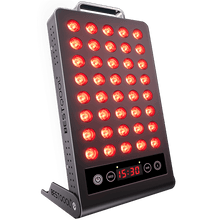
 Small
Small

 Moderate

 Moderate

 Moderate

 Full
Full

