
Neither order is proven better. Meditate first if protecting a calm, undistracted practice is your priority. Use red or near-infrared light therapy first if that makes your morning routine easier to complete and feels comfortable. Keep the activities separate if the device setup pulls attention away from meditation.
A morning session should not be treated as a proven way to improve alertness, calm, circadian timing, meditation quality, or sleep. The available research on photobiomodulation, sleep, and circadian outcomes remains limited (the difference between red light therapy and bright-light therapy), and larger standardized studies are needed to establish optimal use parameters or timing (systematic review and meta-analysis).
Choose the Order That Supports Your Actual Morning Goal

The useful question is not "Which order is biologically best?" It is "Which order lets me do both activities comfortably and consistently without compromising the one I value most?"
| If Your Priority Is... | A Practical Order to Try | Why It May Fit |
|---|---|---|
| Quiet attention and reflection | Meditate first, then use the device | Your meditation begins before light, positioning, heat, or a timer become part of the experience. |
| Getting the light session done before the day gets busy | Use the device first, then meditate | Starting with setup may make the session easier to remember and complete. |
| A skin- or muscle-focused morning session | Use the order that fits the treatment area and your schedule | The sequence does not need to double as a meditation intervention. Keep the light session aligned with the device instructions. |
| A very short, crowded morning routine | Put the activities back-to-back | A simple sequence is often easier to repeat than trying to multitask. |
| Sensitivity to brightness, warmth, or distraction | Meditate first or separate the activities | Preserve the conditions that make meditation feel sustainable. |
These are routine-design choices, not evidence that one sequence improves treatment results or meditation performance.
For the Calm-Focus Meditator
Meditate first if you want your practice to begin with the least stimulation and fewest decisions. You can sit, breathe, journal, or follow your usual meditation without managing positioning, exposure time, or visual comfort.
Then complete the light session afterward according to the instructions for your device. This approach is especially practical if you notice that the panel's brightness, warmth, or timer makes it harder to settle.
For the Efficiency-First Routine Builder
Use the device first if completing the session early removes one more task from the morning. Once it is finished, move into meditation as a separate practice.
This order works only if you can still meditate comfortably afterward. If you find yourself rushing, checking the clock, or feeling preoccupied with the session, reverse the order or place the two activities at different points in the morning.
For Skin, Muscle, or Comfort-Focused Users
If your primary reason for using a device is a skin- or body-area routine, let the required setup determine the order. You may need a particular posture, distance, clothing arrangement, or treatment area that does not lend itself to seated meditation.
In that case, there is no need to force a combined ritual. Meditation can remain a separate part of the morning, before or after the device session.
Can You Meditate While Using a Red Light Device?

Possibly---but only when doing so does not conflict with the device's instructions or your ability to meditate comfortably.
Combining the activities is not inherently better than doing them separately. It is simply an option for people whose setup makes it easy.
Combine Them Only If These Conditions are Met
You may be able to meditate during a session when:
- Your device instructions allow your planned positioning and use.
- You can maintain the required distance and treatment-area position without strain.
- The timer does not create pressure or repeatedly interrupt your attention.
- Brightness, warmth, and fan noise feel manageable.
- You understand and can follow the device-specific eye guidance.
- You can stay comfortably still without changing the intended setup.
If any of these conditions is missing, use a back-to-back routine instead. For example, meditate for your normal practice first, then begin the device session. Or complete the device session first and meditate afterward in a different spot.
A good rule: if you spend the meditation wondering where to look, whether you are sitting correctly, how much time remains, or whether the light feels too intense, the activities are competing rather than complementing each other.
Let Device Instructions Set the Session Details
Do not choose session length, distance, frequency, eye practices, or positioning from a wavelength label or a generic online routine. Those details depend on the specific device and its intended use.
Before adding a morning session, review the current instructions for your exact device, including:
- Recommended treatment distance and duration
- The appropriate treatment area and body position
- Eye guidance and any provided eyewear instructions
- Timer, ventilation, and heat-related directions
- Warnings, contraindications, and use limitations
Avoid assuming that more time, closer distance, or a longer-running routine is better. Available sleep research does not establish an optimal protocol length, a morning schedule, or a before-versus-after-meditation sequence for an individual.
Use Comfort as a Practical Stop Signal

A routine should be easy enough to repeat without pushing through discomfort. Stop the session and reassess if you experience eye discomfort, headache, excessive warmth, skin irritation, or another unwanted reaction.
Consider clinician guidance before using red or near-infrared light therapy if you have photosensitivity, use photosensitizing medicines, have an eye condition, or have a medical history that could affect safe use. A clinician can help you decide whether a device is appropriate in your circumstances; the device instructions remain the source for its operating details.
Make a Simple One-Week Routine Trial
Rather than changing everything at once, choose one sequence and test it briefly under normal morning conditions.
- Pick one order: meditation first, device first, or separate sessions.
- Keep your meditation duration and device setup consistent with their instructions.
- After each morning, note whether the routine felt calm, comfortable, and realistic.
- Change the order if either activity becomes rushed, distracting, or unpleasant.
The best sequence is the one you can follow without turning meditation into equipment management---or turning the device session into another source of pressure.
Meditate first if calm and undistracted practice is the priority. Use the device first if it fits your routine and feels comfortable. Keep them separate if the setup distracts from meditation. Review your device-specific safety and use instructions before settling on a schedule, and consult a clinician when your health history, eye health, or medicines make that appropriate.


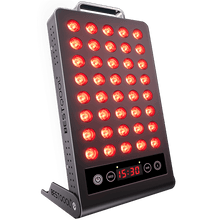
 Small
Small

 Moderate

 Moderate

 Moderate

 Full
Full

