

Most people do red light therapy at home in the same place they stream shows, answer emails, and scroll social media. It is natural to wonder whether you can use your cell phone under the panel, and whether red light can somehow “undo” the toll of constant screen time.
As a red light therapy wellness specialist, I see this question almost every week. The honest answer is nuanced: your phone does not literally switch off the benefits of a good red light session, but how and when you use screens can meaningfully shape your results for skin, sleep, mood, and overall recovery.
This article walks through what the research and clinical guidance actually say, where experts disagree, and how to build a practical, screen‑smart red light routine at home.
A Quick Primer on Red Light Therapy
Red light therapy, often called photobiomodulation or low‑level light therapy, uses specific red and near‑infrared wavelengths to nudge your cells toward repair rather than damage. Consumer devices usually focus in the range around 630–670 nanometers for visible red light and roughly 800–850 nanometers for near‑infrared light.
According to clinical overviews from Cleveland Clinic and Stanford Medicine, red light in these ranges appears to act mainly on mitochondria, the “power plants” inside cells. By supporting mitochondrial function and cellular energy production (ATP), red and near‑infrared light can:
- Stimulate fibroblasts to make more collagen and elastin.
- Improve microcirculation in the skin and underlying tissues.
- Reduce some markers of inflammation and pain.
- Support wound and soft‑tissue healing in certain contexts.
The best established modern uses in dermatology are hair regrowth and modest skin rejuvenation for fine wrinkles and texture. Stanford Medicine emphasizes that evidence for many other popular claims, like dramatic athletic performance gains or broad neurological benefits, remains limited and often speculative.
Cleveland Clinic makes a similar point: many clinical studies are small, sometimes lack robust placebo controls, and use very specific devices and settings that do not always match what is sold to consumers. That does not mean red light therapy is useless; it means you should expect incremental, cumulative benefits, not miracles, and you should choose devices and protocols thoughtfully.
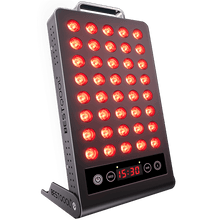
At‑home devices range from masks and wands to full‑body panels. Articles from Prism Light Pod, Kineon, and Fuel Health Wellness converge on a few practical themes. Most people see better results with short, consistent sessions rather than rare long marathons. Typical starting schedules involve about 10–20 minutes per area, several times per week, at a manufacturer‑recommended distance of roughly 6–12 inches from the skin.
Safety guidance from clinics and device makers such as Physical Achievement Center, Haven of Heat, GreenToes Tucson, and CurrentBody consistently stresses:
- Avoid looking directly into intense LEDs; consider eye protection with strong panels.
- Start with conservative exposure times and increase gradually.
- Be cautious if you are pregnant, have photosensitive conditions, take light‑sensitizing medications, or have a history of skin cancer; involve your clinician before you start.
With that foundation, it is easier to understand what happens when you add a phone or tablet into the mix.

What Your Phone’s Light Does to Your Skin, Eyes, and Sleep
Your red light panel emits mainly red and near‑infrared wavelengths. Your phone and TV are very different. Their LED backlights and OLED pixels concentrate a large share of energy in short‑wavelength visible, or blue, light.
Several of the sources summarized in the research notes, including articles from Solawave and Lumivisage, highlight that blue light from digital screens can generate reactive oxygen species (ROS) in the skin. ROS are unstable molecules that drive oxidative stress, a process linked to premature skin aging, pigmentation changes, and inflammation.
A laboratory study published on the National Institutes of Health platform tested blue‑enriched light from smartphone and tablet screens on Staphylococcus aureus, a bacterium that can worsen inflammatory skin conditions. Under conditions of very close, prolonged exposure in a dark environment, bacterial growth increased markedly compared with control light. The authors suggested that, in theory, heavy blue‑light exposure close to the face could contribute to acne or irritation, while also noting that the experiment does not perfectly mimic real‑world phone use.
Blue light also reaches the eyes. A review from CurrentBody distinguishes between therapeutic red LED light and higher‑energy blue and high‑energy visible (HEV) light from devices. Red LED wavelengths used in cosmetic masks have not been credibly linked to eye damage in available research and are under investigation for potential eye‑health applications. In contrast, prolonged exposure to blue‑heavy screen light has been associated with eye strain and may contribute to retinal stress over time, which is why many clinicians recommend limiting evening screen time.
Finally, short‑wavelength light is a powerful signal for the circadian system. Several wellness sources in the notes, including Prism Light Pod and multiple consumer guides, describe how evening screen exposure can blunt melatonin production and delay sleep onset, while red light appears more neutral or even supportive for sleep. One wellness blogger describes replacing bright white bulbs with red LED bulbs and cutting off screens in the hour before bed as a “game changer” for subjective sleep quality and stress.
In short, your phone and your red light device are not sending the same message to your body. Red light encourages repair and calm; blue light pushes alertness and can add oxidative stress. That tension matters when you combine them.
Does Using Your Phone During Red Light Therapy Reduce Results?
When clients ask whether their phone “cancels out” their red light session, there are really three separate questions hiding inside: does screen light interfere with the therapeutic wavelengths, does it change your physiological response, and does it disrupt the psychological benefits of the session?
Light Interference: Competing Wavelengths vs Blocked Light
Some brands and clinics take a strict stance. Articles from Bontanny, Heavenly Heat Saunas, and JOVS argue that phone screens emit light that can interfere with the red and near‑infrared wavelengths used in therapy, especially if the phone is held close, potentially limiting how deeply therapeutic light penetrates and how effectively it stimulates mitochondria.
Other sources, including Lumivisage and Solawave, point out that screen light and red light operate at very different wavelengths and that the intensity of a phone screen is much lower than a panel. These authors note that there is no direct evidence that using a phone stops a red light device from working. They emphasize that the biggest physical risk is not the light itself, but placing the phone in a way that physically blocks the panel or causes you to move out of the ideal treatment zone.
Taken together, the best evidence‑based interpretation is this. A bright phone screen near your face is unlikely to completely negate the cellular effects of a well‑designed red light session. However, it can do several things that chip away at your results. It can block light from reaching part of the skin, especially if you hold the phone in front of your face or chest. It can lead to micro‑movements and position shifts, so the target area is no longer at the right distance or angle. And it reintroduces blue light that may counteract some of the sleep and inflammation benefits you are trying to cultivate with red light.
Physiology and Relaxation: The Mind–Body Factor
Multiple wellness companies and clinicians stress that red light therapy is not just a biochemical interaction; it is also an opportunity for your nervous system to shift gears. Bontanny, Heavenly Heat Saunas, and JOVS each describe relaxation and focused presence as central goals of a quality session. Patients often report mood improvement and reduced anxiety when they treat red light as a mini‑retreat rather than a multitasking opportunity.
From a physiological perspective, this matters. When your body is tense and your sympathetic “fight‑or‑flight” system is running high, muscles and fascia tend to contract, circulation patterns change, and pain perception increases. Bontanny notes that relaxed muscles likely allow light to reach target tissues more efficiently, while a calm mind may increase your capacity to notice and integrate subtle improvements.
Scrolling, replying to messages, or reading emotionally charged content pulls attention outward and often raises stress hormones. That is the opposite of the mind–body alignment many red light practitioners aim to create. In my own work with clients, those who protect their sessions as screen‑free time usually report smoother sleep, a deeper sense of calm, and more noticeable changes in pain and skin over the same number of sessions compared with clients who treat panels as background lights while they do email.
Eye Comfort and Safety
Eye safety is another practical consideration. Clinical and manufacturer guidance collected from CurrentBody, Physical Achievement Center, Haven of Heat, and GreenToes Tucson indicates that cosmetic red and near‑infrared devices are generally safe for the eyes when used correctly, though bright visible red light can cause temporary eye strain. Many providers advise either closing your eyes or using dedicated goggles with high‑intensity panels, especially for long sessions.
Adding a bright phone screen on top of an already intense light source increases visual demand. Articles from JOVS and Heavenly Heat Saunas describe how the combination of strong red light and blue‑rich screen light can produce more eye fatigue, headaches, or light‑triggered migraines in sensitive people. Even if this does not cause long‑term damage, it is a clear comfort issue, and discomfort often leads clients to shorten sessions, undermining consistency.
Device Overheating and Practical Risks
One more angle comes from the device side. Heavenly Heat Saunas notes that phones can overheat near strong light and heat sources. In an infrared sauna, for example, air temperatures may reach around 140°F, while most phones are only rated safe up to about 95°F. Red light panels do not typically raise ambient air temperature that high, but they can warm nearby surfaces. If a phone is resting directly in front of a strong panel for extended periods, it may become uncomfortably warm and temporarily reduce performance.
By contrast, Solawave and Lumivisage emphasize that the light itself does not damage phone hardware and that any warming is usually mild and transient if you keep a reasonable distance. The safest compromise is to keep your phone a few feet away from the panel, use it primarily as an audio source or timer, and avoid wedging it directly against the light array.
When Red Light Therapy Can Help Balance a Screen‑Heavy Lifestyle
While phones can undercut parts of a red light session, red light can also support recovery from a screen‑heavy day when used thoughtfully.
Sleep and Circadian Rhythm
Prism Light Pod and several wellness guides highlight possible links between red light, melatonin regulation, and improved sleep quality, though they emphasize that research is still emerging and not definitive. Evening exposure to bright white or blue‑heavy light suppresses melatonin and delays sleep; swapping some of that exposure for red light appears less disruptive and may even be helpful for some people.
One practitioner writing on a personal wellness blog describes using a red light panel in the morning and red LED bulbs plus no screens in the last hour before bed, reporting a clear subjective improvement in sleep and stress. While anecdotes are not clinical trials, they align with what we know about light biology and circadian systems.
If you want to use red light therapy to unwind at night, it is especially worth minimizing phone and TV use during the session. Heavenly Heat Saunas warns that blue light from screens in evening red light sessions can counteract red light’s ability to support healthy sleep‑wake cycles by confusing the body’s light signals. That is a simple, actionable point: let your red light sessions be genuinely red.
Skin Health in a Digital World
Cleveland Clinic and Stanford Medicine both describe red light therapy as a promising adjunct for skin rejuvenation, minor wrinkle reduction, and certain inflammatory skin conditions, particularly when used over weeks to months. The mechanism seems to involve a combination of increased collagen production, reduced local inflammation, and better circulation.
At the same time, consumer‑facing brands like Solawave and Lumivisage point out that blue light from phones and TVs can generate ROS and may contribute to visible signs of aging, such as fine lines, uneven tone, and hyperpigmentation, especially with long daily exposures. The in‑vitro smartphone study showing enhanced growth of S. aureus under blue‑rich light adds another theoretical reason to keep screens off your cheeks during an acne flare.
Red light cannot magically erase all the cumulative effects of years of late‑night scrolling, but it can be part of a broader skin strategy that also includes:
- Limiting close, prolonged screen contact with your face.
- Using warm color temperature or “night mode” settings when you must use devices in the evening.
- Treating red light therapy as a complement to, rather than a substitute for, sunscreen, barrier‑supportive skincare, and good sleep.
Solawave, Prism Light Pod, and others emphasize that sessions work best on clean, makeup‑free skin. Heavy foundation, sunscreen, and thick creams can act as partial barriers to light. Many practitioners recommend cleansing thoroughly before treatment and applying serums or moisturizers afterward to take advantage of improved circulation and possibly enhanced product absorption.
Mood, Mindfulness, and Digital Overload
Bontanny, Heavenly Heat Saunas, and several device makers describe psychological benefits when users treat red light time as a digital detox. Patients frequently report reduced stress, improved mental clarity, and a more balanced mood after a series of distraction‑free sessions.
On the other hand, survey research in a dermatology journal found that most social media users interested in at‑home red light devices rely on platforms like Instagram for information, often harboring high expectations for quick, dramatic results and little understanding of technical details such as wavelength or dosing. That mismatch between marketing and evidence can lead to disappointment.
Using your sessions as a recurring reminder to unplug, breathe, and check in with your body can anchor you in the deeper purpose of your routine: not chasing perfect skin overnight, but steadily supporting your biology in a screen‑saturated world.

Practical Guidelines for Phone and Screen Use Around Red Light Therapy
Evidence and expert opinion converge on a pragmatic message. Phones are not forbidden, but they are rarely neutral. The more you can reduce blue light exposure, physical obstruction, and mental distraction during your session, the more likely you are to get the full benefit of your device and the time you invest.
Before Your Session
A few intentional choices before you turn on your panel make a disproportionate difference. Start by preparing your skin. As Cleveland Clinic and multiple consumer brands advise, cleanse thoroughly to remove makeup, sunscreen, and excess oil so nothing blocks or scatters the light. Pat your skin dry and wait to apply heavier products until after treatment, unless your device comes with specific light‑enhancing serums designed for pre‑use.
Next, set boundaries with your phone. Many of my clients find it helpful to put the device in airplane mode or Do Not Disturb and place it on a nearby surface rather than in their hand. If you rely on your phone for timing or audio, set your session timer and playlist in advance so you are not constantly tapping and swiping.
If you regularly use red light in the evening, consider adjusting your phone’s display to reduce blue output. On many modern phones you can enable warm “night” or “reading” modes. One practical hack described by a wellness blogger involves using accessibility color filters to create a deep red overlay and assigning that filter to an accessibility shortcut, so a triple‑click of the side button toggles an almost entirely red screen. While this is not a medical protocol, it is a clever way to align your phone’s output with the therapeutic environment you are trying to create.
Finally, set an intention for the session. Decide whether this is primarily a pain‑relief session, a skin‑care ritual, a sleep wind‑down, or a recovery boost. That simple mental framing helps you resist the temptation to multitask.
During Your Session
During treatment, your main goals are steady dosing, relaxation, and eye comfort. If you choose a fully unplugged session, you can simply set a timer out of reach and focus on your breath, a guided meditation played from a separate speaker, or quiet reflection. Many red light users describe this as the most restorative version of therapy and an antidote to constant digital stimulation.
If you do need your phone nearby, treat it like background equipment, not the star of the show. Keep it a few feet from the panel and away from the direct light path, as Heavenly Heat Saunas recommends, to reduce heating and prevent it from blocking the beam. Lower the brightness to the minimum comfortable level and turn on a blue‑light filter or dark mode. Use it mainly for audio, such as music, an audiobook, or a podcast, so you can keep your eyes closed or gently averted for most of the session.
Be mindful of posture. Articles from Bontanny and JOVS point out that shifting positions to look down at a phone can change how light lands on your face, neck, or joints. Try to set your device up so you can remain relatively still, with the target area at the recommended distance and angle, whether that is your face, knees, or back.
If you notice squinting, eye strain, or headaches, that is your cue to change something. Options include closing your eyes, adding purpose‑built eye shields, lowering the panel’s intensity if your device allows, or removing the extra screen entirely.
After Your Session
What you do right after you switch off the panel shapes how long the benefits last. For skin‑focused routines, many brands, including Solawave, suggest applying a hydrating serum with ingredients such as hyaluronic acid or antioxidants, followed by a moisturizer to seal in hydration. The goal is to support the barrier as it repairs itself rather than stripping it or leaving it unprotected.
Nervous‑system wise, jumping straight from a calm red light session into a bright phone screen or stressful email thread yanks you back into high alert. When possible, give yourself a few more minutes without screens. Use that time to stretch gently, journal, plan the next day, or simply rest. This is where red light therapy becomes more than a gadget and starts to function as an anchor habit in a healthier evening routine.
If you use red light in the morning, you can transition into screens more quickly without harming sleep, but it still pays to be intentional. For example, you might reserve the first part of your day for movement, natural light, and a brief panel session, and only then open your inbox. That sequencing builds resilience rather than reactivity into your day.

Pros and Cons of Phone Use During Red Light Therapy
A concise way to compare approaches is to look at specific aspects of the experience side by side.
Aspect |
Potential Upside of Using Your Phone |
Potential Downside or Risk |
Evidence Highlights |
Treatment consistency |
Easy access to timers, apps, and reminders can help you stick to your schedule. |
Multitasking often shortens sessions or leads to skipped treatments when notifications pull you away. |
Bontanny and Heavenly Heat Saunas both emphasize focus and consistency as essential for full benefit. |
Relaxation and mood |
Calming music, meditations, or audiobooks can make sessions feel more enjoyable and reduce perceived time. |
Active scrolling, messaging, or work email raises stress and blocks the “mini‑retreat” effect many users value. |
Multiple sources describe unplugging during RLT as linked to improved mood and reduced stress. |
Light environment |
Warm filters or red‑tinted modes can align the phone’s output with your red light routine. |
Blue‑rich light from standard screens can generate ROS, contribute to skin aging, and disrupt sleep signals, especially at night. |
Solawave, Lumivisage, and the smartphone blue‑light bacterial study all point to blue light’s oxidative and biological effects. |
Skin and acne |
No direct skin benefit from using a phone; the only upside is convenience. |
Close, prolonged exposure near acne‑prone areas may add oxidative stress or influence skin bacteria, especially with heavy use. |
The S. aureus experiment and reviews of blue‑light skin effects support caution while acknowledging real‑world use differs from lab conditions. |
Eye comfort |
Audio‑only use with a dim screen can be compatible with eye comfort. |
Combined exposure to bright red LEDs and bright screens increases eye strain, headaches, and visual fatigue in some people. |
JOVS, Heavenly Heat Saunas, and several safety guides discuss eye strain and recommend managing brightness and using eye protection. |
Device safety |
Using the phone at a distance mainly as a remote or player carries low risk. |
Prolonged exposure in a hot sauna or directly in front of a strong panel can warm the device and, in high‑heat environments, may shorten hardware life. |
Heavenly Heat Saunas warns about phone overheating in infrared saunas and near intense light; Solawave reports no inherent damage from red light itself. |
The pattern is clear. Using your phone strategically as a supporting tool is compatible with effective therapy. Using it as a primary focus during sessions generally works against the physiological and psychological benefits that red light can offer.
Short FAQ
Is it ever okay to scroll social media during red light therapy? If you occasionally glance at a feed during a short session, your panel will still emit red light and your cells will still receive some stimulus. However, repeated multitasking undermines relaxation, encourages poor posture, and increases blue‑light exposure near your face. Most expert and manufacturer guidance favors limiting active screen use during sessions and reserving your phone for timing or audio.
Can red light therapy reverse all the skin damage from years of heavy phone use? Red light therapy can support collagen production, reduce some inflammation, and modestly improve texture and fine lines when used consistently, according to sources such as Cleveland Clinic and Stanford Medicine. It cannot fully erase all the cumulative effects of sun exposure, blue‑light stress, poor sleep, and other lifestyle factors. The most realistic approach is to pair red light with better screen hygiene, sun protection, and foundational skincare.
Will my red light device damage my phone if they are close together? Consumer guides from Solawave and Lumivisage report no evidence that red or near‑infrared light from standard at‑home devices damages phones or other electronics. The main concern is heat, especially in infrared saunas where air temperatures can reach about 140°F, which exceeds most phones’ safe operating range. Keep your phone a reasonable distance from strong heat sources, avoid resting it directly on panels, and use protective cases or pouches in high‑heat environments.
Red light therapy works best when it is more than another background gadget in a busy, screen‑filled day. Treat your sessions as protected time to step out of digital noise, support your biology, and reconnect with how your body feels. When you align your device habits with that intention, you give the light and your own cells the best possible conditions to do their quiet repair work.
References
- https://www.health.harvard.edu/pacemaker
- https://digitalcommons.kansascity.edu/cgi/viewcontent.cgi?article=2015&context=studentpub
- https://digitalcommons.library.tmc.edu/cgi/viewcontent.cgi?article=5524&context=uthgsbs_docs
- https://pmc.ncbi.nlm.nih.gov/articles/PMC5447253/
- https://www2.eecs.berkeley.edu/Pubs/TechRpts/2020/EECS-2020-31.pdf
- https://med.stanford.edu/news/insights/2025/02/red-light-therapy-skin-hair-medical-clinics.html
- https://my.clevelandclinic.org/health/articles/22114-red-light-therapy
- https://blondontherun.com/the-blog/the-benefits-of-red-light-therapy-my-red-light-phone-hack
- https://fuelhealthwellness.com/red-light-therapy-strategies-health-benefits/
- https://www.greentoestucson.com/is-red-light-therapy-safe/


 Small
Small

 Moderate

 Moderate

 Moderate

 Full
Full

