


TL;DR:
At-home red light therapy works just as well as clinic visits if you buy a quality device (look for 80+ mW/cm² irradiance and dual wavelengths). You'll save money after just 10 sessions and can use it daily for better consistency. Professional treatments are worth considering if you need full-body coverage, want expert supervision for medical conditions, have insurance coverage, or prefer the accountability of scheduled appointments with trained staff.

Introduction
If you're considering red light therapy, you've probably noticed the price difference between professional clinic sessions and buying your own device. A single clinic visit can run anywhere from $50 to $150, while a quality home device costs between $200 and $1,500 upfront. So the big question is: are you actually getting better results at a clinic, or can you achieve the same benefits at home?
The short answer is that for most people, at-home devices can be just as effective as professional treatments—and sometimes even better.
At-Home vs. Professional Red Light Therapy: Key Differences
Power Output and Irradiance: What Actually Matters
The effectiveness of red light therapy comes down to one critical measurement: irradiance, measured in mW/cm² (milliwatts per square centimeter). This tells you how much light energy is actually reaching your skin.
Professional clinic devices typically deliver 100-200 mW/cm² at the skin surface. Quality home devices now offer similar ranges—anywhere from 80-150 mW/cm² when used at the recommended distance. The key difference isn't the maximum power output, but how you use the device.
Here's what matters more than the device itself:
- Distance from the light source (closer = higher irradiance, but smaller coverage area)
- Treatment time (higher irradiance means shorter sessions needed)
- Consistency of use (more on this below)
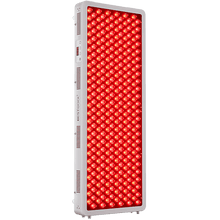
Many home devices actually match or exceed the power density of clinic equipment. The real difference is that clinic devices are often larger full-body panels, while most home devices are smaller targeted panels. If you're treating specific areas like your face, joints, or back, this size difference doesn't impact effectiveness.
Treatment Duration and Frequency Compared
Professional treatments typically involve 10-20 minute sessions, 2-3 times per week. The treatment schedule is designed around what's practical for a business model, not necessarily what's optimal for results.
At home, you have flexibility. Most protocols recommend:
- 10-20 minutes per treatment area
- 3-7 times per week for best results
- Daily use for acute issues or faster results
The ability to adjust your schedule based on your response is a significant advantage. Notice better results with daily use? You can do that at home. Need shorter, more frequent sessions? No problem.
When Professional Treatment May Be Necessary
There are specific situations where professional treatment makes more sense. If you have a serious medical condition requiring supervised care, your doctor may want you treated in a clinical setting. Some insurance plans cover professional red light therapy for certain conditions, which changes the cost equation entirely.
Professional settings also offer full-body treatment beds, which are hard to replicate at home unless you're willing to invest several thousand dollars. If you want whole-body coverage in a single session, clinics have the advantage.
The Consistency Advantage: Why Home Use Often Wins
How Daily Access Improves Treatment Outcomes
Here's something most people don't realize: consistency matters more than intensity when it comes to red light therapy. Research shows that regular, frequent treatments produce better results than occasional high-intensity sessions.
Think about it like exercise. Going to the gym once a week for an intense two-hour workout isn't as effective as 30 minutes of daily activity. Red light therapy works the same way—your cells respond best to regular stimulation.
With a home device, you can:
- Treat yourself every single day if needed
- Never skip sessions due to scheduling conflicts or bad weather
- Adjust treatment times based on how your body responds
- Maintain results with ongoing maintenance sessions
This isn't just theoretical. People who own home devices report better long-term results simply because they use them more consistently than they would attend clinic appointments.
Overcoming Clinic Scheduling Barriers
Let's be honest about what regular clinic visits actually involve. You need to:
- Schedule appointments (often weeks in advance)
- Commute to the clinic (gas, parking, or rideshare costs)
- Spend time in the waiting room
- Work around the clinic's hours (which might not fit your schedule)
Life happens. You get busy, you get sick, the weather's bad, or you just don't feel like making the drive. Each missed appointment sets back your progress. With a home device, you eliminate all these friction points. Your treatment is waiting for you in your bedroom or living room whenever you're ready.
How Much Does Red Light Therapy Really Cost? Clinic vs. Home Comparison
Short-Term vs. Long-Term Costs
Professional red light therapy sessions range from $50-75 at most clinics, $100-150 at high-end medical spas, and sometimes $40-60 per session if you buy package deals. Most protocols recommend at least 2-3 sessions per week for 8-12 weeks to see initial results, then ongoing maintenance sessions after that.
Here's what the actual costs look like when you compare both options over time:
| Time Period | Professional Clinic (3x/week @ $60/session) | Home Device ($600 one-time) |
| Month 1 | $720 | $600 |
| Months 2-3 | $1,440 | $0 |
| First 3 Months | $2,160 | $600 |
| Months 4-12 (1x/week maintenance) | $2,160 | $0 |
| Year 1 Total | $4,320 | $600 |
| Year 2 Total | $7,200 | $600 |
Even with a premium $1,200 device, you're still saving over $3,000 in the first year alone.
Calculating Your Break-Even Point
The break-even calculation is straightforward. At $60 per session, here's when your home device pays for itself:
| Device Cost | Time to Break Even (3x/week) |
| $300 | Less than 2 weeks |
| $600 | 3-4 weeks |
| $900 | 5 weeks |
| $1,200 | 6-7 weeks |
Don't forget the hidden costs of clinic visits. Gas, parking, time off work, and childcare (if needed) can easily add another $10-20 per visit. That's an extra $1,500-3,000 per year on top of your session costs. When you factor in these extras, a home device often pays for itself in the first month.
If you plan to use red light therapy for more than a couple of months, a home device is the financially smarter choice. The longer you use it, the more you save compared to ongoing clinic visits.

How to Choose an Effective At-Home Red Light Therapy Device
1. Irradiance and Power Density
When shopping for a device, ignore marketing hype about "powerful LED output" and focus on irradiance at your treatment distance. A good device should clearly state:
- Irradiance level (look for 80+ mW/cm² at 6 inches)
- The distance at which that measurement was taken
- Total power output of the device
If a company won't provide these specifications, that's a red flag. Quality manufacturers test and publish this data.
2. Optimal Wavelengths: 660nm vs. 850nm
Red light therapy uses two primary wavelengths, and both serve different purposes:
- 660nm (red, visible light): Penetrates 8-10mm into tissue. Best for skin health, surface healing, collagen production, and treating surface-level inflammation.
- 850nm (near-infrared, invisible): Penetrates 30-40mm deep. Better for muscle recovery, joint pain, deeper tissue healing, and internal inflammation.
Most quality devices include both wavelengths because they complement each other. Unless you're only treating surface-level skin concerns, look for a combination device.
3. Coverage Area and Treatment Size
Bigger isn't always better, but it does matter. Consider what you're treating:
- Face and neck: 6x8-inch panel works fine
- Joint pain or targeted areas: 12x12 inch panel is ideal
- Back pain or larger areas: 24x12 inch or larger
Smaller panels are cheaper and portable, but require more time to treat larger areas since you'll need to reposition them. Larger panels cost more but cover more area in a single session.
4. FDA Clearance and Safety Certifications
In the U.S., look for devices that are FDA-registered or FDA-cleared (Class II medical device). This doesn't guarantee effectiveness, but it does mean the device meets basic safety standards.
Other certifications to look for:
- FCC certified (electromagnetic emissions)
- ETL or UL listed (electrical safety)
- RoHS compliant (no hazardous materials)
Avoid devices that make medical claims without FDA clearance—that's both legally questionable and a sign of poor quality.
Safety Guidelines for At-Home Red Light Therapy
Red light therapy is very safe when used correctly, but following proper protocols ensures you get the best results without any issues.
Step 1: Set Up the Right Distance
Place your device 6-12 inches away from your skin. Here's a quick guide on how to find your sweet spot:
- Start at 12 inches for your first few sessions
- Move closer (down to 6 inches) if you want higher intensity on small areas
- Stay farther away (10-12 inches) when working with larger areas, seeking better coverage
- Always refer to the device's user manual for specific recommendations on the use of the technology
Step 2: Time Your Sessions Properly
This ensures that one doesn't overdo it:
- Week 1-2: Begin with 10 minutes per area to gauge how your skin will respond
- Week 3+: Gradually increase to 15-20 minutes as desired
- Maximum: You don't have to go beyond 20 minutes in an area; longer than this does not offer any extra benefits
- Between areas: If you are working on multiple areas, you can work on them in back-to-back sessions, like 15 minutes on your face, 15 minutes on your knee, etc.
Step 3: Create Your Treatment Schedule
Consistency is valued over intensity:
- Starting: Start with 3 to 4 times a week
- For Active Issues: Daily sessions are fine and are actually more effective.
- For maintenance: 3 to 4 times a week or alternate days
- Rest days: It is perfectly okay to take 1-2 days off each week. It won't affect your progress.
Step 4: Protect Your Eyes
Your eyes are the one area that needs attention. The light won't damage them as UV would, but direct exposure to bright LEDs isn't ideal:
- During facial treatments: Simply close your eyes—that's usually enough
- General rule: Never stare directly at the LED panel while it's on
- Extra protection: Use the protective goggles that come with your device if you prefer, especially if treating areas near your eyes
Step 5: Know What's Normal (and What's Not)
Most people experience zero side effects, but here's what's normal versus what's a red flag:
Normal responses:
- Slight warmth on your skin during treatment
- Mild, temporary redness that fades within 30-60 minutes
- Feeling relaxed or slightly energized after sessions
Signs you're overdoing it:
- Headache after sessions (usually means you went too long—dial back to 10 minutes)
- Eye strain or vision changes (you looked at the lights too much—use eye protection)
- Skin redness lasting more than a few hours (reduce session time or increase distance)
Step 6: Check for Contraindications
Red light therapy is safe for most people, but check with your doctor first if you:
- Take photosensitizing medications (certain antibiotics, acne medications, or antidepressants)
- Have any condition that makes your skin sensitive to light
- Are pregnant (just as a precaution—there's no evidence of harm, but better safe than sorry)
- Have active skin cancer or suspicious moles in the treatment area
Pro tip: Start conservatively with distance, time, and frequency. You can always increase intensity, but it's harder to undo overdoing it. Most people find their perfect routine within 2-3 weeks of experimentation.
Is At-Home Red Light Therapy Worth It?
Who Benefits Most from Home Devices
You're a good candidate for a home device if you:
- Plan to use red light therapy for more than 2-3 months
- Want the flexibility to treat yourself daily
- Prefer the convenience of home treatment
- Want to save money long-term
- Are you treating specific areas (face, joints, back) rather than needing full-body coverage
Home devices are particularly great for people managing chronic conditions that require ongoing treatment, like joint pain, skin concerns, or muscle recovery.
Making the Right Decision for Your Needs
Choose professional treatments if:
- You want to try red light therapy before investing in a device
- You need full-body treatment coverage
- Your insurance covers professional sessions
- You prefer the accountability of scheduled appointments
- You have a complex medical condition requiring supervision
For most people, the sweet spot is starting with a few professional sessions to see how your body responds, then investing in a quality home device for long-term use.
At-Home vs Professional Red Light Therapy: Which Actually Works Better?
For someone who intends to use the product for the long term, it’s better to buy one for home use. While it’s true that professional services excel when you have the money for full body beds or medical supervision for certain conditions, where applicable, it’s also true that you can have the same results for far less money, with the flexibility to use the product on the go.


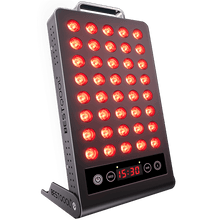
 Small
Small
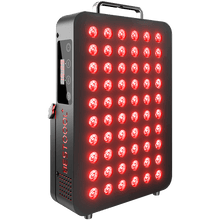
 Moderate
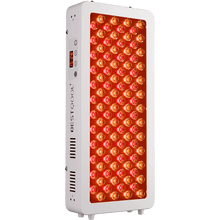
 Moderate
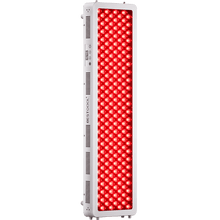
 Moderate
 Full
Full


