
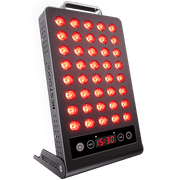

You have just received Botox or fillers or done microneedling, and now you want to do everything right so your skin can recover quickly. Because it influences collagen, red light therapy helps reduce inflammation and speed skin recovery after surgery. However, incorrect use of this treatment after cosmetic procedures may negatively affect its effectiveness.
At BestQool, we provide high-quality red light therapy devices with specific 630nm, 660nm, 850nm, and 940nm wavelengths. When it comes to post-treatment skincare, there is one important thing to take into consideration: timing and recommendations from the medical specialist. In this article, you will find out how to use red light therapy correctly after Botox, fillers, or microneedling.

How Soon Can You Use Red Light Therapy After Cosmetic Treatments?
Short answer: It depends on the specific treatment. Most dermatologists and aesthetic practitioners advise postponing red light therapy for at least 24–48 hours after Botox and filler treatments. In the case of microneedling, the recommended interval between procedures ranges from 48 to 72 hours, since the skin will be recovering from redness and closing up.
Why do we need to wait? For 24–48 hours following the procedure, the product requires some time to take effect, and the skin is still in an inflammatory stage. Applying light therapy too early might increase blood flow to the skin or put additional pressure on the area, resulting in improper product placement and increased bruising. In case of microneedling, the skin barrier is damaged and needs to heal, so early usage of any device might irritate and negatively affect the area.
Clinic protocols usually include starting with short and low-intensity treatments (5–10 minutes) of 660 nm red wavelengths, which act on the superficial layer of the skin. In one systematic review, photobiomodulation (PBMT), including red light therapy, helped decrease operative pain, edema, and ecchymosis following facial surgery; however, most treatments began after the acute inflammatory process (≈48 hours) to avoid interfering with the healing process.[1]
What Makes Botox, Fillers, and Microneedling Different for Aftercare?
Different treatment methods affect the skin differently; hence, aftercare, including the application of red light therapy, should be customized as well.
Botox: Involves the temporary relaxation of certain muscles. Aftercare involves not putting pressure, massaging, or taking any actions that can cause displacement of the product in the first 24-48 hours. The botulinum toxin binding takes place up to 1-2 weeks. For this reason, it is advised to wait until 48 hours after the initial application to introduce gentle red light therapy.
Dermal Fillers: Help in adding volume to the skin. It is necessary to take care with fillers since the substance integrates into the tissue over a few weeks. The application of hyaluronic acid fillers causes tissue integration and an inflammatory reaction within 1-4 weeks; hence, it is recommended to wait 48-72 hours before applying any devices close to the affected area.
Microneedling treatment comprises making small injuries to the skin so that the body can produce more collagen. This method is termed barrier disruption since it temporarily disrupts the epidermal barrier. The healing process after microneedling usually takes between 48 and 72 hours.[2]
How Red Light Therapy May Fit Into Post-Treatment Skin Recovery
Red light therapy should not replace good aftercare procedures; however, it can supplement good aftercare in certain cases where your skin is well-prepared for it. In particular, 630 nm and 660 nm wavelengths are ideal for accelerating surface-level healing, reducing redness, and ensuring that your complexion remains balanced. The 850 nm and 940 nm near-infrared wavelengths penetrate deep within the skin and may be used for tissue healing and blood flow stimulation, but they should be applied later in the course of aftercare because they can irritate the skin barrier. Many clinics have begun using low-intensity LED lights during aftercare at least 2-3 days after the procedure and 3-5 times weekly afterward.
Red and near-infrared light therapy has been documented in peer-reviewed research to be a safe and non-invasive treatment modality for skin healing when administered properly. Nevertheless, not all devices are created equally; those based on peer-reviewed evidence and FDA approval are more effective at eliciting a biological response with minimal risk. In the future, dermatological scientists stress the importance of standardizing dosing and reporting to strengthen the scientific basis of the photobiomodulation technique.
Doctors need to guide patients towards the proper device and set realistic expectations. Photobiomodulation can be incorporated into the patient's recovery process if clinical practice guidelines are followed.[3]

What to Avoid After Botox or Fillers When Using Light Devices
In case everything is done at the right time, there are still several important things to remember:
- No rubbing or massaging of the treatment area while using the device with red light.
- Stay away from high-intensity or heat-generating devices for the first 7 days. Choose low irradiance levels and shorten sessions.
- Avoid near-infrared light waves (850nm, 940nm) for fresh injection areas until your doctor permits you to do so.
- Avoid red light therapy for broken or infected skin. Wait for it to heal completely.
Some research suggests that using other technologies such as RF, IPL, or non-ablative lasers, along with hyaluronic acid dermal fillers, does not affect the efficacy of the procedure.[4]
Always listen to your dermatologist's recommendations first. In case you are not sure, it is better to delay your session for one more day than jeopardize the treatment results.
Signs Your Skin Needs More Recovery Time Before Light Therapy
Your skin will usually let you know whether it is ready. Here are some things to look out for before beginning red light therapy treatment:
- Consistent redness, heat, and/or swelling after 48 to 72 hours
- Soreness or pain when touching the treatment area
- Bruises that are getting bigger in size
- Wounds, scabs, or other signs of infection
These are some things you need to watch out for before beginning treatment, as starting early may hinder the healing process or increase your chances of problems.
Better Results Come From Careful Timing and Provider Guidance
There is evidence from peer-reviewed dermatology research that photobiomodulation (PBM) decreases inflammation in patients after procedures such as skin resurfacing, vascular and benign pigmented lesions, or chemical peeling, and has been proven to be effective for dyspigmentation.[5]
However, no device can replace the personal post-procedure recommendations provided by your cosmetic professional. When it comes to post-procedure red light therapy following injections such as Botox or fillers or microneedling:
- Consult your cosmetic surgeon or dermatologist regarding the timing of your light therapy. It is very important to do so, as timing is crucial to protecting your results.
- It is advisable to start with low-intensity treatment sessions at a wavelength of 630 nm or 660 nm. This is the least risky way to go.
- Be sure to carefully observe your skin reaction.
- Refrain from using near-infrared wavelengths on newly treated skin areas until complete healing.
Red light therapy could prove extremely effective in your recovery efforts following your procedure, provided that you use it correctly and at the appropriate time. Devices from BestQool are built to ensure safe and focused light emission to nourish your skin while providing non-invasive treatment without the risk of prolonged recovery periods.
Sources
1. Knoedler, L., Fenske, J., Taggiasco, A., Gaillard, R., Machado, G. F., Knoedler, S., Brown, T., & Yang, D. (2026). Photobiomodulation therapy in facial aesthetic surgery: A systematic review of efficacy and safety. Journal of Cosmetic Dermatology, 25, e71047.
2. Jaiswal S, Jawade S. Microneedling in Dermatology: A Comprehensive Review of Applications, Techniques, and Outcomes. Cureus. 2024 Sep 23;16(9):e70033. doi: 10.7759/cureus.70033. PMID: 39449889; PMCID: PMC11499218.
3. Spongberg CV, Stack ER, Aprigliano C, Grinis D, Sawicki S, Elway M. What to Look for in Red Light Therapy: A Product Guide Backed by Science. Cureus. 2026 Mar 17;18(3):e105378. doi: 10.7759/cureus.105378. PMID: 42005232; PMCID: PMC13085462.
4. Urdiales-Gálvez F, Martín-Sánchez S, Maíz-Jiménez M, Castellano-Miralla A, Lionetti-Leone L. Concomitant Use of Hyaluronic Acid and Laser in Facial Rejuvenation. Aesthetic Plast Surg. 2019 Aug;43(4):1061-1070. doi: 10.1007/s00266-019-01393-7. Epub 2019 May 9. Erratum in: Aesthetic Plast Surg. 2020 Feb;44(1):251. doi: 10.1007/s00266-019-01490-7. PMID: 31073742; PMCID: PMC6742610.
5. Barolet, D. (2018). Photobiomodulation in dermatology: Harnessing light from visible to near-infrared. Medical Research Archives, 6(1).


