
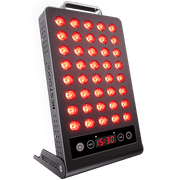
The Big Question in Your Skincare Routine
Red light therapy (RLT) has become a staple in modern skincare routines. It has many people asking the same practical question: Should I use a serum with red light therapy, and if so, when? It’s a fair concern because, after all, both red light therapy and serums are designed to improve skin health. So, it is natural to want to combine them to get better results.
However, following your skin routine in the right order matters a lot. Using skin care products at the wrong time can reduce the effectiveness of your red light sessions. It may also irritate your skin. This is why it is important to know whether it's safe to use a serum with red light therapy and what the best way to combine the treatments is.
In this article, we will learn how to combine serums with RLT and find out the best ways to use specific serums with your light therapy.

Combining Serums and Red Light Therapy
Serums can absolutely be a part of your red light therapy routine. So, the real question is not whether you should use serums and RLT together, but when and how you use them. Understanding how light interacts with your skin can help you determine how to use these treatments together to achieve the best results from both.
How Does Red Light Actually Reach Your Skin
Red light therapy works on the skin at the cellular level, modulating inflammation and enhancing antioxidant activity. However, red and near-infrared light must physically reach your skin to do its job. Also, light penetration must be unobstructed to work efficiently. Check this link to find out the effects of RLT at the cellular level. [1]
The Importance of Unobstructed Light Penetration
Red light therapy uses specific wavelengths of red and near-infrared light, typically between 630 nm and 850 nm. These wavelengths allow deeper penetration of light into the skin, reducing inflammation and promoting healing and rejuvenation at the cellular level, particularly by stimulating mitochondria. Check this link to learn the anti-inflammatory benefits of RLT. [2]
Red light is absorbed by mitochondria in skin cells. This absorption triggers increased energy production and supports repair and regeneration. Check this link to find out how RLT helps with energy production. [3]
This process can occur efficiently when light enters the skin unobstructed through a clear path. However, most heavy creams and oils can potentially reflect or scatter light, blocking effective penetration of red light.
Most importantly, even though serums feel lightweight, some formulations may still interfere with light penetration, especially when applied in thick layers, thereby lowering the efficacy of your RLT sessions.
The Debate Over Applying Serums Before Therapy
There has been an ongoing debate about whether it is right to apply serums before red light therapy. Some claim it enhances results, while others warn against it. The truth sits somewhere in between because not all serums are created equal, and not all skin types respond the same way.
Could Serums Block the Light's Path?
Certain serums, especially those containing silicones, oils, or reflective particles, tend to block or scatter light partially before it reaches the skin. This might make red light therapy sessions less effective.
Additionally, applying serums containing certain active ingredients before RLT may increase the skin's sensitivity to light. This means that although RLT is gentle, layering it with strong ingredients can sometimes irritate, especially in people with sensitive skin.
This is why some skincare professionals recommend keeping skin clean and bare during your red light sessions whenever possible.
Why Applying Serums After Is the Gold Standard
If there’s one rule that works for almost everyone, it’s this: red light first, skincare second. This simple order allows both the light and your serum to perform at their best.
In fact, red light therapy can make your skin more receptive to topical products.
Maximizing Absorption When It Counts
Red light therapy sessions improve blood circulation in the skin. As a result, cellular activity is elevated after the session. This creates an ideal window for applying serums, allowing active ingredients to absorb and work more efficiently.
So, you can think of red light therapy as priming the skin. Once the session is complete, serums can sink in more effectively, delivering hydration, antioxidants, and barrier-supporting ingredients into deeper layers of the skin.
Applying serums after RLT can also prevent light from your device from being blocked, resulting in unobstructed penetration. This enhances the performance of both RLT and your skincare products, making it a win-win.
Your Step-by-Step Red Light Therapy Skincare Routine
Keeping your skin care routine simple helps maintain consistency and reduces the risk of irritation.
Here’s a step-by-step approach that works for most people.
Step 1: Always Start with a Clean Canvas
Begin by gently cleansing your face to remove makeup, sunscreen, oil, and dirt. Clean skin ensures maximum light penetration and reduces the risk of clogged pores or irritation during therapy.
Pat your skin dry and avoid applying any products before your session unless your device manufacturer specifically recommends otherwise.
Step 2: Perform Your Red Light Therapy Session
Use your red light therapy device according to the recommended time and distance, typically 10 to 20 minutes. Keep your skin bare and relax during the session.
Avoid staring directly into the lights and use eye protection if recommended.
Step 3: Apply Serums and Moisturizer
Once your session is complete, apply your serums while your skin is still receptive. Follow with a moisturizer to lock in hydration and support the skin barrier.
This order ensures you get the full benefits of both red light therapy and your skincare products.

What About Hyaluronic Acid and Red Light Therapy
Hyaluronic acid pairs exceptionally well with red light therapy. It’s gentle, effective, and suitable for nearly all skin types.
A Perfect Pairing for Deep Hydration
Hyaluronic acid attracts and holds moisture, helping skin appear plumper and smoother. Improved circulation and cellular activity after red light therapy can further enhance hydration uptake. Check this link to know the benefits of hyaluronic acid. [4]
Hence, it is advisable to apply hyaluronic acid after your RLT sessions to replenish moisture and support skin elasticity.
Can You Use Vitamin C With Red Light Therapy
Vitamin C is another popular skincare ingredient that can be combined with red light therapy. It is a powerful natural antioxidant that offers better benefits when combined with RLT. Check this link to know the benefits of vitamin C. [5]
Best Practices for Antioxidant Serums
Vitamin C serums can be best applied after your red light therapy session. This allows light to pass through uninterrupted and lets vitamin C provide antioxidant protection afterward.
If your skin is sensitive, you can consider using vitamin C in the morning and red light therapy at night. This separation can reduce the risk of irritation while still delivering the benefits of both.
Are There Ingredients You Should Be Cautious About
While red light therapy is gentle, combining it with certain strong skincare ingredients requires careful consideration. This doesn’t mean you need to avoid them, but to use them thoughtfully.
Understanding Retinoids and Active Ingredients
Some skin care products can increase skin sensitivity. Some of these include:
- Prescription retinoids
- Strong retinol formulations
- Chemical exfoliants like AHAs and BHAs
Applying these products immediately after red light therapy may cause redness or irritation in some people.
A safer approach is to use these treatments on alternate days. For example, you can use red light therapy one day and your serum the next. You may also use RLT and retinoids at different times of day.
Listening to your skin and adjusting your session timings based on how it responds is always the best strategy.
The Final Verdict on Serums and Your RLT Routine
Combining red light therapy with serums offers a safe and effective approach to improving your skin health. With the right order and the right ingredient choices, you can enhance the results of both your RLT sessions and serum.
A Simple Rule for the Best Results
Red light therapy works best when it’s allowed to do its job uninterrupted. When followed by thoughtfully chosen serums, it becomes an even more powerful part of your skincare routine, supporting healthier, more radiant skin over time.
Here’s a simple rule for the best results: use red light therapy on clean skin first, then apply serums. This basic rule ensures maximum light penetration, improved product absorption, and a reduced risk of side effects such as irritation.
Check this link to learn more about how RLT works and the devices available for skin rejuvenation.
References:
- Schmidt, T. R., Mármora, B. C., Brochado, F. T., Gonçalves, L., Campos, P. S., Lamers, M. L., Araújo, A. A., Medeiros, C. A. C. X., Ribeiro, S. B., Martins, M. A. T., Pilar, E. F. S., Martins, M. D., & Wagner, V. P. (2025). Red light-emitting diode on skin healing: an in vitro and in vivo experimental study. Anais Brasileiros de Dermatologia, 100(1), 54–62.
- Hernández-Bule, M. L., Naharro-Rodríguez, J., Bacci, S., & Fernández-Guarino, M. (2024). Unlocking the Power of Light on the Skin: A Comprehensive Review on Photobiomodulation. International journal of molecular sciences, 25(8), 4483.
- Begum, R., Calaza, K., Kam, J. H., Salt, T. E., Hogg, C., & Jeffery, G. (2015). Near-infrared light increases ATP, extends lifespan, and improves mobility in aged Drosophila melanogaster. Biology letters, 11(3), 20150073.
- Bravo, B., Correia, P., Gonçalves Junior, J. E., Sant'Anna, B., & Kerob, D. (2022). Benefits of topical hyaluronic acid for skin quality and signs of skin aging: From literature review to clinical evidence. Dermatologic therapy, 35(12), e15903.
- Pullar, J. M., Carr, A. C., & Vissers, M. C. M. (2017). The Roles of Vitamin C in Skin Health. Nutrients, 9(8), 866.


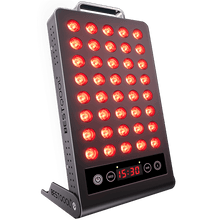
 Small
Small
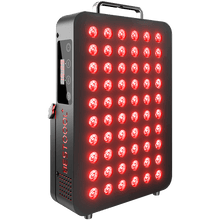
 Moderate
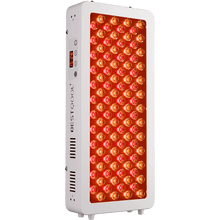
 Moderate
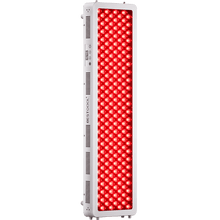
 Moderate
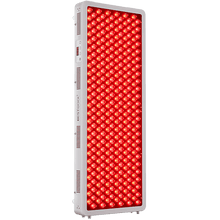
 Full
Full


