
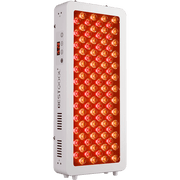

The Uncomfortable Road to Dental Recovery
Dental procedures are often quick. However, recovery after these procedures can be long, especially if you experience swelling, tenderness, jaw stiffness, or lingering discomfort. These symptoms are common after tooth extractions, implants, and some gum treatments. Routine dental work can also leave the mouth feeling sore and sensitive for days.
The mouth plays a crucial role in several daily activities, including eating, speaking, and sleeping. This is why recovery after dental work can feel especially disruptive. This has led many people to search for ways to support healing beyond pain medication alone.
This article provides information on red light therapy, an innovative, non-invasive technology that can support the body's natural healing process after dental procedures.

Searching for a Faster, More Comfortable Healing Process
Red light therapy (RLT) has emerged as a modern approach to easing discomfort and encouraging faster tissue repair. It can be used alongside standard dental care to support the body’s natural healing processes.
How Can Light Possibly Speed Up Healing
The idea that light could help heal oral tissue may sound surprising at first glance. However, the science behind the benefits of RLT is well-established in wound care and inflammation management.
Some benefits of RLT for dental recovery include:
- Reduced pain and discomfort
- Quicker repair of gums and soft tissue following extractions, implants, or oral surgery.
- Decreased inflammation, reducing post-procedure swelling, pressure, and facial tenderness
- Improved circulation to the jaw and gums, delivering more oxygen and nutrients to healing tissues
- Support for healthier gum healing and encourage stronger, more resilient gum tissue
The Science of Cellular Energy and Repair
RLT devices use specific wavelengths of red and near-infrared light, typically between 630 nm and 850 nm. These wavelengths enable deeper penetration of light into the affected tissues, allowing them to reach mitochondria, the energy-producing structures inside cells.
The absorption of red light by mitochondria helps boost the production of energy molecules called ATPs, which are needed to repair damage and regenerate new tissue. Check this link to learn more about the effect of RLT on mitochondria. [1]
The increase in the availability of energy can help the body rebuild tissue more efficiently, manage inflammation better, and recover faster. This can support the healing of gums, connective tissue, and surrounding structures inside the mouth after dental procedures, thus promoting comfortable recovery. Check this link to learn more about how RLT affects energy levels. [2]
A Natural Way to Reduce Post-Surgical Pain
Pain is one of the biggest concerns of patients after dental procedures. Patients are commonly prescribed pain medication to relieve these symptoms. However, many people nowadays seek drug-free ways to manage discomfort, especially during the first few days of healing.
Red light therapy may offer support by influencing how pain signals are processed.
Calming Nerves and Reducing Pain Signals
Research suggests that red light therapy may have analgesic effects. This means it might help reduce pain perception. These benefits of RLT are attributed to its calming action on nerve endings, resulting in a temporary reduction in how strongly pain signals are transmitted. Check this link to learn more about the analgesic effect of RLT. [3]
This effect can be particularly helpful for dental recovery, especially in sensitive areas like the gums and jaw. Although it does not eliminate pain entirely, it can reduce soreness and improve comfort, allowing patients to rely less on pain medication as healing progresses.
Winning the Battle Against Post-Procedure Swelling
Swelling is a natural part of the healing process. However, excessive or prolonged inflammation can increase swelling and discomfort and slow recovery. Swelling in the oral cavity and face after dental procedures can also affect appearance and mobility, making eating and speaking uncomfortable.
Managing inflammation can reduce swelling and support smoother healing.
How Red Light Therapy Fights Inflammation
Red light therapy has been studied for its ability to regulate the body’s inflammatory response. It may help the body resolve inflammation more efficiently by improving cellular function and reducing oxidative stress. Check this link to find out how RLT helps reduce inflammation and swelling. [4]
For dental patients, this may translate into reduced swelling around the jaw, cheeks, and gums. It may also reduce pressure and tightness in these regions. Supporting balanced inflammation without suppressing it entirely can also help the body heal and regenerate faster while minimizing unnecessary discomfort. Click on this link to learn more about the regenerative benefits of red light. [5]
Can It Help After a Tooth Extraction
Tooth extractions, including wisdom teeth removal, are among the most common dental procedures. These procedures are known to cause significant discomfort. Healing after these procedures involves closing the socket, repairing gum tissue, and managing soreness in the surrounding area.
Red light therapy may offer targeted support during this critical healing window.
Supporting Faster Gum and Tissue Repair
The body must rebuild soft tissue after an extraction, while protecting the underlying bone. Red light therapy can support this process by improving blood circulation to the area and enhancing cellular energy.
The increase in blood flow ensures adequate delivery of oxygen and nutrients essential for tissue repair. The increased ATP production, on the other hand, helps cells rebuild more efficiently. This combination is expected to support faster gum healing and reduce the risk of prolonged tenderness and irritation around the site of tooth extraction.
What About Implants and Other Dental Surgeries
Dental implants and advanced procedures involve soft tissue healing and bone integration. Recovery can take weeks or even months. Hence, supporting the body during this time is crucial for long-term success.
Red light therapy is being explored as a supportive tool in these complex recoveries.
Aiding Osseointegration and Soft Tissue Healing
Implants rely on a process called osseointegration, where the implant fuses with the surrounding bone. This requires healthy cellular activity, good circulation, and controlled inflammation.
Red light therapy may help support osseointegration and enhance gum healing by facilitating cellular energy and reducing inflammation. It can complement the body’s natural osseointegration process when used appropriately and under dental guidance.

Beyond Surgery: Is RLT Good for General Oral Health
Red light therapy isn’t being considered only for post-surgical recovery. It is also being explored as part of proactive oral care, especially for gum health and chronic inflammation. This broader use opens the door to long-term oral wellness support.
A Proactive Approach to Healthy Gums
Gum health plays a major role in overall oral health. However, many people struggle with sensitivity, inflammation, or early-stage gum disease. The use of red light therapy for oral health may support gum care by improving blood circulation and reducing inflammatory stress.
RLT could help create an environment where gums are better supported. When used consistently, this could potentially reduce discomfort and support healthier tissue maintenance over time. It is not a replacement for regular brushing, flossing, or dental cleaning. However, it may serve as a complementary wellness tool for oral care.
How Is Red Light Therapy Used for Dental Healing
One of the appealing aspects of red light therapy is how simple it is to use. When integrated thoughtfully, it doesn’t require major changes to your recovery routine. The key is gentle, consistent application.
A Simple Addition to Your Recovery Plan
Red light therapy sessions are typically short when used for dental recovery. Many people use sessions lasting 5 to 10 minutes, applied externally to the jaw or cheek area near the treatment site.
Sessions may be done once or twice daily, depending on comfort and guidance. Devices designed for facial or targeted use are often the most practical for oral recovery. The goal is support and not overexposure. Hence, moderation is important.
Always Talk to Your Dentist First
Red light therapy is considered low-risk and non-invasive. However, dental recovery is not one-size-fits-all. The healing timeline is different for each procedure and patient. Hence, professional guidance is recommended to ensure safety and proper timing.
Integrating Red Light Therapy Safely
Consult your dentist or oral surgeon before using red light therapy after any procedure. They can advise you on whether RLT is appropriate for your specific situation and when it’s safe to begin.
Certain procedures may require waiting until initial healing has occurred. Following your dentist’s recommendations ensures that red light therapy supports healing rather than interfering with it.
A Modern Tool for a More Comfortable Recovery
Dental recovery doesn’t have to be uncomfortable. Red light therapy offers a gentle, supportive option for those seeking a smoother healing experience. When combined with adequate rest, oral hygiene, and professional care, it may help shorten recovery time and improve comfort after dental procedures by supporting cellular energy, reducing inflammation, and easing discomfort. When used responsibly and with professional guidance, RLT can become a valuable addition to your oral health and recovery toolkit, helping you return to eating, speaking, and smiling with greater ease. Check this link to learn more about the Red light therapy devices available for dental recovery.
References:
- Powner, M. B., & Jeffery, G. (2024). Light stimulation of mitochondria reduces blood glucose levels. Journal of biophotonics, 17(5), e202300521.
- Hamblin M. R. (2017). Mechanisms and applications of the anti-inflammatory effects of photobiomodulation. AIMS biophysics, 4(3), 337–361.
- Panhoca, V. H., Lizarelli, R.deF., Nunez, S. C., Pizzo, R. C., Grecco, C., Paolillo, F. R., & Bagnato, V. S. (2015). Comparative clinical study of light analgesic effect on temporomandibular disorder (TMD) using red and infrared led therapy. Lasers in medical science, 30(2), 815–822.
- Hamblin M. R. (2017). Mechanisms and applications of the anti-inflammatory effects of photobiomodulation. AIMS biophysics, 4(3), 337–361.
- Kuppa, S. S., Kang, J. Y., Kim, J. Y., Sa, G., Park, J. H., Kim, J. H., Ha, T. S., Seon, J. K., Kim, H. K., & Lee, J. B. (2025). Red-light LED therapy promotes wound regeneration by upregulating COL1A1, COL2A1, VEGF and reducing IL-1β for anti-inflammation. Lasers in medical science, 40(1), 171.


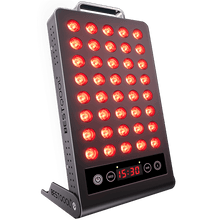
 Small
Small
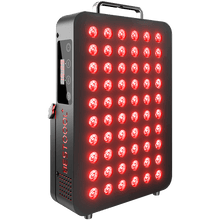
 Moderate
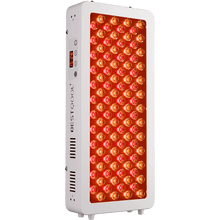
 Moderate
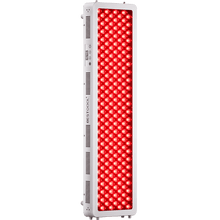
 Moderate
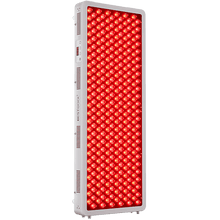
 Full
Full


