
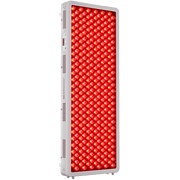

Key Takeaways on Red Light Therapy for Neuropathy
Yes, red light therapy can ease neuropathy pain and discomfort, but it won't reverse nerve damage. Use a device with 660nm and 850nm wavelengths for 10-15 minutes, 3-5 times a week, positioned 6-12 inches from the affected areas, such as the feet, hands, or legs. Expect results in 4-8 weeks when used in combination with your current treatments.

Introduction
Living with neuropathy means dealing with nerve pain, which can be anywhere from a gentle tingling sensation to severe pain. Many people living with this condition are wondering about the benefits of red light therapy; it is a non-invasive treatment modality for nerve pain, which is becoming increasingly popular. Red light therapy uses specific wavelengths of light to reduce inflammation in the damaged tissues surrounding nerves.
What Is Neuropathy?
Neuropathy is damage or malfunction of one or more nerves in the body, causing abnormal signals to be transmitted between the nerve and the brain. If the nervous system is malfunctioning, a range of uncomfortable feelings, from tingling to pain, can be experienced. Neuropathy can occur anywhere in the body, though it most often affects the hands, feet, arms, and legs.
Common Types of Neuropathy
Peripheral Neuropathy
Peripheral neuropathy is the most widespread form, affecting the nerves outside your brain and spinal cord. Peripheral neuropathy symptoms typically include:
- Tingling or pins-and-needles sensations in your extremities
- Numbness that makes it difficult to feel temperature or pain
- Sharp, stabbing, or burning pain that often worsens at night
- Muscle weakness and difficulty with coordination
- Increased sensitivity to touch
Diabetic Neuropathy
Diabetic neuropathy develops when high blood sugar levels damage nerves over time, affecting up to 50% of people with diabetes. This type usually starts in the feet and legs, causing the same tingling, numbness, and burning sensations as peripheral neuropathy. Diabetic neuropathy treatment focuses heavily on blood sugar management alongside symptom relief.
Chemotherapy-Induced Peripheral Neuropathy
Chemotherapy-Induced Peripheral Neuropathy (CIPN) occurs as a side effect of certain cancer treatments. Chemotherapy drugs can be toxic to nerve cells, leading to pain, numbness, and sensitivity issues that may persist even after treatment ends.
What Causes Neuropathic Pain?
Neuropathic pain stems from various underlying factors that damage or irritate your nerves:
- Diabetes: Prolonged high blood sugar is the leading cause of neuropathy
- Physical injury: Accidents, falls, or repetitive motions can compress or damage nerves
- Medications: Certain chemotherapy drugs, antibiotics, and blood pressure medications
- Vitamin deficiencies: Particularly B vitamins (B1, B6, B12) essential for nerve health
- Infections: Shingles, Lyme disease, and HIV can trigger nerve damage
- Autoimmune diseases: Conditions like lupus and rheumatoid arthritis may attack nerve tissue
- Alcohol abuse: Excessive drinking depletes nutrients and directly damages nerves
How Red Light Therapy May Help Neuropathy
Red light therapy relies on specific wavelengths of light that range from 630 to 850 nanometers and are able to penetrate the skin and reach damaged nerve tissues. The light stimulates biochemical reactions in the body that can alleviate pain as well as promote nerve health.
1. Calming Inflammation Around Nerves
Inflammation is a major cause of neuropathic pain. Injured nerves trigger an inflammatory response, and your immune system releases inflammatory compounds called cytokines, which keep pain signals on and firing continually.
Red light treatment decreases pro-inflammatory cytokines but increases anti-inflammatory cytokines. As inflammation decreases, there are fewer pain messages received by your brain. Many patients reported decreases in burning, shooting, and stabbing pains after red light therapy.
2. Increasing Energy Production in Nerve Cells
Nerve cells get their energy from mitochondria through the production of ATP. Mitochondria in nerve cells are stimulated to produce more ATP by red light. When nerve cells are damaged, they tend to produce less energy compared to normal cells. This reduces their function and repair. The increased energy in nerve cells allows them to function and repair.
3. Enhancing Blood Flow to Damaged Nerves
To heal, nerves require oxygen and nutrients that must be supplied via the blood. Red-light therapy increases the size of the blood vessels, which allows extra blood to be delivered to the nerve cells. This increases the delivery of oxygen and nutrients and reduces the waste and inflammation.
4. Creating Conditions for Nerve Repair
Nerves have a protective layer called myelin, which assists in the conduction of nerve stimuli. Myelin damage results in a host of nerve neuropathy symptoms. Red light therapy reduces oxidative injury caused by free radicals, which may promote the preservation of intact myelin tissue. Though it doesn’t treat nerve injury, studies have found encouraging evidence of nerve cells surviving and functioning effectively with red light therapy.
Does Red Light Therapy Work for Neuropathy? Here's What Studies Show
Research on red light therapy for neuropathy is still developing, but several quality studies show positive results for nerve pain relief.
Studies on Diabetic Neuropathy
A 2023 study in the Journal of Lasers in Medical Sciences tested red light therapy on 60 diabetic neuropathy patients. Ebadi and colleagues used 630nm and 810nm wavelengths for 15 minutes, three times weekly over 12 sessions. Patients' foot sensation improved, and neuropathy symptom scores dropped from 8.30 to 3.50. The study found reduced pain, numbness, and tingling with no side effects.
A 2019 study in BMC Geriatrics by Chatterjee and colleagues focused on 40 older adults with painful diabetic neuropathy. After 12 weeks of deep tissue laser therapy, pain dropped 54-60% compared to 28% in the control group. Quality of life improved 49% in the treatment group versus just 7% in controls, with no adverse effects reported.
Studies on Chemotherapy-Induced Neuropathy
A 2017 study in Gynecologic Oncology by Argenta and colleagues examined 70 cancer patients with chemotherapy-induced neuropathy. Patients received 30-minute photobiomodulation treatments three times weekly for 6 weeks. Control patients showed no improvement, while treated patients saw neuropathy scores drop 32.4% at 4 weeks, 52.6% at 8 weeks, and remain improved at 38.8% after 16 weeks.
These studies found that red light therapy using 630-850nm wavelengths reduced nerve pain when treatments continued consistently over several weeks. All three studies reported improvements in pain, numbness, and tingling without side effects. Researchers also note that larger trials are still needed to determine the best treatment approaches for different types of neuropathy.

Which Body Parts Should You Treat with Red Light Therapy?
Focus your treatments on the specific areas where you experience neuropathy symptoms:
1. For Foot Neuropathy
Foot neuropathy is the most common location, especially with diabetic neuropathy.
How to treat:
- Sit comfortably with your red light therapy device positioned to shine on the tops and bottoms of your feet
- Treat the top of your feet for 10 minutes, then flip your feet to expose the soles for another 10 minutes
- If numbness or tingling extends to your ankles, include that area in your treatment zone
- For severe cases, you may want to treat both feet separately to ensure adequate coverage
2. For Hand Neuropathy
Neuropathy in the hands often affects the fingers, palms, and sometimes extends to the wrists.
How to treat:
- Hold your hands palm-up under the light for 10 minutes, then flip to treat the backs of your hands
- If you have a smaller handheld device, you can treat one hand at a time while using the other hand to hold the device or read
- Include your wrists if symptoms extend that far
3. For Leg Neuropathy
When neuropathy affects your calves, shins, or thighs, you'll need a larger treatment area.
How to treat:
- Position a larger panel to cover as much of the affected leg as possible
- Treat the front of your leg, then rotate to treat the back (calf area)
- If symptoms are in both legs, treat them one at a time, or use a large enough panel to cover both simultaneously
- Focus extra time on areas with the most intense symptoms
4. For Arm Neuropathy
Less common but still occurs, especially with chemotherapy-induced neuropathy.
How to treat:
- Position your arm to receive light on all sides—front, back, and sides if needed
- Treat 10-15 minutes per section
- Include shoulders if symptoms extend upward
5. Treating Multiple Areas
If your neuropathy affects several body parts (like both feet and hands), you don't need to treat everything in one session:
- Rotate focus: Treat feet on Monday/Wednesday/Friday, hands on Tuesday/Thursday
- Prioritize worst symptoms: If one area causes more pain, give it more frequent treatment
- Total session time: Keep your total treatment time reasonable (30-40 minutes maximum per day)
6. General Tips for All Areas
- Remove clothing from the treatment area—light can't penetrate through fabric effectively
- Clean skin works best (remove lotions or creams before treatment)
- Don't apply anything to your skin immediately before treatment
- You can apply moisturizer or medication after your session
- Protect your eyes—don't look directly at the LEDs, and if treating near your face, wear protective glasses or keep your eyes closed
Focus on consistent, targeted treatment of your specific problem areas rather than trying to treat your entire body at once.
How Long and How Often Should You Use Red Light Therapy for Neuropathy?
Consistency matters more than intensity when treating neuropathy with red light therapy. Here's a practical approach:
Treatment Duration
Start with 10-15 minutes per treatment area for most devices. If your device has a higher power density (150+ mW/cm²), you might reduce this to 8-10 minutes. Lower-powered devices may require 15-20 minutes.
Your skin shouldn't feel hot or uncomfortable during treatment. A gentle warming sensation is normal, but if it feels too warm, increase your distance or reduce the time.
Frequency
For neuropathy relief, aim for 3-5 sessions per week. This gives your cells time to respond to the light therapy between treatments while maintaining consistent stimulation.
Many people find this schedule works well:
- Starting out: 3 times per week for the first 2-3 weeks (Monday, Wednesday, Friday)
- Once adjusted: Increase to 4-5 times per week if tolerated well
- Maintenance: Some people reduce to 2-3 times weekly once symptoms improve
Avoid daily treatment when starting out. Your body needs recovery time to process the cellular changes red light therapy stimulates.
Distance from Skin
Position your device 6-12 inches from your skin for optimal results.
- Closer (6 inches): Delivers more concentrated light energy, good for targeted pain points, but covers a smaller area
- Further (10-12 inches): Spreads light over a larger area with slightly less intensity, useful for treating bigger regions like entire legs or feet
The sweet spot for most people is around 8-10 inches. At this distance, you get good penetration depth while covering a reasonable treatment area.
When to Do Treatments
Red light therapy works any time of day, but many people with neuropathy prefer:
- Evening treatments: Can reduce nighttime pain and improve sleep
- Before bed: The relaxation effect may help if pain disrupts your sleep
- Morning: If you prefer treating symptoms early before daily activities
Choose a time that fits your routine—consistency is more important than the specific time of day.
Starting Slowly
Begin with shorter sessions (8-10 minutes), 2-3 times per week for the first week. This lets you see how your body responds. If you tolerate it well without any skin irritation or increased symptoms, gradually increase to the full protocol.
How to Combine Red Light Therapy with Other Neuropathy Treatments
Red light therapy works best when it's part of a complete approach to managing neuropathy, not used alone. Here are treatments that pair well with red light therapy:
Blood Sugar Management
If you have diabetic neuropathy, controlling your blood sugar is essential. Red light therapy may help with symptoms, but it won't address the root cause if high glucose levels keep damaging your nerves. Work with your doctor to monitor your levels and adjust your diet or medications as needed.
Nutritional Supplements
Certain vitamins and supplements support nerve health:
- B vitamins (especially B1, B6, and B12) are necessary for nerve function and repair
- Alpha-lipoic acid may reduce oxidative stress and improve nerve symptoms
- Vitamin D supports overall nerve health
Talk to your doctor before starting supplements, especially if you take medications. They can check for deficiencies and recommend appropriate doses.
Physical Therapy and Exercise
Gentle physical therapy helps maintain muscle strength and improves circulation to affected areas. Low-impact activities like walking, swimming, or stretching can reduce stiffness and keep blood flowing to your nerves. Physical therapists can also teach you exercises specific to your type of neuropathy.
Medications
Red light therapy can complement prescription medications for nerve pain. Many people use it alongside drugs like gabapentin, pregabalin, or duloxetine. You don't need to stop your medications to try red light therapy—the two approaches work through different mechanisms and can support each other.
Lifestyle Adjustments
Simple daily changes help protect your nerves:
- Reduce alcohol intake, which can exacerbate nerve damage
- Quit smoking to improve blood circulation
- Wear comfortable or well-fitting shoes if you have foot neuropathy
- Check feet daily for injuries if one has numbness
Should You Try Red Light Therapy for Your Neuropathy?
Red light therapy offers a safe, drug-free approach to managing neuropathy symptoms that many people find helpful. It won’t reverse the damage done to your nerves, as it can’t cure neuropathy. However, using it on a regular basis can help alleviate your pain. It’s just a matter of giving it time. It won’t work overnight like other solutions, but when used in combination with other effective remedies, it can prove very effective. If you're interested, discuss it with your healthcare provider and consider investing in a quality red light therapy device. Your nerve pain deserves every reasonable option for relief.


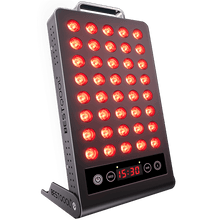
 Small
Small
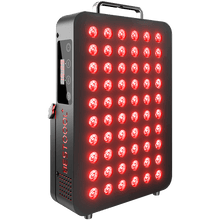
 Moderate
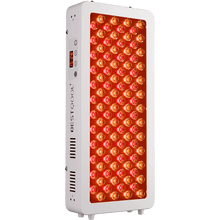
 Moderate
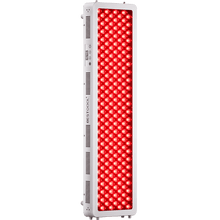
 Moderate
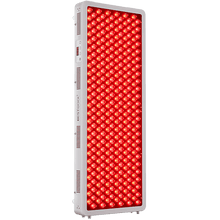
 Full
Full


