

In this article8 sections
If you’ve ever been stuck with sinus congestion, pressure and pain that won’t go away for days or recur often, you know how frustrating it can be. Although decongestant medications, steam and over-the-counter products can help manage symptoms , more people are turning to alternative treatments such as red light therapy to support nasal and sinus health. But how does this type of light treatment work, and is it really effective?
In this blog, we’ll explore the potential of redlight therapy for sinus health, its advantages, how it compares to traditional treatments, and tips for its safe and effective use.

How Red Light Therapy Supports Sinus Health
Red light therapy (RLT), also known as low-level light therapy (LLLT), uses specific wavelengths of red and near-infrared light (typically 600–850 nm) to activate cellular function and increase blood flow. These wavelengths can penetrate the skin and deeper layers of tissue, providing relief from inflammation, pain, and poorhealing.
Red light doesn't just cover up symptoms — it may help bolster the process of natural healing at a cellular level.
For sinus and nasal health, it is believed that red light therapy may: [1]
- Improve microcirculation around the nasal passages
- Lessen the swelling of the mucous membrane that causes congestion
- Aid in tissue healing for inflamed sinus membranes
- Enhance mitochondrial function for better cellular recovery
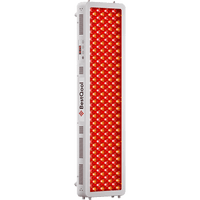
Benefits of Red Light Therapy for Nasal and Sinus Recovery
Although medical research on red light therapy for sinus health is still limited, early studies and user reportssuggest several potential benefits: [2]
1. Reduction in Sinus Inflammation
Sinus inflammation, often triggered by allergies, colds, or chronic sinusitis, can obstruct drainage and generate pain. The anti-inflammatory effectsof red light may help soothe inflamed tissue and promote healthy airflow.
2. Pain and Pressure Relief
People who use RLT devices near the nasal bridge or cheeks often find that they experience less facial tenderness and pressure, a potential result of enhanced circulation and lower inflammation.
3. Improved Mucosal Healing
If your nasal tissues are swollen or damaged (from repeated infections, environmental factors, or nasal sprays), red light therapy can accelerate healing by boosting cellular repair.
4. Non-Invasive and Drug-Free
One of the main attractions of red light therapy is that it does not require any medications or surgery. It is mild and generally safe when done correctly.
5. Easing Allergy Symptoms
Red light therapy is not a substitute for allergy medicine, but users report they feel better after treatments that focus on the nasal area. It might help reduce the histamine reaction and contribute to clearer sinuses by enhancing drainage.
Comparison of Red Light Therapy With Other Treatments
While conventional therapy provides rapid symptom relief, red light therapy shines as a supportive wellness tool for long-term health.
It doesn’t substitute for medication in all cases, but it can supplement medications, especially for chronic sinus sufferers. [3]
| Type of Treatment | What It Does | Strength | Limitations |
| Red Light Therapy | Anti-inflammatory, promotes cell repair | Non-invasive, drug-free, low-risk | Slow-acting and needs consistent use |
| Decongestant Sprays | Decongestant Sprays | Works quickly | Rebound effect with overuse |
| Antihistamines | Prevents allergic reactions | Treats allergies | Makes some people drowsy or dry |
| Steam Inhalation | Loosens mucus | Relaxing, natural | Provides temporary relief |
| Nasal Irrigation (Neti Pot) | Flushing away allergens/mucus | Flush the sinus directly | Needs to be done correctly to prevent infection |
| Steroid Nasal Sprays | Reduce chronic inflammation | Good for long-term issues | Requires prescription; potential side effects with long-term use" |
Swipe to see the full table →
Safe Use of Red Light Therapy for Nasal and Sinus Recovery
In general, red light therapy is safe for most people. The key to preventing unwanted side effects, such as eye strain or skin sensitivity, lies in using it properly.
General Safety Tips:
- Use only FDA-registered or clinically tested devices: These are calibrated for home use and have the right wavelength ranges.
- Avoid looking directly into the light: Wear protective goggles to prevent eye exposure to the LED source.
- AvoidOveruse: Sessions usually last 5–20 minutes, 3–5 times a week. Follow the manufacturer’s guidelines.
- Target outside areas: To relieve sinuses, most users would focus red light on the bridge of the nose, forehead or cheeks — where the sinuses are situated.
- Seek professional support: If you suffer from chronic sinus issues, consult a physician before integrating RLT into your routine.
Some high-tech red light devices also have intranasal attachments that emit light directly into the nostrils. When used correctly, they are generally safe, but anyone experiencing nasal irritation or who has recently undergone surgery should exercise caution.

Who Should Consider Red Light Therapy for Sinus Support?
Red light therapy is not a panacea or miracle cure, but it may help alleviatesinus concerns when used as part of a comprehensive treatment plan.
- Suffer from chronic sinus infections or congestion
- Have allergies (seasonal or environment-based)
- Suffer from non-infectious rhinitis (nasal inflammation not triggered by infection)
- Looking to alleviate the use of decongestants or steroids
- Seeking an all-natural, non-medicated way to relieve congestion from the common cold and flu
Practical Tips to Maximize Recovery Results
- For optimal results with red light therapy for sinuses, use your device regularly and not just when symptoms flare up.
- Stay hydrated and Stay hydrated, and combine therapy with steam or saline rinses to clear mucus and enhance the light’s effectiveness.
- Fortify your immune system with adequate sleep, stress management, and anti-inflammatory foods.
- Maintain a symptom log to follow your progress over time.
FAQs on Red Light Therapy for Nasal and Sinus Recovery
Q: How quickly will I see results?
A: Some people feel better after a few sessions, especially for mild inflammation. For chronic concerns, weeks of consistent use may be necessary.
Q: Can I take red light therapy in combination with other sinus medicines?
A: Yes. RLT can be safely used in conjunction with most treatments but consult with your healthcare provider if you are on long-term steroid sprays or have chronic diseases.
Q: Can red light therapy be used in the nose?
A: Intranasal red light devices are intended for low-powered, risk-free operation. Please ensure you follow the directions and clean the device regularly.
Q: Can red light therapy relieve a sinus headache?
A: It could help indirectly by decreasing pressure and inflammation in the sinuses, which contribute to headaches.
Read More
References
- Leong SC. Rhinophototherapy: gimmick or an emerging treatment option for allergic rhinitis?. Rhinology. 2011;49(5):499-506. doi:10.4193/Rhino11.118
- Cleveland Clinic. “Red Light Therapy: Benefits, Side Effects & Uses.” Cleveland Clinic, 1 Dec. 2021.
- Glass GE. Photobiomodulation: The Clinical Applications of Low-Level Light Therapy. Aesthet Surg J. 2021;41(6):723-738.

This article is for general education and is not medical advice. If you have a medical condition, are pregnant, or take light-sensitizing medication, talk to your healthcare provider before starting red light therapy.


Leave a comment