

A calming bedside red light routine should feel like part of your wind-down, not a treatment session. Keep the light dim, indirect, brief, and consistent so it supports relaxation instead of flooding the room.
Does bedtime sometimes feel like a hard stop instead of a soft landing, with bright lamps, phone glare, and a mind that still feels switched on? A simple red light setup can make the room feel warmer and less stimulating than standard evening lighting, and with the right dose it can become a repeatable cue for rest. Here is a practical way to set it up, use it, and avoid the mistakes that can make it feel harsh or overly medical.
Why bedside red light can feel soothing
A sleep-friendly evening light usually works best when it changes the mood of the room more than it “treats” your body. In real homes, the difference is often simple: a dim red or amber glow softens visual stimulation, makes late-night bathroom trips less jarring, and helps your bedroom feel quieter without requiring total darkness the moment you get into bed.
The term low-level red light usually refers to low-level red light and sometimes near-infrared light used in photobiomodulation. In wellness settings, that can mean anything from a compact bedside lamp to a panel. In practical terms, red light is often used for surface-level support such as skin comfort, while near-infrared is discussed more often for deeper tissues, recovery, and circulation.
One distinction helps the routine feel less clinical: you do not need a large, intense device for a bedtime ritual. For a bedside routine, the goal is usually not maximum output. It is creating a gentle sensory transition that feels safe, warm, and repeatable.
What red light can and cannot realistically do at night
The current evidence base is still developing, so it is better to think of red light as a supportive wellness tool than a proven fix for insomnia. That mindset keeps expectations realistic. If your sleep improves, it may be because the routine reduces evening stimulation, helps you stay off bright screens, and gives your body a clear wind-down cue.
A sleep-related lighting claim is that warm-toned or red-toned evening light is less disruptive than bright white or blue-heavy light, which fits with how circadian lighting is usually discussed. That can be useful at bedside, especially if your alternative is overhead LEDs or a cell phone at full brightness. In practice, many people notice the biggest benefit not as instant drowsiness, but as less tension and less visual harshness in the hour before sleep.
At the same time, a randomized trial on pre-bedtime red light adds an important nuance. In that study, 1 hour of red light before bed at about 75 lux increased alertness and negative mood, and a dark setting often performed better for sleep continuity. That does not mean all bedtime red light is a bad idea. It means brightness, timing, and exposure style matter. A softly glowing bedside lamp for 10 to 20 minutes is very different from bright room-level exposure for a full hour.
How to Set It Up So It Feels Restorative, Not Medical

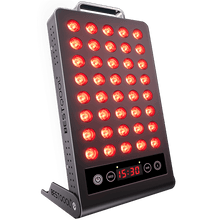
A simple at-home setup tends to work best when the device is small enough to blend into your bedroom instead of dominating it. Think of a bedside bulb, compact lamp, or modest panel placed off to the side rather than directly in front of your face. If you want the room to feel comforting, indirect light usually works better than a strong beam.
A comfortable session length is usually short. For most people, that means about 10 to 20 minutes before bed, or switching the room to dim red lighting for part of the last hour of the evening. Longer is not automatically better. In light-based routines, more exposure can shift from calming to stimulating, especially if the room is bright enough to keep your brain engaged.
A practical device choice comes down to transparency and restraint. Look for stated wavelength information, clear timing guidance, and basic safety information. For a bedside routine, features like a built-in timer, stable light output, and easy dimming are often more useful than chasing the highest power. If a device feels like gym equipment or a clinic tool, it is less likely to become a nightly habit.
The Easiest Calming Routine to Follow
A consistent evening rhythm matters more than perfection. About 30 to 60 minutes before bed, lower the main lights in the room. Turn on your red bedside lamp while you do one low-effort activity such as stretching, reading a few pages, or slow breathing. Keep your cell phone out of your hands if possible, or at least away from your face.
A realistic bedtime routine might look like this in everyday life. At 9:30 PM, you switch off the overhead light and turn on a dim red lamp on the nightstand. You sit upright in bed or in a bedroom chair for 15 minutes, letting the light fall indirectly across your upper chest or face while you breathe slowly or read something undemanding. Then the lamp goes off, the room goes dark, and sleep is allowed to happen without adding another step.
A common mistake is leaving a brighter red light on all night because it looks relaxing. Very dim, indirect light may be fine for some people, but brighter light can still cause brief awakenings or make the room feel visually busy. If you need a night-light, keep it low, warm, and aimed away from your eyes.
Pros, Tradeoffs, and Who Should Be Careful
A well-designed red light routine has clear advantages. It can feel gentler than standard lamps, may support a more peaceful mood, and can pair well with skincare, muscle recovery, or a general evening reset. It is also noninvasive and usually easy to do at home.
The tradeoffs and limits matter just as much. Benefits for sleep are not settled science, device quality varies widely, and consumer devices are often less powerful than professional systems. Misuse can also cause eye strain, skin irritation, or overheating if instructions are ignored. That is why a less-is-better approach fits bedtime so well.
Some people should pause and check with a clinician first, especially if they are pregnant, have active eye disease, a history of skin or eye cancer, photosensitivity, bipolar disorder, or take medications that increase light sensitivity. If loud snoring, choking during sleep, major insomnia, or severe daytime fatigue is part of the picture, a bedroom light routine should not replace medical evaluation.
Making It Feel Personal Enough to Last
A sustainable wellness habit usually becomes easier when it is paired with something emotionally familiar, such as a favorite blanket, a short journal entry, or 2 minutes of slow breathing. The more your routine feels like comfort instead of correction, the more likely you are to keep using it.
A calm bedside red light routine should leave the room feeling softer, your nervous system a little less busy, and your bedtime less clinical than it was before. If it starts to feel bright, effortful, or performative, scale it back until it feels like evening again.


 Small
Small

 Moderate

 Moderate

 Moderate

 Full
Full

