

A red light therapy panel in a busy home gym needs simple, regular care to stay clean, cool, and consistent. The safest routine is to power it off, unplug it, let it cool, and wipe it gently with approved materials.
Does your panel already have a faint gray film on the front after a week of workouts, or dusty vents after treadmill sessions and strength training? In real home gyms, sweat mist, pet hair, chalk dust, and airflow from fans can build up quickly enough to affect both cleanliness and performance. A steady routine keeps the panel safer, cleaner, and more reliable every time you use it.
Why panel maintenance matters
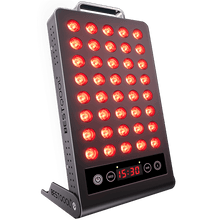
A red light therapy panel is a larger LED device designed to deliver red and near-infrared light across a wider treatment area, which makes it useful for recovery, muscle soreness, and broad skin exposure rather than facial treatment alone. When the front surface is smeared with dust, oils, or residue, light delivery and device condition can change, so the light reaching your skin may no longer match the routine you think you are following.
That matters because red light therapy is usually used in short, repeatable sessions rather than maximum-intensity doses, and red light therapy’s biphasic dose response suggests that too little may do very little while too much is not automatically better. If your panel is dirty or overheating, you can drift away from the steady middle ground that home use depends on.
There is also a hygiene issue. Even though a panel does not sit on your face like a mask, a gym still fills the air with sweat, skin oils, dust, and cleaning residue. In a high-traffic room, the front of a panel often collects more buildup than people expect because it is warm, upright, and constantly exposed.
What makes a home gym harder on a panel
A bedroom panel used a few times a week has an easy job. A home gym panel does not. Cardio sessions move dust through the room, floor mats shed particles, towels get shaken out, and portable fans can push debris straight toward the LEDs and cooling vents. If you keep the panel near a squat rack, rower, or treadmill, buildup is usually heavier on the upper edge, side vents, and cord connection points.
This is why consistency matters more than occasional deep cleaning. Home red light devices are often used several times per week, and regular use over time matters more than occasional high-effort sessions. Maintenance works the same way: a quick wipe after use is more effective than waiting until the panel looks dirty.
Panels are easier to keep sanitary than masks because they usually do not press directly onto sweaty skin, but they are also more exposed to room dust and blocked vents. In a gym, airborne grime and heat management are the main concerns.
The safest way to clean the panel after workouts

Start with the non-negotiables. Turn the panel off, unplug it, and let it cool fully before cleaning. Moisture and warm electronics are a bad combination.
Once it has cooled, wipe the front surface with a soft microfiber or lint-free cloth that is only lightly dampened. The cloth should feel barely moist, not wet. This is usually enough for ordinary dust, sweat film, and fingerprints, and it helps prevent liquid from reaching seams, ports, or LED covers.
If your manufacturer allows it, a cloth lightly moistened with 70% isopropyl alcohol can help with deeper disinfection, especially in a shared gym. If your manual does not clearly allow alcohol, stick with water or a manufacturer-approved gentle cleaner because recommendations vary. Some devices also tolerate hypochlorous acid on a cloth or wipe, which is presented as a gentler sanitizing option for LED surfaces in cleaning with hypochlorous acid.
What you should not do is just as important. Never spray liquid directly onto the panel, never soak it, and never use bleach, ammonia, hydrogen peroxide, acetone, or abrasive scrubbers. Harsh cleaners can damage the surface, especially on panels with coatings, seams, and active cooling parts.
How often to clean in a dusty or high-traffic gym
A good schedule should match how the room is used, not just the calendar. If the panel is in a garage gym, near pets, or close to a cardio machine, a quick wipe after each session is reasonable. A deeper cleaning, including vent dusting and cord inspection, usually makes sense once a week.
Area of care |
Practical rhythm in a busy home gym |
Why it matters |
Front surface |
After each use or after any sweaty day |
Keeps dust and film from blocking light |
Vents and housing |
Weekly |
Reduces overheating risk |
Cord and plug |
Weekly to monthly |
Catches fraying, loosening, or strain early |
Full exterior check |
Monthly |
Helps spot dim LED clusters, hot spots, or cracks |
This schedule fits broader home-use guidance because typical device use frequency is often 3 to 5 times per week, and maintenance should match actual use. If you train five days a week and use the panel after most sessions, treating it like a once-a-month appliance is not realistic.
A simple rule works well: if you can trace a line through the dust on the top edge with your finger, you waited too long. If the panel looks clear but the vents look fuzzy, it still needs attention.
Vent care, storage, and signs you should stop using it
Dust on the light surface is only half the issue. Panels also depend on airflow, and keeping vents and fans free of dust helps prevent overheating and unnecessary strain on the electronics. In a gym, vent dust often builds up faster than visible grime on the front.
Store the panel in a cool, dry place when possible, and keep it away from direct sun, high humidity, and floor-level dust clouds. If your gym is in a garage or basement, raising the panel slightly off the floor can reduce how much debris it pulls in over time. Loosely coil the cord instead of wrapping it tightly around the frame.
Stop using the panel and contact the manufacturer if you notice flickering, unusual smells, hot spots, repeated shutoffs, odd fan noise, or clusters of dim or dead LEDs. Those are not cosmetic issues. They suggest the panel may no longer be delivering stable output, and continued use can turn a maintenance issue into a safety issue.
Practical habits that make maintenance easier
Use the panel on clean, dry skin whenever possible because makeup and sunscreen blocking light penetration can also mean more residue around the device over time. This matters less for a panel than for a mask, but it still helps keep the setup cleaner.
Keep a dedicated microfiber cloth near the panel instead of using a gym towel. A towel that has just touched sweat, detergent residue, or equipment cleaner is not ideal for LED surfaces. In a shared home, that single habit prevents many careless wipe-down mistakes.
If your room gets especially dusty, consider facing the panel away from moving fans when it is not in use and covering it with a breathable dust cover once it is fully cool and dry. That is not required, but in pet-heavy or garage-style spaces it can noticeably reduce buildup.
A clean panel is not about perfection. It is about protecting light output, keeping the device running cooler, and making each session more repeatable. In a home gym, that small habit can do more for long-term consistency than most people expect.


 Small
Small

 Moderate

 Moderate

 Moderate

 Full
Full

