

A calm, specific explanation usually works better than a technical or defensive one. The goal is to frame bedroom use as a small, reversible routine rather than a dramatic lifestyle change.
The best way to explain it is to keep it simple: you are not turning the bedroom into a lab or making a miracle health claim. You are proposing a small, low-heat light routine that may help with a specific goal, such as skin, scalp, or localized recovery, and you are willing to test it calmly and stop if it disrupts sleep or comfort.
A partner may react skeptically when a glowing mask or panel appears in the bedroom, especially at the end of a long day when everyone wants a calm room and an easy bedtime. One practical advantage of bedroom use is that it can improve consistency because it fits into an existing morning or evening routine, and consistency matters more than occasional marathon sessions. The key is to explain what it is, what it is not, and how to use it without making the room feel strange.
Start With the Real Concern, Not the Technology
Most skepticism is not really about wavelengths. It is about trust, cost, clutter, sleep, and whether this is another wellness gadget that will be used three times and forgotten. In real households, the conversation usually goes better when you lead with the likely concern: “I know this looks unusual, and I don’t want to make the bedroom harder to relax in.”
That approach works because comfort, timing, and sleep matter more than the setting itself. The light does not become more powerful because it is near the bed. What changes is whether the setup feels private, easy to repeat, and respectful of shared space.
A simple example helps. If you are using a small face mask for 10 minutes four nights a week, that is only 40 minutes total in a week. Framed that way, it sounds less like “I’m changing our bedroom” and more like “I’m adding one short routine.”
Explain What Red Light Therapy Is in Plain English
A fair, non-hyped explanation is that a noninvasive form of light exposure is used to expose skin or tissue to specific wavelengths without UV tanning effects or high heat.
That does not mean every claim is equally strong. the best evidence is for certain skin and hair uses. It also helps to say that red light is not a cure-all, and results depend on wavelength, strength, frequency, and the reason you are using it.
When people over-explain the mechanism, skeptical partners often tune out. It is usually enough to say that red light around 630 to 660 nm is commonly used for more superficial skin goals, while near-infrared around 810 to 850 nm is more often used for deeper tissues such as muscles or joints. That gives your partner a concrete reason why a face mask is different from a recovery panel.
Be Honest About What It Can and Cannot Do
The fastest way to lose credibility is to oversell it. A more convincing explanation is to separate the stronger use cases from the weaker ones. Many advertised uses still lack strong evidence. That honesty usually lowers resistance because it sounds like judgment, not marketing.
There is also a useful nuance worth stating clearly. short-term evidence for benefits such as skin support and wound healing exists, while broader claims remain less certain for areas such as sleep, athletic performance, erectile dysfunction, chronic pain, and dementia. That is not necessarily a contradiction. It often reflects differences in the condition being treated, device settings, and whether studies are small, short, or poorly standardized.
So if your partner asks, “Does it actually work?” a strong answer is: “For some things, yes, there is decent support. For many other claims, the science is mixed, and I’m not treating it like magic.” That usually lands better than either blind enthusiasm or total dismissal.
Why the Bedroom Sometimes Makes Sense
The bedroom can be a sensible place for red light therapy when the device is small, the goal is localized, and privacy matters. A face mask, scalp cap, or compact panel is easier to use consistently when it lives near the routine it belongs to, especially if the session is short and quiet.
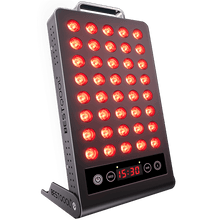
That matches matching the device type to the treatment goal. Masks are practical for facial use, scalp devices cover hair follicles more evenly, handheld devices suit small sore areas, and larger panels make more sense for broader exposure. If your device is a full panel meant for standing several inches away, the living room or another open area may simply work better than a crowded bedroom.
A partner often understands this quickly when you make it concrete. If your goal is skin support, a mask on a chair or against the headboard may be tidy and realistic. If your goal is full-body recovery, the bedroom may feel cramped, visually intrusive, and harder to share.
Address the Sleep Question Before They Ask It
Sleep is often the deciding issue. Your partner may worry that any bright device in the bedroom will make winding down harder. That is a reasonable concern, and it deserves a balanced answer.
Visible red light is generally considered less disruptive to sleep than blue-rich screen light, but that does not mean every red light therapy session helps sleep. evidence for sleep benefits is not strong, and some people find sessions energizing rather than relaxing. A practical rule is to schedule sessions earlier if you notice you feel alert afterward.
A bedroom routine works best when the timing is tested, not assumed. If you normally want lights out at 10:30 PM, do not start with a 10:00 PM panel session and hope for the best. Try a short session around 7:30 PM or use it in the morning. That gives your partner a clear sign that you care more about shared sleep quality than forcing a gadget into the room.
Safety Reassurance Should Be Specific
General statements like “It’s safe” are too vague to be reassuring. A better explanation is that short-term use appears generally safe when used as directed. Then add the limits: eye protection matters, misuse is possible, and long-term data are still limited.
The most useful safety points are practical. following instructions carefully and protecting the eyes matters. irradiance claims can be misleading, and more power or longer sessions are not automatically better.
If your partner is wary, translate this into household behavior. You are not planning to stare into the LEDs, fall asleep with the device on, or improvise treatment times. You are using an LED device, not a home laser, keeping the recommended distance, and staying within the session length the manufacturer provides.
A Calm Way to Talk About Pros and Cons
Skeptical partners usually relax when they hear both sides. The pros are straightforward: the routine is noninvasive, usually low-heat, easy to stop, and potentially useful for targeted goals like facial skin, scalp support, or a sore area. It may also be more realistic in the bedroom because privacy can improve follow-through.
The cons are just as real. Devices can be expensive, evidence is uneven, some claims are overstated, and a glowing device can feel awkward in a shared room. Sessions may also be annoying if cords, stands, or bright LEDs interfere with the space your partner uses to read, sleep, or relax.
A short comparison often helps turn this into a practical household decision instead of an abstract argument.
Bedroom fit |
When it works well |
When it does not |
Small mask or scalp cap |
Quiet, short routine with privacy |
If the light feels stimulating before bed |
Compact panel for face or one sore area |
Easy habit attached to morning or evening grooming |
If cords, brightness, or positioning bother your partner |
Large full-body panel |
Rarely ideal unless the room is unusually spacious |
Better in a living room, home office, or dedicated wellness area |
The Best Conversation Is a Trial, Not a Debate

If you want buy-in, propose a test period instead of a permanent bedroom change. Say something simple: “I want to try this for four weeks for one specific reason, keep the sessions short, and move it out of the bedroom if it disrupts sleep or feels intrusive.” That sounds measured, and it gives your partner a clear exit ramp.
This also matches how consistent use over time is usually framed for at-home results. For many home devices, a realistic pattern is 10 to 20 minutes, two to three times a week, rather than marathon exposure. If your goal is facial skin support, that might mean a 12-minute session after washing your face on Sunday, Tuesday, and Thursday. If your goal is a tight shoulder, it may mean a short panel session after work in a different room instead.
A skeptical partner does not need a sales pitch. They need to hear that you have a reason, a limit, and a backup plan.
What to Say, Word for Word
One of the easiest explanations is this: “I’m not using this because I think it cures everything. I’m using it for one specific goal, and the evidence is better for some things than others. I want to keep it short, safe, and out of the way, and if it messes with sleep or the room feels cluttered, I’ll move it.”
That kind of statement works because it reflects the actual state of the evidence. targeted use without exaggeration is a more credible position than sweeping promises, and patient guidance on realistic benefits points in the same direction.
If the bedroom supports a short, calm, goal-specific routine, it can be a reasonable place for red light therapy. If it creates stress, brightness, or bedtime friction, the better wellness choice is not to force it. A good setup should help the body, but it should also protect the relationship and the room you both use to recover.


 Small
Small

 Moderate

 Moderate

 Moderate

 Full
Full

