

Use a clean microfiber cloth, very little moisture, and a dry buffing pass at the end. Most streaks on red light therapy panel glass come from too much liquid, the wrong cloth, or cleaning while the surface is still warm.
If you have ever wiped your panel and made it look worse, you are not alone. Fingerprints, skin oil, dust, and dried cleaner can leave a cloudy film that is easy to see once the panel is off and even easier to notice during a home wellness routine. The process below helps you clean the glass safely, avoid residue, and know when a simple at-home fix is enough and when it is smarter to stop and contact support.
Why Red Light Therapy Panel Glass Gets Streaky
What usually causes the haze
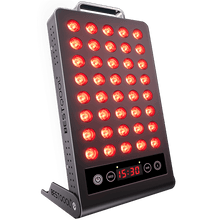
Home-use panels sit close to bare skin, workout spaces, and bedrooms, so they collect a mix of dust, skin oil, lotion overspray, and airborne residue over time. A basic maintenance routine for red light therapy devices matters because buildup on the outer surface is most likely to come from normal use, not a defect.

The biggest mistake is using too much liquid. When cleaner pools on the surface, it dries unevenly and leaves tracks, especially if you wipe with paper towels or a rough cloth. Cleaning right after a session can also make streaking worse because a warm surface flashes moisture unevenly.
When residue starts to affect the user experience
A light film will not usually make a panel stop working, but it can make the front surface look cloudy and harder to keep hygienic. In regular home use, the practical issue is less about dramatic output loss and more about an uneven, dirty-looking surface that sits inches from your body during skincare, recovery, or targeted body-area sessions.
If the residue is heavy enough that you can see smears from several feet away, it is time to clean it properly rather than keep doing quick wipe-downs. Repeated partial cleaning often spreads oil around instead of removing it.
The Safe At-Home Cleaning Process
Step 1: Power down and let the panel cool
A government agency's guidance for photobiomodulation devices reinforces the importance of following device-specific instructions and labeled use conditions, so start with the low-risk basics: turn the unit off, unplug it, and wait until the front surface is fully cool to the touch. For most home panels, that means waiting a few minutes after a session instead of cleaning immediately.
Before you wipe anything, check the front surface under normal room light. If you only see loose dust, a dry microfiber cloth may be enough. If you see fingerprints, lotion spots, or visible haze, move to a lightly damp cleaning pass.

Step 2: Use the cloth, not the panel, as the target
Use a clean microfiber cloth with a very small amount of approved cleaner or water on the cloth itself, not sprayed directly onto the panel. The goal is a lightly damp cloth, not a wet one. One section of the cloth should be used for the first pass, and a separate dry section should be saved for buffing.
Wipe in slow, overlapping passes from top to bottom. That method is easier to control than circular rubbing, which tends to spread oil. On a panel around 1 to 2 ft wide, two or three steady passes are usually enough for each section if the cloth is clean.
Step 3: Finish with a dry buffing pass
A microfiber-based cleaning approach with minimal moisture is less likely to leave lint or streaks than paper products or a heavily saturated wipe. As soon as the damp pass lifts the residue, switch to the dry side of the cloth and buff the same area before the moisture air-dries.

This last step is what most people skip. If you let even a small amount of moisture dry on the surface, minerals or cleaner residue can remain behind. A final dry pass is what turns “mostly clean” into a clear, streak-free finish.
What to Avoid on Panel Glass
Cleaners and materials that create risk
Avoid ammonia-based glass cleaner, abrasive pads, rough paper towels, and any gritty cloth that has already been used elsewhere in the house. Those products can leave lint, micro-scratches, or residue, and they increase the chance of damaging the outer surface over time.
Excess alcohol can also be a bad idea unless your product instructions explicitly allow it. Some red light therapy and near-infrared panels use surface layers, edge seals, or front covers that do not respond well to aggressive solvents, especially with repeated use.
Application mistakes that cause more problems
A government agency's device guidance makes the larger point that labeling and intended-use instructions matter, and that applies here: do not improvise with disinfectants, concentrated solvents, steam, or soaking methods that are not part of the product’s care instructions. Never spray liquid into vents, seams, button areas, or the panel edges.
Also avoid pressing hard to “scrub out” marks. If a spot does not lift with a light damp pass and a dry buff, that is a sign to reassess the material on the surface, not to increase force.
Troubleshooting Streaks at Home
If the glass still looks smeared
If streaks remain after cleaning, the cloth is usually the problem. Switch to a fresh microfiber cloth and repeat the process with less moisture than before. If you used a household glass spray the first time, go back over the surface with a barely damp cloth to remove leftover cleaner film, then buff dry.
If the haze appears only when the panel is off, but disappears once the room lighting changes, you may be looking at normal wipe marks from over-wetting rather than true residue. In that case, a dry finishing pass often solves it.
If the mark may not be on the surface
A routine inspection during cleaning helps separate ordinary smudges from problems you should not try to fix yourself. Stop home cleaning and contact support if you notice any of the following:

- Fogging or cloudiness under the glass, not on it
- Cracks, chips, peeling, or lifting around the edges
- Moisture inside the panel
- A burnt smell, flicker, or sudden change in operation
- A stain that does not change at all after a careful surface cleaning
Before contacting support, document what you see. Take clear photos, note the date, write down the cleaner and cloth you used, and record whether the issue appeared after a specific session, relocation, or cleaning attempt. That kind of record is useful if a company asks about care history or warranty eligibility.
How Often to Clean a Home Red Light Therapy Panel
A practical schedule for most households
Most home users do not need to deep-clean the front surface after every session. A light dusting once a week and a more careful wipe when fingerprints or lotion marks appear is usually enough for bedroom, home gym, or recovery-area use.
If the panel is used daily, shared by multiple people, or kept near skincare products, you may need more frequent touch-up cleaning. The better trigger is not the calendar alone, but visible buildup. Clean when you can see residue from normal standing distance, not just when you remember.
A simple check before and after sessions
Build a quick two-step habit into your routine: glance at the panel before use, and inspect it again after a week of sessions. If you use oils, sunscreen, or body lotion before treatment, check the glass more often because those products are common sources of haze.
For households that want a repeatable routine, keep one microfiber cloth reserved only for the panel. That prevents cross-contamination from kitchen cleaners, dusting sprays, or laundry residue.
FAQ
Q: Can I use regular glass cleaner on red light therapy panel glass? A: It is safer to avoid regular glass cleaner unless your device instructions specifically allow it. Many household glass products leave residue, and some contain ingredients that may not be ideal for panel surfaces, edge seals, or nearby electronics.
Q: Is isopropyl alcohol always safe for cleaning a panel? A: No. Some devices tolerate limited alcohol use, but that depends on the front surface material and a company’s care instructions. If the manual does not clearly approve it, use a minimal-moisture method first and contact support before trying stronger solvents.
Q: How do I know if I need support instead of another cleaning attempt? A: Contact support if the cloudiness looks internal, if there is cracking or peeling, if liquid may have entered the device, or if the panel’s performance changes at the same time. Surface smears can usually be cleaned at home; internal fogging or structural damage should not be handled as a DIY fix.
Final Takeaway
A streak-free result usually comes down to five disciplined steps:
- Turn the panel off, unplug it, and let it cool completely.
- Inspect the surface first to see whether you are dealing with dust, fingerprints, or a heavier film.
- Use a clean microfiber cloth with only a small amount of moisture on the cloth, never sprayed onto the panel.
- Wipe in controlled top-to-bottom passes, then buff immediately with a dry section of the cloth.
- Stop and contact support if the haze appears internal, the surface is damaged, or moisture may have entered the unit.
For most red light therapy and near-infrared home panels, the safest habit is simple: less liquid, a better cloth, and a dry finishing pass every time. That keeps the glass clear without creating new residue or unnecessary wear.


 Small
Small

 Moderate

 Moderate

 Moderate

 Full
Full

