

Store the device in a cool, dry, low-traffic spot that protects it from dust, pressure, sunlight, and cord strain. The best setup is the one that keeps the device safe while making daily use easy.
The best setup is a cool, dry, low-traffic spot that protects the device from dust, pressure, direct sun, and cord strain. In most living rooms, that means a shelf, cabinet, original box, or soft case near an outlet but away from windows, heaters, and the floor.
If your red light device keeps ending up on the arm of the couch, under a throw blanket, or tangled beside the TV stand, a simple storage routine can help. It protects light output, keeps the device cleaner, and makes it more likely that you will use it consistently. A practical setup can work for a panel, mask, or handheld without making the living room feel clinical.
Start With the Real Goal: Protect Performance and Make Daily Use Easy
The best living-room storage method is not the one that hides the device most completely. It is the one that protects the hardware and removes enough friction that you can take it out, use it, wipe it down, and put it back in within a minute or two.
That matters because maintenance affects treatment quality, not just appearance. Device condition directly affects efficacy, and residue, dust, and poor storage can quietly reduce delivered light over time. In practice, the best storage spot is usually the one you can reach from your usual chair, sofa, or exercise mat without digging through a closet.
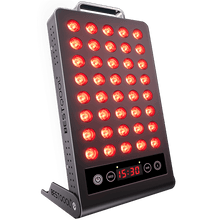
For most living rooms, one of three setups works best. A face mask or handheld fits well in its original box or a soft pouch inside a media cabinet. A compact panel does well on a slim rolling cart or tucked upright beside a dresser or bookshelf. A larger panel works best on a stable stand or wall mount if you use it several times a week and do not want to keep lifting it.
What Red Light Devices Need Protection From
Heat, Sunlight, and Moisture
Most storage mistakes are ordinary household mistakes: a sunny window ledge, a vent that blows warm air all afternoon, or a corner near a humidifier. Proper storage means a cool, dry place away from direct sunlight and moisture, because heat and humidity can shorten device life and stress internal components.
Living rooms create a few hidden risks. South-facing windows can warm a cabinet more than expected. Floor-level storage invites pet hair, dust, and accidental kicks. A panel left beside a radiator or fireplace may look tidy but is poorly placed. If you would not leave a laptop, camera, or rechargeable massager there full-time, your red light device probably should not stay there either.
Pressure and Cord Strain
Flexible masks and portable units also need protection from compression. Guidance on mask care emphasizes that pressure, tight rolling, and hanging by straps can deform silicone and stress embedded parts, while a soft pouch or the original box is safer than stacking heavy items on top. The same principle applies in a living room: do not slide a mask under magazines on a coffee table, and do not wedge a handheld behind books where the cord is sharply bent.
Loose cable management matters more than many people realize. bestqool and another source both stress protecting plugs and cables, and that matches what often fails first in home wellness gear. A gentle coil is better than wrapping the cord tightly around the adapter. If the device has a controller, store it so the cable stays relaxed rather than pinched in a drawer.
The Best Storage Options for a Living Room

Best for Masks and Handheld Devices
For masks and smaller handhelds, the best living-room solution is usually a breathable, padded storage spot inside furniture you already use. A drawer in a sideboard, a cabinet shelf, or the original box on a lower bookshelf works well if the area stays dry and cool. One manufacturer recommends storing its face mask in the included bag after wiping it down, while another recommends the original box or a soft cloth pouch when no dedicated case is included. That combination of dust protection and low pressure is hard to beat.
A good real-world example is a mask stored in its pouch inside a TV console drawer with the charger beside it. That setup keeps it out of the sun, away from pets, and easy to grab before an evening skin-care routine.
Best for Panels in Small Spaces
Panels are different because convenience matters almost as much as protection. If storing the panel feels like moving a piece of furniture every time, many people stop using it regularly. Small-space setups work best when the panel has a defined home, such as behind an accent chair, beside a bookshelf, or on a slim rolling cart that can slide into a corner.
A larger recovery panel should stay upright on a stable stand or mount rather than lean loosely against a wall where it can tip, collect dust around the vents, or be bumped by kids or pets. Some full-body tower designs are built around fixed mounting or a dedicated stand, which reflects a broader truth: larger devices are safer when treated as semi-permanent fixtures rather than something you put away after each session.
Clean Before You Store, but Keep It Simple
A living-room storage routine should include a quick wipe-down, especially for any surface that touches skin. Proper cleaning helps prevent bacterial buildup and device damage, and several sources note that oils, skin-care residue, and dust can interfere with light reaching the skin.
The routine is straightforward. Power the device off, unplug it if needed, let it cool, wipe the skin-contact or outer surface with a soft cloth, and let it dry fully before storing. For a mask, that may take less than a minute. For a panel, it is usually more about dusting the exterior and keeping vents clear.
One detail matters here: cleaning products are not universal. One manufacturer recommends an alcohol-soaked cotton pad for its specific device, while another warns that alcohol wipes may damage silicone, and cleaner compatibility varies by manufacturer. If your mask is silicone or has delicate lens covers, the manual should override generic advice every time.
If the Device Sits Unused for Weeks
Long-term storage changes the answer slightly, especially for rechargeable masks and handhelds. One source recommends a partial charge rather than full or empty storage for lithium-powered units that will sit unused for more than two weeks, with about half charge and monthly top-ups for longer breaks. That small step can protect battery capacity better than leaving the device dead in a drawer or plugged in indefinitely.
For a living room, this means seasonal storage should be intentional. If you know you will not use the device for a month, clean it, charge it to a moderate level if the manufacturer advises that, coil the cord loosely, and place it in its box or case on a closet shelf or in a cabinet rather than on open display.
Pros and Cons of Common Living-Room Storage Choices
Storage choice |
Main advantage |
Main downside |
Best fit |
Original box |
Strong dust and pressure protection |
Slightly less convenient for daily use |
Masks, handhelds, occasional users |
Soft pouch in cabinet |
Fast access and tidy look |
Less crush protection than a box |
Masks, lightweight wearables |
Drawer or media cabinet |
Hidden, clean, family-room friendly |
Can trap heat if crowded |
Small devices with chargers |
Slim rolling cart |
Easy access and no lifting |
Visible in the room |
Compact panels used often |
Upright stand or wall mount |
Best for large panels and regular use |
Less discreet |
Recovery panels and body units |
The Best Answer for Most Homes
For most homes, the most practical setup is simple. Store a red light mask or handheld in its original box or a soft pouch inside a cool living-room cabinet, and store a panel upright on a stand, rolling cart, or stable corner spot away from sun and heat. Clean it before storing, keep the cord loosely coiled, and do not let blankets, books, or other household clutter sit on top of it.
That approach protects the device, supports hygiene, and keeps the routine realistic. The best storage system is the one that keeps the light ready to use without making your living room look like a treatment room.


 Small
Small

 Moderate

 Moderate

 Moderate

 Full
Full

