

Vacations are supposed to restore you, not leave you puffy, sore, and wide awake at 3:00 AM. As a red light therapy specialist and health advocate, I hear the same questions over and over from travelers who already love their at‑home devices: “What should I pack?” and “Will a tiny portable gadget actually do anything?”
The good news is that portable red and near‑infrared devices can be genuinely useful on the road, especially for skin, aches, and sleep disruption from jet lag. The not‑so‑good news is that the travel market is crowded with everything from simple wands to bulky pods, and the science is still uneven. Choosing well means understanding both what red light therapy can realistically offer and how different travel‑friendly devices trade power for portability.
In this guide, I will walk you through the evidence, the practical trade‑offs, and which types of portable devices are best suited for different kinds of trips, drawing on medical centers such as University of Utah Health, Stanford Medicine, and Mayo Clinic, as well as brands that specialize in travel‑ready tools.
A Quick Refresher: What Red Light Therapy Really Does
Red light therapy, also called photobiomodulation or low‑level light therapy, uses specific red and near‑infrared wavelengths to influence how your cells function. University of Utah Health describes it as using defined bands of light to interact with tissues, sometimes combined with drugs in medical settings to treat certain skin cancers and conditions such as psoriasis and acne. Stanford Medicine highlights that these wavelengths can be tuned so shorter ones can help destroy abnormal cells when paired with medications, while longer wavelengths support healing, collagen production, and hair growth.
In the skin and superficial tissues, red light tends to work by boosting mitochondrial energy production (ATP), supporting blood flow, and calming inflammation. Brands like Solawave, TheLumebox, and Metamorphosis Light Therapy all frame this in similar ways: red and near‑infrared light help skin recover from dryness, irritation, and stress by supporting cellular repair and reducing inflammatory signals. For hair and scalp, Stanford Medicine notes modest but real evidence that low‑level red light can thicken hair and improve follicles when used consistently for months, with benefits fading when treatment stops.
For pain and circulation, near‑infrared and red LED pad systems such as HealthLight’s pads are FDA‑cleared for temporary increases in local blood flow and temporary relief of pain, stiffness, and muscle spasms. A 2015 review cited by HealthLight describes low‑level laser therapy as helpful for some musculoskeletal pain conditions, likely via improved circulation and reduced inflammation. Other brands, including TheLumebox and various devices reviewed by Rehabmart, echo these mechanisms for joints, muscles, and post‑exercise recovery.
Where things get more experimental is in whole‑body performance, mood, metabolism, and brain health. Stanford experts caution that claims about athletic performance, dementia, and erectile function remain largely unproven, and University of Utah Health emphasizes that the strongest clinical evidence still sits in dermatology and some pain settings, not in the broad “fix everything” claims common on social media. They recommend seeing red light therapy as an adjunct, not a replacement for fundamentals like sleep, movement, nutrition, and mental health.
That context becomes important when you decide what is worth squeezing into your carry‑on.

How Red Light Helps When You Travel
Travel stresses almost every system in your body. Dry airplane cabins, time‑zone shifts, cramped seats, and unfamiliar food and beds add up fast. The research and real‑world reports in your notes converge on three main travel use cases where portable red light makes sense: jet lag and sleep, aches and circulation, and skin health.
Jet lag, circadian rhythm, and sleep
Jet lag is essentially circadian misalignment: your internal clock is out of sync with local time. Mayo Clinic describes light exposure as the most powerful tool for resetting that clock. Their jet lag guidance focuses on bright light therapy using daylight or bright light boxes at specific times, depending on whether you travel east or west.
So where does red light fit in? Emerging work and brand‑supported protocols suggest several possibilities:
Lumi Visage summarizes growing evidence that red light sessions may help support a healthier circadian rhythm while being gentler on melatonin than bright blue or white light. Morning or early evening sessions can cue wakefulness or wind‑down without the strong melatonin suppression associated with traditional bright light.
Mito Red Light reviews studies where red light therapy improved sleep quality and melatonin production in adults, including a trial in 20 female athletes where two weeks of red light sessions were associated with increased melatonin and better sleep. They frame potential benefits for jet lag as deeper pre‑travel sleep, better daytime alertness, and more stable circadian rhythms.
Solawave notes that red light exposure may help regulate melatonin and support a healthier circadian rhythm, which can translate into better adjustment to new time zones and fewer visible skin effects from poor sleep.
LUMEBOX offers a practical protocol for travelers: adjust meal and sleep schedules before travel, get 10–15 minutes of natural morning sunlight upon arrival, and use near‑infrared on the back of the neck for about 12 minutes one to two hours before bed to support rest.
Viewed together, these sources suggest that red light can be a gentle adjunct to the mainstream jet lag playbook that Mayo Clinic outlines: timed light exposure, melatonin for some people, and behavioral strategies such as adjusting your schedule before departure. The key is to treat your portable device as one tool in a broader plan, not as a magic reset button.
Aches, stiffness, and circulation on the road
If you have ever stepped off a long flight feeling as if your back, hips, or feet aged ten years, you already understand why many travelers pack a light therapy pad or targeted device.
HealthLight describes how prolonged sitting in cramped spaces can worsen circulation problems and increase stiffness, spasms, and pain in people with foot, back, knee, or hip issues. Their near‑infrared and red LED pads are marketed and FDA‑cleared for temporary increases in local blood flow and relief of pain and muscle spasms. They recommend twenty‑minute sessions before travel, on the day of travel, and after arrival to help manage circulation and discomfort.
LUMEBOX also leans heavily into pain and stiffness relief for travelers. Their guidance suggests near‑infrared sessions of about 12 minutes over the knees, neck, or back after long flights, and combined red plus near‑infrared on the soles of the feet after days with heavy walking or sightseeing. They emphasize that consistent use helps maintain mobility and comfort.
Rehabmart’s clinical overview of portable devices supports this logic. They note that dual‑wavelength devices around 660 and 850 nanometers are commonly used for chronic pain, arthritis, muscle recovery, neuropathy, and circulation issues, with typical sessions lasting 10–20 minutes several times per week. Pain relief often appears within a few sessions and within about two to four weeks of regular use, while post‑exercise soreness may ease within 24–48 hours.
For active or older travelers, these effects can mean the difference between sitting out activities and fully enjoying hikes, museums, or time with family.
Skin, confidence, and “plane‑to‑Zoom” readiness
Travel is tough on skin. Metamorphosis Light Therapy lists dry airplane air, climate changes, jet lag, and stress as triggers for dryness, puffiness, dullness, and breakouts. Solawave and multiple beauty‑focused reviews echo this: skin often looks more irritated, less hydrated, and generally “off” during and after trips.
Red and near‑infrared light can help here in several ways:
Stanford Medicine notes hundreds of clinical studies where red light increased collagen and modestly improved fine lines and skin texture.
Solawave explains that low‑level red and near‑infrared light boosts mitochondrial energy in skin cells, helping them repair dryness and irritation more efficiently, while also activating fibroblasts to build collagen and elastin for firmer, smoother skin.
Metamorphosis highlights amber light to calm puffiness and inflammation, red light to support collagen and reduce visible fatigue, and near‑infrared to speed repair and help the skin stay hydrated.
LUMEBOX recommends red light in the morning, held about 6 inches from the face and neck for roughly 5 to 6 minutes, to keep skin supple and reduce the “dull from flying” look. They combine this with basic skincare and hydration.
On the hardware side, brands like Qure, Silk’n, Shark CryoGlow (reviewed by Wirecutter), and NVBOTY’s LED face mask offer multi‑wavelength masks or handheld tools aimed at both anti‑aging and acne. Many of these devices combine red and near‑infrared with other colors such as blue for breakout‑prone skin or amber for tone and puffiness, reflecting the multi‑target needs of frequent travelers.
The common theme: if you care about how you look and feel stepping off a plane and into a meeting, wedding, or vacation photos, a compact facial device can earn its place in your bag.

Key Features To Look For In A Vacation‑Friendly Device
Not every “travel device” is actually convenient or useful once you leave home. To choose wisely, it helps to think in terms of features instead of brand logos.
Here is a concise comparison of what matters most on vacation, and what current sources suggest.
|
Feature |
Why it matters on vacation |
What current research/brands suggest |
|
Wavelengths |
Different wavelengths reach different depths and targets (skin vs joints vs scalp). |
Bon Charge, Mito Red Light, and Rehabmart highlight red around 630–660 nm and near‑infrared around 810–850 nm as common “workhorse” ranges for skin and musculoskeletal issues. Beauty devices such as Qure, NVBOTY, Metamorphosis, and Silk’n also add blue, amber, or green light to address acne, pigment, puffiness, or headaches. |
|
Treatment area |
Determines whether you can meaningfully treat what bothers you most on trips. |
Light Therapy Insiders notes that full‑body pods like Ironforge Chroma or Hooga Pod shorten sessions but are bulky, while small handhelds (such as Kineon Move+ Pro or Mito Mobile Flex) excel at targeted areas but are inefficient for whole‑body treatment. Facial masks and compact panels sit somewhere in the middle. |
|
Travel schedules are tight; you need doses that fit into real life. |
HealthLight pads run automated twenty‑minute sessions. LUMEBOX suggests 5–6 minutes for facial skin and 12 minutes for deeper tissues. Solawave recommends about ten minutes, three to five times per week. Metamorphosis designs many devices around three‑minute daily treatments. Lumi Visage and Rehabmart describe effective sessions in the 10–20 minute range. Timers built into devices reduce guesswork. |
|
|
Airports, trains, and rentals do not always make power easy. |
Light Therapy Insiders stresses the trade‑off between battery devices (pods, handhelds, belts, masks, watches) and plug‑in panels (better for hotel rooms). LUMEBOX uses a 10,400 mAh battery, about 37.97 Wh, which is under common airline limits, and runs cord‑free once charged. Mito Red portable devices and NVBOTY’s mask use rechargeable systems with travel cases or straps. |
|
|
Size and ergonomics |
Determines whether you actually use the device instead of leaving it in the suitcase. |
Wirecutter’s review of the Shark CryoGlow mask praises comfort and power but notes that its rigid shell, about 9.5 by 7.5 by 5 inches, is awkward in a carry‑on. In contrast, Solawave wands, Metamorphosis eye and lip tools, and MitoPRO Mobile with its hand strap and stand are designed for easy positioning and quick sessions in tight spaces. |
|
Safety and regulatory status |
Especially important when you are away from your usual medical support. |
HealthLight and Rehabmart note that many therapeutic‑grade devices are FDA‑cleared, often for pain management or circulation. Mito Red highlights that their devices are classified as Class II wellness devices and are not intended to treat disease. Stanford Medicine and University of Utah Health emphasize avoiding direct eye exposure and being wary of devices that promise to cure serious conditions without robust evidence. |
If your goal is a practical travel companion rather than a “conversation piece,” prioritize clarity on wavelengths, realistic session times, and how the device actually fits into your day on the road.

Comparing Common Travel‑Friendly Device Types
Different trips call for different tools. The devices in your research span several distinct form factors, each with its own strengths and weaknesses.
|
Device type |
Best for |
Travel strengths |
Travel limitations |
Examples from notes |
|
Facial skin, small spots, fine lines, and blemishes. |
Very compact, easy to pack, quick sessions (often 3–10 minutes), can be used in bed or at a desk. |
Treat only tiny areas at a time; require manual holding and positioning. |
Solawave Radiant Renewal wand, Metamorphosis MagicMoon Eye Evolution and LushLips Transformation, Silk’n handheld device for hyperpigmentation. |
|
|
Knees, hips, back, feet, neuropathy, and circulation issues. |
Can wrap joints or limbs; often FDA‑cleared for pain and circulation; hands‑free twenty‑minute sessions. |
Slightly bulkier in luggage; limited to the area covered by the pad or belt. |
HealthLight pads and Express At‑Home systems, Lumaflex Body Pro, MitoRed Light Belt. |
|
|
Compact panels and pods |
Multi‑use body regions (back, thighs, chest), general recovery. |
Larger coverage than a wand; versatile positioning with stands or straps; strong output for relatively short sessions. |
Require a surface or stand; many are plug‑in only; heavier than wands. |
MitoPRO Mobile with built‑in stand and case, Infraredi Flex Mini, Red Light Rising Target Light, LUMEBOX portable panel. |
|
LED masks and helmets |
Face and scalp, cosmetic focus, hair density. |
Hands‑free, treat full face or scalp at once; short sessions; easy to combine with other activities. |
Rigid masks can be bulky; some require remotes or cords; not suited for joints or large body areas. |
Shark CryoGlow LED Face Mask (Wirecutter’s top pick), Qure Light Therapy Mask, NVBOTY LED Face Mask with 400 LEDs, CurrentBody LED Hair Growth Helmet, Jovs 4D foldable facial mask. |
|
Specialty wearables |
Neck support, posture, headaches, systemic effects. |
Designed for specific needs; can be worn while walking or working; emphasize comfort. |
Narrow scope; may be less versatile for multiple body parts. |
MitoCHIRO Neck Wedge for neck stiffness and posture, MitoGREEN for headaches with green, red, and near‑infrared light, Weber laser watch (experimental systemic blood irradiation). |
This variety is why there is no one “best” portable device for every traveler. Instead, there are better and worse matches for your specific type of vacation.
Matching Devices To Your Travel Style
Once you understand your priorities, it becomes easier to narrow the options.
For long‑haul, multi‑time‑zone trips
If jet lag and sleep are your biggest challenges, choose a device that is:
Comfortable to use daily, ideally hands‑free or easy to hold while you relax.
Simple to schedule, with built‑in timers and clear modes.
Gentle enough to use in the evening without making you feel overstimulated.
Near‑infrared capable devices such as LUMEBOX, which is designed for neck and body applications, can pair well with the circadian strategies described by Mayo Clinic, Lumi Visage, and Mito Red Light. A realistic plan might include a few days of morning red light at home before an eastbound trip, morning sessions at your destination combined with natural daylight and walking, and near‑infrared on the neck one to two hours before bed.
If you also care about how jet lag shows on your face, travel‑ready facial tools such as compact wands (Solawave, Metamorphosis eye devices) or lightweight masks (Qure, Jovs 4D, NVBOTY’s mask) can help address puffiness, dullness, and breakouts with short daily sessions.
For walking‑heavy city breaks or theme park trips
Here, your feet, knees, and lower back usually suffer more than your circadian rhythm. Flexible pads and belts shine in this scenario. HealthLight recommends twenty‑minute sessions in the morning and after returning to your lodging to keep feet, gait, and balance steadier. LUMEBOX suggests elevating the feet against a wall, then using combined red and near‑infrared on the soles to reduce soreness after heavy walking.
Rehabmart’s review supports this approach, noting that dual‑wavelength devices around 660 and 850 nanometers can reduce pain and inflammation when used consistently several times per week. Travel‑ready options include HealthLight’s pad systems with their own bags, wrap‑around belts like Lumaflex or the MitoRed Belt, and compact panels like Infraredi Flex Mini or MitoPRO Mobile when you have a stable surface in your hotel room.
For older adults or family members with chronic conditions, these tools can make the difference between cutting activities short and confidently keeping up with the group.
For adventure or sports‑focused vacations
If your plans include hiking, biking, golf, tennis, or intense gym sessions, muscle recovery becomes the primary use case. TheLumebox cites clinical work in military populations where red light therapy was associated with more than 40 percent improvement in musculoskeletal training injuries and better recovery in submarine crew members, framing red light as a tool for “faster recovery” after strains and hard training. Rehabmart adds that low‑level light therapy can increase muscle mass gains after training and reduce muscle oxidative stress in biopsy studies.
Targeted, high‑output portable devices such as Kineon Move+ Pro, Diesel Torch, Mito Mobile Flex, MitoCHIRO Neck Wedge, and MitoGREEN are designed to sit over joints or small muscle areas with fairly intense red and near‑infrared delivery. These shine when you have localized problem spots such as knees, shoulders, or a stiff neck from carrying packs or sitting in buses.
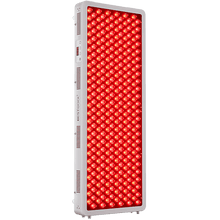
For whole‑body coverage, full‑body pods like Ironforge Chroma or Hooga Pod offer head‑to‑toe sessions in 5–10 minutes, but Light Therapy Insiders rightly notes that they are heavy, noisy or bulky, and better suited to car travel or longer stays with generous luggage allowances.
For beauty‑focused and work trips
If you are traveling for a wedding, reunion, or work events where you want to look refreshed on camera, a facial device becomes the star. The travel‑specific articles from Metamorphosis, Solawave, and LUMEBOX all build short routines around quick LED sessions plus hydrating skincare.
Shark’s CryoGlow mask, reviewed by Wirecutter, combines strong red and near‑infrared output with cooling under‑eye pads that testers loved for puffiness and lines. It delivers 73 mW/cm² of red irradiance, which dermatologists interviewed for that review considered on the higher end of their recommended range. However, the rigid shell is bulky for most carry‑on bags.
More portable options include Qure’s mask with three‑minute sessions, NVBOTY’s rechargeable LED mask with 400 LEDs and four modes (blue, orange, red, and 850 nm infrared), eye‑specific tools such as MagicMoon Eye Evolution, lip‑focused devices like LushLips, and palm‑sized scalp tools like Foreo’s FAQ 301, which combines red light with scalp massage. These devices align well with the three‑minute travel routines described by Metamorphosis and the ten‑minute, three‑to‑five‑times‑per‑week protocols suggested by Solawave.

Safety, Evidence, And Realistic Expectations On The Road
Before you throw a light‑emitting gadget into your suitcase, it is worth pausing to set healthy expectations.
Medical centers such as Stanford Medicine and University of Utah Health stress that red light therapy is promising but limited. The most robust data are for improving some skin conditions, modestly boosting collagen, and helping hair regrowth in certain cases, plus some pain and circulation applications. Evidence for broad performance enhancement, metabolic changes, brain health, or major mood shifts remains preliminary.
That perspective matches the disclaimers from travel‑oriented brands. Mito Red Light emphasizes that their devices are Class II wellness tools, not treatments for disease. LUMEBOX and Light Therapy Insiders both describe their content as educational, not medical advice, and encourage readers to consult physicians before changing treatments. HealthLight’s claims for their pads focus on temporary increases in local blood circulation and temporary relief of pain and muscle spasms, which is what their FDA clearance supports.
In terms of side effects, University of Utah Health and Stanford both report relatively low risk when devices are used appropriately for short, timed sessions. The main cautions include avoiding direct light into the eyes, respecting session durations to avoid overheating, and being particularly careful if you are pregnant, have epilepsy, or take photosensitizing medications—situations where Rehabmart recommends talking to a healthcare provider before use.
From a travel safety standpoint, LUMEBOX’s airline guidance is also important: many airlines limit lithium batteries to about 100 watt‑hours per device, require them in carry‑on luggage, and want them powered off and protected. LUMEBOX’s 37.97 Wh battery falls comfortably under these thresholds, but policies vary, so checking your airline’s rules remains wise.
The takeaway is simple. If you prioritize sleep, movement, nutrition, and stress management first, and then layer in a well‑chosen portable red light device, you are practicing evidence‑informed self‑care. If you expect a pocket‑sized wand to replace sleep or undo jet lag entirely, you are likely to be disappointed.

How To Actually Use Your Device On Vacation
Once you have chosen a device, using it consistently matters more than owning the “perfect” one. The research notes and brand protocols point toward a few practical patterns that work well for many travelers.
For jet lag and sleep, consider starting a few days before your trip. Mito Red Light and Lumi Visage suggest that morning red light sessions before an eastbound flight can begin nudging your internal clock toward earlier wake times. Mayo Clinic recommends gradually shifting your bedtime and wake time, and using light exposure in the new time zone to lock in the adjustment. At your destination, you might continue with 10–20 minutes of morning red light combined with natural daylight and a short walk, then, if your device offers near‑infrared modes, use them on the neck or upper back one to two hours before your planned bedtime, as LUMEBOX describes.
For pain, stiffness, and circulation, treat your light device as you would a pair of supportive shoes or compression socks: something you use proactively. HealthLight proposes daily use for several weeks before a big trip if you already struggle with circulation, plus sessions on the travel day and after arrival. Their twenty‑minute automated programs make it realistic to run one pad on the feet in the morning and another on the low back or knees after returning to your room. LUMEBOX’s guidance is similar, with 12‑minute near‑infrared sessions over problem areas after flights or long days.
For skin, build a simple, repeatable routine. Metamorphosis and Solawave both sketch basic sequences that fit easily into mornings or evenings. Cleanse gently, use your LED device for about three to ten minutes depending on the brand’s instructions, then apply a hydrating serum or moisturizer and, in the daytime, sunscreen. LUMEBOX recommends holding their device about 6 inches from the face and neck for 5–6 minutes each morning, while Metamorphosis favors three‑minute daily eye or lip treatments. The key is consistency: short sessions, done daily, will generally outperform sporadic long treatments.
Do not forget ordinary behaviors. Light Therapy Insiders, Mito Red Light, and Mayo Clinic all underscore familiar but effective steps: stay hydrated, avoid heavy meals and excessive alcohol close to bedtime, move your body after arrival, and sync your meals and sleep to local time as soon as you reasonably can. Red light therapy works best as an add‑on to this foundation, not a substitute.

Frequently Asked Questions
Do tiny portable devices actually work, or do I need a full‑size panel?
The answer depends on what you hope to change. Research summarized by Stanford Medicine and University of Utah Health, along with brand trials described by Solawave and TheLumebox, suggests that relatively small treatment areas can still see benefits in collagen production, fine lines, mild acne, and localized pain when treated habitually with appropriate wavelengths. A Solawave wand, Metamorphosis eye device, or compact pad from HealthLight can realistically support skin and joint comfort in their immediate treatment zones.
What small devices cannot do is deliver a quick, full‑body dose equivalent to a large at‑home panel or a full‑body pod like Ironforge Chroma or Hooga Pod. Light Therapy Insiders is clear that handhelds and pods are inefficient for whole‑body coverage. If your goal is systemic effects, full‑body devices or clinical sessions are better suited, though they are rarely practical for air travel. For most vacationers, a targeted tool that they will actually use beats a massive panel they leave at home.
Is red light therapy better than bright light boxes or sunlight for jet lag?
Mayo Clinic considers bright light exposure, usually from sunlight or bright light boxes, the gold standard for shifting the internal clock after crossing time zones. Their jet lag guidance actively teaches travelers how to time morning or evening light to move their rhythms earlier or later, and they mention melatonin as a widely studied supplement that can complement light.
Red light occupies a different niche. Lumi Visage, Mito Red Light, Solawave, and LUMEBOX all suggest that red and near‑infrared light may support sleep quality, melatonin, and circadian rhythm without strongly suppressing melatonin the way blue‑heavy light can. That makes red light particularly attractive for evening relaxation sessions and pre‑sleep routines in unfamiliar time zones.
So it is not a matter of red light replacing bright light. Think of bright daylight exposure and timing as your primary circadian steering wheel, with red light serving as a gentle co‑pilot that can help you feel more rested and less inflamed while you adjust.
How can I tell if a device is “real” red light therapy and not just a red bulb?
This concern shows up in your research notes from a traveler in a holistic health community who was unsure whether her unlabeled red bulb offered true therapeutic light or just colored illumination. Their instinct is right: not all red‑looking lights emit the specific wavelengths or power levels used in studies.
Rehabmart and Bon Charge both point to explicit wavelength listings, typically around 630 or 660 nanometers for red and 810 to 850 nanometers for near‑infrared, as a basic quality marker. Mito Red Light’s portable devices, for example, clearly specify their five wavelengths at 630, 660, 810, 830, and 850 nanometers. Many FDA‑cleared devices, such as those highlighted by HealthLight, also state their wavelengths and medical device clearances.
In practice, look for clear technical specifications on wavelength, power, and session guidance, references to clinical literature or FDA clearance for specific uses such as pain or circulation, and, ideally, reviews from independent testers such as Garage Gym Reviews or Wirecutter. A bare bulb with no labeling and no documentation is much more likely to be decorative than therapeutic.
Red light therapy will not make a trip perfect, but the right portable device can be a surprisingly steady ally: easing stiffness, softening the tired look in the mirror, and helping your body slide into a new time zone a bit more gracefully. Pack carefully, use your light consistently but modestly, and let it support the basics that matter most—good sleep, movement, and presence wherever you have chosen to spend your precious time away.
References
- https://med.stanford.edu/news/insights/2025/02/red-light-therapy-skin-hair-medical-clinics.html
- https://healthcare.utah.edu/the-scope/mens-health/all/2024/06/176-red-light-therapy-just-fad
- https://www.mayoclinic.org/diseases-conditions/jet-lag/diagnosis-treatment/drc-20374031
- https://www.garagegymreviews.com/best-red-light-therapy
- https://thelumebox.com/?srsltid=AfmBOop7FDNW3ZM3378X4xRMjeOO6gPH1sdpR67f1kdop5prD_pX9619
- https://boncharge.com/collections/red-light-therapy-devices?srsltid=AfmBOoqHdQiVRmlR3jGrjkDrKCub04yOhij6A0_GGvyECl00SEI75kRP
- https://www.celluma.com/collections/all?srsltid=AfmBOoqGauaYlsCEBelbESP_swoX4EvzeZ3LEaLDjFRGMUXNbr4hxiyU
- https://www.glamour.com/gallery/best-red-light-therapy-devices
- https://www.lighttherapyinsiders.com/red-light-therapy-travel/
- https://mitoredlight.com/collections/portable-devices?srsltid=AfmBOoq8r4S3-KAKp8ZbCpmbQreDZZ1-AUbD7M1NYqU1zQECyd3l-vcN


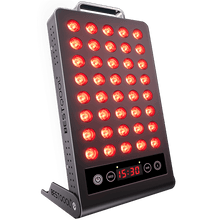
 Small
Small
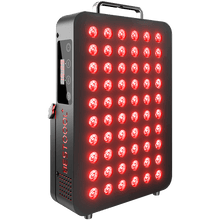
 Moderate
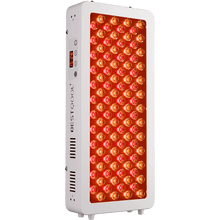
 Moderate
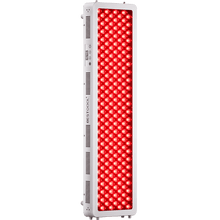
 Moderate
 Full
Full


