

Red light therapy can fit into a normal evening at home if the setup is simple, the sessions are short, and the device is used consistently. The goal is gradual skin improvement through a routine that works around family life, not a clinic-style ritual.
Is the only quiet moment in your house the stretch after dinner, when someone is watching TV, a kid is asking for a snack, and you still want to do something for your skin? Red light therapy can fit into that window because the benefit usually comes from steady, repeated use, not from turning your evening into a full treatment ritual. A practical sofa routine can be safe, realistic, and easy to repeat without disrupting the rest of the room.
Why the Sofa Can Actually Work
For home use, the sofa is often the most realistic place to stay consistent. At-home devices usually need repeated sessions over weeks or months to produce gradual skin changes, so convenience matters more than creating a perfect spa setup you will not maintain. If the living room is where you reliably sit for 10 to 15 minutes, that is usually a stronger plan than a dedicated beauty corner you rarely use.
The main advantage of sofa sessions is consistency. Facial skin goals such as softening fine lines, calming redness, and improving texture respond better to a routine you can repeat several times a week than to one long session done only occasionally. In practice, that usually means treating red light like brushing your teeth: brief, predictable, and regular.
The tradeoff is distraction. Someone may switch on a bright overhead light, ask you a question mid-session, or tempt you to multitask in ways that change the distance, angle, or treatment time. That does not make the therapy useless, but it does make simple devices and short sessions more practical than complicated ones.
What Red Light Therapy Does for Facial Skin
Red light therapy, also called photobiomodulation, uses visible red light and sometimes near-infrared light to influence cellular activity without ultraviolet light. The evidence-based takeaway is fairly clear: facial skin benefits are plausible and are best supported for wrinkle reduction and overall skin appearance, while many broader wellness claims remain much less certain.
For facial skin, red light can improve skin appearance and reduce wrinkles. Researchers connect that to collagen-related effects, inflammation control, and changes in how skin cells produce energy. A large dermatology review also links photobiomodulation to increased collagen and elastin activity, which helps explain why people use it for photoaging and texture support rather than for dramatic overnight change.
That matters on the sofa because your expectation should be slow improvement in how skin looks and feels, not an instant transformation during one episode of a show. Home devices can be worthwhile, but in-office LED treatment is generally more powerful, and home treatment is usually more subtle.
The Best Sofa Setup for Family-Friendly Use

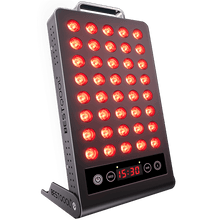
A face mask is usually the easiest choice for sofa use because it keeps the light close to the skin even if you shift slightly. A small panel can also work well if you have a stable side table or coffee table and can maintain the recommended distance. A wand is the least disruptive for others, but it usually demands more attention and hand movement, which makes it harder to stay consistent during family time.
Device style |
Sofa practicality |
Best for |
Main drawback |
Face mask |
Very good |
Full-face routine with minimal movement |
Can feel bulky and socially awkward around family |
Small panel |
Good |
Face plus neck if distance is easy to maintain |
Needs more setup space and creates more stray light |
Wand |
Fair |
Spot treatment around eyes or mouth |
Hard to use hands-free |
For facial skin, a practical target is a red-light device that uses wavelengths commonly chosen for skin, with some products also adding near-infrared. The most useful consumer rule is not to chase marketing color names but to choose a device that clearly states wavelength, session guidance, and FDA clearance. Technical transparency on wavelength, irradiance, and fluence matters more than vague promotional language.
How to Build a Sofa Routine That Does Not Annoy the Household
For most people, the easiest pattern is a short session after washing your face, before the household fully scatters for the night. Typical home guidance lands around 10 to 20 minutes, about 2 to 5 times per week, and more time is not automatically better. If your family usually settles in around 8:00 PM, a 10-minute session at 7:50 PM or during the opening of a show is often easier than waiting until everyone needs something from you.
Clean, bare skin is the better starting point. Makeup, sunscreen, and thick tinted products can interfere with light reaching the skin surface, so evening sessions are especially sofa-friendly because you are more likely to have already washed your face. After treatment, a simple moisturizer or hydrating serum is usually enough. Red light should support a normal skin routine, not replace basics such as sun protection, sleep, and moisturizing.
A realistic example looks like this: you wash your face, sit in your usual corner of the sofa, put on the mask or position the panel, run one timed session, then apply moisturizer and return to normal family life. No special playlist, no blackout curtains, and no hour-long ritual. That kind of repeatable setup is what keeps the habit going through the four to six months often needed for visible skin-aging results.
Safety Matters More in a Shared Space
Short-term home use appears generally safe, but sofa use adds one problem people often underestimate: distraction. If you fall asleep, exceed the recommended time, or let children handle the device, the risk changes. Burns, blistering, skin irritation, and eye problems have all been reported when devices are overused or misused.
Eye protection deserves extra attention because facial treatment happens close to the eyes. Protective goggles are recommended for treatment near the face. Some masks have built-in shielding, but that is not a free pass to stare into bright LEDs or ignore the manufacturer’s instructions.
A few people should be more cautious before starting. Photosensitizing medications, lupus, some eye conditions, and a history of light-sensitive skin problems all justify a conversation with a clinician first. That is especially important if your facial skin issue might actually be melasma, rosacea, eczema, or another condition that needs a more tailored plan.
What Results Are Reasonable to Expect
For facial skin, the strongest evidence is for wrinkle reduction and overall skin appearance improvement, not for every wellness claim attached to red light online. That means it is reasonable to expect softer-looking fine lines, calmer-looking skin, and gradual texture improvement. It is less reasonable to expect major lifting, deep pigment correction, or a replacement for prescription acne care.
Dose also matters. The literature does not support the idea that longer sessions always work better. A product guide grounded in photobiomodulation research notes a biphasic dose response, meaning too little may do nothing and too much may reduce benefit or irritate the skin. In plain language, the sofa plan should stay measured: use the timer, stop when it ends, and return consistently.
When Sofa Use Is a Good Idea, and When It Is Not
Sofa use is a good fit when your goal is mild to moderate facial rejuvenation support, you can follow a schedule several times a week, and you want a routine that coexists with family life. It is less ideal if your household is so chaotic that you cannot keep the device positioned correctly, protect your eyes, or finish a full session without interruption.
If you are trying to treat a diagnosed skin disease, severe acne, or something that could be precancerous, home red light on the couch is not the place to improvise. Stanford’s dermatology review makes an important distinction here: red light alone does not destroy skin cancer, and medically supervised photodynamic therapy is a different treatment altogether.
The most sustainable home routine is the one that feels ordinary enough to repeat. If your sofa session is safe, timed, and consistent, it can support facial skin goals without disrupting the rest of the room. Keep the habit small, keep the claims realistic, and let the results build slowly.


 Small
Small

 Moderate

 Moderate

 Moderate

 Full
Full

