

Red and near-infrared light therapy may help some people with facial redness, but the safest place to start is with diagnosis, trigger control, and a conservative home trial. Before you buy or begin, verify that the device is appropriate for facial use, that your skin is likely to tolerate it, and that you know what improvement would actually look like.
Maybe your cheeks stay pink long after a workout, or a warm room turns into a flare that lingers for hours. Home red-light routines are appealing because they can be simple to repeat and easier to fit into a weekly skincare habit than office procedures. What follows will help you decide whether a home device is a sensible add-on, which specs matter most, and when professional advice should come first.
What Red and Near-Infrared Light May Actually Help With

Where expectations can be reasonable
Rosacea treatment guidance treats light-based care as one part of a broader plan, alongside trigger control, gentle skincare, and medical treatment when needed. For a home routine, that means red or near-infrared light is best viewed as a support tool that may help calm visible redness, reduce post-flush recovery time, or make skin feel less reactive over time, rather than as a stand-alone fix.
A systematic review of rosacea light treatments found that light-based approaches can improve redness and inflammatory symptoms in some patients, but the evidence is mixed, the studies are small, and the treatment methods vary a lot. That matters because many promising results come from clinic-based systems, not the lower-powered masks and panels sold for home wellness use.
Where expectations should stay modest
A mast-cell study in rosacea helps explain why light-based care can calm inflammation in some cases, but that paper focused on intense pulsed light, which is not the same as a consumer red-light mask. The practical takeaway is simple: a home device may help, but you should not assume it will match the results of office-based IPL for fixed redness, visible vessels, or more stubborn rosacea symptoms.
If your main goal is “less pink at baseline” or “faster recovery after heat, exercise, or stress,” a home device may be worth a careful trial. If your goal is to erase broken capillaries, stop every flare, or replace prescription care, expectations are too high.
Who Should Verify With a Clinician Before Starting

Signs that home use should not be your first move
Rosacea treatment guidance makes clear that subtype and severity matter. If you have eye symptoms, frequent papules or pustules, persistent swelling, intense burning, or you are not sure whether your redness is actually rosacea rather than eczema, dermatitis, acne, or another condition, get a diagnosis before adding a device.
Home treatment is also a poor first step when your skin barrier is already unstable. If your face stings with water, reacts to most products, or is flaring after a recent peel, microneedling session, or laser treatment, you need the skin to settle before testing a light routine.
Safety flags that call for extra caution
Regulatory safety communications on energy-based facial devices are a useful reminder that settings, anatomy, and intended use matter on the face. Take extra care if you use photosensitizing medication, have a seizure disorder triggered by flashing light, deal with significant light sensitivity or migraines, have an eye condition, or are treating skin with active infection or open irritation.
Heat sensitivity matters more than many beginners realize. If sauna heat, hot showers, spicy meals, or a 10-minute walk in summer already leave you flushed for hours, a device that feels warm on contact or pushes you toward longer sessions is a poor starting choice.
How to Choose a Home Device for Sensitive Facial Skin

Specs worth checking before you buy
For rosacea-prone skin, the most useful product details are plain, boring, and easy to verify. Look for disclosed wavelength ranges, facial-use instructions, a defined treatment distance if it is a panel, a built-in timer, clear eye guidance, and a realistic session length. If a product page only says “beauty light” or bundles multiple colors without explaining why each one is there, the device is too vague for reactive facial skin.
Regulatory labeling principles for aesthetic products and procedures are a good reminder that indications and risk information are product-specific. A device marketed for wrinkles or general wellness is not automatically a good fit for rosacea-prone skin, and a “professional strength” claim is not inherently a benefit if it also means more heat or a smaller margin for user error.
Device formats compared
Device type |
Treatment area |
Distance control |
Heat profile |
Eye considerations |
Best fit for beginners |
Flexible mask |
Full face |
Fixed by design |
Often comfortable, but can trap warmth against skin |
LEDs sit close to the eyes, so eye guidance matters a lot |
Good if you want a short, repeatable facial routine |
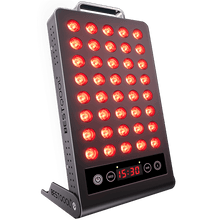
Small desktop panel |
Face or face plus body areas |
Better, if the stand and distance guidance are clear |
Can feel warmer if used too close |
Easier to misalign; protective eyewear may be useful depending on the device |
Good if you also want non-facial use and can follow setup instructions carefully |
Handheld device |
Small spots on cheeks or nose |
High control, but fully manual |
Usually lower overall heat, but easy to over-treat one spot |
Easier to angle away from eyes |
Good for isolated areas, less ideal for full-face consistency |
If your redness is concentrated on the cheeks and nose and your skin hates heat, a lower-heat mask or small handheld device is often easier to live with than a high-output panel. If you also want near-infrared for other body areas, a panel can make sense, but only if you can keep distance and timing consistent every session.
How to Start Without Provoking a Flare

A conservative beginner protocol
Start with clean, dry skin and skip potentially irritating products right before the session, including exfoliating acids, scrubs, strong vitamin C formulas, retinoids, and benzoyl peroxide. For the first week, test a small area such as one cheek edge or the jawline, use the shortest manufacturer-recommended setting or roughly 3 to 5 minutes, and limit use to 2 to 3 sessions for that week.
The goal of a first week is not improvement. The goal is tolerance. If you feel rising warmth, stinging, throbbing, eye strain, or delayed irritation later that day, stop rather than trying to “push through” and adapt.
What to track so you can judge it honestly
Use the same bathroom light, the same angle, and the same time of day for progress photos. Track four things: baseline redness, how often you flush, how intense the flush gets, and how long it takes to settle. For many people, the first useful sign is not a dramatic color change but a shorter recovery window after known triggers.
Rosacea treatment guidance supports combining treatment with trigger control, which is why your notes matter. If you add red light during a week when you also switch cleanser, start a retinoid, eat spicy food nightly, and spend time in hot weather, you will not know what caused the flare or the improvement.
How to Judge Results Realistically

What a fair trial looks like
The available rosacea light literature suggests that benefit is possible, but uncertainty is real because protocols vary so much. For a home device, a fair trial usually means a steady 6- to 8-week run with consistent timing, not a single long session or a burst of daily use that leaves your skin overworked.
A useful benchmark is modest change, not perfection. Reasonable wins include less lingering redness after a shower, less visible reactivity by the end of the day, or reduced skin discomfort during a flare. Those are meaningful outcomes for home wellness routines, even if the mirror does not show a dramatic before-and-after.
When to stop, change course, or escalate
Evidence from office-based rosacea light studies is stronger than the evidence for consumer LED masks, especially when blood vessels are prominent. If your main issue is fixed facial redness with visible vessels, a home device may be a limited tool and clinician-led options may be more appropriate.
Stop the trial if sessions consistently make you hotter, redder, more swollen, or more uncomfortable. Also stop if you develop headaches, eye irritation, new breakouts that look worse than your usual rosacea, or if there is no meaningful benefit after a careful 6- to 8-week run.
FAQ
Three questions come up most often when people compare home red-light devices for rosacea-prone skin.
Q: Can red light therapy cure rosacea? A: No. Rosacea is usually a chronic, relapsing condition. A home device may help reduce visible redness or discomfort for some people, but it is better framed as an adjunct to trigger control and medical care when needed.
Q: Is near-infrared better than red light for facial redness? A: Not automatically. Red light is commonly chosen for more superficial skin targets, while near-infrared is often added for deeper tissue support. For reactive facial skin, heat, distance, and session length are often more important than chasing the most aggressive spec sheet.
Q: Is a cosmetic claim enough to trust a device for rosacea-prone skin? A: No. Product-specific labeling principles from a regulator are a reminder that one cosmetic claim does not validate every use case. A device promoted for wrinkles or “glow” is not automatically supported for rosacea symptoms.
Practical Next Steps
If you want to try red or near-infrared light therapy at home, the safest approach is to keep the experiment small, controlled, and easy to stop. Think like a careful tester, not like someone trying to force faster results.
Risk-reduction checklist
- Confirm that your redness pattern is actually rosacea-prone skin and not another condition if you have eye symptoms, pustules, swelling, or severe burning.
- Choose a device that clearly lists wavelength, facial-use instructions, timing, distance if relevant, and eye guidance.
- Avoid starting during an active flare, after a recent facial procedure, or while using products that already make your skin sting or peel.
- Patch test one small facial area first, then begin with short sessions 2 to 3 times per week instead of daily use.
- Track photos, flare intensity, flush duration, and skin comfort for at least 6 weeks before deciding whether the device is helping.
- Stop and seek professional advice if redness worsens, warmth lingers, your eyes feel irritated, or the device triggers a pattern that looks different from your usual rosacea.


 Small
Small

 Moderate

 Moderate

 Moderate

 Full
Full

