

A short, low-effort red light therapy session can make mornings feel less sluggish when you use the right distance, timing, and safety habits. The simplest version is a brief exposure soon after waking, aimed at the face, chest, or sore areas without staring into the light.
Do you wake up tired, stiff, or not quite ready to move, even after enough time in bed? Short morning sessions are one of the easiest ways for home users to stay consistent, and the payoff is easy to test: less grogginess, a calmer start, and a smoother transition into the day. This guide covers a simple bed-friendly setup, safe timing, and a realistic routine that does not turn your bedroom into a clinic.
Why morning red light can fit a bed routine
Red light therapy uses low levels of red or near-infrared light to trigger biological responses that may support skin repair, circulation, and recovery. The morning appeal is practical as much as physiological: when the panel is already set up beside the bed, you remove the biggest barrier to consistency, which is having to get up, get dressed, and start a separate routine before the day has even begun.
Photobiomodulation appears to work in part through mitochondrial activity, which is why people often use it for recovery, soreness, or a gentle energy-support habit. In practice, a morning bed session works best when expectations stay grounded. It is not a caffeine replacement, and it is not a proven cure for fatigue. For the right user, it can be a structured, low-friction cue to wake up, get light exposure, and start moving with less resistance.
Short-term home use appears generally safe when devices are used as directed, but the evidence is stronger for some uses than for others. Skin appearance, certain pain and recovery applications, and some hair-growth devices have better support than broad claims about metabolism, mood, or total-body transformation. That matters because your morning protocol should match a realistic goal, not marketing.
What using a panel in bed should actually look like
A red light panel is a flat device with multiple LEDs that emit red light, near-infrared light, or both. Red wavelengths are usually used for superficial targets such as skin, while near-infrared is more often used when people want deeper tissue exposure for muscles or joints. A panel differs from a mask or cap because it can cover a larger area at once, which is useful if your morning goal is general recovery rather than a single small spot.
The most workable bedroom setup is usually a small or medium panel placed on a nightstand, low stool, or adjustable floor stand beside the bed. For most home panels, a practical starting position is about 6 to 12 inches away, with sessions often lasting about 10 to 20 minutes depending on the device’s output and the manufacturer’s directions. In real home use, starting at the shorter end of that range is usually smarter, because more time and closer distance are not automatically better.
The reason is dose. Red light therapy has a biphasic dose response, which means low to moderate exposure may help while too much can reduce the benefit. This is one of the most important points people miss when they treat a bright panel like a heat lamp. If your panel is powerful, falling asleep in front of it for 30 or 40 minutes is not a bonus session. It is just poor dosing.
A simple morning-in-bed routine that is easy to repeat

The best time is soon after waking, before you start scrolling on your cell phone or turn on harsh overhead lights. If you want a very simple version, sit up against your pillows, position the panel so the light reaches your face, neck, and upper chest, close your eyes or wear the eye protection recommended by your device, and stay there for a short session while breathing normally.
If your main goal is easier wake-up energy, a brief session is usually enough. Some morning-oriented routines suggest about 5 to 10 minutes shortly after waking for alertness support, while longer sessions make more sense when you are targeting skin, muscle tightness, or a specific recovery area. A useful real-world example is waking with stiff shoulders and a foggy head: placing the panel beside the bed, aiming it across the upper body, and doing a short session before standing often feels more sustainable than promising yourself a full wellness routine later.
Hydration and movement make the session more effective in practical terms, even though the panel itself is doing the light work. Keep water at your bedside, drink a few swallows when you wake, then do a few slow ankle circles, shoulder rolls, or knee-to-chest movements during or right after the session. That combination often makes the transition out of bed feel smoother than light alone.
How to choose the right target for your morning session
Your target area should match your reason for using the panel. If you care most about facial skin tone or morning puffiness, angle the panel toward the face and neck while keeping a comfortable distance and protecting your eyes. If you wake with lower-back tightness, hip soreness, or training-related stiffness, aim the panel at that area instead. If your goal is broader support, a larger panel is more practical because wider exposure matters more for general routines than tiny spot treatment.
Home devices vary by wavelength, intensity, and session guidance, so a panel should publish its wavelengths clearly rather than relying on vague claims. The most commonly cited useful bands are roughly 630 to 660 nm for red light and 810 to 860 nm for near-infrared. If a manufacturer does not tell you what the device emits or at what distance it measures output, that is a quality warning sign.
A good morning protocol is also one you can keep doing. Benefits generally require repeated use rather than a one-time session. In home settings, consistency usually beats intensity. Five quiet mornings a week with a sensible dose is more credible than one overly ambitious session followed by 10 skipped days.
Safety matters more in bed than people think
Eye protection and following device instructions are basic safety steps, especially if the panel is close to the face. You do not need to panic about every red light device, but you should avoid staring directly into bright LEDs, especially with near-infrared units where the light can feel less obvious than it is. If your panel came with goggles or face-specific guidance, use them.
Bedroom use adds a few practical risks. The first is dozing off and overexposing yourself. The second is placing the panel too close to soft bedding so airflow is blocked. The third is turning the session into screen time, which undermines the calm, body-clock-friendly part of the morning ritual. A timer solves most of this. Set it before the session starts, keep the panel stable, and let the light be the only input for those few minutes.
If you take medications that increase light sensitivity, have an unevaluated skin condition, or have a history of eye disease, it is worth checking with a qualified clinician before starting. Cleveland Clinic notes that misuse may damage skin. That does not make home use unsafe by default; it means sensible screening matters.
Red light in bed versus actual morning sunlight
Morning light is the body’s strongest timing cue, but a red light panel is not a full substitute for going outside. Sunlight provides a much broader signal to the brain and body than a bedroom panel can. The practical way to think about it is this: use the panel to make mornings easier, then get outside for natural light when you can.
This is where nuance matters. Some wellness sources frame morning red light as a digital sunrise, and that can be a helpful metaphor for habit-building, especially in winter, during travel, or when sunrise timing does not match your schedule. But the stronger evidence base still supports using natural morning daylight as the anchor and treating home red light as a complement for recovery, skin support, or a more pleasant wake-up routine.
Pros and cons of a morning bed session
Upside |
Limitation |
Easy to do consistently because the setup removes friction |
Can encourage overdosing if you fall asleep or use it too long |
May support a gentler wake-up, especially when paired with hydration and movement |
Not a replacement for outdoor morning light |
Useful for skin, stiffness, and localized recovery goals |
Results vary by device quality, dose, and individual response |
Noninvasive and generally low effort |
Evidence is still mixed or limited for many broad wellness claims |
When this routine is most likely to help
This habit tends to fit people who wake stiff, train early, struggle with dark winter mornings, or want a more consistent wellness routine without adding a complicated ritual. It also suits people who already own a panel and are simply not using it because the setup feels like too much work once the day starts.
It is less ideal if you are a restless sleeper, tend to fall back asleep easily, or want to replace proper sleep, outdoor light, and movement with a device. No panel fixes a chronically irregular bedtime, dehydration, or constant late-night screen exposure. It works best as part of a broader recovery pattern, not as a shortcut around basics.
A short, well-placed morning session can be a smart way to start the day if you keep the goal modest, the dose controlled, and the routine repeatable. Set the panel up once, keep the session brief, protect your eyes, and let it support the morning you are already trying to build.


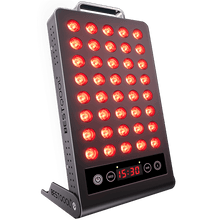
 Small
Small
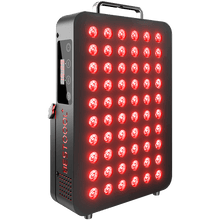
 Moderate
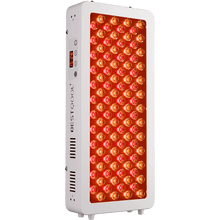
 Moderate

 Moderate
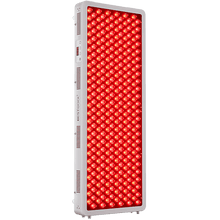
 Full
Full

