
There is no evidence-based universal number of workday minutes for red light therapy. Choose one goal and one body area, then follow the session duration and treatment distance specified for your exact device. Do not extend a session simply because longer seems better: low-level light therapy can have a biphasic dose response, meaning more exposure does not necessarily produce more benefit. Research on the biphasic dose response does not support a one-size-fits-all office routine.
For a desk-based worker, the most practical approach is simple: use the device as instructed during a break you can repeat consistently, rather than trying to create a longer or more intensive routine between meetings.
Set Session Length by the Device Instructions

A workday session should start with the device's instructions for the intended body area and goal. Those instructions should specify the relevant treatment time, distance, positioning, frequency, and eye precautions.
Do not use a generic online minute count as a substitute. Session length can be affected by the device's output, the distance between the device and your body, and how much of the target area is covered. Changing your position or moving farther away may change the setup, but it is not a reason to invent a longer session.
Do not chase a higher dose. More minutes are not automatically better. Use the stated protocol for your device and reassess rather than increasing duration on your own.
If you want to understand why distance and output matter for session planning, review how irradiance can affect session length. The practical decision remains the same: follow the guidance for the device you are actually using.
Fit Treatment Into a Repeatable Work Break

Lunch, a scheduled mid-afternoon break, or the end of the workday can all be reasonable routine slots if they allow you to use the device safely, privately, and according to its instructions.
The best time is usually not a supposedly "optimal" clock time. It is the break you can use consistently without rushing, treating multiple unrelated areas at once, or extending the session because your calendar opens up.
| Workday Situation | Practical Approach |
|---|---|
| Before work | Use the device only if you have enough time to follow the stated setup and duration without rushing. |
| Lunch break | A useful option for a focused body-area session, followed by a normal movement break rather than more sitting. |
| Mid-afternoon break | A practical slot if it fits your schedule; do not treat it as a proven therapy for an energy slump. |
| After work | Often preferable when workplace privacy, space, or interruptions make proper positioning difficult. |
Ambient Red Office Lighting is Not Panel Therapy
A small office field intervention found that 634 nm red desktop lighting used around 3:00 p.m. was associated with lower subjective sleepiness scores. However, it studied ambient desktop lighting---not consumer red-light or near-infrared treatment panels---and it did not establish treatment minutes for pain, skin, or other body-area goals. It also did not show improvements in sleep quality, depression, or perceived stress. The office-lighting intervention should not be used to set a panel routine.
In other words, a red-lit workspace and a directed red-light therapy session are different exposures with different purposes. Do not assume that using a panel at your desk will improve alertness, mood, sleep, or work performance.
Keep Desk Discomfort in Perspective
Neck, upper-back, shoulder, wrist, and lower-back discomfort can make a break-based routine appealing. But research on clinical photobiomodulation should not be converted into a self-selected office-panel schedule.
For example, a randomized trial evaluated photobiomodulation in office workers with chronic non-specific neck pain using a specific clinical intervention. That population and protocol are different from short-term stiffness after a morning of desk work, and the findings do not establish a consumer LED-panel duration for workplace use. Read the chronic neck-pain trial context as a reason to distinguish persistent symptoms from ordinary temporary discomfort---not as a home-treatment timetable.
There are no standardized clinical practice guidelines for self-administered LED photobiomodulation for musculoskeletal desk-related discomfort. If pain is persistent, worsening, limiting your work, or already being managed through clinical care, use a clinician-directed plan rather than escalating session time or frequency yourself.
Red light therapy also should not replace the basics that address the workday itself:
- Change posture and position during the day.
- Take movement breaks instead of remaining seated for the entire treatment-and-work cycle.
- Adjust ergonomic factors that contribute to repeated strain.
- Continue prescribed rehabilitation or other care.
Use a Simple Workplace Safety Check

Before bringing a device into a work routine, make sure the setting allows you to follow its instructions without interruption. A desk is not automatically an appropriate treatment location if it prevents proper distance, positioning, privacy, or eye precautions.
Keep the plan focused on one target area and one goal. Avoid stacking extra sessions, changing the treatment distance, or treating a long list of body areas simply because the device is available.
Pause and seek appropriate clinical or pharmacist guidance if your health circumstances or medications are covered by cautions in the device instructions. If a session causes an adverse effect, stop using the device and reassess the setup rather than continuing or increasing exposure.
A Workday Routine That Stays Within the Evidence
Use this checklist to set up a restrained, repeatable routine:
- Choose one goal and one target area.
- Confirm the applicable BestQool device instructions, stated treatment distance, duration, frequency, and eye-safety guidance.
- Reserve a consistent lunch, mid-afternoon, or after-work slot that does not interfere with correct use.
- Do not assume a longer session, closer position, or extra session will improve the result.
- Pair the routine with movement breaks and ergonomic habits.
- Seek professional assessment for persistent, serious, or work-limiting pain rather than trying to solve it by increasing light exposure.
Finish by reviewing the relevant BestQool device instructions and safety resources before making red light therapy part of your workday.


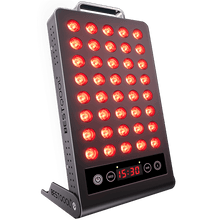
 Small
Small

 Moderate

 Moderate

 Moderate

 Full
Full

