

Bringing a baby into the world is powerful, beautiful, and, for many parents, surprisingly painful long after delivery. As a red light therapy wellness specialist who works closely with postpartum families, I hear the same quiet questions again and again: “Is this back pain normal?” and “Is there something gentle I can do at home to help?”
Postpartum back pain is common and real, not “just in your head.” Clinical reviews of postpartum pain describe it as a multifactorial syndrome that affects a large majority of women after delivery, including uterine, perineal, low back, and pelvic girdle pain. Several clinical and clinic-based sources estimate that roughly three out of four new mothers experience postpartum back pain, and depending on the study, about one-quarter to nearly half still report low back pain months after birth. The good news is that most people improve over time, especially when they combine smart self-care, good body mechanics, and targeted therapies.
Red light therapy, also called photobiomodulation, is one of those targeted tools. It is not a magic wand, and it is not a replacement for medical care or physical therapy, but when used thoughtfully it can be a helpful, soothing complement for many postpartum backs.
In this article, I will walk you through what is happening in your body, how red light therapy fits into an evidence-informed postpartum plan, how to use it safely at home, and when you need more than light alone.
Postpartum Back Pain: What Your Body Is Really Going Through
The postpartum window and why pain lingers
Many professional organizations define the core postpartum period as the first 12 weeks after birth. In that window, your uterus is shrinking, hormones are shifting, and tissues from your pelvic floor to your abdominal wall are trying to heal. A narrative medical review on postpartum pain notes that postpartum pain is anatomical, physiological, and psychological all at once. It includes afterpains from uterine contractions, perineal and incision pain, breast pain, pelvic girdle pain, and of course low back pain.
Back pain often overlaps with all of these. Sources aimed at new mothers, including educational resources from major health systems and parenting organizations, report that back stiffness and soreness are extremely common in the first weeks. Some describe up to about 20 percent of women still having back pain three to six months after delivery, especially if they had significant pain during pregnancy. Other clinic reports suggest that around half of mothers worldwide experience persistent postpartum back pain.
That range may sound wide, but the message is consistent: back pain after birth is common, and it often lasts longer than people expect. Persistent does not mean permanent, and it does not mean you have done something wrong.
Why your back hurts after pregnancy and birth
The research summaries you provided highlight several repeated themes about why postpartum backs hurt.
First, hormones. During pregnancy your body releases hormones such as relaxin that loosen ligaments in your pelvis and lower spine so the baby can be born. Those hormones remain for weeks after delivery. Looser ligaments mean less stable joints. Several clinical sources point out that this joint laxity in the sacroiliac region and pelvis is a major contributor to postpartum back and pelvic girdle pain.
Second, muscle changes. To make room for the baby, your abdominal muscles stretch and often partially separate in the midline, a condition called diastasis recti. Multiple articles note that this stretching weakens your core and reduces support for the spine, which forces the back muscles to work harder and fatigue more quickly. Some sources highlight additional imbalances: tight hip flexors and hamstrings, weak gluteal muscles, and pelvic floor strain, all of which alter how you stand and move.
Third, the pelvic floor and pelvic girdle. Academic and clinical resources describe how pregnancy and delivery stress the pelvic girdle (the ring of joints and ligaments that connect your spine to your hips) and the pelvic floor muscles. Vaginal births, episiotomies, and perineal tears can leave you with pain, pelvic floor weakness, or urinary leakage. Specialized postpartum pelvic floor clinics at university hospitals have emerged specifically to address these issues, and they frequently see low back pain alongside pelvic symptoms.
Fourth, the mechanics of caring for a newborn. Everyday tasks like hunching to breastfeed, leaning into a crib, lifting a car seat at arm’s length, and standing for long diaper changes repeatedly load the spine. Several patient-education resources emphasize that many new parents unknowingly worsen back pain by feeding in unsupportive chairs, leaning forward instead of bringing the baby closer, or lifting with a rounded back instead of bending at the knees.
Finally, the whole-person context matters. Sleep deprivation, stress, mood changes, and in some cases postpartum depression do not just affect emotion; they heighten pain sensitivity and muscle tension. Reviews on postpartum pain management emphasize that pain is never purely physical and that mental health support can improve both pain and function.
In short, your postpartum back pain is a predictable result of ligament laxity, weakened core and pelvic floor, altered posture, intense caregiving demands, and emotional overload. Understanding this context helps clarify where red light therapy can and cannot help.
What Red Light Therapy Is (And What It Is Not)
Before we talk about how red light therapy fits into postpartum care, it helps to define it clearly.
Red light therapy, or photobiomodulation, uses low levels of red and near‑infrared light to gently stimulate cells. Unlike tanning beds, it does not use ultraviolet light, and the goal is not to heat or burn the skin. Unlike high‑power surgical lasers, the energy levels are low and non‑ablative; they are designed to influence cell behavior rather than cut or cauterize tissue.
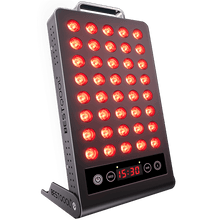
At‑home devices usually fall into a few categories: flat panels, flexible pads or belts, and smaller handheld units. They are typically placed near the skin for a short period of time, for example around 10 to 20 minutes per area, several times per week, depending on the specific device’s instructions.
In pain and rehabilitation settings outside the postpartum world, red light therapy has been studied for chronic low back pain, arthritis, tendon problems, and muscle recovery. Results vary by study, but overall the research suggests potential benefits for pain relief and function when it is used as part of a broader treatment plan. Postpartum‑specific data are still limited, so in postpartum care we extrapolate cautiously from this broader musculoskeletal research and combine it with what we know about postpartum physiology.
It is important to be honest: red light therapy is not a cure‑all, it will not realign your spine, and it cannot fix serious nerve compression or infection. However, when matched to the biology of postpartum back pain, the way it works is logically aligned with several of the key mechanisms driving your discomfort.

How Red Light Therapy May Help Relieve Postpartum Back Pain
Cellular energy and tired postpartum muscles
Many studies on photobiomodulation suggest that red and near‑infrared light interact with mitochondria, the “energy engines” of your cells. By nudging certain enzymes in the mitochondrial membrane, this light exposure can temporarily increase the production of cellular energy molecules.
From a practical postpartum perspective, that matters because your back muscles, ligaments, and fascia have been chronically overworked. During pregnancy they compensated for a shifted center of gravity and extra front‑loaded weight. After birth they compensate for weakened abdominals and pelvic floor. Tissues that are low on energy heal more slowly and fatigue more easily, which you feel as constant tightness and soreness.
By supporting more efficient energy production at the cellular level, red light therapy may help those tissues recover and function more normally, especially when combined with gentle movement and strengthening exercises that are already recommended in postpartum rehabilitation programs.
Inflammation, microcirculation, and tissue repair
Postpartum pain sources emphasize that perineal tears, cesarean incisions, and strained muscles involve inflammation, edema (swelling), and local tissue irritation. Even when healing is normal, inflamed tissues press on nearby nerves and can send ongoing pain signals.
Photobiomodulation research suggests that red light can influence local blood flow and inflammatory signaling molecules. In practice, that seems to translate into reduced swelling and improved microcirculation in some treated areas. For a postpartum back that has endured months of mechanical stress and then the exertion of labor, better microcirculation can mean more efficient delivery of oxygen and nutrients and faster clearance of inflammatory byproducts.
Again, it is not that light alone cures an injury, but it can create a more favorable environment for the healing processes your body is already trying to carry out.
Modulating pain signaling and muscle spasm
The large narrative review on postpartum pain management emphasizes that pain is driven by a combination of nerve activation, local tissue damage, and central processing in the spinal cord and brain. Non‑pharmacologic methods like transcutaneous electrical nerve stimulation (TENS) are already used as adjuncts for uterine and perineal pain, with some evidence of benefit.
Red light therapy appears to act on pain pathways in a different but somewhat analogous way. Studies in other musculoskeletal conditions suggest that photobiomodulation can reduce the excitability of certain peripheral nerves, influence inflammatory mediators that sensitize nerves, and relax muscle spasm. For many postpartum parents, the back pain they describe is a mix of deep ache, surface soreness, and occasional sharp or burning sensations, all of which are influenced by these nerve and muscle dynamics.
When I work with postpartum clients who use red light devices consistently while also addressing posture and movement, they often report that their backs feel “less tight” and “less reactive” over time, especially during high‑demand tasks like feeding or lifting the baby. That matches what we would expect if the therapy is calming overactive pain pathways and easing muscle guarding.

Evidence, Expectations, and Honesty
Because you deserve transparent information, it is important to be clear about what we know and what we do not.
High‑quality postpartum‑specific trials of red light therapy for back pain are not yet abundant in the literature. Most of our evidence base comes from broader pain and rehabilitation research in chronic low back pain, osteoarthritis, sports injuries, and wound healing. Those studies suggest that, when properly dosed, photobiomodulation can meaningfully reduce pain and improve function for some people, but results vary and protocols are not yet standardized.
At the same time, the postpartum research you shared emphasizes a few consistent themes that align well with red light therapy’s proposed mechanisms.
Clinical reviews stress multimodal approaches for postpartum pain: combining medications like acetaminophen or ibuprofen when appropriate, regional techniques for cesarean pain, non‑pharmacologic methods like TENS and ice or heat, and physical rehabilitation. They highlight the importance of individualized care, assessment of psychological factors, and attention to pelvic floor and core function.
Patient‑facing postpartum back pain resources consistently recommend gentle movement, posture correction, breastfeeding ergonomics, proper lifting techniques, heat or cold therapy, and early referral to physical therapy when pain persists. Some also describe interventional options such as injections or neurostimulation for chronic pain that does not respond to conservative care.
Red light therapy fits conceptually into this multimodal, layered approach as a non‑drug, non‑invasive adjunct. It is not a stand‑alone cure and should not delay evaluation for serious symptoms, but it can be a reasonable tool alongside the evidence‑based strategies described in your research notes.

Using Red Light Therapy Safely After Birth
When to start and what to discuss with your provider
Because every birth and medical history is different, the safest way to begin red light therapy is with a brief conversation with your obstetrician–gynecologist, midwife, or primary care clinician. In that discussion, you can cover:
Your mode of delivery. After a vaginal birth without complications, many parents can consider red light therapy on the back once they are medically stable and comfortable moving around. After a cesarean birth, it is crucial to let the incision heal and follow your surgeon’s precautions; direct light over an unhealed incision should wait until you receive clear approval.
Your specific pain pattern. If your back pain is mild, localized, and clearly linked to posture or muscle fatigue, at‑home strategies including red light therapy may be appropriate. If your pain is severe, constant, or accompanied by red‑flag symptoms (discussed later), medical evaluation should come first.
Your medications and conditions. Some medications and conditions can increase sensitivity to light. Be sure to mention any history of photosensitive skin conditions, autoimmune disease, cancer, or eye problems, so your clinician can advise on whether red light therapy is appropriate.
In my experience, most clinicians are open to non‑invasive home therapies as long as you are also following standard postpartum care and not using light as a substitute for needed medical treatment.
Practical positioning and session tips
Practical details matter when your body is tired and you are caring for a newborn around the clock. While you should follow the specific instructions for your device, a few general principles are helpful.
Choose positions that respect your healing. Side‑lying with pillows between your knees, semi‑reclined in a supportive chair with a pillow behind the low back, or standing briefly with one foot on a low stool can all work, depending on where the device needs to be and where your pain is located. These positions mirror the ergonomic advice that many postpartum resources give for sleeping and feeding, and they help prevent additional strain while you treat.
Respect dosage and distance guidelines. Most manufacturers provide recommendations for how far to keep the light from your skin and for how long to treat each area. Many protocols use sessions of roughly 10 to 20 minutes per region, several times per week, but parameters vary. More is not always better; overdosing can reduce benefits.
Start slowly and monitor your response. Especially in the first few weeks postpartum, begin with shorter sessions and fewer areas. Notice how your body responds over the next day or two. Most people feel comfortable warmth or no sensation at all during treatment; if you experience skin irritation, unusual discomfort, or headaches, reduce your dose or pause and talk with your provider.
Avoid direct eye exposure. Even though visible red light looks gentle, it is wise to protect your eyes by not staring into the LEDs and by using eye shields if your face is in the treatment field.
Never treat areas your clinician has told you to avoid. That includes unhealed incisions, areas with suspected infection, and any region where you are being evaluated for a serious underlying condition.
Red light therapy should feel tolerable and generally relaxing. If it does not, that is a signal to reassess.

Integrating Red Light Therapy with Core Postpartum Back Care
Evidence‑based postpartum care emphasizes that no single therapy is enough on its own. Red light therapy works best when it is layered onto a solid foundation.
Gentle movement comes first. Multiple postpartum sources, including academic physical therapy guidance, recommend starting with short, easy walks as soon as your obstetric provider clears you, then gradually adding simple core and pelvic floor work. Examples include diaphragmatic breathing, pelvic tilts, and basic bridging or cat‑cow movements, all adapted to your stage of recovery. These exercises restore the deep support system that protects your spine; red light alone cannot do that job.
Ergonomics during feeding and baby care are critical. Parenting resources from major health sites repeatedly warn that hunching over the baby to breastfeed or bottle‑feed strains the neck and upper back. Instead, they recommend sitting in a supportive chair, bringing the baby up with pillows or a nursing pillow, and trying side‑lying positions when possible. Likewise, they encourage lifting the baby by bending at the knees, keeping the baby close to the body, and avoiding long reaches into cribs or car seats. Integrating red light therapy into a day where these habits are addressed will always be more effective than using the light while continuing to move in pain‑provoking ways.
Pelvic floor and pelvic girdle care deserve special attention. University pelvic floor clinics and narrative reviews on postpartum complications note that pelvic floor trauma and dysfunction can contribute to low back and pelvic pain and to urinary leakage. Pelvic floor physical therapy, which combines targeted exercises, education, and lifestyle strategies, is often recommended when symptoms persist. Red light therapy can support overworked muscles and tissues in the back, but it does not replace the need to evaluate and treat pelvic floor issues that may be driving the pain.
Sleep, stress, and emotional recovery are integral. Research on postpartum athletes and postpartum depression shows that sleeping less than roughly seven hours a night and experiencing high fatigue are linked to more pain and slower return to activity. Most new parents will not get perfect sleep, but small improvements, emotional support, and treatment of depression or anxiety where present can significantly change how pain is perceived. Red light therapy sessions can be a small, ritualized act of self‑care that dovetails with these broader recovery efforts.
When you think of red light therapy not as “the fix” but as one supportive element in a comprehensive, evidence‑informed plan, it finds its most appropriate role.

Pros and Cons of Red Light Therapy for Postpartum Back Pain
A practical way to set expectations is to compare potential benefits and limitations side by side.
|
Potential advantages |
Limitations and cautions |
|
Non‑invasive and drug‑free, which can be appealing when you are already taking postpartum medications or breastfeeding |
Does not address underlying biomechanical issues like diastasis recti, pelvic floor dysfunction, or serious spinal pathology |
|
Can be used at home on your schedule, which is valuable when getting to appointments is difficult with a newborn |
Quality and power of devices vary widely; under‑ or overdosing may reduce benefit |
|
May help reduce muscle soreness, support tissue healing, and ease pain perception based on broader musculoskeletal research |
High‑quality postpartum‑specific research is limited, so much of our understanding comes from non‑postpartum studies |
|
Generally has a favorable safety profile when used correctly, with few reported adverse effects |
Not appropriate to use over suspicious skin lesions, unhealed incisions, areas of active infection, or in some photosensitive conditions |
|
Can be paired with other evidence‑based approaches such as physical therapy, posture training, and prescribed medications |
Might provide only modest relief for severe or complex pain and should not delay medical evaluation for red‑flag symptoms |
Seeing both sides clearly can help you decide whether red light therapy fits your values, budget, and overall care plan.

When Red Light Therapy Is Not Enough: Red Flags and Professional Help
Every postpartum parent using at‑home therapies needs to know when to stop self‑treating and call for help. The sources you provided highlight several warning signs that should prompt prompt medical evaluation, regardless of whether you are using red light therapy.
Symptoms such as severe, unrelenting back pain that is not improving; pain that suddenly worsens or follows a fall or other trauma; back pain accompanied by fever; or pain associated with progressive leg weakness, numbness, or tingling are all reasons to seek care quickly. Several clinical resources also emphasize “saddle” symptoms such as loss of feeling in the buttocks, groin, or genital area, or difficulty starting or controlling urination or bowel movements. These signs can indicate serious neurological conditions that need urgent attention, not home treatment.
In addition, if back pain persists beyond roughly six weeks to three months despite good self‑care, or if it is significantly interfering with your ability to care for your baby or to sleep, it is time to involve professionals. Physical therapists, especially those with postpartum and pelvic floor expertise, can assess muscle imbalances, joint mechanics, and movement patterns. Pain specialists, orthopedic or spine clinics, and neurology services can evaluate chronic pain that might involve discs, facet joints, or nerves.
Some advanced therapies discussed in your research notes, such as interventional injections or restorative neurostimulation devices, are reserved for chronic, treatment‑resistant pain and are not first‑line options. However, knowing they exist can be reassuring if you are worried that nothing will help. Red light therapy can often continue alongside these medical treatments, but always coordinate with your care team.
In other words, red light therapy is for everyday postpartum aches and for supporting your body’s own healing, not for masking serious warning signs.
Frequently Asked Questions About Red Light Therapy in Postpartum Back Care
Is red light therapy safe while breastfeeding?
Red light therapy does not use ionizing radiation and is generally considered low risk when used properly on musculoskeletal areas like the back. In the context of breastfeeding, the key considerations are overall maternal health, skin integrity, and device safety, rather than breast milk itself. Since you may also be using medications and recovering from perineal or surgical wounds, it is wise to ask your obstetric or primary care provider before starting. Avoid placing the device directly over unhealed incisions or irritated skin, and follow all manufacturer safety instructions.
Can I use red light therapy instead of pain medication?
Clinical postpartum pain guidance emphasizes multimodal treatment. Over‑the‑counter medications such as acetaminophen or ibuprofen, when appropriate and cleared by your provider, are still important tools, especially in the first days after birth. Red light therapy can complement these approaches, potentially allowing some people to rely less on medication over time, but it should not be used as a substitute when your clinician has recommended analgesics. If you are needing increasing doses of pain medication just to function, that is a sign to seek re‑evaluation, not simply to increase your light exposure.
How long will it take to feel a difference?
Postpartum sources suggest that most back pain gradually improves over about six to twelve weeks, though some people take longer. With red light therapy, some individuals notice a sense of warmth and short‑term muscle relaxation after early sessions, while others describe more gradual changes over several weeks as they combine light with exercise and ergonomic changes. Because every recovery is different, I encourage my clients to reassess at around the four‑ to six‑week mark of consistent use. If you have made no progress by then, it is reasonable to reconsider your overall plan with a knowledgeable clinician or therapist.
A Compassionate Closing Note
Your back pain is not a sign of weakness; it is a sign that your body has done something extraordinary and now needs thoughtful care. Red light therapy can be a gentle, science‑informed ally in that healing process, especially when paired with the proven foundations of postpartum recovery: gradual movement, pelvic floor and core support, sound ergonomics, and honest conversations with trusted health professionals.
If you choose to bring red light into your postpartum toolbox, let it be part of a broader commitment to treat your healing body with the same patience, tenderness, and respect you offer your new baby.
References
- https://go.wisc.edu/bflk87
- https://blog.cedars-sinai.edu/overcoming-postpartum-pain/
- https://www.urmc.rochester.edu/conditions-and-treatments/postpartum-care
- https://rdw.rowan.edu/cgi/viewcontent.cgi?article=1111&context=crjcsm
- https://commons.und.edu/cgi/viewcontent.cgi?article=1094&context=pt-grad
- https://scholarworks.indianapolis.iu.edu/bitstreams/755dc72e-7107-42b7-8d7f-72243641964b/download
- https://pmc.ncbi.nlm.nih.gov/articles/PMC12577590/
- https://medicine.tufts.edu/news-events/news/tips-safely-returning-exercise-postpartum
- https://healthcare.utah.edu/womens-health/postpartum/pelvic-floor-complications
- https://hospitals.aku.edu/pakistan/patients-families/Documents/Self%20Care%20After%20Childbirth%20(English).pdf


 Small
Small

 Moderate

 Moderate

 Moderate

 Full
Full

