

Uneven skin tone is one of the most common reasons people look into red light therapy at home. Dark spots from old breakouts, melasma after pregnancy, blotchy sun damage, or just a dull, tired complexion can all feel frustrating, especially if your skin is sensitive or deeper in color and reacts badly to harsh treatments. As a red light therapy wellness specialist, I spend a lot of time helping people sort out what this technology can realistically do for their skin tone—and what it cannot.
This article walks through what the science actually shows, where the evidence is still emerging, and how to use red light therapy thoughtfully if your goal is more even, radiant skin without changing your natural color or putting your skin barrier at risk.
What “Skin Tone” Really Means
When we talk about skin tone, we often lump together several different things. Your baseline skin color is mainly set by melanin, the pigment produced by cells called melanocytes. That baseline is strongly influenced by genetics and is not something red light therapy is designed to change.
Uneven skin tone, on the other hand, usually means differences in how melanin is distributed. You might see darker patches or spots (hyperpigmentation), lighter areas (hypopigmentation), or a mix. Common hyperpigmentation patterns include age spots from cumulative sun exposure, melasma linked to hormones, and post‑inflammatory hyperpigmentation after acne, eczema, burns, or other irritation. These conditions are medically harmless in most cases but can have a big impact on confidence.
A key point from pigment specialists is that hyperpigmentation shows up differently depending on skin tone. Fair skin often develops discrete sun spots. Medium and deeper tones are more prone to melasma or diffuse darkening after inflammation. That is why individualized decisions matter so much when choosing any tone‑targeted treatment, including red light therapy.

Red Light Therapy 101: What It Is And What It Is Not
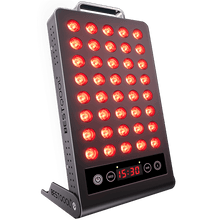
Red light therapy, often called photobiomodulation or low‑level light therapy, uses specific wavelengths of visible red and sometimes near‑infrared light, usually in the range of roughly 630 to 850 nanometers. Devices include LED masks, handheld wands, flexible panels, and full‑body beds.
Research summarized by organizations such as Cleveland Clinic, Stanford Medicine, UCLA Health, WebMD, and academic reviews in PubMed Central points to a common mechanism. Mitochondria—the energy centers in your cells—absorb these wavelengths through enzymes like cytochrome c oxidase. That absorption can increase cellular energy (ATP), shift the redox balance toward repair, and trigger pathways that:
- Stimulate fibroblasts to produce more collagen and elastin
- Improve local blood flow and oxygen delivery
- Reduce excessive inflammation and oxidative stress
For skin, that often translates into subtle but real improvements in wrinkles and fine lines, firmness, texture, and overall quality. A clinical study published in PubMed Central, using a 630‑nanometer LED mask (the Skin Light Dior × Lucibel mask) twice per week for three months, found progressive reductions in wrinkle depth and sagging, along with measurable improvements in dermal density and complexion homogeneity. Importantly, those benefits persisted for at least a month after treatment stopped, suggesting structural changes rather than a temporary plumping effect.
Equally important is what red light therapy is not. It does not emit ultraviolet (UV) radiation, does not burn the skin, and does not work by intentionally damaging tissue the way some lasers or strong peels do. Medical centers such as Cleveland Clinic and UCLA Health emphasize that red light therapy is noninvasive, generally low risk when used correctly, and clearly different from tanning technologies.

How Skin Becomes Uneven: Melanin, Inflammation, And Visible Light
To understand how red light therapy might influence skin tone, you first need to see why tone becomes uneven.
Hyperpigmentation arises when melanocytes overproduce melanin or when that pigment is unevenly distributed. According to pigment‑focused overviews from brands like HigherDOSE, Joovv, and Project EBeauty, common triggers include hormones (for example pregnancy or oral contraceptives), certain medications, adrenal or thyroid disorders, vitamin B12 or folate deficiency, chronic sun exposure, and any inflammation in the skin such as acne, eczema, burns, or harsh procedures. Alcohol use, aging, and lifestyle factors that increase oxidative stress can also worsen blotchy pigmentation.
Visible light itself is part of the picture. A dermatology review on melanocyte biology and visible light notes that shorter visible wavelengths such as blue and green can worsen hyperpigmentation, especially in darker phototypes. These wavelengths can generate reactive oxygen species and upregulate pigment‑producing pathways, leading to immediate and persistent darkening. That is one reason why modern photoprotection discussions increasingly extend beyond UV into the visible spectrum.
Red light is different. Longer visible wavelengths such as yellow and red, in controlled low doses, appear to increase antioxidant defenses, reduce matrix‑degrading enzymes, and promote collagen synthesis. Instead of driving pigment production, they are more often associated with anti‑aging and repair. That distinction—between shorter visible light, which can be pigment‑aggravating, and red light, which tends to be restorative—is crucial when you are evaluating whether red light therapy will help or hurt your skin tone.
Will Red Light Therapy Tan You Or Change Your Base Skin Color?
This is one of the most common questions I hear from clients with all skin tones. The answer, supported consistently by multiple sources including Infraredi, Maysama, Solawave, Resync, and WebMD, is no. Red light therapy does not tan your skin and does not substitute for UV‑based tanning methods.
Tanning is your skin’s defensive response to UV damage. When UV rays from the sun or tanning beds hit your skin, they cause DNA damage and oxidative stress. To protect deeper cells, melanocytes ramp up melanin production and redistribute pigment, which makes your skin look darker. Dermatology and photobiology texts are very clear: a tan is a sign of damage, not health.
Red light therapy devices operate in a different band of the spectrum. They use red and near‑infrared light with no UV component. Because there is no UV, they do not trigger the melanin cascade required for a tan. Clinics and device makers consistently note that even frequent red light sessions will not produce a traditional tan or permanent color change.
What many people do notice is a temporary “glow” or subtle rosy brightness after treatment. Articles from brands such as Infraredi, Maysama, and Solawave describe this as a sign of increased circulation and oxygenation, not an increase in melanin. That glow can make skin look more radiant or slightly “golden” for a short time, but it is more akin to the flush you get after exercise than to a UV‑induced tan.
How Red Light Therapy May Improve Uneven Skin Tone
Even though red light does not change your fundamental skin color or create a tan, there is growing evidence that it can help even out tone and support hyperpigmentation treatment in several ways.
Supporting Collagen And Dermal Structure
Loss of collagen and elastin contributes to textural roughness, enlarged pores, and the way dark spots appear on the skin surface. Reviews from Mito Red Light, Cleveland Clinic, and Stanford Medicine emphasize that fibroblasts respond robustly to red light by increasing collagen production and improving extracellular matrix quality.
The clinical trial using the Dior × Lucibel red LED mask is a good example of how this plays out. Participants used a 630‑nanometer mask twice weekly for 12 minutes over three months. Measurements showed:
- Progressive decreases in crow’s‑feet wrinkle depth, reaching about 38 percent reduction at three months
- Increased dermal density approaching roughly 48 percent
- Significant reductions in pore diameter and skin roughness
- A more than 30 percent improvement in complexion homogeneity after two months, with further gains by three months
Those improvements persisted for at least 28 days after treatments stopped. Although this study focused on anti‑aging signs broadly, the documented increase in tone homogeneity is directly relevant to uneven complexion.
Calming Inflammation And Post‑Inflammatory Marks
Inflammation is a major driver of blotchy tone, especially in acne‑prone or reactive skin. Sources such as Joovv, Mito Red Light, West Dermatology, Solawave, and UCLA Health highlight red light’s anti‑inflammatory effects. By modulating mitochondrial pathways and reducing excessive reactive oxygen species, red light helps quiet chronic inflammation and allows damaged tissue to move into a more constructive healing phase.
For acne‑related discoloration, this matters in two ways. Blue light or photodynamic therapies may target acne‑causing bacteria and oil glands more directly, while red light supports the healing environment, reduces redness, and helps limit the intensity and duration of post‑inflammatory hyperpigmentation. Clinical acne studies cited by UCLA Health reported decreased oil production and improvement in lesions after red light series, with no significant adverse effects.
Influencing Melanocytes Indirectly
Most of the evidence suggests red wavelengths in the mid‑600s do not stimulate melanin production. In fact, pigment specialists like Cherie Callahan, quoted by Joovv, consider red light a “must” component of hyperpigmentation protocols because it supports healing without driving pigment. She reports that adding full‑body red light to comprehensive treatment plans often reduces visible hyperpigmentation and helps restore a more normal pigment balance.
At the same time, some laboratory data on near‑infrared wavelengths are mixed. Certain studies show near‑infrared light around 830 to 850 nanometers can inhibit tyrosinase and reduce melanin synthesis, while others find that near‑infrared can stimulate melanocytes in ways that help repigment vitiligo. That duality may explain occasional reports of increased pigmentation when near‑infrared is first introduced. Because of this, some practitioners prefer red‑only wavelengths when treating hyperpigmentation, especially in deeper skin tones.
Synergy With Other Tone‑Targeted Modalities
Red light therapy is rarely used alone by dermatology professionals. Joovv, HigherDOSE, Project EBeauty, and West Dermatology all emphasize combining red light with pigment inhibitors, vitamin C, gentle chemical exfoliants, and diligent sunscreen use. Vitamin C around 20 percent concentration is frequently described as a cornerstone because it both brightens and inhibits tyrosinase, the key enzyme in melanin synthesis.
Green light at around 520 nanometers can also play a direct role in melanin regulation. Project EBeauty notes that green light absorbed in the upper epidermis helps decrease melanocyte activity and melanin formation, while red light strengthens deeper dermal support. Used together, green plus red LED therapy can attack hyperpigmentation from multiple angles: less melanin made at the surface, healthier structure and repair underneath. Red light alone still supports tone by improving texture, circulation, and healing, but combined protocols may work faster for stubborn dark spots.
Effects Across Different Skin Tones
A crucial question for people with medium to deep complexions is whether red light therapy will worsen hyperpigmentation. Dermatology experts and clinical data offer some reassurance, with a few important caveats.
A researcher cited in a SELF magazine article describes an NIH‑funded study that evaluated red light therapy across different skin types. With short treatment times of 30 minutes or less, the study did not find increased redness or hyperpigmentation in any skin type. Devices used properly within recommended durations appeared safe for lighter and darker tones alike.
A separate visible‑light mask trial in PubMed Central specifically designed its dose and wavelength to make the mask usable across darker phototypes, emphasizing that pure red light without near‑infrared heat allowed inclusion of Fitzpatrick types V and VI without pigmentation problems. Clinical and aesthetic practices highlighted by brands like Luminous Skin Lab and West Dermatology also report that red light is generally safe across all tones, noting its usefulness for post‑acne marks and dullness in deeper skin.
That said, several sources emphasize context. Foreo’s safety overview points out that on darker skin or in melasma‑prone individuals, overheating or aggressive protocols—not red light itself—may still provoke pigment changes. San Lueur cautions that blue light in particular can temporarily worsen pigmentation in people with freckles or medium skin types, and suggests following blue light immediately with red plus near‑infrared to mitigate that risk.
In my own work guiding clients, especially those with richly pigmented skin, we approach red light as a supportive tool rather than a bleaching treatment. We monitor closely for any unexpected darkening, avoid stacking strong heat or peels with aggressive light doses, and always keep UV and blue light protection in place with broad‑spectrum sunscreen and appropriate shade.

Pros And Cons Of Red Light Therapy For Skin Tone
When you filter out the hype and focus on what credible sources and clinical data actually show, a balanced picture emerges.
On the benefit side, red light therapy offers a way to support more even skin tone indirectly by strengthening the underlying skin architecture, calming inflammation, and enhancing repair. Clinical studies such as the Dior × Lucibel mask trial demonstrate statistically significant improvements in complexion homogeneity along with better firmness and reduced roughness. Reviews from Cleveland Clinic, UCLA Health, and WebMD note improvements in wrinkles, scars, and sun damage, all of which influence how evenly your tone appears.
Red light therapy is also inherently gentle compared with many pigment‑targeting procedures. It uses non‑ionizing, low‑energy light with no UV; it does not deliberately injure the epidermis. Foreo, West Dermatology, and major health systems describe side effects as usually mild and transient—temporary redness, warmth, tightness, or occasional dryness—when devices are used as directed. That makes it especially appealing for people who cannot tolerate harsh peels, ablative lasers, or high‑strength topical acids.
For people with acne, rosacea, or other inflammatory conditions, the anti‑inflammatory and circulation‑boosting effects can have an additional tone‑balancing effect. Less inflammation means fewer bright red marks in fair skin and fewer deep, lingering dark patches in deeper tones.
On the limitation side, red light therapy is not a pigment eraser and not a cure‑all. Cleveland Clinic, Stanford Medicine, UCLA Health, Brown Health, and WebMD all emphasize that while results are promising in many small studies, the evidence base remains limited. Trials are often short‑term, involve a few dozen participants, and use widely varying wavelengths, doses, and treatment schedules. That makes it hard to predict exactly how much improvement any one person will see or to declare an “optimal” protocol.
Results also depend heavily on the device and your consistency. Home devices are almost always less powerful than in‑office systems, which means you may need more frequent or longer sessions for modest changes. Health systems like Brown Health, UCLA Health, and WebMD point out that multiple sessions per week for weeks to months are typical, and that effects tend to diminish once treatment stops.
There are also practical downsides. Time and cost add up, whether you are paying per session in a clinic or investing in a higher‑quality home device. Insurance generally does not cover cosmetic uses such as tone evening or anti‑aging; coverage is usually limited to specific medical indications like certain precancerous lesions. And while red light therapy is low risk, it is not risk‑free: overuse can cause irritation, and anyone with photosensitive conditions, a history of skin cancer, or suspicious lesions should involve a dermatologist before starting.

Practical Guidance: Using Red Light Therapy To Support A More Even Tone
If you decide to explore red light therapy for skin tone, treating it as one part of a broader, evidence‑aware routine is the safest and most effective approach.
Most reputable sources and clinical protocols converge on brief, regular sessions rather than marathon treatments. Device makers and dermatology practices commonly recommend sessions in the range of about 10 to 20 minutes, several times per week. The clinical trial with the Dior × Lucibel mask used 12‑minute sessions twice weekly, spaced 72 hours apart, and still produced meaningful anti‑aging and tone‑related changes over three months. Articles from West Dermatology, HigherDOSE, and Brown Health reinforce this pattern of short, consistent use.
A reasonable starting pattern for many people, echoed by Luminous Skin Lab and wellness‑oriented brands, is to begin with two or three sessions per week at the manufacturer’s recommended duration. If your skin tolerates this well for several weeks, you can gradually increase the frequency toward three to five sessions per week, still keeping each session within the device’s timing guidelines. More is not always better, and the Arndt‑Schulz dose‑response principle described in photobiomodulation research suggests that too little light does nothing while too much can actually inhibit beneficial responses.
Before each session, cleanse gently and remove makeup or heavy occlusives so light can reach your skin. Most sources suggest avoiding sunscreen during the actual treatment, since its job is to block light, but applying broad‑spectrum SPF afterward is essential if you will be exposed to daylight. Eye protection is a must with brighter masks and panels; Cleveland Clinic, Brown Health, and WebMD all highlight the importance of not staring directly into lights and using provided goggles.
For tone‑focused routines, pairing red light therapy with pigment‑safe skincare is where I see the best results. Many experts, including those quoted by Joovv and HigherDOSE, consider vitamin C serums and retinoids gold‑standard allies. Vitamin C helps inhibit melanin production and brighten existing spots, while retinoids accelerate cell turnover. Anti‑oxidant‑rich nutrition and lifestyle habits—such as eating berries, leafy greens, and nuts; limiting alcohol; and prioritizing sleep—also support the skin’s ability to repair.
If your main concern is stubborn melasma or deep hyperpigmentation, consultation with a dermatologist or well‑trained esthetician is particularly important. They can help you decide whether to add green light, chemical peels, prescription pigment inhibitors, or other modalities, and they can calibrate intensity carefully for your skin tone to avoid hypopigmentation or rebound darkening.
Finally, keep expectations grounded. Most people will first notice subtle changes: a softer, less sallow look, a bit more glow, or less overall redness after several sessions. Visible improvements in dark spots or blotchiness may take four to twelve weeks of consistent use, which aligns with timelines described by brands such as HigherDOSE and Luminous Skin Lab. If you do not see any change after a few months, or if you notice new darkening, it is a sign to reassess your regimen with a professional rather than simply increasing dose on your own.
Quick Comparison: UV Tanning Versus Red Light Therapy
To put red light’s effects on skin tone in context, it helps to compare it directly with UV‑driven tanning and other visible light exposures.
|
Light source or therapy |
Primary wavelengths and targets |
Effect on melanin and tone |
Main risks for skin tone |
|
Sun or tanning beds |
UVB for sunburn and UV‑induced DNA damage; UVA for deeper photoaging |
Strongly stimulates melanin as a defense, causing tanning and sometimes mottled hyperpigmentation |
Sunburn, DNA damage, photoaging, high risk of dark spots and skin cancer |
|
Blue and green visible light (high doses) |
Shorter visible wavelengths absorbed by melanin and opsins |
Can drive immediate and persistent darkening, especially in darker tones, and may worsen melasma |
Long‑lasting hyperpigmentation, oxidative stress, sometimes more intense pigment than UVA1 in deep skin |
|
Red light therapy (photobiomodulation) |
Red and sometimes near‑infrared; targets mitochondria and fibroblasts |
Does not tan; supports collagen, circulation, and repair; may gradually improve tone homogeneity and reduce visible discoloration when combined with other care |
Low risk of pigment change if dosed correctly; potential irritation or worsening in sensitive or melasma‑prone skin if overheated or overused |

Short FAQ
Can red light therapy make hyperpigmentation or melasma worse?
With proper dosing and device selection, most evidence suggests red wavelengths in the mid‑600s are unlikely to worsen hyperpigmentation and may help when combined with pigment inhibitors and sun protection. However, some near‑infrared wavelengths and excessive heat can aggravate pigmentation in sensitive or darker skin, which is why professionals often favor red‑only settings for melasma and always pair light treatments with strict UV and visible‑light protection.
How long does it take to see changes in skin tone with red light therapy?
Clinical and anecdotal reports suggest that people may notice a mild glow or relaxation after early sessions, with more visible improvements in texture and tone homogeneity over four to twelve weeks of consistent use. In the Dior × Lucibel mask study, complexion homogeneity improved significantly after two months and continued to improve at three months, with benefits lasting at least a month after stopping treatment.
Do I still need sunscreen if I am using red light therapy for my skin tone?
Yes, absolutely. Red light does not replace sun protection. Because UV and shorter visible wavelengths are major drivers of hyperpigmentation and photoaging, daily broad‑spectrum sunscreen of at least SPF 30, reapplied as needed, remains essential. Many hyperpigmentation protocols described by HigherDOSE, Joovv, and medical centers explicitly pair red light with diligent sunscreen use and supportive topicals for best tone results.
Red light therapy is not a magic wand, but used wisely, it can become a powerful ally for healthier, more even skin tone at home. When you ground your approach in evidence, respect your skin’s unique history and color, and combine light with smart skincare and protection, you give your complexion the chance to look more like itself—just calmer, clearer, and more luminous.
References
- https://pmc.ncbi.nlm.nih.gov/articles/PMC10311288/
- https://med.stanford.edu/news/insights/2025/02/red-light-therapy-skin-hair-medical-clinics.html
- https://www.brownhealth.org/be-well/red-light-therapy-benefits-safety-and-things-know
- https://my.clevelandclinic.org/health/articles/22114-red-light-therapy
- https://www.uclahealth.org/news/article/5-health-benefits-red-light-therapy
- https://www.aad.org/public/cosmetic/safety/red-light-therapy
- https://www.uhhospitals.org/blog/articles/2025/06/what-you-should-know-about-red-light-therapy
- https://www.foreo.com/mysa/red-light-therapy-danger-rtl?srsltid=AfmBOoqhnGnkqybNHpOwtOIVkJjwyZXvKuJF9rLnAn2Y_jkwpNAMWM2o
- https://www.healthline.com/health/red-light-therapy
- https://www.medicalnewstoday.com/articles/325884


 Small
Small

 Moderate

 Moderate

 Moderate

 Full
Full

