

The most productive way to use red light therapy at home is to make it a short, repeatable ritual rather than a separate wellness event. Keep sessions brief, tie them to breaks you already take, and time them based on whether the light feels energizing or calming.
Do your work-from-home days blur into a loop of screen glare, stiff shoulders, and skipped recovery habits because everything feels like one long shift? The good news is that home red light therapy is usually used in short sessions, and several clinical and medical sources describe benefits as coming from steady use over weeks and months rather than marathon treatments. You can build a routine that supports skin, comfort, or recovery without turning your calendar into another wellness chore.
Why red light therapy fits a home workday
Red light therapy is a noninvasive light-based practice, often called photobiomodulation, that uses red or near-infrared wavelengths to influence cellular activity. In plain terms, red light is generally used for more surface-level goals such as skin appearance, while near-infrared is commonly used when people are targeting deeper tissues like muscles and joints.
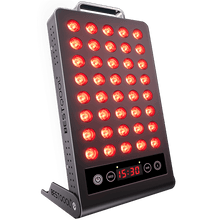
What makes it workable for remote professionals is the format. At-home devices come as masks, handheld units, and panels, and many sessions fall in the 5- to 20-minute range when used correctly, as described in the 5- to 20-minute session range and other clinical education sources. That is short enough to fit before your first meeting, during lunch, or at the end of the day without cutting into focused work blocks.
In real home routines, the people who stay consistent usually do one thing right: they stop treating red light therapy like a big event. They give it a fixed place in the day, much like coffee, stretching, or shutting down email.
The rule that protects productivity: consistency over intensity
Consistency over intensity is one of the most repeated themes across the research notes. That matters for productivity because it means you do not need long, frequent, disruptive sessions to make the routine worthwhile. You need a schedule you can actually keep.
Several sources place common home use at two to five sessions per week for about 10 to 20 minutes, depending on the goal and device. No universal dosing rules notes that there are no universal dosing standards, which is why following device instructions matters more than guessing. Clinical sources make a similar point: this is usually an ongoing practice, not a one-time fix.
That uncertainty matters. Red light therapy has some legitimate support, especially for selected skin concerns and hair growth, but it is not a cure-all. Some medical experts are especially clear that evidence is stronger for certain dermatology uses than for broad claims about sleep, sports performance, or general energy. For a work-from-home routine, that means your plan should stay modest, targeted, and measurable.
How to choose the best time in your work-from-home day
The best time is not the most impressive time. It is the one you can repeat without derailing work.
Morning use for habit consistency
If your mornings tend to be reactive, a short session before you open email or chat can work well. Morning sessions may feel more alerting for some people, and they are often easier to protect because the day has not yet fragmented. This is especially useful if your main challenge is that wellness habits disappear once meetings start.
A simple example is a 10-minute session while reviewing your calendar, planning your top three tasks, or drinking water before logging on. That keeps the therapy inside a transition you already have instead of adding a new block you will eventually skip.
Midday use for movement and recovery breaks
If your workday causes physical stiffness, a midday session can anchor the break you should already be taking. Short sessions are commonly paired with clean skin, the correct distance, and a defined body area, which makes them practical for a lunch break or the gap between calls.
For example, if you use a panel for upper-back or shoulder comfort, you might combine it with a 15-minute break that includes light mobility and water. The productivity benefit is indirect but real: the session becomes a guardrail against working four straight hours without moving.
Evening use when you want a calming ritual
Some people find light therapy relaxing, while others find it activating. If a device feels energizing, using it at least 2 hours before bedtime is a practical rule for remote workers who are already fighting the feeling that they never left work.
If evening is your only reliable time, keep it early enough that it does not interfere with sleep and pair it with the start of your shutdown routine, not with late-night laptop use.
A practical schedule that does not interrupt deep work

A workable starter routine usually looks boring, and that is a good sign. Beginners often do best starting at three to four sessions per week, then adjusting based on response, device guidance, and goal.
Work-from-home goal |
Best routine style |
Typical home pattern |
Productivity advantage |
Main caution |
Skin maintenance |
Morning or evening anchor |
Often two to three times weekly, sometimes more depending on tolerance and device |
Easy to attach to skin care |
Do not overdo session length |
Muscle or joint recovery |
Midday or post-work anchor |
Often three to five times weekly |
Reinforces movement breaks |
Deeper goals may need near-infrared and correct distance |
General wellness habit |
Fixed repeatable slot |
Often three to four times weekly |
Prevents “I’ll do it later” drift |
Benefits are gradual, not immediate |
For someone working 9:00 AM to 5:00 PM from home, one realistic pattern is Monday, Wednesday, and Friday at 8:30 AM for 10 minutes, plus Sunday evening as a catch-up or recovery session. Another is Tuesday, Thursday, and Saturday during a lunch break. Both protect focus better than daily random use because they remove decision fatigue.
How to set up sessions so they stay efficient
At-home devices are typically less powerful than clinic systems, so home use usually depends more on patience and correct setup than on brute force. That is why efficiency starts before the light turns on.
Use the device where you already spend time, but not where it encourages multitasking that breaks posture or attention. A panel near your desk can work if the session happens during a planned break, but it is less useful if it turns into half-working, half-fidgeting, and ignoring distance guidance. Expose bare skin on the treatment area, since makeup, sunscreen, and clothing can block enough light to reduce the point of the session.
It also helps to keep the ritual friction low. Leave the device in a ready spot, decide the time in advance, and track sessions in the same place you track workouts or habits. If your setup takes 10 minutes to assemble for a 10-minute session, you probably will not stay consistent.
What to avoid if you do not want the routine to backfire
The biggest productivity mistake is turning red light therapy into procrastination with a wellness label. More time is not automatically better. Longer-than-recommended sessions are unlikely to speed results and may increase the risk of irritation or other problems, especially with faulty devices or if you fall asleep during treatment.
The second mistake is expecting broad benefits that the evidence does not firmly support. Some medical sources describe real promise, but also clear dosing gaps and heavy variation between devices. If your goal is better-looking skin, a little more consistency may make sense. If your goal is to fix all your work-from-home fatigue, the plan is too vague to evaluate.
The third mistake is skipping basic safety. Protect your eyes if your device requires it, follow manufacturer instructions on distance and duration, and talk to a clinician first if you take photosensitizing medication, have a light-sensitive condition, are pregnant, or have an active medical issue. Choosing devices intended for your target area and preferring FDA-cleared products over vague marketing labels are both widely emphasized.
How to tell whether the routine is helping
Red light therapy is a poor fit for people who refuse to track anything, because the changes can be gradual. Results often take weeks rather than days, and some skin-related protocols may take months of repeated use.
That means your tracking should be simple and work-relevant. If your goal is skin appearance, take one photo in the same lighting every two weeks. If your goal is muscle comfort from desk work, note whether your afternoon stiffness is improving and whether you are taking fewer “I need to stand up right now” breaks. If nothing is changing after a fair trial, the protocol, device, or goal may be mismatched.
A sensible review point is after two to four weeks for early habit compliance and after four to eight weeks for visible or noticeable changes. That is long enough to be honest, but short enough to stop wasting time on a routine that is not earning its place.
The productive way to think about red light therapy
The most useful mindset is that red light therapy is a support tool, not the foundation of your health routine. Basic skin care, sleep, hydration, and sun protection still matter, and if you are using the light for recovery, regular movement and workstation habits still carry most of the load.
When it fits your work-from-home schedule, it should feel almost boring: short sessions, consistent timing, clear purpose, and no spillover into your best work hours. That is usually when people stop losing productivity and start getting whatever benefit their device and goal can realistically deliver.


 Small
Small

 Moderate

 Moderate

 Moderate

 Full
Full

