

Red light has a mysterious pull. It shows up in cozy wine bars, on movie posters, in candlelit restaurants, and more recently in at‑home red light therapy devices. If you are wondering whether red light can create a genuinely warm, soothing atmosphere in your home—and not just a dramatic one—you are asking exactly the right question.
As a red light wellness specialist, I spend a lot of time helping people balance two goals: making their homes feel emotionally warm and safe, and supporting their body’s natural rhythms, especially in the evening. Red light can help with both, but only when you understand how it works and where it can backfire.
In this article, we will look at what research says about color and lighting, how red light actually affects mood and sleep, and how to use red and red‑leaning light at home in practical, realistic ways.
Why Color and Light Change How Your Home Feels
Interior designers have long treated color as a psychological tool rather than just decoration. Research summarized by psychology and design sources such as Insights Psychology and Italdoors shows that color is not just “pretty”; it measurably influences heart rate, blood pressure, hormones, and emotional tone.
Warm colors like red, orange, and yellow tend to feel stimulating and social. They are associated with passion, power, enthusiasm, and conversation. Cool colors such as blue and green are linked with calm, focus, and balance. Neutrals like white, brown, gray, and black create a stabilizing backdrop and can either soften or sharpen the emotional impact of the bright colors layered on top.
Lighting adds a second powerful layer. Studies on interior lighting and mood, including work highlighted by Epcon Communities and Psychology Today, show that the same wall color can feel completely different under a soft warm lamp versus a harsh cool overhead light. Natural daylight generally improves mood and cognitive performance. Artificial lighting can either support that natural rhythm or fight against it.
This means that when you ask, “Will red light make my home feel warm?” you are really asking about the interaction between three things: the color red itself, the quality and direction of the light, and the surfaces and layout it falls on.
What Science Says About Red Light and Mood
Red as a Color: Powerful, Energizing, and Easy to Overdo
Across psychology and design research, red is consistently described as one of the most intense colors in the spectrum. Insights Psychology notes that red is tied to energy, excitement, passion, and danger. It grabs attention quickly and can even stimulate the body, raising heart rate and adrenaline. Lighting and color specialists such as Flexfire LEDs note that red light tends to heighten alertness and emotional intensity and can lead to more rapid, impulsive decisions.
Interior design writers from Homes & Gardens, Houseof, and similar sources all echo a similar message: red is life‑enhancing and vivid, but success depends on using it thoughtfully. Designers often compare it to seasoning in cooking. A little can transform a space; too much can overwhelm.
Research on room colors summarized by Italdoors and other interior psychology sources found that red, especially in large saturated areas, can make spaces feel more restless and can even contribute to agitation if overused. That is why bright reds are usually recommended as accents in bedrooms rather than wall‑to‑wall color.
In other words, red has real emotional power, but that power does not automatically translate to calm. Whether it feels cozy or chaotic depends heavily on context, amount, and lighting.
Red Environments in Experiments: A Double‑Edged Sword
To understand how red actually changes mood in a controlled setting, it helps to look at experimental research.
One PubMed Central study examined how wall colors (white, red, blue) and lighting color temperature (warm white around 3000K and cool white around 6500K) together influenced mood and visual comfort in simulated office spaces. Participants spent extended time in booths with red, white, or blue walls under different white light conditions. In the red‑walled booths, they reported higher tension, anger, depression, and anxiety, along with lower visual comfort, perceived brightness, attractiveness, and calmness, compared with white environments. Blue walls reduced brightness but were seen as more attractive than white, and the combination of white walls with warm light or blue walls with cool light was generally preferred for comfort and mood.
Another PubMed Central study looked directly at colored lights—red, blue, green, and yellow—rather than wall colors. Participants sat in a darkened lab and viewed images while the ambient light color changed. Mood was measured using well‑validated scales. Red light produced the strongest mood shifts overall. It significantly changed feelings such as calmness, irritation, relaxation, nervousness, stability, and pleasure. The pattern reported by the authors was that red light tended to reduce calm, relaxation, stability, and pleasure and increase irritated and nervous feelings. Blue light also shifted mood, particularly irritation and relaxation, while green and yellow had more limited, gentler effects.
Together, these studies suggest that red—whether as a wall color or ambient light—does not behave like a universally “relaxing” cue in the lab. Instead, it acts like an emotional amplifier. It intensifies experience, which can be useful in social, creative, or statement spaces, but risks feeling agitating if you are aiming for deep rest.
Amber vs Red: What Calms the Nervous System?
The Color Lab at the University of California, Davis took the question of calming light a step further. In collaboration between a lighting technology center and a neuroscience lab, researchers induced stress with a standardized test and then exposed participants to different ambient light colors: white, amber, red, green, and blue. They measured brain activity, cortisol (a key stress hormone), and self‑reported feelings.
Across about 30 people in a pilot and roughly 100 in a larger follow‑up, amber light—not red—came out as the most relaxing. Amber produced the fastest and greatest stress reduction in both physiological markers and subjective reports when compared with white light. Red, green, and blue did not provide extra soothing benefits and could even slow stress recovery.
Researchers hypothesize that amber may resonate with familiar natural cues such as sunset or campfire light, which, over a lifetime, our brains learn to associate with safety and winding down.
For a warm home atmosphere, this matters. It suggests that if your goal is pure relaxation, amber or soft orange light may be more reliable than a saturated theatrical red.
Red, Blue, and Your Circadian Rhythm
Mood is only part of the story. Your brain also uses light color to regulate the circadian rhythm, the internal clock that steers melatonin, cortisol, alertness, and sleep.
According to technical guidance summarized by lighting manufacturers and sources such as TCPI, blue‑rich light suppresses melatonin and signals daytime to your brain. This is helpful in the morning or during focused work, but it can disrupt sleep when you are exposed to it late in the evening, especially from screens or cool white overhead lighting. Red light appears to have almost the opposite effect: it does not strongly suppress melatonin and may even allow melatonin to rise, helping the body prepare for sleep.
Consumer‑facing articles about red light bulbs, such as those from wellness‑oriented lighting brands, build on this physiology by recommending red bulbs in the evening and night, particularly in bedrooms. They highlight red’s long wavelength and low stimulation to the circadian system and frame it as a gentler alternative to blue‑heavy light. The same pieces often describe red light as calming and suggest that it may support the production of feel‑good neurotransmitters like serotonin and dopamine, though they also acknowledge that research in these areas is still emerging.
Taken together, the circadian evidence and mood experiments tell us something nuanced. Red light is not always psychologically relaxing, but it does interfere less with sleep hormones than blue light. That makes it a candidate for night‑time lighting, especially if we shape it carefully to feel cozy rather than intense.
Red Light in Real Homes: Atmosphere Versus Therapy
When people talk about “red light” at home, they can mean several different things, each with its own emotional impact.
One category is decorative red lighting: red‑tinted bulbs, red lampshades, and red panel lights integrated into ceilings or walls. Articles from lighting and decor brands describe red panel lights as a growing trend in living rooms, bedrooms, and dining areas. These fixtures provide both illumination and a visual pop of color. They are described as adding warmth, ambiance, and sophistication, but the same sources warn that because red is so intense, it should be used in moderation and balanced with neutral or softer hues to avoid feelings of aggression or discomfort.
Another category is architectural red lamps and smart systems. Commentary collected by CliffsNotes notes that red lamps have long had cultural meanings—romance, nightlife, mystery—and modern systems now allow fine‑tuning of intensity and saturation. Smart LEDs can shift from a subtle warm red for winding down to a brighter, more vivid red for parties or accent lighting, all within the same fixture.
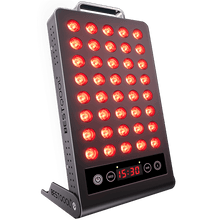
The third category is red light therapy devices—panels, masks, or bulbs marketed for skin health, pain relief, and recovery. Summaries from wellness brands describe how longer‑wavelength red light can penetrate the skin, potentially supporting collagen production, reducing inflammation, and easing pain. These claims echo early research directions in photobiomodulation, but the consumer articles themselves usually do not provide detailed clinical data. From an evidence‑based perspective, it is reasonable to say that red light therapy is a promising field in which some benefits have been reported, but protocols and home‑use guidelines are still evolving. Using red light purely for ambiance is different from following a medically supervised treatment plan.
In practice, most people who ask about red light for atmosphere are really interested in the first two categories: how to use red‑tinted bulbs, lamps, and panels to make rooms feel cozy, inviting, and maybe a bit special, without disturbing sleep or making the space feel like a nightclub. That is where design psychology and circadian science come together.

Can Red Light Actually Feel Warm and Cozy?
The short answer is yes, red and red‑leaning light can absolutely feel warm and nurturing at home—if you stay intentional about shade, brightness, placement, and how much red you use relative to everything else in the room.
Home lighting articles from Skapetze, Vonn, and others emphasize that warm light colors (reds, oranges, yellows) are naturally associated with comfort, intimacy, and relaxation. These tones mimic sunset and firelight, naturally suggesting that it is time to slow down. Amber and orange in particular are repeatedly described as ideal for living rooms and bedrooms, where you want a sense of safety and softness.
At the same time, color psychology sources caution that intense red can easily flip from cozy to overwhelming. Studies show it raises physiological arousal and can increase feelings of tension or irritation when dominant. The colored‑light experiments in the lab echo this by showing that red light produces larger swings in mood, not always in a positive direction.
So what does this mean in your living room or bedroom? On a practical level, it means that gentle, dim, amber‑to‑soft‑red light in the evening is very different from saturating a space in bright crimson. One can feel like a campfire; the other can feel like an alarm.

Practical Design Principles for Using Red Light at Home
Think “Red‑Amber Spectrum,” Not Pure Neon Red
From a wellness standpoint, it is helpful to think in terms of a warm spectrum that runs from soft amber through orange into muted red, rather than aiming for the purest theatrical red you can find. The UC Davis Color Lab work suggests amber is especially effective for helping the nervous system recover from stress. Flexfire LEDs highlight amber and orange light as uniquely gentle on the circadian system, with minimal melatonin disruption. Skapetze and other design sources similarly recommend warm hues around lower Kelvin values for pre‑sleep environments.
In real rooms, this can look like a bedside lamp with an amber or warm red shade and a low‑Kelvin bulb, a dimmable sconce that shifts toward orange in the evening, or a red‑glass lamp that casts a soft, diffuse glow. The goal is to evoke warmth and safety, not theatrical intensity.
Use Red Light Where Color Accuracy Is Less Critical
Psychology Today cautions against heavily tinted bulbs as primary lighting because they distort colors and can make skin tones look unpleasant. For makeup application, cooking, or any task that requires seeing colors accurately, neutral white or warm white light is still your friend.
Red or amber light is better reserved for zones where color accuracy matters less and emotional tone matters more. Examples include a reading nook in the evening, a meditation corner, a late‑night path light to the bathroom, a quiet seating area in the bedroom, or accent lighting behind a television or bookshelf.
In these locations, a soft red or amber glow can create a cocooning effect without interfering with functional tasks.
Blend Red with Neutrals and Natural Materials
Interior design sources that focus on “unexpected red” accents, including several design blogs, stress that red looks most inviting when it is anchored by calmer surroundings. Think of a crimson lamp base on a wood side table next to a beige sofa, or a soft red panel light washing over a terracotta wall and natural linen curtains.
Design psychology research recommends pairing warmer reds with earthy neutrals and even some greens to create balance and avoid visual chaos. Deep, muted reds are often more restful than primary fire‑engine red. Texture helps too; a red velvet lampshade reads very differently from a glossy plastic one.
When you combine a warm, dim red or amber light with natural textures like wood, woven fabrics, and soft rugs, the total effect is much more likely to feel like a retreat than a performance stage.
Make Red Part of a Layered Lighting Plan
Evidence‑based lighting guidance from sources like Vonn and Epcon Communities emphasizes layered lighting: ambient, task, and accent sources that can be adjusted depending on time of day and activity. That same approach works beautifully when you introduce red or amber.
Instead of relying solely on a red bulb in the ceiling, consider pairing a neutral or warm white overhead light with one or two red‑tinted lamps on dimmers. During the day, you rely on daylight and neutral light for clarity. In the early evening, you blend warmer white light with a little red or amber. Later at night, you turn off the brighter sources and let the red or amber lamps take over.
This layering supports both your mood and your circadian rhythm. Bright, cooler light when you need to be alert; soft, warm light when you are winding down.
Pros and Cons of Red Light for a Warm Home Atmosphere
The research and design guidance can be pulled together in a simple way. Red or red‑amber light has clear strengths and clear limitations.
Aspect |
Potential benefits of red / amber light |
Potential drawbacks and cautions |
Mood and atmosphere |
Warm hues evoke energy, passion, and intimacy; amber and soft red can feel cozy and cocooning, especially when dimmed. |
Strong red can increase tension, irritation, or nervousness in some people, especially when very bright or dominant. |
Sleep and circadian rhythm |
Red and amber light do not strongly suppress melatonin and may support the body’s transition to sleep compared with blue‑rich light. |
If used too brightly, or combined with stimulating activities, red light alone will not guarantee good sleep; sleep hygiene still matters. |
Stress recovery |
Amber lighting has been shown in lab studies to speed stress recovery compared with white light, and red does not disrupt melatonin. |
Experimental data suggest red is not the most reliably calming color in acute stress; amber appears more soothing overall. |
Visual comfort |
Soft, low‑intensity red or amber lamps reduce glare and create gentle contrast, which can feel restful to the eyes. |
Strongly tinted light distorts colors and skin tones, and is not ideal for tasks that require accurate color judgment. |
Wellness and therapy aims |
Consumer and early research reports link red light to potential benefits for skin health, pain, and inflammation when used in controlled doses. |
At‑home therapy devices require thoughtful use; decorative red bulbs are not equivalent to medical‑grade treatment and should not replace professional care. |
This table mirrors what many people experience intuitively. Red and amber can absolutely make a home feel warmer and more nurturing, but they are most effective when they are soft, dimmable, and part of a balanced plan rather than the only lighting you rely on.
Putting It All Together: How to Use Red Light Wisely
When I am helping someone rework their evening lighting, I rarely start with a pure red ceiling bulb. Instead, I look at the rooms where they want to feel safest and most at ease—often the bedroom and the main living space—and work backward from how they want to feel at different times of the evening.
If someone wants a living room that transitions from active family time to quiet reading, we might keep neutral or warm white lighting for earlier hours, then introduce a single red or amber floor lamp near the sofa as the sun goes down, gradually dimming other fixtures. If they want a bedroom that signals “rest” the moment they walk in, a red‑glass bedside lamp with a very warm, low‑Kelvin bulb can provide just enough light for unwinding without blasting the room with blue.
The research suggests a few simple guidelines that most households can adapt:
Aim for gentle, not glaring. Lower brightness and softer hues matter as much as color.
Favor amber‑to‑soft‑red in evening relaxation zones. This aligns with both stress‑reduction research and circadian considerations.
Reserve strongly colored light for accent and atmosphere. Let neutral or warm white light handle tasks, cooking, grooming, and anything that demands seeing true colors.
Pay attention to your own reactions. People differ in how they respond to color and light. Culture, personality, and past experience all shape this. If a certain red lamp makes you feel uneasy, trust that and adjust.
If you are exploring red light therapy devices for skin or pain, treat them as a separate tool from mood lighting. Follow device instructions carefully, consider discussing plans with your healthcare provider, and remember that using a decorative red bulb over your couch is not the same as a structured therapeutic protocol.

Brief FAQ: Red Light and a Warm Home
Is red light actually better than blue light at night?
For sleep specifically, evidence summarized by lighting experts and technical sources indicates that blue‑rich light suppresses melatonin and keeps you alert, while red and amber light interfere much less with melatonin. That is why many circadian‑friendly lighting plans recommend minimizing blue in the hours before bed and using warmer tones instead.
Will a red bulb alone fix my sleep?
A red bulb can help reduce one kind of sleep disruption—late‑night blue light exposure—but it is not a standalone cure. Sleep quality is also shaped by stress, caffeine, schedule, screen use, and health conditions. Think of red or amber evening light as one supportive tool within a broader sleep routine.
If red light can increase tension in studies, should I avoid it altogether?
Not necessarily. The experimental settings often use single, saturated colors in controlled labs, which is different from how you might use small, dim red accents in a layered home lighting plan. The key is moderation, softness, and listening to how your own body responds. If a particular red setup feels too intense, shifting toward amber or a more muted red usually helps.
Red light can absolutely help create a warm, inviting atmosphere in your home when you work with it rather than against it. By favoring softer amber‑red tones, keeping brightness gentle, and layering red with neutral, supportive lighting, you can enjoy the visual drama and cozy glow of red while still caring for your mood, sleep, and overall well‑being.
References
- https://www.universityofcalifornia.edu/news/color-lab-uncovers-soothing-effects-light
- https://pmc.ncbi.nlm.nih.gov/articles/PMC8481791/
- https://insightspsychology.org/psychology-of-color-emotional-impact/
- https://www.flexfireleds.com/leds-psychology-light-color?srsltid=AfmBOopTwgLLQNHRpDqJ5THKd-gz1p_it17hjDdUPgL3n7chhRzZpsko
- https://www.sunglor-led.com/a-shining-bright-the-impact-of-red-panel-lights-on-home-decor.html
- https://www.bs.ge/post/the-psychology-of-color-and-lighting-creating-a-mood-enhancing-home-environment
- https://www.cliffsnotes.com/study-notes/23957834
- https://www.coohom.com/article/how-to-decorate-home-red-light-center
- https://www.homesandgardens.com/interior-design/decorating-with-red
- https://www.homestyler.com/article/how-to-use-red-in-home-decor


 Small
Small

 Moderate

 Moderate

 Moderate

 Full
Full

