


Addressing a Critical Question in Modern Wellness
Red light therapy has gained remarkable visibility over the last few years, appearing in dermatology clinics, wellness centers, gyms, and even at-home devices. However, with a device that shines light directly onto your skin, it’s understandable for users to wonder whether it carries any long-term risks.
This leads us to the most common concern: Can red light therapy cause cancer?
This article aims to provide information on how red light therapy works and whether it can cause cancer.

Is Red Light Therapy Safe for Your Body?
The short answer is yes. Red light therapy (RLT), also known as photobiomodulation, is considered safe for general use. However, it is important to understand how this therapy works and what kind of light it uses to ensure optimal efficacy and safety when using the device.
Also, every light-based treatment, including red light therapy, requires safety measures to be followed as the first consideration. Understanding this can help you make informed choices.
Understanding What Red Light Therapy Actually Is
People often assume that all light therapies work like tanning beds or sun lamps. However, that’s not the case. Red light therapy uses a specific form of light, having targeted wavelengths and, most importantly, a gentle nature. Check this link to learn more about red light and its targeted wavelengths. [1]
A Gentle and Specific Type of Light
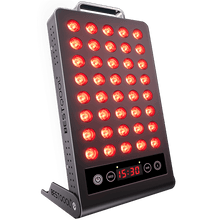
Red light therapy devices typically emit red and near-infrared light. The red light has a wavelength of around 630 to 660 nm, while that of the near infrared is around 810 to 850 nm. These wavelengths can penetrate deeper into the skin, supporting cellular function without heating or damaging tissue. Check this link to learn more about how red light therapy works. [2]
Also, unlike sunlight, RLT does not emit ultraviolet (UV) radiation, which is responsible for tanning and burning. This is why a red light panel does not produce the harmful effects associated with tanning beds. It does not darken the skin or produce heat burns.
The Key Difference Lies in the Light Spectrum
The light comprises a range of wavelengths, and each wavelength produces a unique effect on the body. They also have different energies, which play a role in determining the risk of cancers associated with them.
Not All Light Is Created Equal
Different forms of light, such as red light and UV light, vary in wavelength and energy. The light that has higher energy is more likely to damage cells and disrupt DNA, increasing the risk of cancer.
For example, the electromagnetic spectrum, including infrared light and radio waves, lying at one end of the spectrum, has low energy and long wavelengths. At the other end of the spectrum lie UV rays, X-rays, and gamma rays, which have short wavelengths and high energy.
So, red and near-infrared light lie on the low-energy side of the spectrum, while the UV light sits on the high-energy side. This difference in energies makes red light therapy a safe treatment, without the risk of cancer.
At the same time, repeated UV exposure can damage the skin cells, increasing the risk of various forms of skin cancer.
Red Light Therapy vs UV Light Exposure
Understanding the distinction between red light therapy and UV light exposure can address the fear or confusion about the potential risk of cancer and help you make safe, informed choices.
The Critical Distinction That Ensures Safety
UV light, especially UVB and UVA rays, carries a high level of energy, which enables it to facilitate a process called ionization. This means that UV light can ionize and destroy electrons in atoms and damage cellular DNA, thus triggering the development of cancer.
For the same reason, UV exposure is also linked to genetic mutations and premature aging. This is why tanning beds, which expose the skin to UV radiation, are considered high risk and carry cancer warnings.
However, red light therapy does not carry a high level of energy and hence, is safe. The wavelengths used in RLT cannot ionize molecules. This protects the cells against potential DNA damage and mutations. Red light also lacks the energy required to initiate the chemical reactions that could trigger cancer development.
Why Red Light Does Not Damage Your Cells
We have now established that red light is non-ionizing. However, what does that actually mean for your body? Let’s go a step deeper into physics and biology.
The Science of Non-Ionizing Light
Non-ionizing light, such as red and near-infrared wavelengths, cannot alter cellular DNA. These wavelengths are absorbed by mitochondria, the structures that produce cellular energy, without damaging cells. Check this link to learn the effects of red light on mitochondria. [3]
When mitochondria absorb these wavelengths, they produce more ATPs, the molecule that fuels cellular repair. This also promotes anti-inflammatory processes and regeneration. Check this link to learn more about the benefits of red light. [4]
This is why red light therapy is used for:
- Wound healing
- Reducing inflammation
- Skin rejuvenation
- Muscle recovery
These benefits of red light therapy support healthy cellular function rather than disrupting it.
Most importantly, red light does not have the high level of energy needed to break chemical bonds or alter DNA. Hence, it is not associated with cancer risk. In fact, several studies have revealed that red light might help support tissue repair in cancer survivors, especially those dealing with radiation-induced skin damage. Check this link to find out more about the anti-cancer benefits of red light. [5]

Are There Any Real Red Light Therapy Risks?
RLT is generally considered safe. However, there are still a few things to consider to ensure optimal safety and high efficacy.
Understanding the Actual Side Effects
Red light may cause some mild side effects, such as:
- Redness of the skin
- Slight warmth or tightness in the treated area
- Headaches
- Eye strain
These effects are usually short-lived and resolve on their own. Also, red and near-infrared light do not cause damage to the retina. However, staring directly into bright LEDs may sometimes cause discomfort. Hence, protecting your eyes is highly recommended, especially when using high-powered devices, to avoid eye strain.
In addition, people with photosensitive conditions or those taking medications that increase photosensitivity should consult a doctor before starting red light therapy.
Best Practices for Using Red Light Therapy Safely
Red light therapy is safest when used responsibly as recommended. The goal should be consistent exposure in moderation.
How to Ensure a Safe and Effective Session
To get the best results without unnecessary irritation:
- Start with shorter sessions of about 5 to 10 minutes per area to see how your skin responds before increasing the duration of the therapy.
- Red light devices vary in power. So, the correct distance could be 6 inches for one device and 12 inches for another. Hence, always follow the manufacturer’s guidelines for the most appropriate distance and duration.
- Use eye protection when treating the face, especially when the brightness feels uncomfortable.
- Avoid pressing your face directly against the panel.
- Listen to your body. If something feels too intense, shorten the session or increase your distance from the device.
Following these simple precautions will increase effectiveness, enhance safety, and make red light therapy an enjoyable addition to your wellness routine.
A Clear Verdict on Red Light Therapy and Cancer
The science, physics, and biological mechanisms behind how red light works lead us to a clear conclusion, supporting the safety of this therapy.
Rest Assured with Scientific Evidence
Decades of photobiology research have established that red light therapy does not cause cancer.
Red light supports cell health rather than harming it.
The wavelength of red light is non-ionizing, which means it cannot damage DNA or initiate cancer development. When used as directed and in accordance with basic safety guidelines, it is considered a low-risk, non-invasive, and highly beneficial technology for a wide variety of wellness goals.
So, if it is the cancer risk that has been holding you back from trying red light therapy, you can now feel confident knowing that science strongly supports its safety.
Check this link to learn more about red light devices and the benefits they can offer.
References:
- Heiskanen, V., & Hamblin, M. R. (2018). Photobiomodulation: lasers vs. light emitting diodes?. Photochemical & photobiological sciences: Official journal of the European Photochemistry Association and the European Society for Photobiology, 17(8), 1003–1017.
- Barolet D. (2021). Near-Infrared Light and Skin: Why Intensity Matters. Current problems in dermatology, 55, 374–384.
- Tsai, S. R., & Hamblin, M. R. (2017). Biological effects and medical applications of infrared radiation. Journal of photochemistry and photobiology. B, Biology, 170, 197–207.
- Yu, Z., Liu, N., Zhao, J., Li, Y., McCarthy, T. J., Tedford, C. E., Lo, E. H., & Wang, X. (2015). Near infrared radiation rescues mitochondrial dysfunction in cortical neurons after oxygen-glucose deprivation. Metabolic brain disease, 30(2), 491–496.
- Maruoka, Y., Wakiyama, H., Choyke, P. L., & Kobayashi, H. (2021). Near infrared photoimmunotherapy for cancers: A translational perspective. EBioMedicine, 70, 103501.


 Small
Small

 Moderate

 Moderate

 Moderate

 Full
Full

