
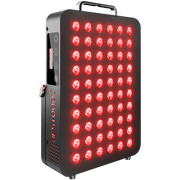

Sinus problems are among the most common health complaints worldwide. Whether you are dealing with seasonal allergies, chronic congestion, or recurring respiratory and sinus infections, the discomfort can significantly affect your quality of life. While conventional treatments like antihistamines, nasal steroids, and antibiotics remain the standard of care, a growing body of clinical research suggests that photobiomodulation — commonly known as red light therapy — may offer meaningful relief as a complementary treatment.
This guide examines the science behind red light therapy for sinuses, reviews the clinical evidence, explains how to use it effectively at home, and clarifies what it can and cannot do for sinus conditions.
Understanding Sinusitis: Types, Symptoms, and Prevalence
Sinusitis is inflammation of the tissue lining the paranasal sinuses — the air-filled cavities behind your forehead, cheeks, nose bridge, and eyes. When these cavities become blocked and filled with fluid, bacteria, viruses, or fungi can grow and cause infection.
Types of Sinusitis
- Acute sinusitis: Lasts less than 4 weeks. Usually triggered by a viral upper respiratory infection (common cold) and may develop into a bacterial infection.
- Subacute sinusitis: Symptoms persist for 4 to 12 weeks.
- Chronic rhinosinusitis (CRS): Inflammation lasting 12 weeks or longer despite treatment attempts. This is the form most relevant to light therapy research.
- Recurrent acute sinusitis: Four or more acute episodes per year, each lasting at least 7 days.
Common Symptoms
Sinusitis symptoms typically include nasal congestion or obstruction, thick discolored nasal discharge, facial pain or pressure (especially around the eyes, cheeks, and forehead), reduced sense of smell and taste, postnasal drip, headache, fatigue, and ear pressure. In chronic cases, symptoms are often less intense but more persistent and debilitating over time.
How Common Is Sinusitis?
Chronic rhinosinusitis affects approximately 12% of the adult U.S. population — roughly 29 million adults — making it one of the most prevalent chronic conditions in the country [1]. It accounts for an estimated 22 million physician visits annually and costs the healthcare system approximately $5 billion per year [1]. Globally, prevalence estimates range from 5% to 12% depending on diagnostic criteria used.
Why Conventional Treatments Fall Short
Standard treatments for chronic sinusitis include intranasal corticosteroid sprays, saline irrigation, antihistamines, decongestants, antibiotics (for bacterial infections), and in severe cases, endoscopic sinus surgery. While these approaches provide relief for many patients, limitations exist: long-term antibiotic use carries resistance risks, nasal steroids may cause local side effects, decongestant sprays can cause rebound congestion, and surgery is invasive with variable outcomes. These limitations have driven interest in complementary approaches, including photobiomodulation therapy.
How Red Light Therapy Works for Sinus Relief
Red light therapy, more precisely called photobiomodulation (PBM), involves exposing tissue to specific wavelengths of red (600-700 nm) and near-infrared (700-1100 nm) light at low power densities. Unlike ultraviolet light, which can damage tissue, or high-powered surgical lasers that cut tissue, PBM uses non-thermal light energy at specific irradiance levels to stimulate beneficial biological processes at the cellular level.
The Cellular Mechanism: Cytochrome c Oxidase and ATP Production
The primary mechanism of photobiomodulation centers on an enzyme called cytochrome c oxidase (CCO), which is unit IV of the mitochondrial electron transport chain [2]. When red or near-infrared photons are absorbed by CCO, several key events occur:
- Increased ATP production: CCO transfers electrons from cytochrome c to molecular oxygen, producing water while translocating protons across the mitochondrial membrane. This creates the proton gradient that ATP synthase requires to generate adenosine triphosphate (ATP) — the cell's primary energy currency [2][3].
- Nitric oxide release: Light absorption displaces nitric oxide (NO) from CCO binding sites. The released NO acts as a vasodilator, improving local blood circulation and oxygen delivery to inflamed tissues [2].
- Reactive oxygen species (ROS) signaling: A brief, controlled burst of ROS acts as a signaling molecule that activates transcription factors such as NF-kB, leading to changes in gene expression that favor anti-inflammatory and repair processes [3].
- Calcium ion modulation: PBM affects intracellular calcium levels, which influence numerous cellular signaling pathways related to proliferation, differentiation, and immune function [2].
Anti-Inflammatory Pathways Relevant to Sinusitis
For sinus conditions specifically, the anti-inflammatory effects of PBM are most relevant. Research by Hamblin (2017) documented that photobiomodulation modulates key inflammatory mediators [3]:
- Reduction of pro-inflammatory cytokines: PBM decreases levels of TNF-alpha, IL-1beta, IL-6, and IL-8 in inflamed tissue.
- Increased anti-inflammatory mediators: IL-10 and TGF-beta levels rise, promoting resolution of inflammation.
- Decreased neutrophil infiltration: Fewer inflammatory cells migrate to the treated area, reducing tissue swelling.
- Reduced prostaglandin E2 (PGE2): This contributes to pain relief and decreased mucosal swelling.
- Mast cell stabilization: PBM reduces histamine release from mast cells — particularly relevant for allergic rhinitis [4].
In the nasal passages, these combined effects translate to reduced mucosal swelling, improved drainage of the sinus cavities, decreased pain and pressure, and enhanced local immune function.
Clinical Evidence: What the Research Shows
The scientific literature on photobiomodulation for sinus conditions has grown substantially in recent years. Below is a summary of the most significant studies, organized by condition type.
Studies on Allergic Rhinitis
Oliveira et al. (2025) conducted a placebo-controlled, randomized clinical trial with 62 patients with allergic rhinitis. The treatment group received intranasal photobiomodulation (6 J of red and infrared light) plus external nasal application (1 J infrared) twice weekly for one month (8 sessions total). Results showed significant improvements in peak nasal inspiratory flow (p < 0.001), nasal obstruction symptoms (p = 0.048), and rhinitis control scores (p = 0.035) compared to the sham device group. The authors concluded that "PBMT may serve as a promising therapeutic option for individuals with AR" [5].
Jung et al. (2021) published a randomized, double-blind, placebo-controlled trial in the Journal of Clinical Medicine involving 67 patients with perennial allergic rhinitis. Using wavelengths of 670 nm and 830 nm applied for 20 minutes twice daily over 4 weeks, the LLLT group showed significantly greater reduction in Total Nasal Symptom Score (TNSS) compared to sham treatment (p = 0.011). Quality of life measures also improved significantly (p = 0.036). No serious adverse events were reported [6].
Kang et al. (2023) conducted a single-arm observational study with 21 patients using 660 nm red light and 940 nm infrared light at 5 mW, applied three times daily for four weeks. RQLQ scores improved from a median of 62 at baseline to 46 at four weeks. Statistically significant improvements in runny nose and nasal congestion were observed within approximately seven days of starting treatment [7].
Koreck et al. (2005) performed a landmark randomized, double-blind trial of rhinophototherapy in 49 patients with ragweed-induced allergic rhinitis. Treatment consisted of intranasal illumination three times per week for three weeks. The phototherapy group showed significant improvement in sneezing (p < 0.016), rhinorrhea (p < 0.007), nasal itching (p < 0.014), and total nasal score (p < 0.004). Importantly, nasal lavage analysis confirmed reduced eosinophil counts and lower IL-5 levels, providing objective biological evidence of the anti-inflammatory effect [8].
Studies on Chronic Rhinosinusitis
Abdulrashid et al. (2024) published a randomized controlled study in Lasers in Medical Science examining PBM therapy for chronic rhinosinusitis. Thirty-one patients received either active treatment (904 nm pulsed laser, 2.5 J, 9.12 Hz frequency, applied to eight rhinosinusitis sites for 12 sessions) or sham treatment. The PBM group showed significant improvements in headache, fatigue, and sinus opacification compared to controls (p < 0.05). The researchers concluded that "photobiomodulation therapy is an effective physical therapy treatment modality for the management of CRS" [9].
Systematic Reviews and Meta-Analyses
Firouzabadi et al. (2024) published a systematic review and meta-analysis in the International Archives of Allergy and Immunology, analyzing 16 studies with a combined 433 patients in pre-post analyses and 618 in pairwise comparisons. Key findings included [10]:
- Significant reduction in nasal symptoms after LLLT (SMD: -1.4, 95% CI: -2.07 to -1.13, p < 0.001)
- Significant improvement in quality of life scores (SMD: -0.72, 95% CI: -0.94 to -0.50, p < 0.001)
- Very few adverse events reported across all studies
- When compared specifically to placebo, LLLT did not reach statistical significance (SMD: -0.589, p = 0.167), suggesting more research is needed
This meta-analysis represents the most comprehensive analysis to date and highlights both the promise and the current limitations of the evidence. The authors concluded that LLLT is "most likely an efficacious treatment of AR with a low risk of adverse events" but that larger, higher-quality studies are needed [10].
Important Caveats About the Evidence
While the clinical results are encouraging, it is important to acknowledge several limitations in the current research:
- Most studies have relatively small sample sizes (21-67 patients)
- Treatment protocols vary significantly across studies (wavelengths, power, duration, frequency)
- The placebo comparison in the 2024 meta-analysis did not reach statistical significance
- Long-term follow-up data beyond a few months is limited
- Most studies focus on allergic rhinitis rather than infectious sinusitis
Red light therapy should be viewed as a promising complementary approach, not a replacement for evidence-based medical treatment.
Blue Light Therapy for Sinus Infections
While red and near-infrared light primarily work through anti-inflammatory and tissue-healing mechanisms, blue light (400-470 nm) offers a distinct therapeutic approach: antimicrobial activity.
How Blue Light Kills Sinus Pathogens
Blue light's antibacterial mechanism differs fundamentally from red light therapy. When bacteria are exposed to blue light wavelengths (typically 405-470 nm), the light activates endogenous photosensitizers — naturally occurring porphyrins within bacterial cells. This activation generates reactive oxygen species, particularly singlet oxygen and free radicals, which cause oxidative damage to bacterial cell membranes, DNA, and proteins, ultimately leading to cell death [11].
Research has demonstrated blue light's effectiveness against several common sinus pathogens:
- Staphylococcus aureus (including methicillin-resistant strains, MRSA)
- Pseudomonas aeruginosa
- Streptococcus pneumoniae
- Haemophilus influenzae
In vitro studies on antimicrobial photodynamic therapy have demonstrated greater than 6.5 log reduction (99.99997% kill rate) of antibiotic-resistant multi-species bacterial biofilms — the stubborn microbial colonies that make chronic sinus infections so difficult to treat [12]. Biofilms are particularly relevant to chronic rhinosinusitis because bacteria embedded in biofilms are up to 1,000 times more resistant to antibiotics than their free-floating counterparts.
Current Limitations of Blue Light for Sinuses
Despite promising in-vitro results, clinical application of blue light for sinus infections is still in early stages. Most studies have been conducted in laboratory settings rather than in human nasal passages. The challenge lies in delivering sufficient blue light energy deep into sinus cavities while maintaining safety for the surrounding mucosal tissue. Photodynamic therapy, which combines blue light with a photosensitizing agent like methylene blue, has shown more consistent clinical results but requires medical supervision [12].
Red Light vs. Blue Light vs. Near-Infrared: When to Use Which
Understanding the different wavelength ranges helps you choose the right approach for your specific sinus issue. The following table summarizes the key differences:
| Parameter | Red Light (620-660 nm) | Near-Infrared (810-850 nm) | Blue Light (405-470 nm) |
|---|---|---|---|
| Primary mechanism | Anti-inflammatory, ATP production | Deep tissue penetration, ATP production, vasodilation | Antimicrobial (ROS generation in bacteria) |
| Tissue penetration | Moderate (1-4 mm) | Deep (up to 5-10 mm) | Shallow (<1 mm) |
| Best for | Mucosal inflammation, allergic rhinitis symptoms | Deep sinus inflammation, pain, headache from CRS | Surface-level bacterial infections |
| Clinical evidence for sinuses | Moderate (multiple RCTs) | Moderate (included in combination protocols) | Early-stage (mostly in-vitro) |
| Typical treatment time | 10-20 minutes per session | 10-20 minutes per session | 5-15 minutes per session |
| Safety profile | Excellent — no significant adverse events in clinical trials | Excellent — well-tolerated in all studies | Good — may cause temporary dryness; requires eye protection |
Many clinical studies use a combination of red and near-infrared wavelengths. For example, the Jung et al. (2021) trial used 670 nm plus 830 nm [6], while the Kang et al. (2023) study used 660 nm plus 940 nm [7]. This combination approach targets both superficial mucosal tissue and deeper sinus structures simultaneously.
How to Use Red Light Therapy for Sinuses at Home
Based on protocols used in clinical studies, here is a practical guide for at-home red light therapy for sinus relief.
Step 1: Choose the Right Device and Wavelength
Look for a device that emits wavelengths in the clinically studied ranges:
- Red light: 630-670 nm (the most commonly studied wavelength for nasal application is 660 nm)
- Near-infrared: 810-850 nm or 904-940 nm (for deeper sinus penetration)
- Combination devices: Devices offering both red and NIR wavelengths provide the most versatile treatment based on current evidence
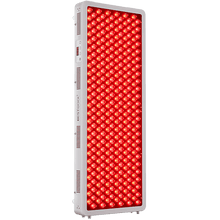
There are two main device types: intranasal probes (inserted into the nostrils) and panel-style devices (positioned in front of the face). Intranasal devices deliver light directly to nasal mucosa, while panel devices can cover a broader area including the frontal and maxillary sinuses. Full-size panels like the Bestqool red light therapy devices offer the added benefit of treating sinuses while simultaneously addressing other areas.
Step 2: Position Correctly
For panel-style devices, position the light 6 to 12 inches (15-30 cm) from your face, centered on the nose and sinus areas. For intranasal devices, follow the manufacturer's instructions for insertion depth — typically just inside the nostril opening.
Step 3: Treatment Duration and Frequency
Based on clinical protocols that showed positive results:
- Session length: 10 to 20 minutes per session
- Frequency: Once to three times daily during active symptoms; reduce to 3-5 times per week for maintenance
- Treatment course: Most studies showing significant results used protocols of 4 weeks or longer
- Time of day: Morning sessions may be most beneficial as sinus congestion often peaks overnight and in early morning
Step 4: Complementary Practices During Treatment
Maximize the effectiveness of light therapy by combining it with these evidence-based practices:
- Perform saline nasal irrigation (neti pot or squeeze bottle) 15-20 minutes before your light therapy session to clear mucus and allow better light penetration
- Stay hydrated — adequate fluid intake helps thin mucus
- Breathe through your nose during treatment when possible
- Keep the treatment area clean and the device sanitized between uses
Step 5: Track Your Progress
Keep a simple symptom diary rating your congestion, pain/pressure, discharge, and overall comfort on a 0-10 scale. This helps you identify whether the therapy is providing meaningful benefit and can be useful information to share with your healthcare provider.
Treatment Timeline: What to Expect Week by Week
Based on the timelines observed in clinical studies, here is a realistic expectation framework:
Week 1: Some patients in the Kang et al. study noticed improvements in nasal congestion and rhinorrhea within the first seven days of treatment [7]. However, many users may not notice significant changes during the first week. Initial sensations may include mild warmth and slight tingling in the nasal area during treatment.
Weeks 2-3: This is typically when measurable improvements begin to appear in clinical trials. The Kang et al. study showed significant RQLQ improvement by week 2 [7]. You may notice reduced congestion frequency, less facial pressure, and easier breathing through the nose.
Week 4: By the end of a typical 4-week treatment course, most clinical studies show their primary outcome improvements. The Jung et al. trial documented significant TNSS reductions at this timepoint [6], and the Oliveira et al. study showed significant peak nasal inspiratory flow improvements after their 4-week, 8-session protocol [5].
Beyond Week 4: Continuing maintenance sessions (3-5 times weekly) may help sustain benefits. The Abdulrashid et al. study on chronic rhinosinusitis used 12 sessions and demonstrated sustained improvements in sinus opacification [9]. Long-term data beyond a few months is currently limited.
Important: If you notice no improvement after 4-6 weeks of consistent use, the therapy may not be effective for your particular condition, and you should consult with your healthcare provider about other treatment options.
Combining Light Therapy with Other Sinus Treatments
Red light therapy works best as part of a comprehensive sinus management plan, not as a standalone cure. Here is how it integrates with other common treatments:
Compatible Treatments
- Saline nasal irrigation: An excellent pairing. Saline rinses clear mucus and allergens, potentially improving light penetration to the nasal mucosa. Use irrigation before light therapy sessions.
- Intranasal corticosteroid sprays: No known interaction. These reduce inflammation through a different pathway (glucocorticoid receptor activation) and can complement the mitochondrial-level effects of PBM.
- Antihistamines: Safe to use alongside light therapy. Antihistamines block histamine receptors while PBM may reduce mast cell degranulation — the source of histamine release [4].
- Steam inhalation and warm compresses: These provide symptomatic relief and can be used before or after light therapy sessions.
- Allergy immunotherapy: For patients undergoing sublingual or injection immunotherapy, PBM can serve as additional symptomatic support.
Treatments Requiring Caution
- Photosensitizing medications: If you are taking doxycycline, tetracyclines, retinoids, certain antifungals, or other photosensitizing drugs, consult your doctor before using light therapy near the face. These medications increase tissue sensitivity to light and may cause unexpected reactions.
- Topical retinoids (tretinoin, adapalene): Avoid applying these to the nose area on the same day as light therapy sessions.
Who Should NOT Use Red Light Therapy for Sinuses
While red light therapy has an excellent safety profile in clinical trials, certain groups should exercise caution or avoid treatment:
Absolute Contraindications
- Active cancer in the treatment area: PBM stimulates cellular proliferation, which could theoretically promote tumor growth. Anyone with known or suspected nasal, sinus, or facial malignancies should not use light therapy in those areas.
- Photosensitivity disorders: Conditions such as porphyria, systemic lupus erythematosus with photosensitivity, or xeroderma pigmentosum make light-based therapies potentially harmful.
Relative Contraindications (Consult Your Doctor First)
- Pregnancy: Limited safety data exists for facial PBM during pregnancy. While red light therapy is generally considered low-risk, the lack of dedicated safety studies means caution is warranted.
- Epilepsy or seizure disorders: Some devices produce pulsed light that could potentially trigger photosensitive epilepsy. Use continuous (non-pulsed) mode if available, and consult your neurologist.
- Thyroid conditions: If the light will be directed near the neck and thyroid area, patients with hyperthyroidism or thyroid nodules should first consult their endocrinologist.
- Active herpes simplex (cold sores): Light therapy may stimulate viral replication in active lesions around the nose and mouth.
- Recent facial surgery or active wound/infection: Wait until wounds have fully closed before starting treatment.
- Children under 12: Insufficient safety data for pediatric use; parental supervision and medical guidance are recommended.
Eye Safety
Always wear appropriate eye protection (rated for the specific wavelengths of your device) during treatment. Red and near-infrared light can cause retinal damage with prolonged direct exposure. Never look directly into the light source. This is especially important when treating sinus areas, as the light will be directed near your eyes.
When to See a Doctor
Red light therapy is a wellness tool, not a substitute for medical care. Seek professional medical attention if you experience any of the following:
- Symptoms lasting more than 10 days without improvement, or symptoms that worsen after initial improvement
- High fever (above 101.3 F / 38.5 C) accompanied by nasal symptoms
- Severe facial pain or swelling, especially around the eyes or forehead
- Visual changes such as double vision or reduced vision, which may indicate a rare but serious complication of sinusitis
- Blood-tinged or foul-smelling nasal discharge
- Recurring sinus infections (4 or more per year)
- Symptoms that do not respond to over-the-counter treatments or red light therapy after 4-6 weeks
- Neck stiffness or severe headache with sinus symptoms (seek emergency care — these can indicate a serious infection spreading beyond the sinuses)
A board-certified otolaryngologist (ENT specialist) or allergist can perform diagnostic imaging, allergy testing, and nasal endoscopy to identify the underlying cause of persistent sinus problems and recommend appropriate treatment.
Frequently Asked Questions
Does red light therapy actually work for sinuses?
Clinical evidence suggests red light therapy can reduce symptoms of allergic rhinitis and chronic rhinosinusitis. A 2024 meta-analysis of 16 studies found significant improvements in nasal symptoms (p < 0.001) and quality of life (p < 0.001) after treatment [10]. However, when compared directly to placebo devices, the results did not quite reach statistical significance, meaning more research is needed to confirm the magnitude of benefit beyond placebo effects.
What wavelength of red light is best for sinus problems?
The most studied wavelengths are 660 nm (red) and 830-850 nm (near-infrared). Clinical trials showing positive results have used wavelengths ranging from 630 nm to 940 nm. A combination of red (around 660 nm) and near-infrared (around 830-850 nm) wavelengths appears to provide the most comprehensive benefit by targeting both surface mucosal tissue and deeper sinus structures [6][7].
How long does it take for red light therapy to help with sinus congestion?
Based on clinical studies, some patients report improvements within the first week, particularly for nasal congestion and rhinorrhea [7]. However, more substantial and measurable improvements typically appear by weeks 2-4 of consistent daily use. Most clinical protocols run for at least 4 weeks before assessing full treatment effect.
Can red light therapy cure a sinus infection?
No. Red light therapy cannot cure a bacterial or fungal sinus infection. Its primary mechanisms are anti-inflammatory and tissue-healing, not antimicrobial (at red/NIR wavelengths). If you have an active sinus infection, you need appropriate medical treatment — typically antibiotics for bacterial infections. Red light therapy may help as a complementary approach for managing inflammation and symptoms alongside conventional treatment.
Is red light therapy safe to use on the face and near the nose?
Yes, when used properly. Clinical trials have consistently reported excellent safety profiles with minimal adverse events — the most commonly reported side effect being mild, temporary nasal dryness [6][10]. The key safety requirement is wearing appropriate eye protection during treatment, as red and near-infrared light can damage the retina with prolonged direct exposure.
How does red light therapy compare to nasal steroid sprays?
Intranasal corticosteroid sprays (such as fluticasone or mometasone) remain the gold-standard first-line treatment for allergic rhinitis and chronic rhinosinusitis and have a much larger evidence base. One randomized trial found intranasal LLLT was noninferior to acupuncture for allergic rhinitis [13], but no head-to-head trials have directly compared LLLT to nasal corticosteroids. Red light therapy is best considered as a complementary option, especially for patients who do not tolerate medications well or want additional symptom management.
Can I use red light therapy while pregnant?
There is insufficient safety data on facial red light therapy during pregnancy to make definitive recommendations. While the therapy is generally considered low-risk, most practitioners advise caution. Consult your obstetrician before starting any new therapy during pregnancy. Saline nasal irrigation is a well-established safe alternative for sinus relief during pregnancy.
Do intranasal light therapy devices work better than panel devices for sinuses?
Both approaches have advantages. Intranasal probes deliver light directly to the nasal mucosa with minimal loss, which is why most clinical studies have used this delivery method. Panel devices cover a broader area (including frontal and maxillary sinuses) and can be used for multiple purposes beyond sinus treatment. The clinical evidence base is strongest for intranasal delivery, but panel devices at appropriate wavelengths can also deliver therapeutic doses to sinus areas when positioned correctly at close range.
Medical Disclaimer
This article is for educational and informational purposes only and does not constitute medical advice. The information presented here is based on published clinical research but should not be used as a substitute for professional medical diagnosis, treatment, or care. Red light therapy devices marketed for home use are wellness products and have not been FDA-approved for the treatment of sinusitis or rhinitis. Always consult a qualified healthcare provider before starting any new treatment, especially if you have a pre-existing medical condition, are taking medication, are pregnant, or are treating a child. Individual results may vary.
References
- Rosenfeld RM, Piccirillo JF, Chandrasekhar SS, et al. Clinical practice guideline (update): Adult sinusitis. Otolaryngology-Head and Neck Surgery. 2015;152(2 Suppl):S1-S39. See also: CDC National Center for Health Statistics, Chronic Sinusitis FastStats. https://www.cdc.gov/nchs/fastats/sinuses.htm | PubMed
- de Freitas LF, Hamblin MR. Proposed mechanisms of photobiomodulation or low-level light therapy. IEEE Journal of Selected Topics in Quantum Electronics. 2016;22(3):7000417. doi:10.1109/JSTQE.2016.2561201 | PubMed
- Hamblin MR. Mechanisms and applications of the anti-inflammatory effects of photobiomodulation. AIMS Biophysics. 2017;4(3):337-361. doi:10.3934/biophy.2017.3.337 | PubMed
- Rodrigues NC, et al. Local (but not systemic) photobiomodulation treatment reduces mast cell degranulation, eicosanoids, and Th2 cytokines in an experimental model of allergic rhinitis. Photobiomodulation, Photomedicine, and Laser Surgery. 2021;39(11):723-731. PubMed
- Oliveira PC, Correia LO, Lopes NMD, Molossi J, Fornazieri MA. Efficacy of using photobiomodulation therapy in allergic rhinitis: A placebo-controlled randomized clinical trial. International Forum of Allergy & Rhinology. 2025;15(6):594-601. doi:10.1002/alr.23532. PubMed
- Jung HJ, Chung YJ, Choi YS, Chung PS, Mo JH. Clinical efficacy and safety of low-level laser therapy in patients with perennial allergic rhinitis: A randomized, double-blind, placebo-controlled trial. Journal of Clinical Medicine. 2021;10(4):772. doi:10.3390/jcm10040772. PubMed
- Kang JW, Lim JA, Lee HC, Park JH, Han SH. Treatment effect of phototherapy with low-level energy in patients with allergic rhinitis: A single-arm observational study. Medicina (Kaunas). 2023;59(2):226. doi:10.3390/medicina59020226. | PubMed
- Koreck AI, Csoma Z, Bodai L, et al. Rhinophototherapy: A new therapeutic tool for the management of allergic rhinitis. Journal of Allergy and Clinical Immunology. 2005;115(3):541-547. doi:10.1016/j.jaci.2004.10.011. PubMed
- Abdulrashid NA, Ali OI, Elsharkawy MA. Effect of photobiomodulation therapy on headache, and fatigue in patients with chronic rhinosinusitis: A randomized controlled study. Lasers in Medical Science. 2024;39(1):57. doi:10.1007/s10103-024-04011-4. PubMed
- Firouzabadi SR, Mohammadi I, Aarabi A, Sadraei S. Low-level laser therapy for allergic rhinitis: A systematic review and meta-analysis. International Archives of Allergy and Immunology. 2024;185(9):871-883. doi:10.1159/000538049. | PubMed
- Wang Y, et al. Antimicrobial blue light inactivation of pathogenic microbes: State of the art. Drug Resistance Updates. 2017;33-35:1-22. See also: Dai T, et al. Blue light for infectious diseases: Virulence. 2013;4(3):223-231. | PubMed
- Biel MA, et al. Antimicrobial photodynamic therapy treatment of chronic recurrent sinusitis biofilms. International Forum of Allergy & Rhinology. 2011;1(5):329-334. doi:10.1002/alr.20089. PubMed
- Chitsuthipakorn W, et al. Intranasal low-level laser therapy versus acupuncture treatment for allergic rhinitis: A randomized, noninferiority trial. Explore (NY). 2022;18(6):649-655. doi:10.1016/j.explore.2022.02.004. PubMed


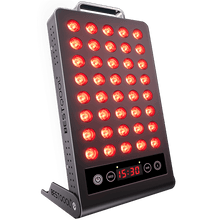
 Small
Small
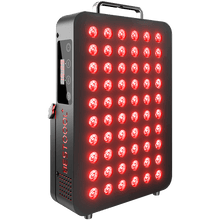
 Moderate
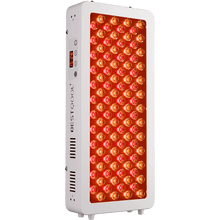
 Moderate

 Moderate
 Full
Full


