
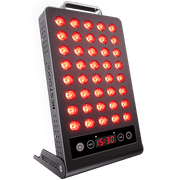

Tight connections, dry cabin air, and a carry-on that never feels big enough can make travel feel like a test of patience. Add an LED wellness device and a practical fear kicks in fast: delays at security, a last-minute gate check, or a device that arrives scratched or unusable. With red light therapy, travel stays smooth when three things are handled early: what TSA screens, what aviation battery rules require, and how to pack so the device stays protected and easy to explain.

Can You Bring a Red Light Therapy Device on a Plane?
In most cases, yes. A red light therapy device is generally treated like other personal electronics at airport screening, and it may go in carry-on or checked baggage. The one detail that changes your packing choice is the battery. Plug-in panels are usually straightforward, while any device that runs on lithium batteries or travels with a power bank should be packed in your carry-on, with the watt-hour (Wh) rating available if an officer asks. Keep the unit fully powered off and easy to remove from your bag for a quick inspection.
TSA vs FAA vs Airline Policies: What Rules Actually Apply?
Travelers often put every rule under the TSA umbrella, yet different authorities control different pieces of your trip. TSA runs the checkpoint. Their focus is screening, prohibited items, and the officer’s judgment based on what appears on the scanner.
Battery safety rules come from aviation hazardous materials requirements and are enforced through airline policies. That is why a device can be fine at the checkpoint yet still create problems at the gate if batteries are packed incorrectly.
A practical way to think about it:
- TSA decides what gets through security screening.
- Aviation battery rules determine where batteries may be packed and how they must be protected.
- Airlines can apply stricter limits, especially on spare batteries.
For a smooth experience, check your airline’s lithium battery page the day before travel. Policies are usually written clearly and focus on watt-hour thresholds, spare battery limits, and carry-on requirements.
Battery Watt-Hours Explained for Portable Light Therapy Devices
Many portable red light therapy devices use rechargeable lithium-ion batteries, and plenty of travelers bring a power bank for backup. That is why airlines focus on watt-hours. Plug-in panels with no battery can skim this section.
W vs Wh in One Minute
“W” describes how much power a device draws while running. “Wh” describes how much energy a battery stores. Airline limits are based on Wh, so a higher wattage panel does not automatically mean a higher battery capacity.
Know Your Wh Rating and the Two Key Limits
Look for “Wh” on the battery label first. If it is not listed, you can calculate it from the specs:
- If the label shows volts and amp-hours: Wh = V × Ah
- If the label shows volts and milliamp-hours: Wh = V × (mAh ÷ 1000)
Two limits matter for flying. Batteries up to 100 Wh fall into the standard consumer category. Spare batteries from 101 to 160 Wh often need airline approval and are typically limited in quantity.
The Carry-On Rule for Spares
Spare lithium batteries and power banks belong in your carry-on, not checked baggage. Protect exposed terminals with a case, original packaging, or another barrier that prevents metal contact. If a carry-on gets gate-checked, keep spares with you in the cabin so you do not lose compliance at the boarding door.
Carry-On or Checked Luggage: The Safest Way to Pack
For most travelers, carry-on is the safer choice. It keeps the device with you, reduces impact damage, and makes it easier to answer any questions at screening.
Carry-on is strongly recommended when a lithium battery is involved. Spare batteries and power banks must stay in the cabin, and a battery-powered device is also safer under your supervision in case a bag gets gate-checked.
Checked baggage can work for a plug-in panel with no battery, especially when it is protected by a hard case and surrounded by soft items to prevent pressure on the light face. If you ever place a battery-powered device in checked luggage, power it fully off and pack it so buttons cannot be pressed accidentally.

TSA Checkpoint Playbook for Red Light Therapy Devices
Most delays come from unclear X-ray images or a bag that takes too long to inspect. Keep your device easy to spot and easy to describe, and screening usually stays quick.
Place the unit near the top of your carry-on, with cords neatly coiled beside it so they do not sprawl across the bag on X-ray. Power it fully off before the belt. If your setup includes a battery or power bank, keep the watt-hour rating ready on your phone.
If questions come up, keep the wording simple and consistent: “LED light therapy device,” plus “plug-in” or “rechargeable.” When asked about the battery, share the Wh number. That single detail answers the most common follow-up and helps the interaction end fast.
Smart Packing Tips for Your Portable Red Light Therapy Device
Good packing does three things: protects the light face, prevents accidental activation, and keeps small parts from disappearing in a hotel room.
- Shield the light face like a camera lens: hard case or rigid sleeve, then padding so nothing presses on the LEDs
- Pack the control side inward, with a soft layer in front of the buttons to prevent accidental power-on
- Store batteries and power banks in a small pouch, and cover terminals using a case, original packaging, or a barrier that stops metal contact
- Put cords, adapters, timers, and mounts in one pouch so setup stays quick, and nothing gets left behind
- For international trips, confirm the device’s input voltage and bring the right plug adapter so you can power it on the first night
Jet Lag, Sleep, and Recovery: Using Red Light Therapy While Traveling
Time zone shifts can disrupt sleep timing, skin calmness, and muscle recovery. A simple approach travels best: keep sessions shorter, keep timing consistent, and treat red light therapy as supportive care that fits around your itinerary.
Jet Lag and Sleep Timing
Circadian adjustment responds most strongly to overall light exposure timing, especially bright morning light. Getting outdoor daylight soon after waking helps your body map to local time, particularly after eastbound travel. Evening light can push sleep later, so many travelers keep hotel lighting dim on the first nights after crossing multiple time zones.
For red light therapy, many people choose earlier daytime or early-evening sessions and keep the hour before bed calm with low ambient light. That combination supports sleep timing without turning bedtime into a bright, stimulating period.
Recovery and Skincare on the Road
Travel stress, stiffness from sitting, and dry cabin air can leave you feeling wired and tired. In that context, red light therapy often works best as a comfort-focused tool. A short session after a flight can feel soothing for tight muscles. For skincare, gentle use can support a calmer routine when sleep is fragmented and hydration is off.
Keep changes minimal while traveling. If your skin feels reactive, reduce intensity or duration and avoid adding several new actives at once. Consistency beats complexity when you are living out of a suitcase.
Travel With Red Light Therapy Confidently by Staying TSA and Battery Compliant
A smooth airport experience comes from handling the basics before you leave home: know how your device is powered, keep battery watt-hours accessible, pack spare lithium batteries in carry-on, protect terminals, and power devices fully off in transit. Pack the light face like fragile optics, keep accessories organized, and plan for gate-check moments on full flights. With those steps in place, red light therapy stays practical on the road, and your travel day stays focused on getting where you need to go.
FAQs
Q1: Can I Use a Red Light Therapy Device During the Flight?
Yes. In many cases, you can, as long as it stays quiet and does not bother nearby passengers. Follow crew instructions at all times. Onboard use of power banks varies by airline, so check your carrier’s policy before relying on one.
Q2: Do I Need to Declare a Light Therapy Device at Security?
No. You typically do not need to declare it. Keep the device easy to reach in case an officer asks to inspect it, and describe it plainly as an LED light therapy device. A clear explanation usually keeps screening quick.
Q3: Do I Need a Doctor’s Note to Bring It Through TSA?
No. A doctor’s note is usually unnecessary for a personal wellness device. If you anticipate needing extra help at the checkpoint, TSA Cares can provide screening assistance guidance when you contact them in advance of travel.
Q4: Can TSA Swab My Device or Hands for Explosives Testing?
Yes. Additional screening can include swabbing hands or items for trace testing. It is a normal safety step and usually takes only a few extra minutes. Keep the device protected and let officers guide the handling process.


