
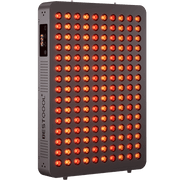

Yes. Red light therapy can support gut comfort for many people when it is used consistently and paired with smart daily habits. Early research and clinical experience in photobiomodulation point to pathways that matter for digestion, including calmer inflammation signaling and a steadier gut-brain connection. If bloating follows everyday meals, stress makes your abdomen feel tight, or travel disrupts your rhythm, a simple at-home routine may offer a gentle way to feel more settled. Keep expectations practical, track your symptoms, and follow basic safety steps.

How Abdominal Light Exposure May Support Digestion
Red light therapy for abdominal health is being explored for digestive comfort because it can influence systems that shape how your gut feels day to day. Three pathways are discussed most often.
1. Cellular energy and inflammation signaling. Photobiomodulation is linked with cellular processes that support energy production and help balance inflammation-related signaling. A steadier internal environment can translate into less “tightness” and fewer flare sensations for some people.
2. Gut barrier support signals. The gut lining relies on intestinal tight junctions to keep digestion smooth and controlled. Light-based signaling may support recovery pathways that are relevant to barrier resilience, which matters when your gut feels sensitive to foods or stress.
3. Gut-brain axis effects. Stress and digestion move together for a reason. IBS is commonly described as a disorder of gut-brain interaction, and abdominal light exposure is often used with the goal of promoting a calmer nervous system state, which can influence motility and sensitivity.
Taken together, the goal is not “light directly reaching your intestines,” but a practical, whole-system support effect that may help your gut feel more settled with consistent use.
What Gut Issues Might Red Light Therapy Help With?
Red light therapy is most often used as a comfort tool for day-to-day digestive symptoms that fluctuate with stress, sleep, and routine. Here are the patterns people commonly target.
- Bloating and abdominal pressure that builds throughout the day
- Cramping and sensitivity that feels worse during stressful periods
- IBS style ups and downs after you already know your triggers and have been checked by a clinician
- Constipation-related discomfort where relaxation and routine changes make a noticeable difference
If you decide to try it, give yourself a way to judge the result without relying on mood or memory. Digestive symptoms naturally rise and fall, so a simple, consistent check-in makes it easier to spot a real shift. Keep the notes light and repeatable for about two weeks, using the same time of day when possible.
| Symptom | Track daily | A meaningful win |
| Bloating | 0–10 rating at the same time each evening | fewer high score days, lower peak |
| Cramping | 0–10 pain rating + how long it lasts | shorter episodes, lower intensity |
| Bathroom pattern | frequency + stool type | more predictable rhythm |
If you notice blood in the stool, black or tarry stools, unexplained weight loss, fever that does not settle, severe or worsening pain, dehydration, or symptoms that are new and persistent later in life, pause the experiment and get evaluated before continuing.
A Simple at-Home Routine for the Abdominal Area
Dose is important, and protocols vary widely across studies. Since optimal red light therapy dosing is not settled for gut outcomes, a conservative routine gives your body time to respond and keeps the experiment clean.
Session setup. Pick a position that lets your abdomen soften. Tension alone can mimic gut pain. A quiet chair or a bed works fine. If you tend to brace your core, place a pillow under your knees to relax your midsection.
Target area. Place the light over the central abdomen, then shift slightly higher or lower based on where discomfort usually concentrates. Keep the same placement for a full week so patterns can emerge.
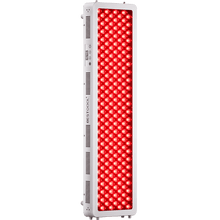
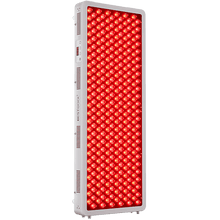
Time and frequency. Keep the dose conservative at first, then adjust based on comfort. Most people do well with short, consistent sessions rather than long exposures. If you are using a panel like BestQool, follow the device’s distance guidance and begin with 8–12 minutes per session, 4–5 days per week. If you feel good after a week, move to 10–15 minutes.
Use this simple ramp so your body has time to adapt:
- Week 1: 8 to 12 minutes, 4 to 5 sessions
- Week 2: 10 to 15 minutes, 5 sessions
- Weeks 3 and 4: keep the shortest duration that still feels helpful
If your abdomen feels overly warm or irritated afterward, shorten the session before changing anything else. Comfort is a signal worth respecting.
Timing. Many people feel best with a consistent time window. If the heat sensation feels uncomfortable right after eating, move the session earlier or later. Some people prefer late afternoon or evening because it pairs well with downshifting from the day, which can matter when stress drives symptoms.
Eye and skin basics. Avoid staring into the light source. Follow device instructions closely, since safety depends on proper use and sensible exposure. If you have a history of skin sensitivity, reduce the time and increase the distance.

How to Get Better Results in Real Life by Red Light Therapy
If you want clearer results, treat the next two weeks like a simple trial. Keep your session time and duration consistent, avoid major diet or supplement changes, and write down three quick signals each evening: abdominal comfort, bloating level, and your bathroom pattern. Then use the steps below to refine the routine.
Keep Your Check-In Simple and Consistent
Use a quick daily check-in that takes under a minute. Pick the same time window each day, often evening works well. Record a comfort score, a bloating score, and one short note about what stood out. Review once a week and look for a steady shift, not a perfect day.
Pair Sessions with Gut Basics That Reduce Volatility
Digestion responds to rhythm. A consistent meal pattern often does more than people expect. Keep changes small during your first two weeks so you can tell what helped.
- Maintain a regular meal schedule
- Increase fiber gradually
- Introduce prebiotic-rich foods in small portions
- Prioritize hydration if constipation shows up often
Use the Session to Calm the Gut Brain Loop
Many people feel better when the session also signals “downshift” to the nervous system. Try slow nasal breathing, a short walk afterward, or gentle stretching that relaxes the abdomen. This can reduce the bracing and tension that make gut discomfort feel louder.
Keep Safety Practical and Avoid Overdoing It
Eye safety matters, so do not stare into the light source. If your skin feels hot or looks irritated, shorten the session or increase distance. Talk with a clinician if you use medications linked to photosensitivity or have conditions where light exposure needs extra caution. If any red flag symptoms appear, follow the medical advice noted above and pause until you are evaluated.
Start a Simple Gut Support Routine with Red Light Therapy Today
Digestive comfort usually improves through consistent, low-effort habits. Choose one daily time for red light therapy, keep exposure moderate, and give it a fair trial for two to four weeks. Jot down a few simple signals like bloating level, abdominal comfort, and bathroom regularity so you can spot real change. If you feel more settled, keep the routine. If results stay flat, that feedback is still useful because it helps you refocus on food triggers, sleep quality, stress load, or a medical checkup.
FAQs
Q1: Can I use red light therapy over clothing, or does it need direct skin exposure?
Yes, it can work through clothing, but direct skin exposure to red light is usually more efficient because fabric reduces the light that reaches tissue. If privacy matters, choose a thin, light colored layer and increase the distance only if the heat feels uncomfortable. Avoid heavy compression garments that trap warmth and change how the session feels.
Q2: Is the warmth from a panel the reason people feel better?
No. The core idea behind photobiomodulation is light-driven signaling, not heat therapy. A mild warm feeling can help you relax, which may improve comfort, but overheating can backfire by irritating skin or increasing abdominal tension. Aim for comfortably warm, never hot, and adjust the time before moving closer.
Q3: What wavelengths should I look for if I want abdominal support?
Look for a panel that offers red light in the 630–670 nm range and near infrared around 810–850 nm. Red light is commonly used for more superficial tissues, while near infrared is often chosen for deeper targets. Many people prefer a combined setting for abdominal sessions. Clear, published wavelength specs matter more than marketing claims.
Q4: How do I judge if a device is powerful enough without overdoing it?
Check whether the brand publishes irradiance at a stated distance and explains how they measured it. That lets you compare devices fairly and estimate the dose. For abdominal use, higher numbers are not automatically better. A moderate intensity that stays comfortable supports consistency, which tends to matter most for real-world results.
Q5: Can red light therapy affect the gut microbiome?
Yes, it might, but the evidence is still early. Photobiomics research suggests light exposure can influence microbial patterns and related signaling, mainly shown in preclinical studies. The most practical takeaway is to treat microbiome effects as a potential bonus rather than the main goal. Focus first on symptoms you can track, like bloating and regularity.


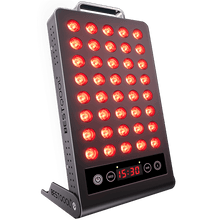
 Small
Small
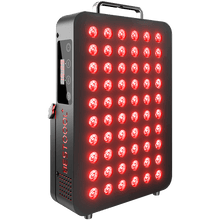
 Moderate
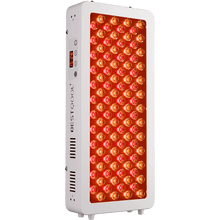
 Moderate
 Moderate
 Full
Full


