
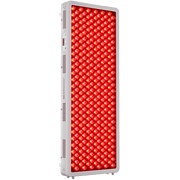

Eye bags affect millions of adults and rank among the most common cosmetic complaints in dermatology clinics worldwide. Whether you see puffiness every morning, notice dark shadows that concealer cannot fully mask, or watch the skin beneath your eyes lose firmness year after year, the frustration is real. Topical creams offer modest improvements at best. Surgical options carry downtime and risk. Somewhere between these extremes sits red light therapy—a non-invasive, evidence-backed approach that targets the biological mechanisms behind under-eye aging.
This guide explains what causes eye bags, how red light therapy (also called photobiomodulation) works at the cellular level, what clinical studies actually demonstrate, and how to build a practical treatment protocol for visible results.
What Causes Eye Bags? Understanding the Four Types
Before choosing any treatment, it helps to understand exactly what you are dealing with. “Eye bags” is a catch-all term that describes several distinct conditions, each with a different underlying cause [1].
Periorbital Puffiness (Fluid Retention)
This is the most common type, especially in the morning. Fluid accumulates in the loose connective tissue beneath the eyes overnight due to gravity redistribution, high sodium intake, allergies, or poor lymphatic drainage. The skin in this area is only about 0.5 mm thick—roughly four times thinner than the rest of the face—making even minor fluid buildup visually obvious.
Hyperpigmentation (Dark Circles)
Dark circles result from excess melanin deposition, visible blood vessels through thin skin, or post-inflammatory pigmentation. Genetics play a strong role: people with deeper skin tones and certain ethnic backgrounds are more predisposed to periorbital melanosis. Sun exposure, hormonal changes, and chronic rubbing of the eyes can worsen the discoloration [1].
Orbital Fat Prolapse (Fat Pad Herniation)
With age, the orbital septum—the membrane holding fat behind the eyeball in place—weakens. Fat pads push forward and create the bulging appearance commonly associated with aging eye bags. This is a structural problem. While red light therapy can improve the overlying skin quality, it cannot retract herniated orbital fat. Significant fat prolapse typically requires blepharoplasty (surgical correction).
Skin Laxity and Collagen Loss
Starting in the mid-twenties, collagen production declines by roughly 1% per year. Elastin fibers degrade. The periorbital skin, already the thinnest on the body, becomes crepe-like, saggy, and more transparent. This thinning makes underlying blood vessels and muscle tissue more visible, contributing to both dark circles and a hollow, tired appearance. This is the type where red light therapy demonstrates its strongest clinical evidence.
How Red Light Therapy Works on Under-Eye Skin
Red light therapy, formally known as photobiomodulation (PBM), uses specific wavelengths of visible red light (620–700 nm) and near-infrared light (700–1,100 nm) to trigger biological responses in skin cells. The mechanism is not thermal—the light does not heat tissue in the way a laser does. Instead, it works through photochemical reactions at the mitochondrial level [2].
Mitochondrial Stimulation and ATP Production
The primary target of red light in the skin is cytochrome c oxidase (CCO), a photosensitive enzyme within the mitochondrial electron transport chain. When photons at 630–660 nm are absorbed by CCO, nitric oxide is displaced from the enzyme’s binding site, allowing oxygen to bind more efficiently. This accelerates the production of adenosine triphosphate (ATP)—the cell’s energy currency [2].
More ATP means fibroblasts (the cells responsible for producing collagen and elastin) have more energy to synthesize structural proteins, repair DNA damage, and proliferate. This is particularly relevant for the periorbital area, where fibroblast activity declines significantly with age.
Collagen and Elastin Synthesis
Clinical and laboratory evidence consistently shows that red and near-infrared light stimulate the production of type I and type III collagen in dermal fibroblasts. A 2021 in vitro study found that a combination of red (640 nm) and near-infrared (830 nm) light at low energy levels (0.3 J/cm²) significantly upregulated both collagen and elastin gene expression in human skin tissue samples [3]. This is significant because it demonstrates that therapeutic effects occur even at doses far below those that would cause thermal damage.
Improved Microcirculation
Red light promotes the release of nitric oxide, a potent vasodilator. This improves blood flow in the dermal microvascular network beneath the eyes. Better circulation means more efficient delivery of oxygen and nutrients to skin cells, and faster removal of metabolic waste products that contribute to the dull, discolored appearance of dark circles [4].
Lymphatic Drainage Enhancement
Research on photobiomodulation demonstrates that low PBM doses (5–10 J/cm²) stimulate drainage function of lymphatic vessels through vasodilation and enhanced lymphatic clearance [5]. For periorbital puffiness caused by fluid retention, this mechanism is directly relevant—improved lymphatic function helps move excess interstitial fluid away from the under-eye area.
Anti-Inflammatory Effects
Red light therapy modulates inflammatory cytokines, reducing localized inflammation that contributes to puffiness and tissue degradation. Hamblin (2017) documented how PBM decreases pro-inflammatory mediators including NF-κB, TNF-α, and IL-1β, while increasing anti-inflammatory cytokines [2]. For eye bags worsened by allergies, irritation, or chronic inflammation, this pathway provides meaningful relief.
Clinical Evidence: What Studies Show About Red Light Therapy and Periorbital Skin
The evidence base for red light therapy in skin rejuvenation has grown substantially over the past two decades. While few studies target “eye bags” as a primary endpoint, multiple randomized controlled trials demonstrate measurable improvements in the periorbital region.
30% Reduction in Periocular Wrinkle Volume (2023)
A randomized controlled trial by Mota et al. (2023) specifically measured periocular wrinkle volume before and after photobiomodulation treatment. The treatment group achieved a 30% reduction in wrinkle volume around the eyes compared to controls. The study used red LED wavelengths and assessed outcomes using three-dimensional imaging, providing objective, quantifiable data rather than relying solely on subjective assessments [6].
86.2% Improvement Rate in Periorbital Wrinkles (2025)
A multi-center, randomized, double-blind, sham-controlled study published in Medicine evaluated a home-use LED mask combining 630 nm red light and 850 nm near-infrared light for treating crow’s feet. After 16 weeks, 86.2% of participants in the treatment group showed improvement in periorbital wrinkles, compared to only 16.7% in the sham device group. The study involved 60 participants aged 30–65 and used independent clinical grading [7].
36% Wrinkle Reduction and 19% Elasticity Increase (2007)
Lee et al. conducted a prospective, randomized, placebo-controlled, double-blinded, split-face clinical study on 76 patients. Participants received LED treatments using 633 nm, 830 nm, or a combination of both wavelengths twice weekly for four weeks. Objectively measured outcomes included a maximum 36% reduction in wrinkle depth and a 19% increase in skin elasticity. Histological examination confirmed a marked increase in collagen and elastic fiber density, with ultrastructural imaging showing highly activated fibroblasts surrounded by abundant new collagen [8].
Significant Collagen Density Increase (2014)
Wunsch and Matuschka (2014) published a controlled trial with 136 volunteers treated twice weekly for 30 sessions with polychromatic red (611–650 nm) or broad-spectrum (570–850 nm) light. Compared to controls, treated subjects showed statistically significant improvements in skin complexion, skin roughness, and intradermal collagen density as measured by ultrasonography. Three blinded evaluators confirmed visible reductions in fine lines and wrinkles from clinical photography [9].
User-Reported Under-Eye Improvements (2024)
Wang et al. (2024) published a study in Archives of Dermatological Research evaluating an at-home LED device specifically designed for the under-eye area. Participants reported consistent improvements in under-eye wrinkles, skin texture, dark circles, puffiness, and pigmentation, with 100% reporting high comfort and satisfaction with the device. The authors noted that while subjective outcomes were strong, larger randomized controlled trials are needed to further establish objective efficacy [10].
Skin Aging Reversal Confirmed by Objective Measurements (2023)
Couturaud et al. (2023) demonstrated that red LED photobiomodulation sessions twice weekly for three months produced measurable reversal of visible aging signs, including improved skin texture, reduced roughness, and enhanced radiance. All volunteers observed overall improvement in skin quality, with results confirmed by instrumental skin analysis [11].
Red Light Therapy vs. Other Treatments for Eye Bags
To make an informed decision, it helps to compare red light therapy against the most common alternatives. Each approach has distinct strengths, limitations, and cost profiles.
| Treatment | Mechanism | Best For | Time to Results | Cost Range | Key Limitations |
|---|---|---|---|---|---|
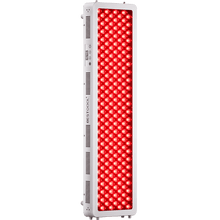
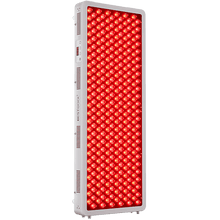
| Red Light Therapy (Panel) | Collagen stimulation, microcirculation, lymphatic drainage | Mild to moderate puffiness, dark circles, skin laxity, fine lines | 4–12 weeks | $200–$600 (device, one-time) | Cannot correct fat herniation; requires consistent use |
| Eye Creams (Retinol, Peptides, Vitamin C) | Topical collagen support, antioxidant protection, mild skin brightening | Prevention, mild dark circles, surface hydration | 8–16 weeks | $20–$150/month (ongoing) | Limited penetration depth; results are subtle; ongoing cost |
| Dermal Fillers (Hyaluronic Acid) | Volume restoration in tear trough | Hollow under-eyes, tear trough deformity | Immediate | $600–$1,500 per session | Temporary (6–12 months); risk of Tyndall effect, bruising |
| Blepharoplasty (Eyelid Surgery) | Removal or repositioning of orbital fat; excess skin removal | Severe fat herniation, significant skin laxity | 2–4 weeks (post-surgical recovery) | $3,000–$7,000 | Surgical risks; 1–2 week downtime; permanent but invasive |
| Cold Compresses / Cooling Masks | Vasoconstriction, temporary fluid reduction | Morning puffiness (temporary relief) | Immediate (temporary) | $0–$30 | Effects last only 1–2 hours; no structural change |
| Chemical Peels | Exfoliation, stimulate cell turnover, reduce pigmentation | Hyperpigmentation-type dark circles | 4–8 weeks (series of treatments) | $150–$500 per session | Risk of irritation on thin periorbital skin; not for all skin types |
| LED Eye Masks | Targeted low-level light therapy for eye area | Convenience, periorbital wrinkles, mild puffiness | 4–12 weeks | $100–$400 (device, one-time) | Lower irradiance than panels; limited wavelength options |
Key takeaway: Red light therapy occupies a practical middle ground—more effective than topical creams for collagen remodeling, far less invasive and costly than fillers or surgery, and it addresses multiple contributing factors (collagen loss, poor circulation, inflammation, fluid retention) simultaneously. For structural fat herniation, surgical consultation remains the appropriate path.
Step-by-Step Treatment Protocol for Eye Bags
Based on parameters used in the clinical studies referenced above, here is a practical protocol for treating under-eye concerns with red light therapy.
Wavelength Selection
For periorbital skin, 630–660 nm red light is the primary therapeutic wavelength. This range penetrates the dermis sufficiently to stimulate fibroblast activity and collagen production in the thin periorbital tissue without excessive depth penetration. Adding 830–850 nm near-infrared light enhances results by reaching deeper tissue layers, improving circulation, and providing anti-inflammatory benefits [3][7][8].
Distance and Positioning
- Panel devices: Position the panel 6–12 inches (15–30 cm) from the face. At this distance, the irradiance at the skin surface typically falls within the 20–60 mW/cm² range used in clinical studies.
- LED masks: These sit directly on the face and are pre-calibrated to deliver appropriate energy density. Follow the manufacturer’s instructions for fit and contact.
Session Duration
- Panel devices: 10–15 minutes per session. This delivers approximately 20–60 J/cm² at typical panel irradiance levels, consistent with doses shown effective in clinical trials [8][9].
- LED masks: 10–20 minutes per session, depending on the device’s power output. Lower-irradiance devices require longer sessions to deliver equivalent energy.
Frequency
- Initial phase (weeks 1–8): 3–5 sessions per week. Most clinical trials demonstrating significant results used treatment frequencies of at least 3 times weekly [7][9].
- Maintenance phase (ongoing): 2–3 sessions per week to sustain collagen production and circulation benefits.
Eye Safety Protocol
This is critical. The periorbital area requires careful attention to eye protection:
- Always close your eyes during treatment if using a panel device directed at the face.
- Wear appropriate eye protection—opaque goggles or shields rated for the wavelengths in use—if your device emits near-infrared light above 800 nm, which is invisible and can reach the retina.
- Do not stare directly into any LED panel or light source.
- LED masks designed specifically for the eye area typically incorporate built-in light diffusion and safety measures, but verify this with the manufacturer.
What Results to Expect: A Realistic Timeline
Setting accurate expectations prevents frustration and helps you stay consistent long enough for biological changes to manifest. Collagen remodeling is a slow process—there are no overnight transformations.
Week 1–2: Subtle Changes
- Slight reduction in morning puffiness as lymphatic drainage improves
- Skin may feel smoother or more hydrated due to improved microcirculation
- No visible structural changes yet—collagen synthesis has started at the cellular level, but new collagen fibers take weeks to mature
Week 3–4: Early Improvements
- Reduced appearance of fine lines, particularly when skin is well-hydrated
- Slightly improved skin tone and less noticeable dark circles (from better circulation)
- Friends and family may not yet notice a difference, but you likely will when comparing photos
Month 2–3: Visible Progress
- Measurable reduction in wrinkle depth (studies show up to 30–36% wrinkle volume reduction in this timeframe) [6][8]
- Improved skin firmness and elasticity as new collagen and elastin fibers mature
- Noticeable reduction in puffiness frequency and severity
- Skin texture appears smoother and more even-toned
Month 3–6: Sustained Results
- Continued collagen remodeling and skin quality improvement
- Results plateau with consistent use—maintenance sessions preserve gains
- Clinical studies show that benefits persist for at least 12 weeks after the active treatment phase ends, though gradual regression occurs without maintenance [9]
Important caveat: Individual results vary based on age, skin type, severity of eye bags, and the underlying cause. Red light therapy produces the best outcomes for puffiness, dark circles related to poor circulation, fine lines, and skin laxity. It does not eliminate structural fat herniation or deeply set genetic pigmentation.
Maximizing Results: Lifestyle and Skincare Integration
Red light therapy works best as part of a comprehensive daily routine. These evidence-based practices amplify and sustain your results.
Sleep Hygiene
- Sleep with your head slightly elevated (an extra pillow or a wedge) to reduce overnight fluid pooling beneath the eyes
- Aim for 7–9 hours of consistent sleep. Chronic sleep deprivation increases cortisol, accelerates collagen breakdown, and worsens dark circles
- Sleep on your back when possible—side sleeping compresses the face against the pillow, increasing morning puffiness on the downward side
Hydration and Nutrition
- Reduce sodium intake. Excess salt triggers fluid retention, directly contributing to morning puffiness
- Stay hydrated. Paradoxically, dehydration causes the body to retain more water. Consistent hydration supports healthy lymphatic drainage
- Eat collagen-supportive nutrients. Vitamin C (citrus, bell peppers) is essential for collagen synthesis. Zinc, copper, and amino acids from protein-rich foods provide the building blocks fibroblasts need
- Omega-3 fatty acids (fatty fish, flaxseed) support skin barrier function and reduce chronic inflammation
Skincare Routine Integration
- Apply treatment serums after red light sessions. Enhanced microcirculation post-treatment improves absorption of topical actives like retinol, vitamin C, and peptides
- Use sunscreen daily. UV exposure degrades collagen and triggers pigmentation—undermining the collagen-building effects of red light therapy
- Avoid rubbing the eye area. Mechanical friction damages the thin periorbital skin and worsens pigmentation
Complementary Practices
- Gentle facial massage: Light upward and outward strokes around the orbital bone support lymphatic drainage
- Cold compress in the morning: A brief application (2–3 minutes) of a cold spoon or gel mask provides temporary vasoconstriction that complements the longer-term benefits of red light therapy
- Limit alcohol before bed. Alcohol causes vasodilation and dehydration, both of which worsen morning puffiness
Safety, Precautions, and Contraindications
Red light therapy has an excellent safety profile when used correctly. A 2023 systematic review of oncologic safety concluded that low-level light therapy for skin rejuvenation poses no increased cancer risk [12]. However, the eye area demands extra caution.
General Safety
- Red light therapy is non-invasive, painless, and produces no UV radiation
- Side effects are rare and typically limited to mild, transient warmth or redness at the treatment site
- No downtime is required after sessions
Eye-Specific Precautions
- Never look directly into the light source. While therapeutic doses of red light have not been shown to damage the retina, near-infrared wavelengths (800+ nm) are invisible and the pupil does not constrict in response, potentially allowing excessive energy to reach the retina
- Wear appropriate eye protection when using panel devices near the face. Purpose-built red light therapy goggles block the relevant wavelengths while allowing the surrounding facial skin to receive treatment
- LED eye masks designed for periorbital use typically incorporate safety features that limit light exposure to the closed eyelid. Verify certifications and safety testing before purchasing
Who Should Avoid Red Light Therapy Near the Eyes
- People with active eye infections or open wounds near the eye area
- Those taking photosensitizing medications (certain antibiotics, retinoids, or NSAIDs)—consult your dermatologist before starting treatment
- Individuals with a history of retinal disease or recent eye surgery—obtain clearance from your ophthalmologist
- People with epilepsy or photosensitive seizure disorders (some devices produce pulsed light)
- Anyone with active skin cancer in or near the treatment area
Device Quality Matters
Not all red light therapy devices deliver clinically relevant wavelengths and energy densities. When selecting a device for periorbital treatment, look for:
- Verified wavelength output (630–660 nm red and/or 830–850 nm near-infrared)
- Published irradiance specifications (at least 20 mW/cm² at the intended treatment distance)
- Third-party testing or FDA clearance
- A reputable manufacturer with transparent specifications. Devices from brands like Bestqool provide clinical-grade wavelengths with published power output data, which is essential for replicating the treatment parameters shown effective in peer-reviewed research.
Frequently Asked Questions
How long does it take for red light therapy to reduce eye bags?
Most people notice initial improvements in puffiness within 2–4 weeks of consistent use. Structural changes to skin firmness, collagen density, and wrinkle depth typically become visible after 8–12 weeks of treatment at 3–5 sessions per week. Clinical studies have documented statistically significant improvements in periocular wrinkle volume after 8–16 weeks of treatment [6][7].
Is red light therapy safe to use around the eyes?
Yes, when proper precautions are followed. Keep your eyes closed during facial treatments with panel devices, and wear protective goggles when using devices that emit near-infrared light. LED masks designed specifically for the eye area incorporate built-in safety features. Multiple clinical trials have used red and near-infrared light on the periorbital area without reporting adverse ocular events [7][8][10].
Can red light therapy get rid of dark circles completely?
Red light therapy can reduce the appearance of dark circles caused by poor circulation, thin skin, or mild pigmentation by improving microcirculation, thickening the dermis through collagen production, and reducing inflammation. However, dark circles caused by deep genetic hyperpigmentation or significant volume loss (hollow tear troughs) may require additional treatments such as dermal fillers or targeted depigmenting agents for complete resolution.
What wavelength is best for treating eye bags?
The 630–660 nm red light range has the strongest evidence for collagen stimulation in periorbital skin. Combining red light with 830–850 nm near-infrared light provides additional benefits including deeper tissue penetration, enhanced anti-inflammatory effects, and improved microcirculation [3][8]. The 2025 multi-center trial specifically used this 630 nm + 850 nm combination and found significant periorbital wrinkle improvement [7].
How does red light therapy compare to eye creams for under-eye bags?
Red light therapy works at a deeper level than topical products. Eye creams are limited by the skin barrier—most active ingredients penetrate only the upper epidermis. Red light penetrates through the epidermis into the dermis where fibroblasts reside, directly stimulating collagen and elastin production. Clinical studies show measurable increases in intradermal collagen density [9], which topical products alone cannot achieve. That said, combining both approaches is ideal: use red light therapy for structural improvement, and quality eye creams for surface hydration and antioxidant protection.
Do I need to wear eye protection during red light therapy?
For panel devices directed at the face: yes. Use opaque goggles or shields rated for red and near-infrared wavelengths. For LED masks designed specifically for the periorbital area, check whether the manufacturer includes built-in eye safety features. At minimum, always keep your eyes closed during any facial red light treatment. The retina is sensitive to concentrated light energy, and near-infrared wavelengths above 800 nm are invisible, so your pupil will not naturally protect against them.
Can red light therapy replace surgery for severe eye bags?
No. Red light therapy is effective for improving skin quality, reducing fine lines, decreasing puffiness, and addressing mild to moderate signs of aging around the eyes. However, it cannot correct structural problems like significant orbital fat herniation or severe skin excess that requires surgical removal. If you have pronounced bulging eye bags due to fat prolapse, a consultation with an oculoplastic surgeon is the appropriate next step. Red light therapy can complement surgical results by improving skin quality during recovery.
Is it okay to use red light therapy every day?
Daily use is generally safe and some practitioners recommend it during the initial treatment phase. However, most clinical studies demonstrating significant results used a frequency of 3–5 sessions per week [7][9]. There is some evidence of a biphasic dose response in photobiomodulation, where excessive doses can actually inhibit the desired biological effects [2]. Starting with every-other-day sessions and increasing frequency based on your skin’s response is a prudent approach.
References
- Sarkar R, Ranjan R, Garg S, Garg VK, Sonthalia S, Bansal S. “Periorbital Hyperpigmentation: A Comprehensive Review.” The Journal of Clinical and Aesthetic Dermatology. 2016;9(1):49–55. PubMed
- Hamblin MR. “Mechanisms and applications of the anti-inflammatory effects of photobiomodulation.” AIMS Biophysics. 2017;4(3):337–361. PubMed
- Li WHC, Seo I, Kim B, Fassih A, Southall MD, Parsa R. “Low-level red plus near infrared lights combination induces expressions of collagen and elastin in human skin in vitro.” International Journal of Cosmetic Science. 2021;43(3):311–320. PubMed
- Avci P, Gupta A, Sadasivam M, Vecchio D, Pam Z, Pam N, Hamblin MR. “Low-level laser (light) therapy (LLLT) in skin: stimulating, healing, restoring.” Seminars in Cutaneous Medicine and Surgery. 2013;32(1):41–52. PubMed
- Semyachkina-Glushkovskaya O, Abdurashitov A, Dubrovsky A, et al. “Photobiomodulation of lymphatic drainage and clearance: perspective strategy for augmentation of meningeal lymphatic functions.” Biomedical Optics Express. 2020;11(2):725–734. PMC
- Mota LR, Duarte IDS, Galache TR, Pretti KMDS, Neto OC, Motta LJ, Horliana ACRT, Silva DFTD, Pavani C. “Photobiomodulation Reduces Periocular Wrinkle Volume by 30%: A Randomized Controlled Trial.” Photobiomodulation, Photomedicine, and Laser Surgery. 2023;41(2):59–66. PubMed
- Kim JY, et al. “Clinical study to evaluate the efficacy and safety of home-used LED and IRED mask for crow’s feet: A multi-center, randomized, double-blind, sham-controlled study.” Medicine. 2025;104(7):e41396. PubMed
- Lee SY, Park KH, Choi JW, Kwon JK, Lee DR, Shin MS, Lee JS, You CE, Park MY. “A prospective, randomized, placebo-controlled, double-blinded, and split-face clinical study on LED phototherapy for skin rejuvenation.” Journal of Photochemistry and Photobiology B: Biology. 2007;88(1):51–67. PubMed
- Wunsch A, Matuschka K. “A Controlled Trial to Determine the Efficacy of Red and Near-Infrared Light Treatment in Patient Satisfaction, Reduction of Fine Lines, Wrinkles, Skin Roughness, and Intradermal Collagen Density Increase.” Photomedicine and Laser Surgery. 2014;32(2):93–100. PubMed
- Wang JY, Kabakova M, Patel P, Bitterman D, Zafar K, Philip R, Gollogly JM, Rivas S, Kurtti A, Yousefi N, Onikoyi O, Masub N, Jagdeo J. “Outstanding user reported satisfaction for light emitting diodes under-eye rejuvenation.” Archives of Dermatological Research. 2024;316(8):523. PubMed
- Couturaud V, Le Fur M, Pelletier M, Granotier F. “Reverse skin aging signs by red light photobiomodulation.” Skin Research and Technology. 2023;29(7):e13391. PubMed
- Baez F, Reilly LR. “Photobiomodulation: A Systematic Review of the Oncologic Safety of Low-Level Light Therapy for Aesthetic Skin Rejuvenation.” Aesthetic Surgery Journal. 2023;43(7):NP523–NP534. PMC


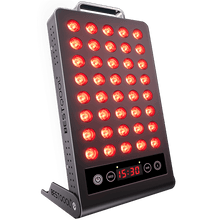
 Small
Small
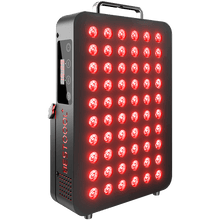
 Moderate
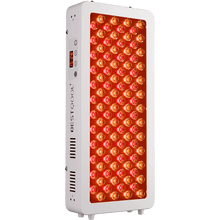
 Moderate
 Moderate
 Full
Full


