


Bloating that shows up after normal meals, unpredictable bathroom urgency, and a tender abdomen that flares when life gets stressful all have something in common. The gut is responding to signals from the nervous system, the immune system, and the microbiome. Research on the gut-brain axis supports that big-picture view. In that context, red light therapy applied over the abdomen is being explored as a supportive tool that may help dial down inflammatory signaling and improve comfort for some people.

The Connection Between Light and the Digestive System
Digestion depends on communication, not only on food choices. The gut and brain exchange information through the vagus nerve, immune messengers, hormones, and microbial metabolites, so stress and sleep can show up as real digestive symptoms.
When gut-brain signaling gets loud, patterns often look familiar:
- Abdominal discomfort rises on high-stress days
- Gas feels painful even without a big change in diet
- Bowel habits shift with poor sleep or travel
These patterns fit mainstream descriptions of a bidirectional gut, immune, and brain network, where microbial metabolites and immune signals influence neural activity, and brain-state influences gut function.
How External Light Can Matter Inside the Body
Light influences biology in two practical ways.
Circadian timing:daytime light exposure supports sleep timing and stress regulation, and both are strongly linked with digestive comfort through the gut-brain axis.
Local signaling:photobiomodulation uses red and near-infrared wavelengths to influence tissue signaling where the light is applied. Those local shifts can feed into immune and nerve pathways that participate in gut-brain communication.
How Photobiomodulation Supports Digestive Function
Photobiomodulation describes how red and near-infrared light can influence cellular behavior. Mechanistic reviews commonly describe mitochondrial involvement, with cytochrome c oxidase frequently discussed as a key photoacceptor in this wavelength range, alongside downstream effects that include changes in ATP and signaling molecules.
Cellular Energy Support in the Abdominal Region
The gut lining renews quickly and has a demanding job: digestion, nutrient absorption, and barrier defense. Energy availability helps support that workload. PBM literature often links light exposure with short-term shifts in mitochondrial activity and cellular energy signaling.
Red light therapy for digestion makes the most sense as supportive care aimed at comfort and resilience.
Key point:evidence for direct digestive outcomes in humans is still limited, so promises should stay conservative. The strongest support today sits in mechanism research and preclinical models, with human research developing.
Managing Systemic Inflammation Through Red Light Therapy
A lot of stubborn gut discomfort tracks back to inflammation and oxidative stress. When inflammatory signaling rises, the gut lining can become more reactive, and barrier function can weaken over time. Barrier integrity matters because it regulates what crosses from the gut lumen into immune-active tissue.
Preclinical Evidence in Gut Inflammation Models
A mouse study found that 940 nm LED exposure attenuated experimental colitis and reduced pro-inflammatory cytokines, including TNF-α, IL-1β, and IL-6.
This does not prove the same effect for common complaints like bloating after a heavy meal, yet it supports a plausible anti-inflammatory pathway for near-infrared exposure in gut-relevant contexts.
Why the Intestinal Barrier Keeps Coming Up
If your digestion feels fragile, barrier stress is a meaningful concept to understand. Reviews of the gut-brain axis emphasize that immune signaling and microbial metabolites can influence neural and systemic physiology, which helps explain why inflammation can feel whole-body, not just local.
The Influence of Near-Infrared Light on the Microbiome
The microbiome is not only about bacteria counts. Microbes produce metabolites that affect immune tone and brain signaling.
What Photobiomics Is Saying So Far
Photobiomics is an emerging idea suggesting light exposure may influence microbial ecosystems, often indirectly through host physiology. A widely cited mouse study reported that irradiating the abdomen with 660 nm or 808 nm PBM produced significant differences in gut microbial diversity compared with sham treatment.
Practical Takeaway for Real Life
Diet, sleep, medications, and stress dominate microbiome change. Light is a smaller lever. So, if microbiome balance is your priority, build the foundation first, then consider light as a supporting tool.
Helpful pairings with abdominal light sessions:
- Plant diversity across the week
- Regular meal timing that supports circadian stability
- Stress downshifting practices that calm gut-brain reactivity

Red Light Therapy for IBS Symptoms and Discomfort
IBS is widely described as a disorder of gut-brain interaction. Prevalence depends on diagnostic criteria. A major meta-analysis reported a pooled IBS prevalence of 9.2% when Rome III criteria were used, and lower estimates under Rome IV.
In a nationwide US survey, Rome IV IBS prevalence was reported at 6.1%.
Why Pain and Urgency Can Feel out of Proportion
Many people with IBS experience visceral hypersensitivity, where the gut’s sensory system responds strongly to normal stretch or gas. That sensitivity can rise during stress, poor sleep, or after infections, which aligns with the gut-brain axis model.
Where Light May Fit, Without Overpromising
There is early preclinical work suggesting PBM can influence pain signaling in stress-related visceral hypersensitivity models, which researchers discuss as relevant to IBS mechanisms.
That level of evidence supports a cautious goal: improving comfort and reducing flare intensity, not treating IBS.
Safety note: persistent IBS-type symptoms deserve medical evaluation, especially with red flags like blood in stool, unexplained weight loss, fever, or anemia.
Does Red Light Therapy Help with Bloating and Gas
Bloating is frustrating because it often mixes mechanics and perception. Fermentation, constipation, pelvic floor coordination, and sensitivity to normal distension can all contribute.
The Most Plausible Pathway Is Indirect
Human trials that isolate bloating outcomes for red light therapy are limited. The most defensible explanation is indirect support:
- Calmer inflammatory signaling may reduce mucosal sensitivity
- Improved neuroimmune balance may change how distension is perceived
The 940 nm colitis model does not represent everyday bloating, yet it reinforces that near-infrared exposure can modulate inflammatory cytokines in gut-related contexts.
Simple Pairings That Improve the Odds
Light tends to work best alongside concrete steps that reduce gas load and support motility:
- A smaller dinner for 10 to 14 days
- Slower eating pace and fewer carbonated drinks
- A short walk after meals
Targeted Near-Infrared Therapy for Stomach Wellness
Near-infrared is often chosen for deeper tissue reach compared with visible light because tissue absorption can be lower in near-infrared windows.
Penetration Depth Is Real, and Still Limited
Deeper does not mean unlimited. A penetration analysis reported that about 0.45% to 2.90% of 810 nm light penetrated 3cm of tissue sequences at higher power levels in its analysis.
This is a helpful reality check for digestion claims. Abdominal sessions are best viewed as influencing tissues and signaling networks accessible from the surface.
Why Wavelength Options Matter for Abdominal Use
If your goal is abdominal support, device wavelength coverage matters. Bestqool lists devices that include 660 nm and 850 nm options, and some models also list 810 nm and 940 nm in addition to red and near-infrared ranges. That spectrum range aligns with how PBM is commonly discussed for deeper tissue targets, while keeping expectations realistic about depth.
Integrate Light Therapy into a Holistic Digestive Routine
Research reviews emphasize that PBM effects depend on parameters like wavelength and dose, so consistency and comfort matter.
A Routine That Feels Sustainable
A simple abdominal routine for red light therapy can be:
- Use a comfortable distance and session length recommended by the manufacturer
- Stop if you notice skin irritation or excessive heat
- Pick a time that supports relaxation, since stress physiology can amplify gut symptoms
Key safety point: avoid staring into bright panels, and consider protective eyewear.
Track the Right Signals, Not Just Hope
Digestive change can be subtle. Tracking keeps you honest and helps you notice patterns.
| Tracker | How to Record It | Why It Matters |
| Post-meal discomfort | 0 to 10 | Captures sensitivity trends |
| Evening bloating | 0 to 10 | Links symptoms to meal patterns |
| Bowel pattern | Easy, strained, urgent | Reflects motility and stress response |
| Sleep quality | Poor, fair, good | Poor sleep often predicts flares |
| Stress load | Low, medium, high | Gut-brain amplifier |
Keep the Fundamentals in the Driver's Seat
If your gut is the priority, these pillars carry the strongest weight:
- Plant and fiber diversity
- Regular movement
- Predictable sleep timing
- Stress regulation practices
Red light therapy fits best when it supports comfort while you build the habits that drive long-term stability through the gut, immune, and brain axis.


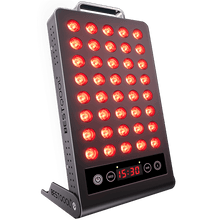
 Small
Small
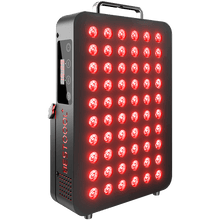
 Moderate
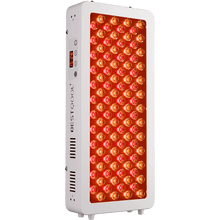
 Moderate

 Moderate
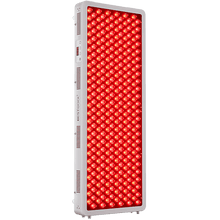
 Full
Full


