


If you've been dealing with chronic stress, you've probably tried everything from meditation apps to cutting back on caffeine. But here's something you might not have considered: red light therapy. This science-backed approach is gaining serious attention for its ability to help your body manage stress at a cellular level, and the research is pretty compelling.

How Red Light Therapy Actually Reduces Stress
Red light therapy uses special wavelengths of light that can penetrate deep into your skin and reach your cells. This kind of light provides your cells with an extra boost of energy, enabling them to perform their functions more effectively and reducing stress.
What It Does to Your Cortisol Levels
Cortisol is the body's stress hormone. When stressed, the levels of cortisol in the body remain high longer than necessary. That is why when stressed, one is exhausted yet cannot sleep, has belly fat, and is jittery.
Red Light Therapy balances your cortisol levels throughout the day. Red Light Therapy works on your hypothalamic-pituitary-adrenal axis, which controls your stress hormones. If stress has disrupted your hypothalamic-pituitary-adrenal axis, red light therapy helps get it working properly.
How It Boosts Your Cell Energy
Your mitochondria create ATP, and ATP is the energy supply for your body's cells. Stress causes your mitochondria to become less efficient at producing energy, and your body will have less energy to deal with your daily problems and recover from the effects of stress.
Red light causes the production of a molecule called cytochrome c oxidase, which increases the production of energy within the mitochondria of the cells. The more energy you have, the better you're able to handle stress. Studies have proven that people with better mitochondria are better able to cope with stress when it occurs.
Red Light Therapy Benefits for Mental Health and Mood
Boosting Serotonin and Dopamine Naturally
Serotonin and dopamine are your feel-good neurotransmitters, and chronic stress depletes both of them. That's why stressed people often feel flat, unmotivated, or just generally down.
Red light therapy increases the production of both serotonin and dopamine without any medications. People using red light therapy for seasonal affective disorder saw measurable increases in serotonin levels after just two weeks of treatment.
The wavelengths used in red light therapy penetrate deep enough to reach areas of your brain involved in mood regulation. This isn't about creating an artificial high—it's about helping your brain produce the right amount of these chemicals naturally, which leads to more stable moods and better stress tolerance.
Reducing Brain Fog and Improving Focus
Are you forgetting where you left your keys, or having a tough time keeping your eyes focused on a simple task? You're definitely not alone. Brain fog is one of the most frustrating symptoms of chronic stress, and red light therapy addresses it directly.
Red light therapy increases blood flow to your brain and reduces inflammation in your neural tissue. Near-infrared light improves cognitive function, memory, and reaction time by helping your brain cells get better oxygenation and more efficient energy production.
How Red Light Therapy Clears Brain Fog:
- Increased oxygen delivery: More oxygen is supplied to your brain cells. This enables your cells to communicate with each other faster.
- Reduced neural inflammation: Chronic stress can cause inflammation in the human brain, but the therapy reduces inflammation in the human body.
- Enhanced energy production: When your neurons have a high supply of ATP, they can remain focused without getting tired, especially when dealing with complex information.
- Improved neurotransmitter balance: As a result of improved cell function in the body, neurotransmitters in the brain function better, thus improving cognitive function in general.

Does Red Light Therapy Help You Sleep Better?
Yes, and the sleep improvements usually show up within the first week. Poor sleep and stress have a cyclical relationship: stress can make sleep difficult, while poor sleep can make stress worse the next day. But the red light therapy can stop this cycle.
Stress gets your circadian rhythm all out of whack, which is why you feel tired during the day but can't sleep at night. Red light therapy helps regulate your circadian rhythm by aligning with your body's natural melatonin production. Red light doesn't interfere with your melatonin production like blue light from your phone does. Using red light in the evenings can actually help calm your body.
| Timeline | What Happens | What You'll Notice |
| Days 1-7 | Melatonin production starts normalizing | You fall asleep 10-15 minutes faster |
| Week 2-3 | Deep sleep cycles get longer | You wake up actually feeling rested |
| Week 4+ | Circadian rhythm stabilizes | Consistent sleep schedule without trying |
How to Use Red Light Therapy for Stress Relief
Getting started with red light therapy doesn't have to be complicated, but there are some important things to know to get the best results.
Best Time of Day to Use Red Light Therapy
The timing of your sessions can also greatly impact the efficiency of the treatment in managing stress. The time of day can have various advantages.
Morning Sessions (6-9 AM):
- Purpose: Assist in the regulation of the production of cortisol and provide energy for the day.
- How to do it: Position yourself 6 to 12 inches away from your device and display your face, chest, or back to receive full benefits.
- Best for: People who wake up feeling anxious or stressed, or who have trouble getting going in the morning.
- Duration: It should last for 10 to 15 minutes, preferably with a cup of coffee in the morning.
Evening Sessions (7-9 PM):
- Purpose: To aid in the production of melatonin and relax your body from the stresses of the day.
- How to do it: The same distance, but focus on areas where you're holding tension, like your neck and shoulders.
- Best for: Individuals who have problems falling asleep or are physically tense from stress.
- Important note: Avoid the use of red light therapy after 9 PM, as the treatment is slightly energizing.
How Long Should Your Sessions Be?
The duration of the sessions is just as significant as the consistency of the sessions in managing your level of stress with the help of the therapy. Here’s what actually works.
Starting Protocol:
- Week 1-2: Start with 10 to 15 minutes per day. Once daily will be enough for this initial phase. This will give enough time for the cells to receive the energy from the light without overdoing it.
- Week 3-4: If you're seeing some benefits, but want more, you can increase the time per session to 20 minutes. You can also add a second session, but at the opposite time of day.
- Long-term: Most people adapt to 15-20 minute sessions once or twice a day.
| Your Main Concern | Recommended Duration | Frequency | When to Do It |
| Sleep problems | 15-20 minutes | Once daily | 7-8 PM |
| Morning anxiety | 10-15 minutes | Once daily | 6-8 AM |
| All-day stress | 15 minutes | Twice daily | Morning + Evening |
| Brain fog | 15-20 minutes | Once daily | 8-10 AM |
How to Choose the Right Red Light Therapy Device for Stress Management
660nm vs 850nm: Which Wavelength Do You Need?
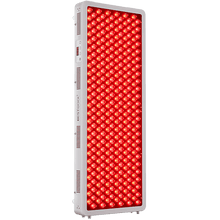
Typically, these devices use only two wavelengths. The 660nm, or visible red, wavelength goes 8 to 10mm into the body and aids in mood enhancement. The 850nm, or near infrared, wavelength goes up to 40mm into the body and helps regulate cortisol and mitochondrial activity.
In terms of managing stress, a device that offers both types of light would be the most beneficial. There are immediate mood benefits, as well as long-term resilience against stress.
Power Output: Don't Buy a Weak Device
Irradiance (mW/cm²) tells you if a device is strong enough to work. Anything under 50 mW/cm² is useless for stress relief.
| Irradiance Level | Should You Buy It? |
| Under 50 mW/cm² | No - waste of money |
| 50-100 mW/cm² | Only if the budget is tight |
| 100-150 mW/cm² | Yes - ideal range |
| 150+ mW/cm² | Yes - professional grade |
Look for at least 100 mW/cm² at 6 inches. If a company won't publish these numbers, skip it.
Low EMF Matters for Stress Relief
High EMF can cause headaches, anxiety, and sleep problems—exactly what you're trying to fix. Choose devices under 5 milligauss, ideally under 3. If EMF levels aren't listed, ask before buying.
What to Expect: Your Stress Relief Timeline
Red light therapy isn't instant, but most people see sleep improvements within a week.
| Timeframe | What You'll Notice |
| Week 1-2 | Falling asleep 10-15 minutes faster, and better sleep quality |
| Week 3-4 | Less reactive to stress, more stable mood |
| Week 6-8 | Consistent energy, better stress resilience overall |
Red light therapy supports your stress management routine—it won't fix a chaotic schedule or toxic job, but it helps your body handle stress better.
Red Light Therapy for Chronic Stress Relief: What Actually Works
Red light therapy offers a scientifically supported, natural approach to managing chronic stress. It's not magic, and it won't eliminate stress from your life, but it can give your body the tools it needs to handle stress better. If you've been struggling with conventional stress management techniques, this might be worth adding to your routine.


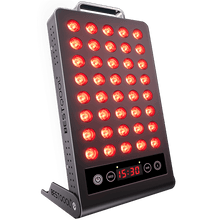
 Small
Small
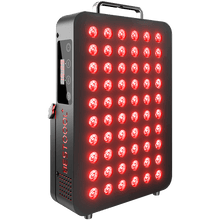
 Moderate
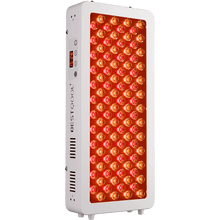
 Moderate
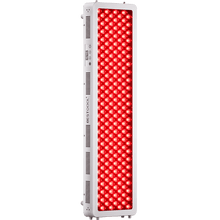
 Moderate
 Full
Full


