
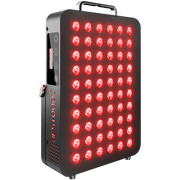

Yes, near-infrared light therapy can enhance working memory and focus by optimizing brain energy production and increasing cerebral blood flow.
Struggling to maintain concentration during work? Finding yourself rereading paragraphs without retention? These experiences reflect declining cognitive performance affecting millions daily. The challenge intensifies in our information-dense world, where sustained mental clarity is essential. Scientific evidence demonstrates that transcranial photobiomodulation directly boosts neuronal energy metabolism and improves circulation in brain regions responsible for memory and attention.

What Is Photobiomodulation and How Does It Affect Cognitive Function?
Photobiomodulation uses specific light wavelengths to trigger biological responses in tissue. When applied to the head, this approach directs near-infrared wavelengths ( 810-850 nanometers ) through the scalp and skull to reach the cerebral cortex.
Cellular Mechanisms
The process works through direct cellular interaction. Photons penetrate brain tissue and interact with cytochrome c oxidase, an enzyme within mitochondria responsible for energy production. This triggers beneficial changes:
- Enhanced ATP synthesis in neurons
- Increased mitochondrial membrane potential
- Improved oxygen consumption rates
- Release of nitric oxide for vascular effects
Controlled trials show that transcranial light treatments produce measurable working memory improvements. Analysis of 35 clinical studies reveals that over 80% of participants experienced cognitive enhancements.
Beyond Pharmaceutical Interventions
The mechanism differs from pharmaceutical interventions. Instead of altering neurotransmitter levels, it optimizes existing energy production systems. Results span healthy adults, individuals with mild cognitive impairment, and traumatic brain injury patients.
Red Light Therapy Reduces Brain Fog and Mental Fatigue
Brain fog manifests as difficulty concentrating, slow thinking, and mental exhaustion persisting despite rest. The underlying cause often involves mitochondrial dysfunction and chronic neuroinflammation.
Root Causes of Brain Fog
Neurons consume enormous energy. When power production falters, cognitive performance declines rapidly. Clinical trials examining post-COVID cognitive impairment revealed significant findings about light therapy's impact on mental clarity.
Key improvements observed in studies:
- Enhanced attention span and sustained focus
- Faster information processing speed
- Reduced mental fatigue during cognitive tasks
- Improved composite cognitive test scores
Evidence for Mental Clarity
The treatment works by enhancing mitochondrial function and reducing oxidative stress in neural tissue. Oxidative stress occurs when reactive oxygen species accumulate faster than neutralization. This damages cellular components and impairs brain function.
Near-infrared light exposure triggers controlled antioxidant production, restoring balance. Biomarker measurements document decreased inflammatory markers alongside improved mental clarity. Functional brain imaging reveals increased metabolic activity in prefrontal regions following light exposure.
Red Light Therapy Increases Cerebral Blood Flow and Oxygenation
Brain tissue demands constant oxygen and glucose delivery. Even brief reductions in blood flow trigger cognitive symptoms. Photobiomodulation addresses this through nitric oxide release.
Nitric Oxide and Vasodilation
When near-infrared photons stimulate cytochrome c oxidase, bound nitric oxide molecules are released. This diffuses into surrounding blood vessels, causing vasodilation. Near-infrared spectroscopy measurements show cerebral blood flow increases of 20-30% in treated regions.
Enhanced circulation delivers multiple benefits simultaneously:
- Increased oxygen availability supporting aerobic metabolism
- Improved nutrient delivery for neurotransmitter synthesis
- Accelerated metabolic waste removal
- Better temperature regulation in active brain regions
Real-Time Circulation Effects
Brain imaging studies confirm these effects in real time. Participants receiving transcranial light treatment show elevated oxygenated hemoglobin levels in the prefrontal cortex, correlating with improved executive function performance.
How Does Red Light Therapy Improve Memory and Learning?
Memory formation requires energy-intensive processes: encoding information, consolidating short-term memories into long-term storage, and retrieving stored data. Each step depends on ATP availability and efficient synaptic transmission.
Energy and Memory Formation
Light exposure increases cellular ATP production in neurons, particularly in the hippocampus and prefrontal cortex. This additional energy fuels the molecular machinery underlying memory consolidation and retrieval.
Synaptic plasticity represents the brain's ability to strengthen or weaken connections based on activity. Learning creates new synaptic connections and reinforces existing ones. Transcranial light treatments promote brain-derived neurotrophic factor (BDNF) expression, essential for synaptic formation.
Working Memory Improvements
Clinical trials demonstrate consistent improvements:
- Better visual working memory task performance
- Enhanced change detection ability
- Increased number of items held in active memory
- Longer information retention durations
Electroencephalography recordings reveal enhanced contralateral delay activity, an electrical signature associated with working memory capacity. The correlation between brain activity changes and behavioral improvements confirms genuine neurological effects.

Why Near Infrared Light Is Essential for Brain Health
Wavelength selection proves critical for transcranial applications. Visible red light penetrates only 1-2 centimeters, insufficient for deep brain structures. Near-infrared wavelengths ( 800-900 nanometers) reach 3-4 centimeters, accessing cortical neurons through the intact skull.
Light Penetration Science
Tissue absorption patterns explain this difference. Water and hemoglobin show minimal absorption in the near-infrared spectrum, creating an "optical window" for deeper penetration. Cadaver studies measuring transmission through human skulls confirm that approximately 2-3%of applied energy reaches the cortex.
Power output matters equally to wavelength. Low-power LED devices delivering under 1 watt show negligible brain penetration. Therapeutic effects require sufficient photon density at the target tissue. Devices producing 10-15 watts or higher deliver biologically meaningful doses to cortical neurons.
Optimal Wavelength Selection
Cytochrome c oxidase absorption spectra provide additional rationale. This mitochondrial enzyme shows peak absorption around 810 nanometers. Matching light wavelength to enzyme absorption characteristics maximizes biological response per delivered photon.
Can Red Light Therapy Protect Your Brain as You Age?
Yes, photobiomodulation shows promise for protecting cognitive function during aging.
Processing speed naturally slows with age, working memory capacity decreases, and executive function becomes less efficient in many individuals. Mitochondrial dysfunction contributes significantly to these changes.
Energy Decline with Age
Neurons in older brains produce less ATP and generate more oxidative stress. This energy deficit impairs cellular processes underlying memory and attention. Photobiomodulation directly addresses these changes.
Studies in aging populations demonstrate measurable benefits:
- Improved resting-state functional connectivity
- Increased alpha, beta, and gamma wave activity on the EEG
- Enhanced network communication patterns
- Better performance on cognitive assessments
Neuroprotective Benefits
Effects extend beyond immediate performance improvements. Animal models suggest regular light exposure may reduce harmful protein accumulation associated with neurodegenerative conditions. While human trials investigating long-term prevention remain ongoing, early results indicate potential for maintaining cognitive function across the lifespan.
The therapy carries minimal risk, making it suitable for preventive applications. Unlike pharmaceutical interventions producing side effects or drug interactions, photobiomodulation supports natural cellular processes.
Start Using Red Light Therapy to Enhance Your Daily Performance
Effective protocols use 10-20 minute sessions, 3-5 times weekly. Consistency matters most. Users often report initial improvements within 2-3 weeks, with continued enhancement over subsequent months. Timing remains flexible since near-infrared light doesn't affect circadian rhythms like blue light. Morning sessions may boost daily focus, while evening treatments support relaxation. The growing scientific evidence confirms photobiomodulation as a legitimate tool for cognitive enhancement through improved brain metabolism and circulation.
FAQs
Q1: Can red light therapy be combined with nootropic supplements for enhanced cognitive effects?
Yes, photobiomodulation can be safely combined with nootropics. Research suggests complementary mechanisms: light therapy optimizes mitochondrial function while compounds like citicoline provide precursors for neurotransmitter synthesis. Synergistic application shows superior gains in executive function and processing speed compared to standalone therapies. Consult healthcare providers before combining treatments, especially with prescription medications.
Q2: Does photobiomodulation affect different brain regions equally, or are certain areas more responsive?
Different brain regions show varying responsiveness to transcranial light treatment. The prefrontal cortex demonstrates the highest sensitivity due to a thinner overlying skull and proximity to the scalp. Studies using functional MRI reveal stronger activation increases in superficial cortical areas versus deeper structures like the hippocampus. Bilateral treatments covering multiple scalp positions produce more comprehensive cognitive benefits than single-location protocols targeting only frontal regions.
Q3: How long do cognitive improvements persist after stopping red light therapy sessions?
Cognitive enhancements typically persist 2-4 weeks after treatment cessation, then gradually decline. Longitudinal studies indicate benefits fade completely within 6-8 weeks without maintenance sessions. This differs from pharmaceutical interventions, showing immediate discontinuation effects. Researchers recommend transitional protocols: daily sessions initially, then tapering to twice-weekly maintenance treatments. Individual response patterns vary based on baseline cognitive status and treatment duration before stopping.
Q4: Are there contraindications for using transcranial photobiomodulation in specific populations?
Yes, several contraindications exist. Individuals with photosensitivity disorders, active scalp infections, or recent head trauma should avoid treatment. Patients taking photosensitizing medications (certain antibiotics, retinoids) face an increased risk. Those with implanted electronic devices near treatment areas require medical clearance. Pregnancy represents a precautionary contraindication due to limited safety data. Epilepsy patients need neurologist’s approval, as light stimulation may theoretically trigger seizures in susceptible individuals.
Q5: Does skull thickness significantly impact treatment effectiveness, and should imaging be considered?
Yes, skull thickness substantially affects light dosimetry reaching brain tissue. Variations range from 3 to 10mm across individuals and scalp locations. Women typically have thinner skulls than men, potentially requiring lower power settings. While routine imaging isn't necessary for healthy adults, individuals with known bone density disorders or previous skull fractures may benefit from CT assessment. Professional-grade devices with adjustable power outputs accommodate anatomical differences more effectively than consumer models.


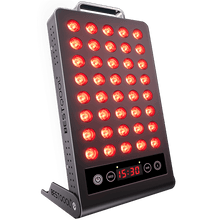
 Small
Small
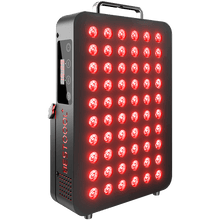
 Moderate
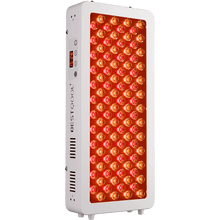
 Moderate

 Moderate
 Full
Full


